
 EN
EN
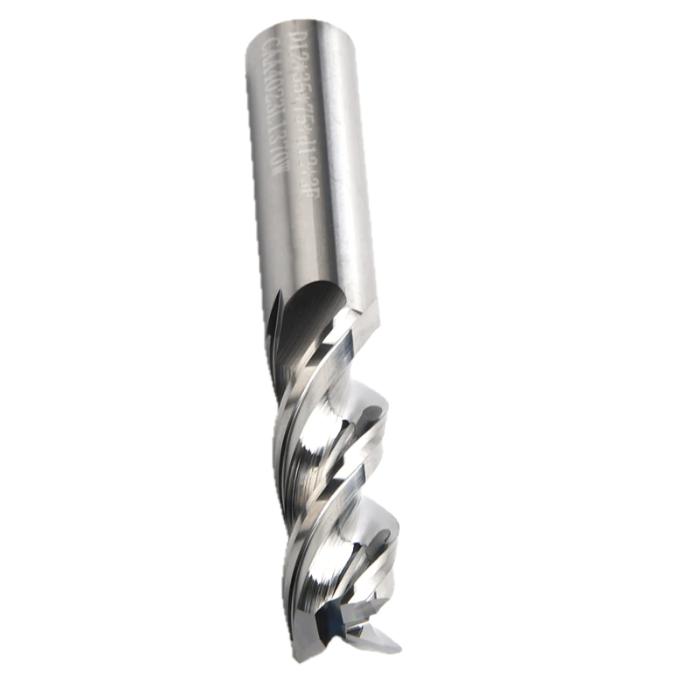
Selecting the correct CNC end mill flute count is one of the most consequential decisions a machinist or procurement engineer makes before starting a milling operation. The CNC end mill flute count determines how aggressively the tool cuts, how well chips are evacuated, and what quality of surface finish is achievable. Many operators underestimate how much the CNC end mill flute count influences cycle times, tool life, and overall machining cost.
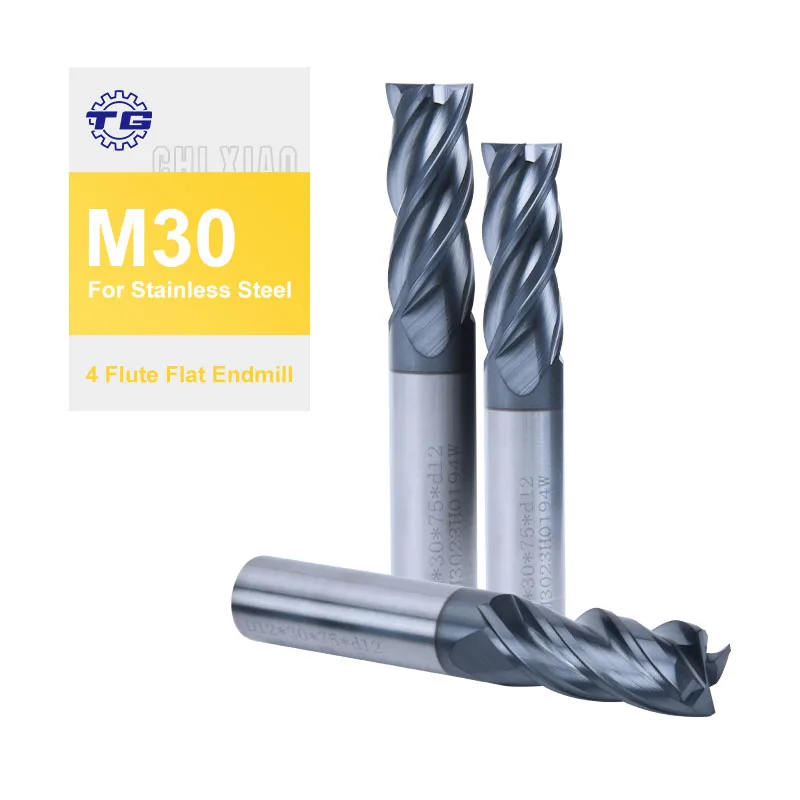
Whether you are working with soft aluminum alloys or hardened tool steels, the CNC end mill flute count you choose will directly affect your results. A mismatch between the CNC end mill flute count and the workpiece material can cause poor chip clearance, excessive heat buildup, premature tool wear, or an unacceptable surface finish. Understanding how to align the CNC end mill flute count with your specific application is the foundation of efficient and precise CNC milling.
How CNC End Mill Flute Count Affects Chip Evacuation
The Role of Flute Geometry in Material Removal
The CNC end mill flute count directly governs the space available between each cutting edge for chip removal. When the CNC end mill flute count is low, such as a 2-flute design, the gullet between flutes is larger. This larger gullet allows chips to exit the cutting zone more freely, which is especially important in soft, gummy, or high-chip-volume materials. A low CNC end mill flute count prevents re-cutting of chips that would otherwise clog the tool and damage the workpiece.
Conversely, a high CNC end mill flute count, such as a 4-flute or higher configuration, reduces the space between cutting edges. This narrower gullet limits chip clearance, making a high CNC end mill flute count less suitable for materials that produce long, stringy chips. However, the reduced gullet also means more cutting edges are in contact with the material simultaneously, enabling finer finishes and greater rigidity. Matching the CNC end mill flute count to the chip load characteristics of your material is essential for consistent performance.
Chip Load Calculations and Flute Count
Chip load per tooth is inversely related to the CNC end mill flute count when feed rate remains constant. As the CNC end mill flute count increases, the chip load per flute decreases at the same feed rate. This means operators using a high CNC end mill flute count must often increase the feed rate to maintain productive chip thickness, ensuring each flute is cutting rather than rubbing. Rubbing accelerates wear and generates excess heat, so understanding how the CNC end mill flute count interacts with feed rate is critical for both tool life and part quality.
Matching CNC End Mill Flute Count to Material Type
Soft and Non-Ferrous Materials
For aluminum, brass, plastics, and other non-ferrous or soft materials, a 2-flute or 3-flute CNC end mill flute count is generally recommended. The generous chip clearance offered by a low CNC end mill flute count prevents chip packing, which is a common failure mode in aluminum milling. Aluminum produces large, soft chips that need room to exit quickly. A 2-flute CNC end mill flute count gives each chip adequate space and allows higher speeds without heat accumulation. Many high-volume aluminum machining operations rely on this CNC end mill flute count to maintain aggressive material removal rates.
For composite materials and certain plastics, a 2-flute CNC end mill flute count is also often preferred because these materials can delaminate or melt when excessive heat builds up. The CNC end mill flute count choice here is not just about chip clearance but also about managing thermal load at the cutting edge. Using the correct CNC end mill flute count prevents surface damage and extends tool service life in these applications.
Hard and Ferrous Materials
When machining steels, stainless steels, cast iron, or hardened alloys, a 4-flute or higher CNC end mill flute count is typically the right choice. The increased CNC end mill flute count provides more cutting edges in contact with the workpiece, distributing cutting forces and reducing vibration. Hard materials produce small, brittle chips that do not require the large gullet needed for soft materials, so the narrower chip clearance of a high CNC end mill flute count is not a limitation. A 4-flute CNC end mill flute count also improves surface finish on ferrous parts because more cutting passes occur per revolution.
In finishing operations on hardened steel, a 5-flute or 6-flute CNC end mill flute count can deliver extremely fine surface quality. The higher CNC end mill flute count allows for lighter chip loads per tooth at high spindle speeds, reducing deflection and improving dimensional accuracy. Precision shops producing mold cavities, dies, or aerospace components routinely select a high CNC end mill flute count for this reason.
Application Scenarios That Determine the Best Flute Count
Roughing vs. Finishing Operations
In roughing passes where the goal is maximum material removal, the CNC end mill flute count is often kept lower to maintain chip clearance and allow aggressive depths of cut. A 2-flute or 3-flute CNC end mill flute count handles the high chip volumes generated during roughing without clogging. The large gullet of a low CNC end mill flute count acts as a natural safety margin during heavy cuts, giving chips a clear path away from the cutting zone.
For finishing passes where tight tolerances and smooth surfaces are required, a higher CNC end mill flute count becomes advantageous. A 4-flute CNC end mill flute count is a versatile choice for finishing operations on steel because it balances chip clearance with surface quality. For very fine finishes, operators may step up to a 5-flute or 6-flute CNC end mill flute count to minimize surface roughness. The CNC end mill flute count selection for finishing should always consider spindle speed capability, tool rigidity, and workpiece material hardness together.
Slot Milling and Peripheral Milling
Slot milling is one of the most demanding applications for any CNC end mill flute count decision because chips must evacuate from a confined space. A 2-flute CNC end mill flute count is often preferred for deep slotting in aluminum, while a 3-flute or 4-flute CNC end mill flute count suits shallower slots in steel. Peripheral milling, by contrast, allows chips to exit more easily, so a higher CNC end mill flute count can be used without chip packing risk. Understanding the specific geometry of your cut is as important as the material when deciding on the best CNC end mill flute count.
FAQ
What is the most common CNC end mill flute count for general steel machining?
A 4-flute CNC end mill flute count is the most widely used choice for general steel machining. It balances chip clearance, surface finish quality, and tool rigidity effectively across a broad range of steel alloys and cutting conditions.
Can I use a high CNC end mill flute count on aluminum?
Using a high CNC end mill flute count on aluminum is generally not recommended because the reduced gullet space causes chips to pack and re-cut, leading to tool damage and poor surface quality. A 2-flute or 3-flute CNC end mill flute count is far better suited for aluminum applications.
Does a higher CNC end mill flute count always give a better surface finish?
A higher CNC end mill flute count tends to improve surface finish on hard materials at appropriate cutting parameters, but it is not universally better. On soft or gummy materials, a high CNC end mill flute count can worsen finish due to chip packing. The best CNC end mill flute count for surface finish depends on material, cutting speed, and depth of cut together.