
 EN
EN
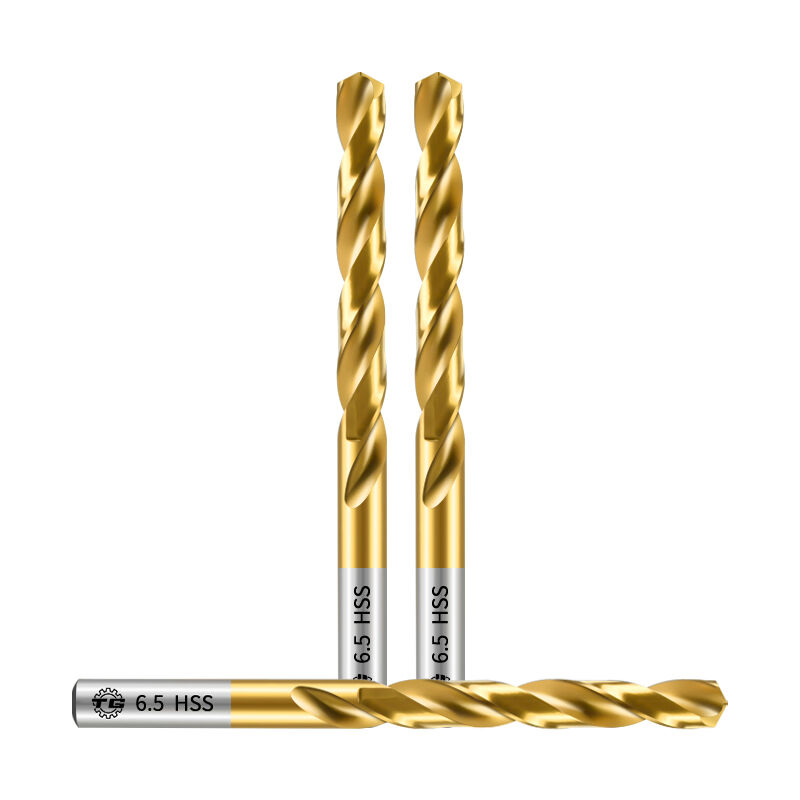
When aerospace manufacturers demand flawless surface finishes on turbine blades, structural brackets, and engine housings, the choice of cutting tool becomes a defining factor. A high-precision CNC end mill directly influences how cleanly material is removed, how accurately contours are formed, and how consistently a finished aerospace component meets strict dimensional tolerances. In high-stakes aerospace production, surface finish is not merely cosmetic — it affects fatigue resistance, aerodynamic performance, and the integrity of tight-fit assemblies. Understanding why a precision CNC end mill boosts that finish requires looking at tool geometry, coating technology, and the dynamics of chip evacuation under demanding cutting conditions.
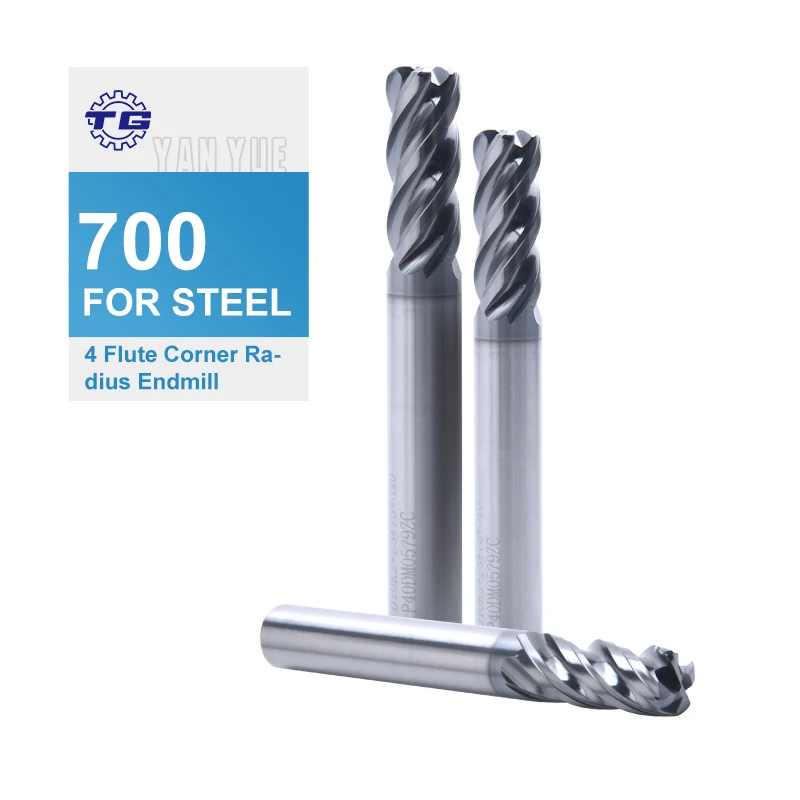
Aerospace components are typically machined from titanium alloys, nickel superalloys, and hardened aluminum — all materials that challenge conventional cutting tools. A standard CNC end mill may deflect under load, generate heat that alters surface microstructure, or leave behind tool marks that require secondary finishing operations. A high-precision CNC end mill, engineered with tighter manufacturing tolerances, advanced coatings, and optimized flute geometry, eliminates many of these problems at the primary machining stage. This makes the CNC end mill one of the most impactful variables in aerospace surface quality control.
Geometry and Its Role in Surface Finish
Flute Design and Cutting Edge Precision
The geometry of a CNC end mill determines how it engages with the workpiece at every rotation. A high-precision CNC end mill features carefully calculated helix angles, sharp cutting edges, and uniform flute spacing that reduce radial cutting forces. When a CNC end mill maintains consistent edge contact throughout each pass, the resulting surface shows fewer micro-ridges and tool vibration marks. For aerospace components where surface roughness values must meet Ra specifications below 0.8 micrometers, this consistency is critical. The CNC end mill geometry also controls how chips are formed and cleared, preventing re-cutting that would degrade the surface finish.
Corner Radius and Surface Stress Reduction
A corner radius CNC end mill is particularly valued in aerospace machining because sharp corners concentrate stress during cutting, leading to chipping and uneven surfaces. A CNC end mill with a precisely ground corner radius distributes cutting forces more evenly across the tool tip, producing smoother transitions at shoulder interfaces and pocket floors. This feature is especially important when machining complex aerospace profiles where changes in direction are frequent. The controlled corner geometry of a quality CNC end mill prevents the micro-tearing of the workpiece surface that would otherwise require time-consuming hand finishing or re-machining.
Coating Technology and Thermal Stability
Why Advanced Coatings Matter for a CNC End Mill
Heat is one of the primary enemies of surface finish quality in aerospace machining. When a CNC end mill lacks adequate thermal protection, cutting temperatures at the tool-workpiece interface rise rapidly, causing material adhesion, built-up edge formation, and surface discoloration. A high-precision CNC end mill engineered for aerospace applications typically features an advanced physical vapor deposition coating such as AlNOVZ or TiAlSiN. These coatings give the CNC end mill a hardness rating that can exceed HRC 70 at the surface layer, dramatically reducing heat transfer into the workpiece. With a thermally stable CNC end mill, operators can maintain higher cutting speeds without sacrificing the surface integrity that aerospace specifications demand.
Lubricity and Work Material Compatibility
Beyond hardness, the lubricity properties of a coated CNC end mill reduce friction at the cutting interface, which further stabilizes surface finish across extended machining runs. Aerospace nickel alloys and titanium are prone to work hardening during cutting, meaning that a CNC end mill without proper lubrication properties will progressively produce rougher surfaces as the tool heats and work-hardens the material. A precision CNC end mill with the right coating maintains consistent cutting behavior throughout the tool's operational life, making it possible to hold surface finish specifications across an entire production batch rather than just the first few parts.
Rigidity, Runout Control, and Process Consistency
How Runout Affects CNC End Mill Performance
Tool runout — the degree to which a CNC end mill deviates from perfect concentricity during rotation — has a disproportionate impact on surface finish. Even a runout error of five microns can cause uneven chip loads among flutes, creating a pattern of micro-grooves on the machined surface. A high-precision CNC end mill is manufactured to extremely tight runout tolerances, ensuring that each flute engages the workpiece equally. This balanced chip load distribution is what allows a CNC end mill to produce the consistent, mirror-quality surfaces that aerospace customers require. Pairing a precision CNC end mill with a high-accuracy collet chuck or hydraulic toolholder amplifies this benefit further.
Tool Rigidity and Vibration Dampening
In deep-cavity aerospace machining, tool overhang increases and vibration becomes a serious challenge. A CNC end mill designed with appropriate core diameter ratios and carbide substrate density resists deflection under high axial cutting forces. When a CNC end mill deflects during a finishing pass, the resulting chatter marks are visible on the workpiece and typically require additional processing. A rigid, high-precision CNC end mill maintains its intended path geometry even in challenging reach situations, preserving both dimensional accuracy and surface quality simultaneously. This is why aerospace manufacturers specify precision-grade CNC end mill tooling for their final finishing operations, not just roughing stages.
FAQ
What materials are best suited for a high-precision CNC end mill in aerospace work?
A high-precision CNC end mill performs well on titanium alloys, aluminum aerospace grades, nickel superalloys, and hardened steels. The key factor is matching the CNC end mill coating and geometry to the specific work material, as each alloy has different thermal and abrasive properties that influence surface finish outcomes.
How many flutes should an aerospace CNC end mill have for finishing?
For aerospace finishing applications, a CNC end mill with four flutes is commonly recommended. A four-flute CNC end mill balances chip clearance and surface contact frequency, delivering smoother finishes on hardened aerospace alloys compared to two-flute designs while still providing sufficient room for chip evacuation in semi-finishing passes.
How does a CNC end mill coating extend tool life in aerospace production?
An advanced coating on a CNC end mill creates a thermal and chemical barrier between the cutting edge and the workpiece material. This barrier reduces adhesive wear, oxidation, and built-up edge formation, all of which would otherwise degrade the cutting edge rapidly. A well-coated CNC end mill maintains its sharpness and geometry for more cutting cycles, reducing tool change frequency and keeping surface finish quality consistent across larger aerospace production runs.