Contact me immediately if you encounter problems!

All Categories

custom end mills

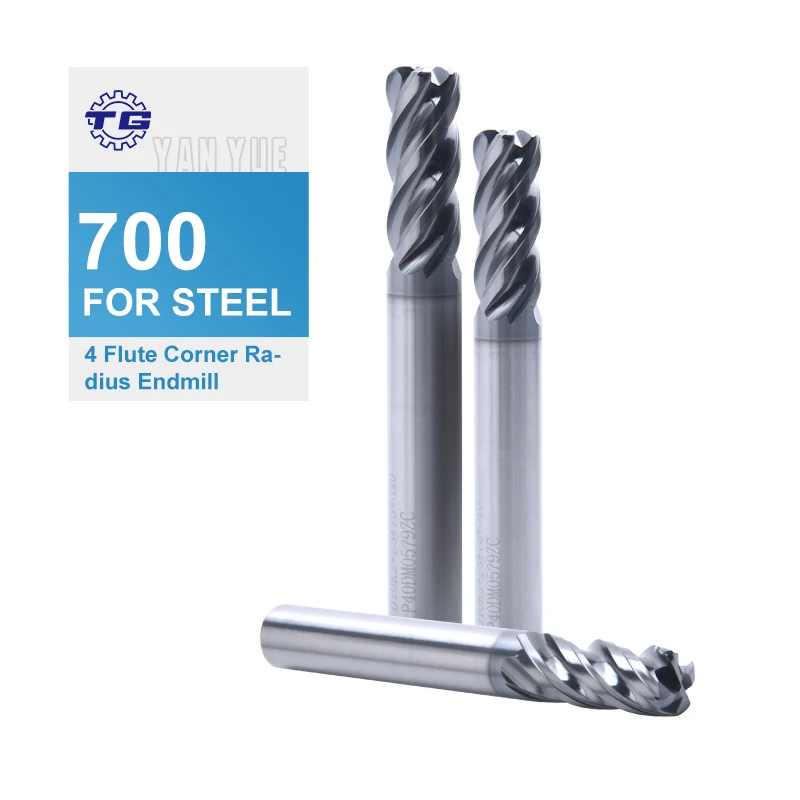
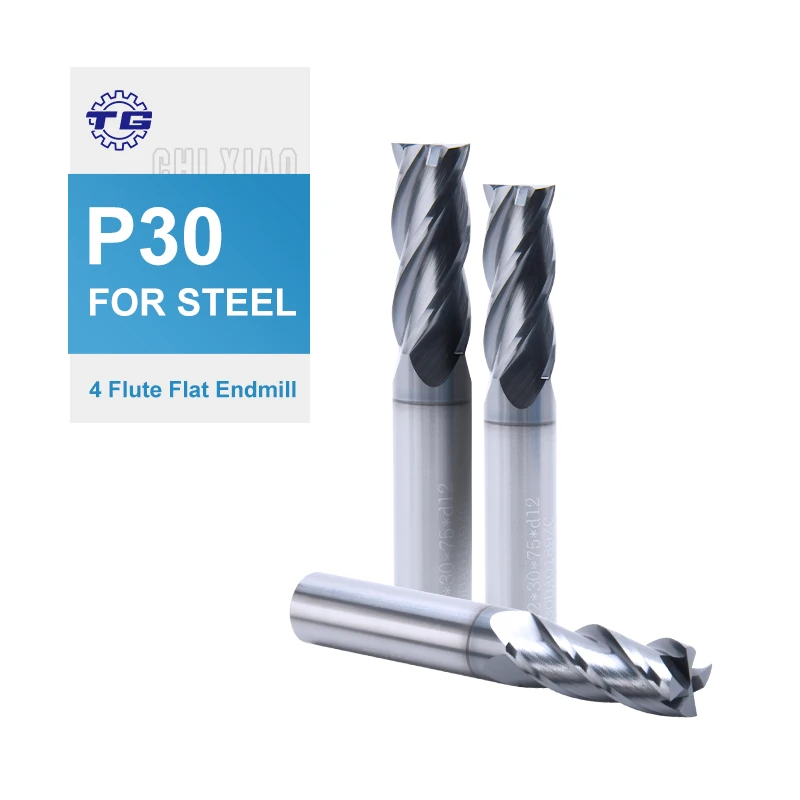
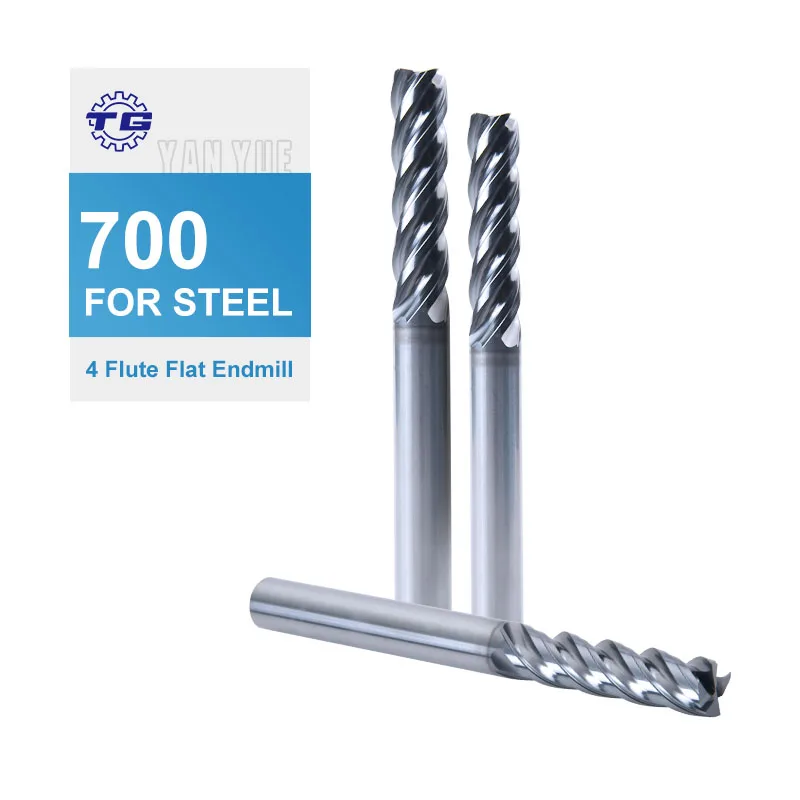
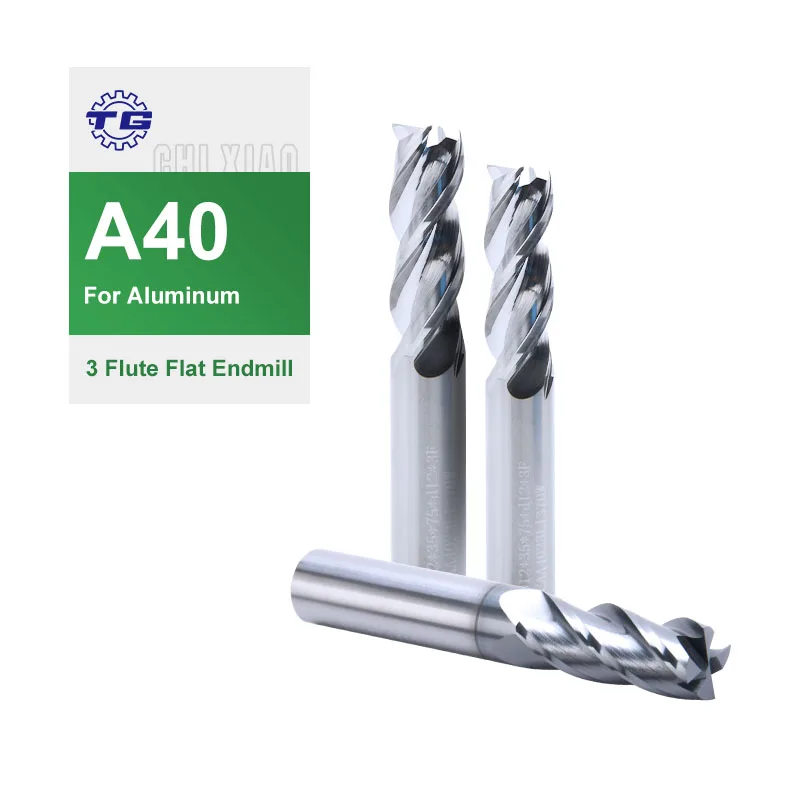
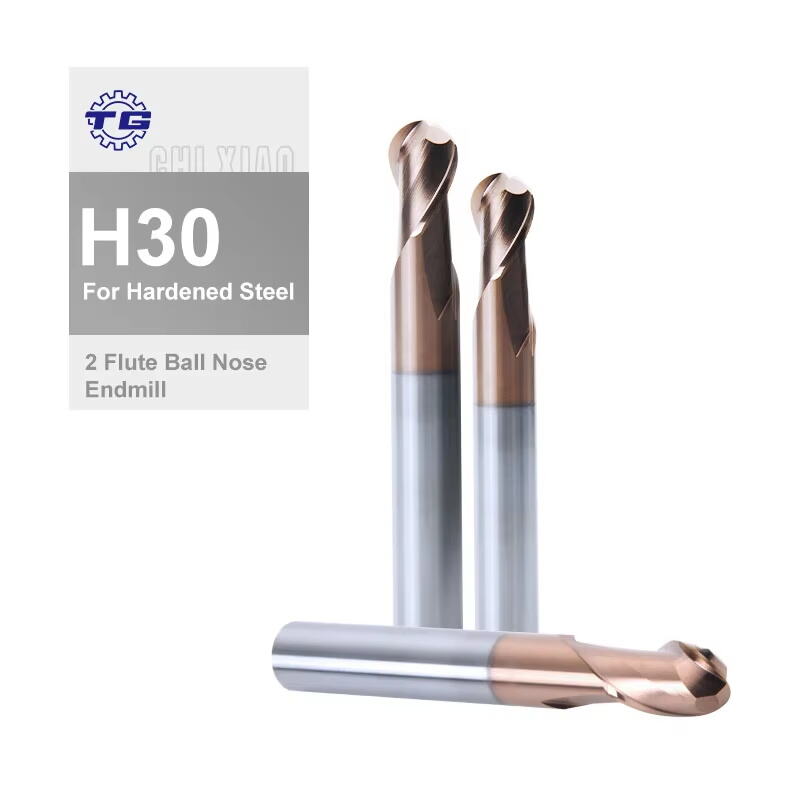
Custom end mills represent specialized cutting tools engineered to meet precise manufacturing requirements that standard cutting solutions cannot address. These precision-machined tools are designed specifically for individual projects, featuring unique geometries, dimensions, and specifications tailored to particular materials and machining operations. Manufacturing industries rely on custom end mills to achieve exceptional accuracy when working with complex components that demand specialized cutting profiles. The primary function of these tools involves material removal through rotary cutting, where the tool rotates at high speeds while moving through workpieces to create desired shapes, contours, and finishes. Custom end mills feature carefully calculated flute designs, helix angles, and cutting edge configurations that optimize performance for specific applications. Technological advancements have enabled manufacturers to produce these tools with extreme precision, incorporating features like variable helix angles that reduce vibration, specialized coatings that extend tool life, and innovative geometries that improve chip evacuation. The customization process begins with detailed analysis of the machining challenge, considering factors such as material hardness, desired surface finish, production volume, and dimensional tolerances. Engineers collaborate with tooling specialists to determine optimal specifications including diameter, length, number of flutes, corner radius, and cutting edge preparation. These precision instruments serve critical roles across aerospace, medical device manufacturing, automotive production, mold making, and electronics industries. Applications range from creating intricate medical implants requiring biocompatible surface finishes to machining heat-resistant superalloys in turbine components. Custom end mills address situations where conventional tooling produces inadequate results, excessive tool wear, or fails to achieve required tolerances. The investment in these specialized tools delivers substantial returns through improved production efficiency, reduced cycle times, superior part quality, and decreased overall manufacturing costs when applied to appropriate applications demanding their unique capabilities.

New Product Recommendations

Investing in custom end mills delivers significant practical benefits that directly impact your manufacturing operations and bottom line profitability. The most immediate advantage comes from enhanced precision that allows you to achieve tighter tolerances and superior surface finishes without secondary operations. When you use tools designed specifically for your application, you eliminate the compromises inherent in adapting generic cutting tools to specialized tasks. This precision translates directly into reduced scrap rates and higher first-pass yield, meaning more usable parts from each production run. Your production efficiency increases dramatically because these optimized tools cut faster and more aggressively than standard alternatives while maintaining dimensional accuracy. The specialized geometry and cutting parameters enable higher material removal rates, shortening cycle times and increasing throughput without requiring additional machinery or labor. Tool life extension represents another crucial economic benefit, as properly designed custom end mills withstand wear far longer than standard tools pushed beyond their optimal operating parameters. This longevity reduces tool changeover frequency, minimizing production interruptions and lowering your overall tooling costs despite higher initial investment. You gain remarkable versatility in material processing, as custom specifications can address challenging materials that would quickly destroy conventional tools. Whether you work with hardened steels, exotic alloys, composites, or abrasive materials, tailored cutting edge geometries and appropriate coatings ensure reliable performance. The ability to machine complex features in single setups eliminates multiple tool changes and repositioning operations that introduce cumulative errors and consume valuable production time. Your manufacturing flexibility expands significantly when you possess tools capable of executing specialized operations that would otherwise require outsourcing or investment in additional equipment. Quality consistency improves across production runs because custom end mills maintain their cutting characteristics longer and produce repeatable results even in demanding applications. You reduce secondary finishing operations when tools produce required surface characteristics directly from the machining process, cutting labor costs and accelerating delivery schedules. Problem-solving capabilities increase substantially as custom solutions overcome limitations that standard tooling cannot address, enabling you to accept projects previously considered unfeasible. The competitive advantage gained through superior part quality, faster delivery, and ability to handle difficult jobs positions your operation favorably in demanding markets where precision and reliability command premium value.

Latest News

Which drill bit type works best for concrete projects?

30

Dec

Which drill bit type works best for concrete projects?

Selecting the right drill bit for concrete projects can make the difference between a successful installation and a frustrating experience filled with broken tools and damaged materials. Concrete drilling requires specialized equipment designed to ha...
View More
When should you use carbide vs HSS end mill cutters?

10

Feb

When should you use carbide vs HSS end mill cutters?

Selecting the right cutting tool for machining operations is crucial for achieving optimal performance, surface finish, and tool longevity. The choice between carbide and high-speed steel (HSS) end mill cutters significantly impacts manufacturing eff...
View More
What industries rely most on high-speed steel tools?

31

Mar

What industries rely most on high-speed steel tools?

High-speed steel tools have become indispensable across numerous industrial sectors due to their exceptional hardness, heat resistance, and cutting performance. These specialized cutting implements maintain their sharpness and structural integrity ev...
View More
Why Are Carbide End Mills Better for Metal Cutting?

31

Mar

Why Are Carbide End Mills Better for Metal Cutting?

When it comes to precision metal cutting operations, the choice of cutting tool directly impacts productivity, surface finish quality, and overall manufacturing costs. Carbide end mills have emerged as the preferred solution for demanding metal cutti...
View More

Get a Free Quote

Our representative will contact you soon.
Email
Mobile
Name
Company Name
Message
0/1000

custom end mills

Precision Engineering Tailored to Your Exact Specifications

Precision Engineering Tailored to Your Exact Specifications

The defining characteristic of custom end mills lies in their complete adaptation to your specific manufacturing challenges through precision engineering that addresses every aspect of the cutting operation. Unlike standard tools manufactured to general-purpose specifications, these specialized instruments undergo meticulous design processes that consider your exact material composition, required tolerances, production volume, and unique geometric requirements. This customization begins with comprehensive analysis of your workpiece material properties, including hardness, thermal characteristics, and chip formation behavior, ensuring the cutting tool geometry complements these specific attributes. Engineers calculate optimal helix angles that balance cutting forces while promoting efficient chip evacuation from the cutting zone, preventing chip rework that damages surface finish and accelerates tool wear. The number of flutes receives careful consideration based on material type and desired finish, with fewer flutes providing larger chip gullets for aluminum and softer materials, while additional flutes create superior finishes in harder alloys. Custom end mills incorporate precisely calculated corner radii that strengthen cutting edges while producing required edge breaks on finished parts, eliminating secondary deburring operations. Core diameter optimization ensures maximum rigidity to resist deflection during heavy cuts while maintaining adequate flute volume for chip clearance. Cutting edge preparation receives specialized treatment, with options including honing, chamfering, or specialized geometric modifications that dramatically improve edge strength and initial cutting performance. The ability to specify exact working lengths minimizes tool overhang, enhancing rigidity and vibration resistance for superior surface finish and dimensional accuracy. Shank configurations adapt to your specific toolholding systems, ensuring optimal clamping force and runout characteristics that directly influence cutting precision. Advanced manufacturing techniques including wire EDM, grinding, and precision coating application create these complex geometries with micron-level accuracy. Specialized coatings selected for your application provide enhanced hardness, reduced friction, or improved heat resistance, extending tool life substantially beyond uncoated alternatives. This comprehensive customization eliminates the performance compromises inherent in adapting general-purpose tools, delivering measurable improvements in cycle time, tool life, and part quality that justify the investment through reduced per-part costs in medium to high volume production environments.
Superior Performance in Challenging Materials and Complex Operations

Superior Performance in Challenging Materials and Complex Operations

Custom end mills demonstrate exceptional capabilities when confronting difficult-to-machine materials and intricate geometries that overwhelm standard cutting tools, providing manufacturing solutions where conventional approaches fail or produce unsatisfactory results. These specialized tools excel in processing hardened tool steels, exotic nickel-based superalloys, titanium alloys, and advanced composites that generate extreme heat, resist cutting action, or cause rapid tool wear through abrasive characteristics. The performance advantage stems from optimized cutting geometries that reduce cutting forces while managing heat generation through efficient chip formation and evacuation. Variable helix designs incorporated into custom end mills significantly reduce harmonic vibration that causes chatter, enabling stable cutting in challenging materials and during operations involving substantial tool extension or thin-walled workpieces. This vibration dampening proves particularly valuable in aerospace components and medical devices where surface finish requirements are stringent and material removal rates must remain aggressive to maintain economic viability. Specialized rake angles and relief geometries create shearing actions that minimize cutting forces, reducing heat generation and work hardening in temperature-sensitive materials like titanium and Inconel. The ability to design asymmetric cutting geometries addresses specific challenges such as ramping operations, helical interpolation, or profile milling where standard symmetric tools produce unbalanced forces causing deflection and dimensional errors. Custom end mills designed for high-efficiency roughing incorporate specialized serrations or chip-breaking features that segment chips into manageable sizes, preventing the long stringy chips that tangle around tools and workpieces during aggressive material removal. Finishing operations benefit from custom tools featuring polished flutes and precisely controlled edge sharpness that generate superior surface characteristics, often eliminating grinding or polishing operations that add cost and time to manufacturing processes. Deep pocket machining and die cavities require extended-reach tools with specialized stiffening features and optimized length-to-diameter ratios that resist deflection while accessing confined spaces conventional tools cannot reach effectively. The thermal management advantages of properly designed custom end mills prove critical in maintaining dimensional stability during long production runs, as heat buildup causes dimensional drift in both tool and workpiece. Through careful integration of geometry, coating selection, and cutting parameter optimization, these specialized tools achieve material removal rates and tool life spans that dramatically outperform standard alternatives in demanding applications.
Economic Value Through Optimized Production Efficiency

Economic Value Through Optimized Production Efficiency

The economic proposition of custom end mills extends far beyond initial tool cost, delivering substantial value through optimized production efficiency that reduces per-part manufacturing expenses while improving quality and throughput in targeted applications. Manufacturing operations frequently discover that custom tooling investments return multiples of their cost through cycle time reductions, with properly designed tools cutting aggressive parameters that would destroy standard alternatives, directly translating to more parts produced per shift without additional capital equipment or labor. Tool life optimization represents a crucial economic factor, as custom end mills designed specifically for your material and operation typically last two to five times longer than standard tools operated beyond their optimal parameters, reducing both tooling costs and production interruptions for tool changes. This extended service life proves particularly valuable in lights-out manufacturing environments where tool failures during unattended operations result in scrapped parts and lost production time. The ability to combine multiple operations into single-tool processes eliminates tool changes that consume non-productive time and introduce cumulative positioning errors, improving both efficiency and accuracy while reducing tooling inventory requirements. Quality-related cost savings emerge from consistent dimensional accuracy and surface finish characteristics that reduce inspection time, minimize rework, and decrease scrap rates compared to marginal performance from ill-suited standard tooling. Secondary operation elimination provides direct labor savings when custom end mills produce required surface finishes, edge conditions, or geometric features directly from the machining process, avoiding subsequent grinding, polishing, or deburring steps. Production scheduling flexibility improves substantially when reliable custom tooling enables confident capacity planning without unexpected tool failures or performance degradation that disrupts established production sequences. The competitive advantages gained through superior part quality and delivery reliability enable premium pricing and customer retention in markets where precision and consistency carry significant value. Prototype and low-volume production scenarios benefit from custom solutions that achieve required results without extensive process development, failed attempts with standard tools, or compromise in part specifications to accommodate tooling limitations. Engineering resources focus on product innovation rather than manufacturing problem-solving when appropriate custom tooling eliminates recurring production challenges. Risk mitigation represents another economic dimension, as custom end mills designed with appropriate safety factors and performance margins reduce the probability of catastrophic tool failure that damages expensive workpieces or machine tools. The return on investment calculation must consider the total cost of part production rather than focusing narrowly on tool purchase price, recognizing that optimized cutting tools contribute to every aspect of manufacturing efficiency from machine utilization rates to quality costs and delivery performance.
custom end mills-0
custom end mills-1

Get a Free Quote

Our representative will contact you soon.
Email
Mobile
Name
Company Name
Message
0/1000