
 EN
EN
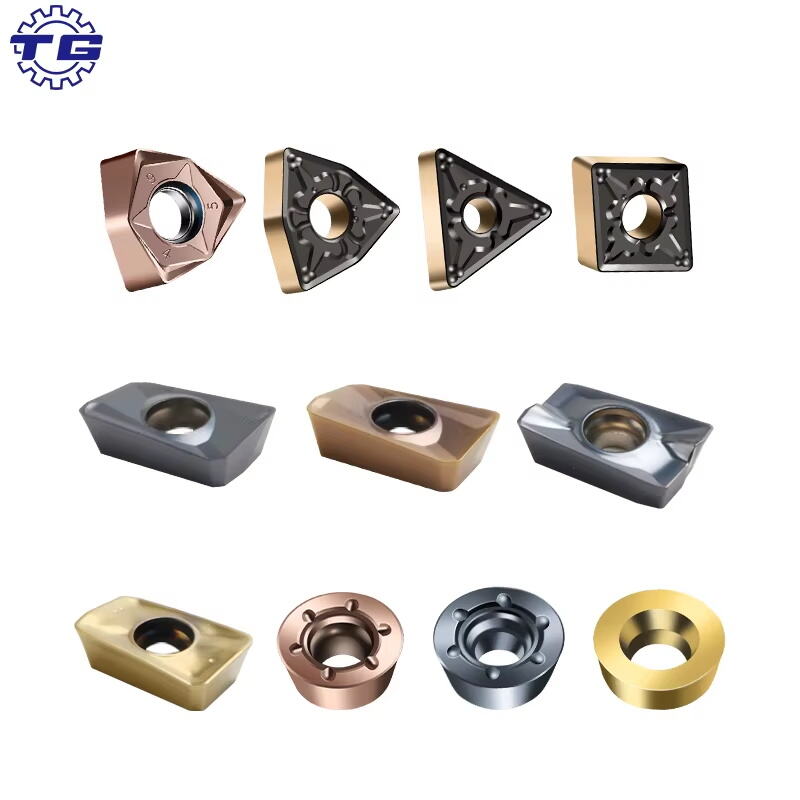
High-speed steel tools have become indispensable across numerous industrial sectors due to their exceptional hardness, heat resistance, and cutting performance. These specialized cutting implements maintain their sharpness and structural integrity even under extreme operating conditions, making them the preferred choice for precision machining applications where standard carbon steel tools would fail. Understanding which industries depend most heavily on these advanced cutting solutions reveals the critical role that high-speed steel tools play in modern manufacturing and production processes.
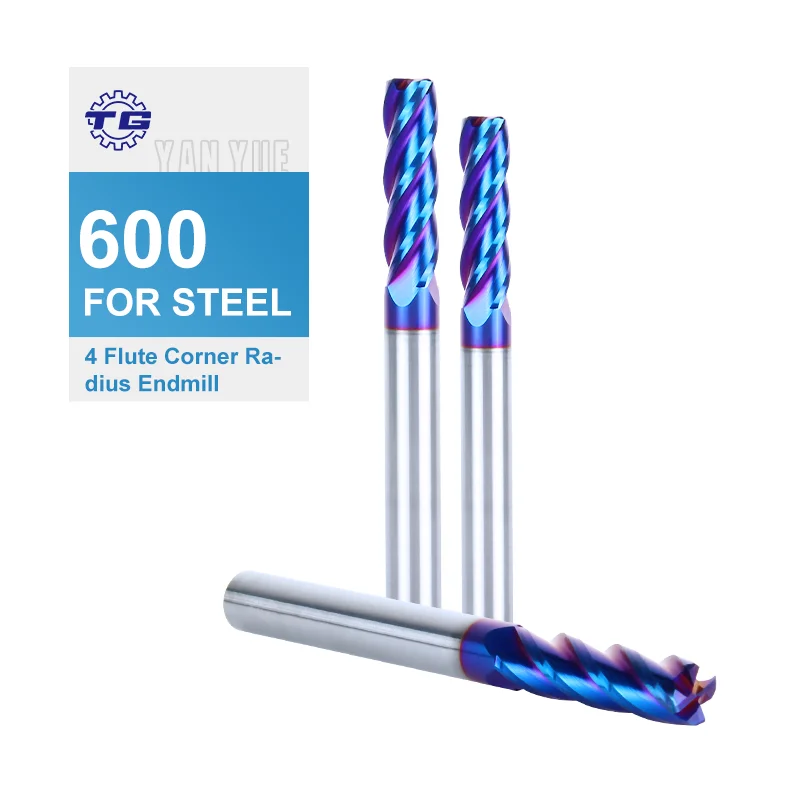
The widespread adoption of high-speed steel tools across diverse manufacturing sectors stems from their unique metallurgical properties that enable superior performance in demanding applications. From aerospace component fabrication to automotive part production, these tools deliver the precision and reliability that modern industrial operations require. The specific industries that rely most heavily on high-speed steel tools share common characteristics: they demand tight tolerances, work with challenging materials, and require consistent performance across high-volume production runs.
Aerospace and Defense Manufacturing
Critical Component Machining Requirements
The aerospace industry represents one of the largest consumers of high-speed steel tools due to the stringent requirements for precision component manufacturing. Aircraft engines, structural components, and landing gear systems require machining operations that can maintain tolerances within thousandths of an inch while working with exotic alloys and hardened materials. High-speed steel tools excel in these applications because they can withstand the high cutting speeds and feeds necessary for efficient production while maintaining dimensional accuracy.
Defense contractors particularly rely on high-speed steel tools for manufacturing weapons systems, armored vehicle components, and electronic housing units. These applications often involve machining titanium alloys, inconel, and other superalloys that generate significant heat during cutting operations. The heat resistance properties of high-speed steel tools enable continuous operation without tool degradation, ensuring consistent part quality throughout production runs.
Quality Standards and Certification Requirements
Aerospace manufacturing facilities must comply with rigorous quality standards such as AS9100 and NADCAP certifications, which mandate the use of cutting tools that can demonstrate consistent performance and traceability. High-speed steel tools meet these requirements through their predictable wear patterns and reliable cutting characteristics. The ability to maintain surface finish quality and dimensional stability throughout extended machining cycles makes these tools essential for aerospace production environments.
The documentation requirements in aerospace manufacturing also favor high-speed steel tools because their performance characteristics are well-established and extensively tested. Tool life predictions, cutting parameter optimization, and quality control procedures have been developed specifically around the known properties of high-speed steel cutting implements, streamlining the certification process for new manufacturing programs.
Automotive Manufacturing and Assembly
Engine Block and Transmission Production
Automotive manufacturers constitute another major industry segment that depends heavily on high-speed steel tools for critical production operations. Engine block machining, cylinder head preparation, and transmission case manufacturing require cutting tools that can handle the repetitive nature of high-volume production while maintaining consistent quality standards. High-speed steel tools provide the durability and edge retention necessary for these demanding applications, where tool changes can significantly impact production efficiency.
The machining of cast iron engine blocks presents particular challenges that high-speed steel tools are uniquely suited to address. The abrasive nature of cast iron, combined with the need for high material removal rates, creates operating conditions that quickly dull conventional cutting tools. High-speed steel tools maintain their cutting edge geometry throughout extended production runs, reducing downtime and maintaining consistent surface finishes on critical sealing surfaces.
Precision Machining of Drivetrain Components
Transmission manufacturing relies extensively on high-speed steel tools for gear cutting, shaft machining, and valve body preparation operations. These components require precise tooth profiles, accurate bearing surfaces, and smooth hydraulic passages that can only be achieved through consistent cutting tool performance. High-speed steel tools deliver the stability and precision necessary for these critical automotive components, ensuring proper fit and function in assembled transmissions.
The production of fuel injection components, turbocharger housings, and exhaust system parts also depends on high-speed steel tools for their ability to machine complex geometries in heat-resistant materials. These applications often involve interrupted cuts and varying material hardness conditions that would challenge lesser cutting tools, but high-speed steel implements maintain their performance throughout these demanding operations.
General Manufacturing and Job Shop Operations
Versatility in Multi-Material Applications
General manufacturing facilities and job shops represent a significant market for high-speed steel tools due to their versatility across diverse material types and machining operations. Unlike specialized production environments that focus on specific materials, general manufacturing operations must be capable of handling steel, aluminum, stainless steel, and various alloys within the same facility. High-speed steel tools provide the flexibility needed for this diverse workload while maintaining cost-effectiveness across multiple applications.
The ability of high-speed steel tools to perform effectively in both roughing and finishing operations makes them particularly valuable in job shop environments where setup time and tool inventory costs must be minimized. A single high-speed steel end mill can often handle multiple machining operations that would require several specialized tools, reducing complexity and improving operational efficiency for smaller manufacturing operations.
Cost-Effectiveness in Small to Medium Production Runs
Many manufacturing operations find high-speed steel tools to be the most economical choice for small to medium production runs where the higher initial cost of carbide tools cannot be justified by volume. High-speed steel tools offer excellent value in applications where tool life expectations align with production requirements, providing reliable performance without the premium cost associated with more exotic cutting tool materials.
The regrindability of high-speed steel tools adds another dimension of cost-effectiveness for general manufacturing operations. Unlike carbide tools that often require specialized regrinding services, many high-speed steel tools can be resharpened using standard grinding equipment, extending their useful life and reducing per-part tooling costs in smaller manufacturing environments.
Medical Device and Precision Instrument Manufacturing
Biocompatible Material Machining
The medical device industry relies heavily on high-speed steel tools for machining surgical instruments, implantable devices, and diagnostic equipment components. These applications often involve materials such as titanium, stainless steel, and specialized biocompatible alloys that require precise cutting conditions to maintain material properties and surface integrity. High-speed steel tools provide the controlled cutting action necessary to machine these sensitive materials without introducing stress concentrations or surface defects that could compromise device performance.
Surgical instrument manufacturing particularly benefits from the fine grain structure and uniform hardness of high-speed steel tools, which enable the production of sharp, durable cutting edges on scalpels, scissors, and other precision instruments. The ability to achieve mirror-like surface finishes while maintaining dimensional accuracy makes high-speed steel tools essential for producing medical devices that meet FDA requirements and international quality standards.
Micro-Machining and Miniaturization Requirements
The trend toward miniaturization in medical devices has created increased demand for high-speed steel tools capable of precision micro-machining operations. Components such as pacemaker housings, catheter fittings, and surgical robot components require machining operations that can maintain tolerances measured in micrometers while working with challenging materials. High-speed steel tools excel in these applications due to their ability to maintain sharp cutting edges at small diameters and their resistance to chipping under the light cutting loads typical of micro-machining operations.
The production of optical components for medical imaging equipment also relies on high-speed steel tools for their ability to produce the surface quality required for precision optics. These applications demand cutting tools that can generate surfaces with minimal subsurface damage while maintaining geometric accuracy throughout the machining process, requirements that high-speed steel tools consistently meet.
Tool and Die Manufacturing Industries
Mold and Die Production Requirements
Tool and die manufacturing represents a specialized sector that depends extensively on high-speed steel tools for producing injection molds, stamping dies, and forming tools. These applications require machining operations that can create complex three-dimensional surfaces with exceptional accuracy while working in hardened tool steels and other challenging materials. High-speed steel tools provide the combination of hardness and toughness necessary to machine these demanding materials while maintaining the fine detail required for high-quality molds and dies.
The production of plastic injection molds particularly benefits from high-speed steel tools due to their ability to create smooth surface finishes that transfer directly to molded parts. The polishability of surfaces machined with high-speed steel tools reduces secondary finishing operations and improves the overall quality of molded components, making these cutting tools essential for mold manufacturing operations.
Precision Tooling and Fixture Manufacturing
Manufacturing operations that produce precision tooling, gauges, and fixtures rely on high-speed steel tools for their ability to maintain dimensional accuracy while machining hardened materials. These applications often involve creating reference surfaces, locating features, and cutting edges that must meet stringent accuracy requirements throughout their service life. High-speed steel tools provide the stability and precision necessary for these critical manufacturing aids.
The versatility of high-speed steel tools in machining both soft and hardened materials makes them particularly valuable for tool and die operations where workpieces may undergo heat treatment between machining operations. The ability to machine both annealed and hardened tool steels with the same basic cutting tool reduces inventory requirements and simplifies production planning for tool manufacturing facilities.
FAQ
Which specific grades of high-speed steel tools are most commonly used in industrial applications?
The most widely used grades include M2, M35, M42, and T15 high-speed steel tools, each offering different balances of hardness, toughness, and heat resistance. M2 grade provides excellent general-purpose performance for most machining applications, while M35 and M42 grades offer enhanced cobalt content for improved heat resistance in high-speed operations. T15 grade delivers maximum hardness for the most demanding cutting applications but requires more careful handling due to reduced toughness.
How do high-speed steel tools compare to carbide tools in terms of industry preference?
High-speed steel tools remain preferred in industries where versatility, cost-effectiveness, and regrindability are prioritized over maximum cutting speeds. While carbide tools excel in high-volume production with consistent materials, high-speed steel tools offer better performance in applications involving interrupted cuts, varying material hardness, or situations where tool breakage costs are high. Many industries use both tool types strategically based on specific application requirements.
What maintenance and handling considerations are important for high-speed steel tools in industrial settings?
Proper storage in controlled humidity environments prevents corrosion, while regular inspection for edge wear and damage ensures optimal performance. High-speed steel tools benefit from appropriate cutting fluid application to manage heat generation and extend tool life. Regrinding services should maintain original tool geometry and surface finish specifications to preserve cutting performance throughout multiple sharpening cycles.
Are there emerging industries that are increasing their reliance on high-speed steel tools?
Renewable energy component manufacturing, electric vehicle battery housing production, and additive manufacturing support tooling represent growing markets for high-speed steel tools. These industries often require machining of new materials or complex geometries where the versatility and reliability of high-speed steel tools provide advantages over more specialized cutting tool materials. The trend toward reshoring manufacturing operations has also increased demand for versatile cutting tools that can handle diverse production requirements.
Table of Contents
- Aerospace and Defense Manufacturing
- Automotive Manufacturing and Assembly
- General Manufacturing and Job Shop Operations
- Medical Device and Precision Instrument Manufacturing
- Tool and Die Manufacturing Industries
-
FAQ
- Which specific grades of high-speed steel tools are most commonly used in industrial applications?
- How do high-speed steel tools compare to carbide tools in terms of industry preference?
- What maintenance and handling considerations are important for high-speed steel tools in industrial settings?
- Are there emerging industries that are increasing their reliance on high-speed steel tools?