carbide endmill
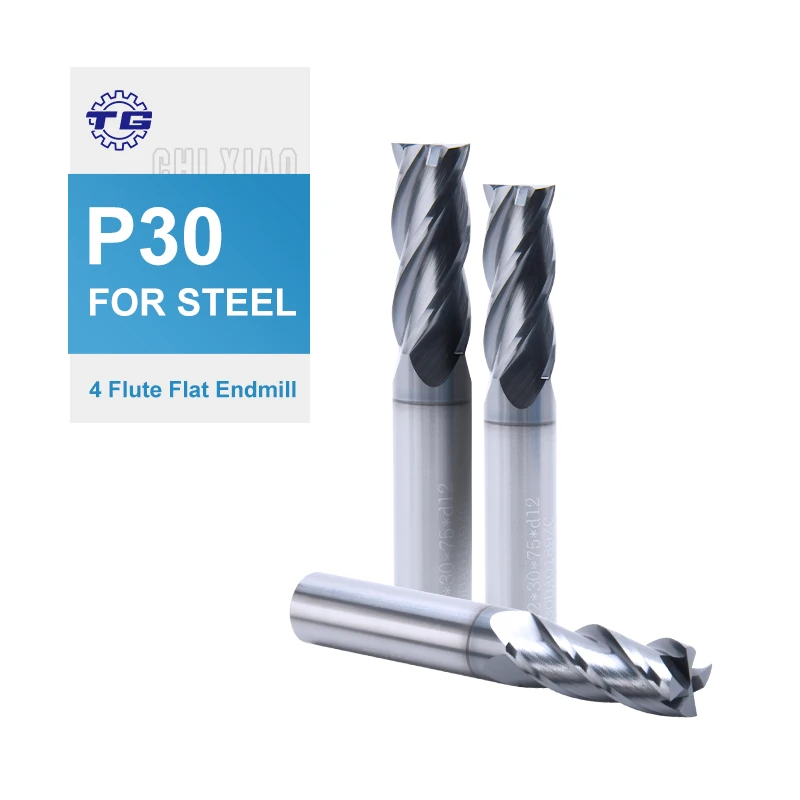
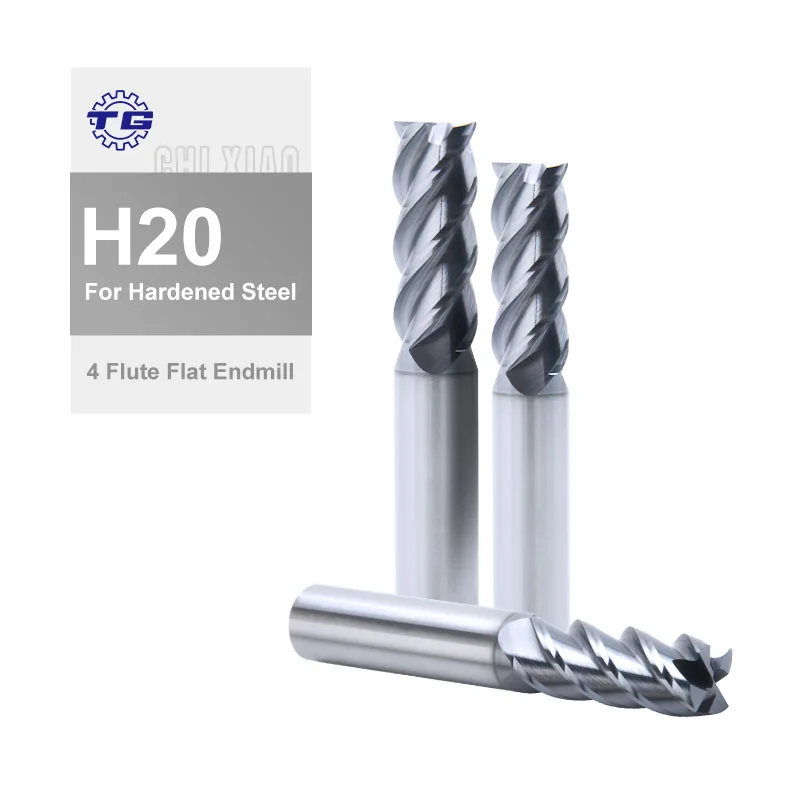
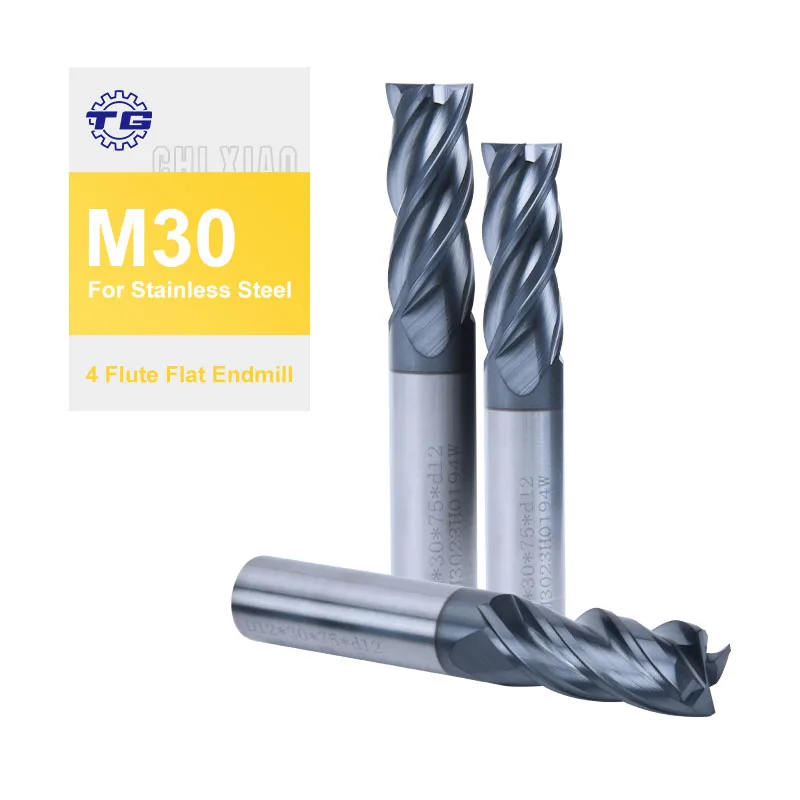
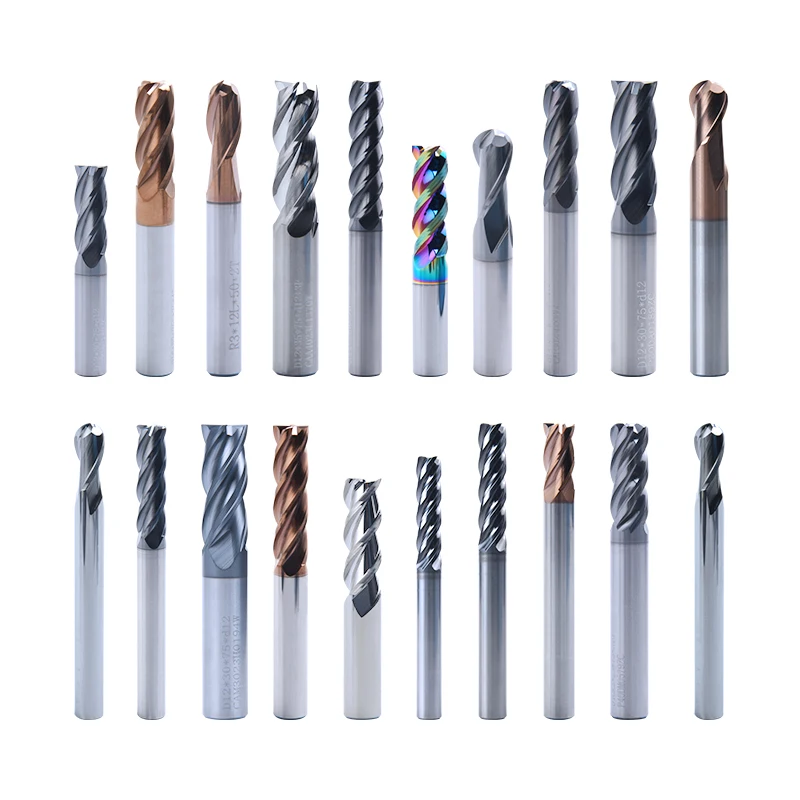
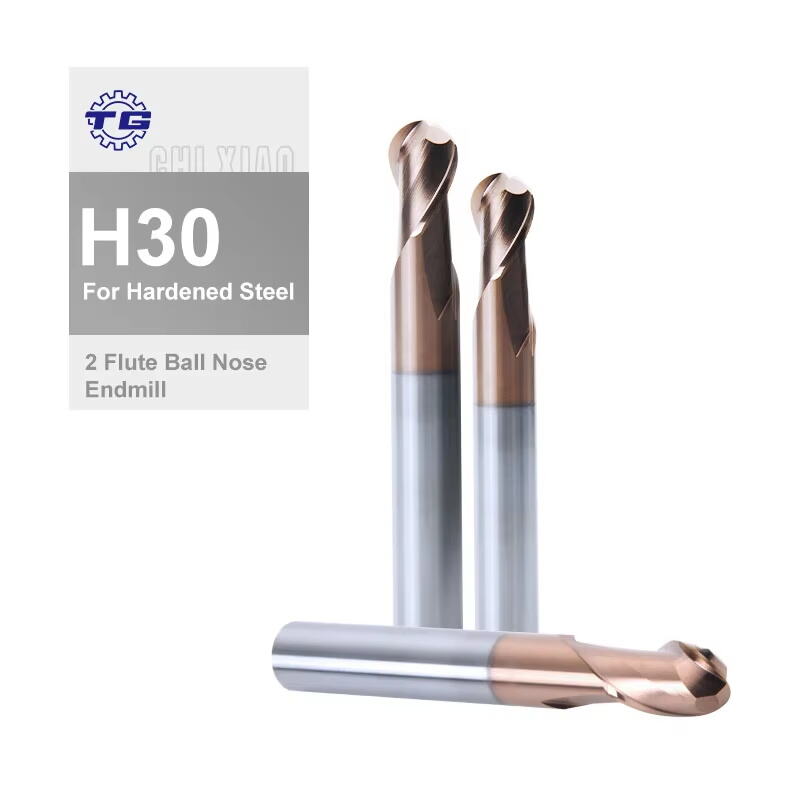
A carbide endmill represents a precision cutting tool engineered for modern machining operations across diverse manufacturing sectors. This rotating cutting instrument features multiple sharp edges designed to remove material from workpieces with exceptional accuracy and efficiency. Constructed from tungsten carbide, these endmills demonstrate superior hardness compared to traditional high-speed steel alternatives, making them indispensable for contemporary metalworking applications. The carbide endmill operates by rotating at high speeds while moving along various axes to create precise cuts, slots, pockets, and complex geometries in materials ranging from soft aluminum to hardened steel. Manufacturing facilities rely on these tools for operations including face milling, peripheral cutting, slotting, profiling, and contour machining. The technological composition involves combining tungsten carbide particles with cobalt binder through sintering processes, resulting in a material that maintains sharp cutting edges even under extreme temperatures and pressures. Modern carbide endmills incorporate advanced geometries including variable helix angles, optimized flute designs, and specialized coatings like titanium aluminum nitride or diamond-like carbon to enhance performance characteristics. These tools come in numerous configurations such as square end, ball nose, corner radius, and roughing styles, each serving specific machining purposes. The diameter range spans from miniature sizes below one millimeter to large-format tools exceeding several inches, accommodating both intricate detail work and heavy material removal tasks. Industries including aerospace, automotive, medical device manufacturing, mold making, and general fabrication depend on carbide endmills for producing components that meet stringent dimensional tolerances and surface finish requirements. The versatility of these cutting instruments extends to machining various materials including ferrous metals, non-ferrous alloys, plastics, composites, and even exotic superalloys used in demanding applications where conventional tooling fails to deliver satisfactory results.

 EN
EN