Contact me immediately if you encounter problems!

All Categories

carbide endmills

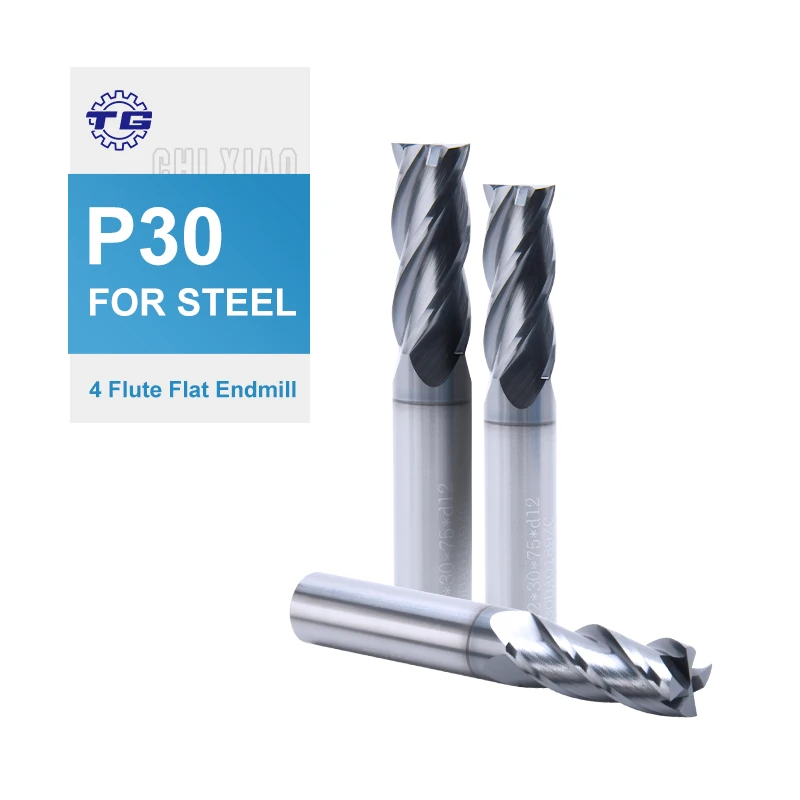
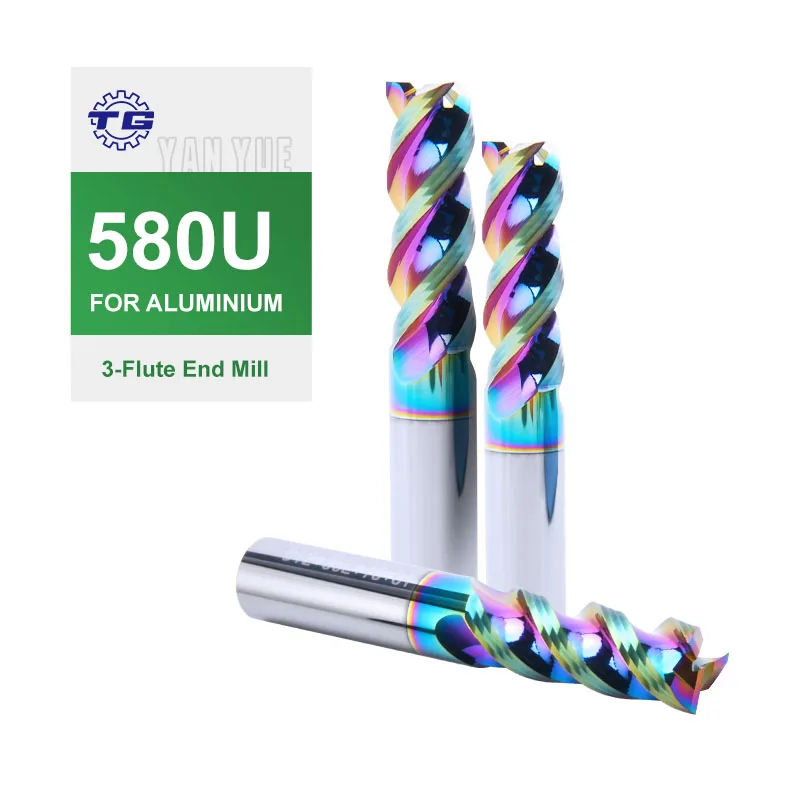
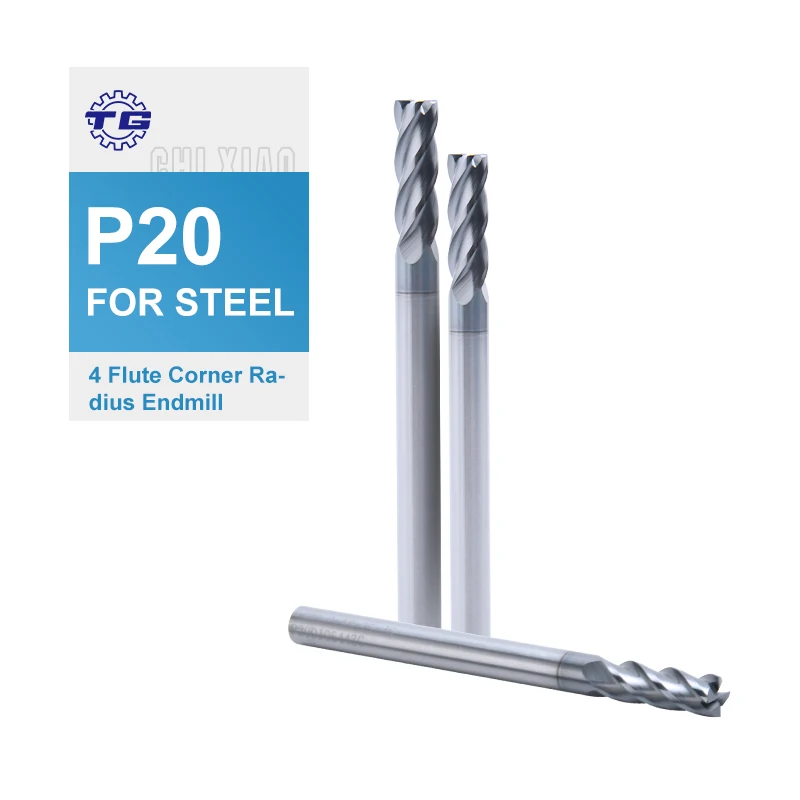
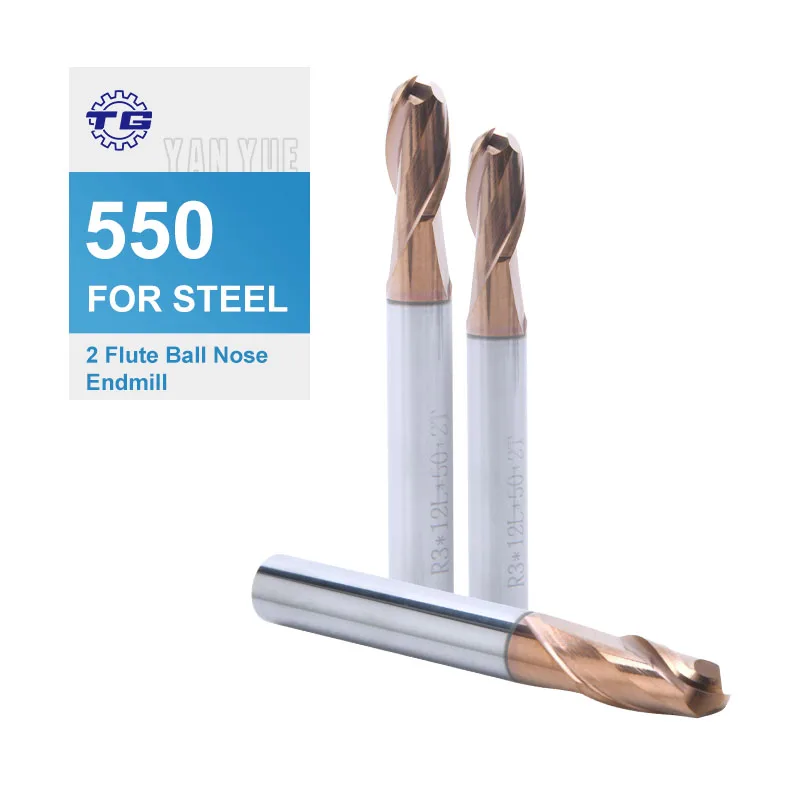
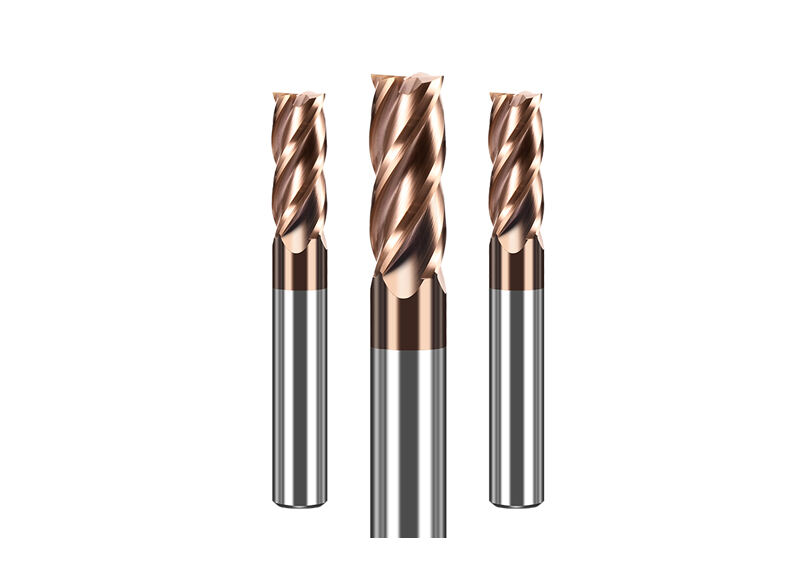
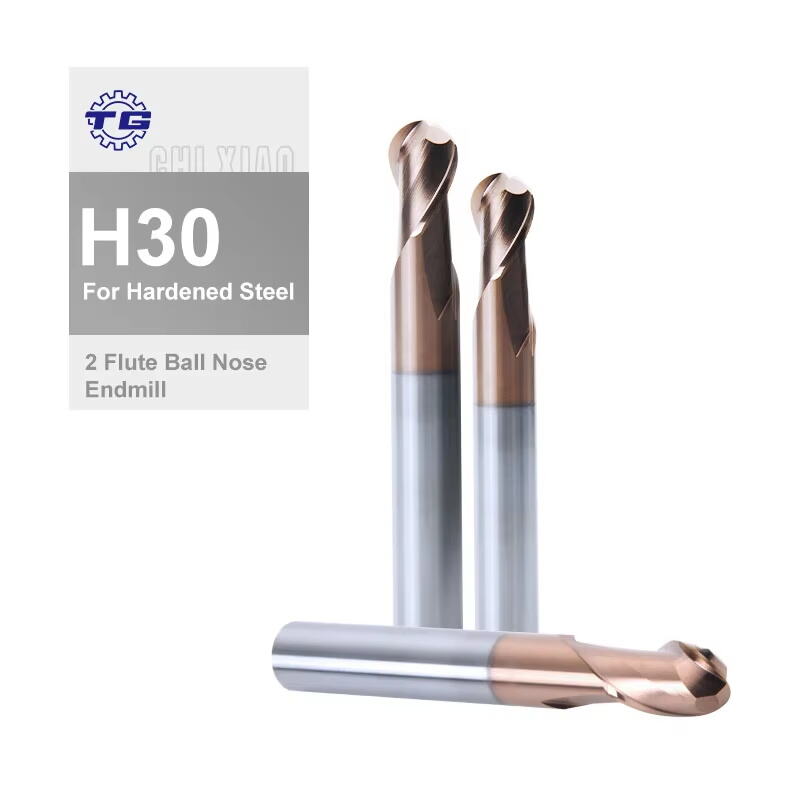
Carbide endmills represent a cornerstone of modern precision machining, delivering exceptional performance across diverse manufacturing operations. These cutting tools are engineered from tungsten carbide, a compound renowned for its extraordinary hardness and wear resistance, making them indispensable for professionals seeking superior metal removal capabilities. Carbide endmills excel in milling operations where material removal, surface finishing, and dimensional accuracy are paramount concerns for manufacturers and machinists alike. The primary functions of carbide endmills encompass slotting, profiling, contouring, and face milling across various materials including steel, stainless steel, aluminum, titanium, and exotic alloys. Their technological features include precisely ground flutes that efficiently evacuate chips while maintaining cutting edge integrity, advanced geometries optimized for specific materials, and specialized coatings that enhance performance characteristics. The manufacturing process involves sintering tungsten carbide powder with cobalt binders at extreme temperatures, creating a material matrix that achieves hardness levels approaching diamond while maintaining sufficient toughness to resist fracture under cutting forces. Modern carbide endmills incorporate multiple technological advancements such as variable helix angles that reduce harmonic vibrations, unequal indexing that minimizes chatter, and micro-grain carbide substrates that provide enhanced edge sharpness. Applications span aerospace component fabrication, automotive parts production, medical device manufacturing, die and mold making, general engineering shops, and prototype development facilities. The versatility of carbide endmills makes them suitable for both roughing operations where maximum material removal rates are desired and finishing operations where surface quality and dimensional precision are critical. These tools accommodate various machining strategies including conventional milling, climb milling, high-speed machining, and high-efficiency milling techniques that optimize productivity while extending tool life and reducing manufacturing costs for businesses of all sizes.


Popular Products

Choosing carbide endmills for your machining operations delivers tangible benefits that directly impact your bottom line and production capabilities. The first major advantage centers on longevity and durability, as these tools maintain sharp cutting edges far longer than high-speed steel alternatives, meaning fewer tool changes during production runs and reduced downtime that keeps your machines running productively. This extended tool life translates into lower tooling costs per part, making your manufacturing process more economical even though the initial investment in carbide endmills may be higher. The superior hardness of carbide material enables you to machine harder workpiece materials that would quickly dull conventional tools, expanding your capability to accept more challenging projects and diversify your customer base. Carbide endmills permit significantly faster cutting speeds compared to other tool materials, allowing you to complete jobs in less time and increase throughput without compromising quality, which means you can fulfill more orders and grow your revenue potential. The heat resistance of carbide becomes particularly valuable during aggressive machining operations where temperatures at the cutting zone can reach extreme levels, as these tools maintain their hardness and cutting ability where other materials would soften and fail. You will notice improved surface finishes on your machined parts because carbide endmills maintain consistent edge sharpness throughout their service life, reducing the need for secondary finishing operations and saving both time and labor costs. The rigidity of carbide material resists deflection under cutting forces better than softer tool materials, enabling you to achieve tighter tolerances and more accurate dimensions consistently, which is essential when manufacturing precision components with strict specifications. Modern carbide endmills with advanced coatings provide additional protection against wear, built-up edge formation, and oxidation, further extending tool life while enabling dry or minimal lubrication machining that eliminates coolant costs and environmental concerns. These tools work effectively across a broad range of materials from soft aluminum to hardened steels, reducing the variety of tools you need to stock and simplifying inventory management. The predictable wear patterns of carbide endmills allow you to plan tool changes strategically rather than dealing with unexpected failures that disrupt production schedules. When you factor in the combination of longer tool life, faster cutting speeds, improved part quality, expanded material capabilities, and reduced downtime, carbide endmills represent a smart investment that enhances productivity while lowering your overall manufacturing costs, making your operation more competitive in demanding markets.

Practical Tips

What is high speed steel and how does it work?

30

Dec

What is high speed steel and how does it work?

High speed steel represents one of the most significant innovations in metallurgy and machining technology. This specialized alloy has revolutionized manufacturing processes across countless industries, enabling precision cutting operations at speeds...
View More
What Types of Milling Cutter Tools Are Best for Different Materials?

28

Feb

What Types of Milling Cutter Tools Are Best for Different Materials?

Modern manufacturing relies heavily on precision machining to create complex components across various industries. The selection of appropriate milling cutter tools forms the cornerstone of successful CNC operations, directly impacting surface finish...
View More
Why Advanced Holemaking Methods Improve Product Quality

31

Mar

Why Advanced Holemaking Methods Improve Product Quality

Manufacturing precision directly correlates with product quality, and nowhere is this relationship more evident than in holemaking operations. Advanced holemaking methods represent a significant evolution from traditional drilling techniques, offerin...
View More
What Safety Measures Are Essential in Holemaking Operations?

31

Mar

What Safety Measures Are Essential in Holemaking Operations?

Holemaking operations represent one of the most fundamental yet potentially hazardous processes in manufacturing environments. These operations involve creating precise holes in various materials using drilling, reaming, boring, and related machining...
View More

Get a Free Quote

Our representative will contact you soon.
Email
Mobile
Name
Company Name
Message
0/1000

carbide endmills

Exceptional Hardness and Wear Resistance for Extended Tool Life

Exceptional Hardness and Wear Resistance for Extended Tool Life

The fundamental characteristic that sets carbide endmills apart from alternative cutting tools is their exceptional hardness, which directly translates into remarkable wear resistance and extended service life in production environments. Tungsten carbide achieves hardness ratings between 1500 and 2000 on the Vickers scale, approaching the hardness of diamond and dramatically exceeding high-speed steel tools that typically measure around 800 Vickers. This superior hardness means the cutting edges of carbide endmills resist abrasive wear from workpiece materials, maintaining their sharpness through thousands of linear inches of cutting before requiring replacement. For manufacturing operations, this longevity delivers multiple practical benefits that improve operational efficiency. You will spend less time changing tools during production runs, which means your machines remain in active cutting mode rather than sitting idle during tool changes, directly increasing the productive capacity of your equipment investment. The extended tool life also reduces your tooling budget per manufactured part, as a single carbide endmill can often complete the work of multiple high-speed steel tools before reaching the end of its useful life. This becomes particularly significant in high-volume production scenarios where tooling costs accumulate rapidly. The wear resistance of carbide endmills remains consistent even when machining abrasive materials or difficult-to-machine alloys that would quickly destroy softer cutting tools. In aerospace and medical device manufacturing where exotic materials like titanium alloys, Inconel, and hardened stainless steels are common, carbide endmills provide the durability necessary to machine these challenging materials economically. The hardness of carbide material also enables manufacturers to apply advanced surface coatings such as titanium aluminum nitride, titanium carbonitride, and diamond-like carbon, which further enhance wear resistance and extend tool life beyond uncoated carbide performance. These coatings bond effectively to the hard carbide substrate, creating a cutting tool that combines the toughness of the carbide body with the extreme surface hardness of the coating layer. The result is a cutting tool capable of withstanding the thermal and mechanical stresses of aggressive machining operations while maintaining dimensional accuracy and surface finish quality throughout its extended service life, providing manufacturers with reliable performance and predictable tool replacement intervals that facilitate efficient production planning.
High-Speed Cutting Capability for Maximum Productivity

High-Speed Cutting Capability for Maximum Productivity

Carbide endmills unlock dramatically higher cutting speeds compared to traditional tool materials, enabling manufacturers to achieve maximum productivity and reduce cycle times across their machining operations. The ability of carbide to maintain hardness at elevated temperatures, a property known as hot hardness, allows these tools to operate at cutting speeds that would cause high-speed steel tools to soften and fail within seconds. This thermal stability means you can program your CNC machines to run at optimal spindle speeds and feed rates that fully utilize machine capabilities rather than being limited by tool material constraints. When machining aluminum alloys, carbide endmills commonly operate at surface speeds exceeding 1000 feet per minute, while even in harder materials like steel or stainless steel, speeds of 300 to 600 feet per minute are achievable depending on specific conditions. These elevated cutting speeds translate directly into shorter machining times for each part, allowing you to complete more parts per shift and increase the return on your machine tool investment. The productivity gains become particularly significant in production environments where the same part is manufactured repeatedly, as even modest reductions in cycle time multiply into substantial time savings across thousands of parts. High-speed machining with carbide endmills also generates smaller chip loads that can improve surface finish quality while reducing cutting forces that might deflect thin-walled workpieces or stress delicate fixture setups. Modern CNC machine tools are specifically designed to capitalize on the high-speed capabilities of carbide endmills, featuring high-speed spindles, rapid traverse rates, and advanced control systems that coordinate tool motion precisely at these elevated speeds. The combination of carbide tool technology and modern machine tool capabilities enables advanced machining strategies such as high-efficiency milling where shallow depth of cut and high feed rates create optimal chip loads that maximize material removal while managing tool wear effectively. You will find that the faster cutting speeds possible with carbide endmills also reduce the time workpieces spend under cutting forces, which can minimize heat accumulation in temperature-sensitive materials and reduce the risk of thermal distortion in precision components. The productivity advantages of high-speed cutting with carbide endmills extend beyond simple time savings, encompassing improved part quality, enhanced machine utilization, and the ability to meet aggressive delivery schedules that satisfy customer expectations and maintain competitive advantage in fast-paced manufacturing markets.
Versatile Material Compatibility for Diverse Applications

Versatile Material Compatibility for Diverse Applications

The versatility of carbide endmills in handling an extensive range of workpiece materials makes them invaluable assets for manufacturing facilities that process diverse materials or seek to expand their machining capabilities. Unlike specialized cutting tools designed for narrow material ranges, carbide endmills demonstrate effective performance across the spectrum from soft non-ferrous metals like aluminum and brass to extremely hard materials including tool steels, titanium alloys, and nickel-based superalloys. This broad material compatibility means you can standardize on carbide tooling rather than maintaining separate inventory systems for different tool materials, simplifying procurement, storage, and tool management while reducing the capital tied up in tooling inventory. When machining aluminum, carbide endmills with polished flutes and sharp cutting edges efficiently clear the soft, sticky chips that aluminum produces while delivering excellent surface finishes that often eliminate secondary polishing operations. For steel machining applications, carbide endmills provide the combination of hardness and toughness necessary to withstand interrupted cuts, handle scale on rough castings, and maintain dimensional accuracy through long production runs. The ability to machine stainless steel, notorious for its work-hardening characteristics and tendency to generate heat during cutting, becomes manageable with carbide endmills that resist softening at elevated temperatures and maintain cutting edge integrity despite the challenging conditions. In aerospace and medical manufacturing sectors where titanium alloys offer exceptional strength-to-weight ratios but present significant machining challenges, carbide endmills with appropriate geometries and coatings enable economical production of complex components from these valuable materials. Tool and die makers working with hardened steels rely on carbide endmills to machine intricate forms and fine details in materials that have been heat-treated to high hardness levels, applications where softer cutting tools would be completely ineffective. The material versatility of carbide endmills also accommodates emerging materials and specialized alloys as industries develop new materials with enhanced properties, ensuring your tooling investment remains relevant as manufacturing technology evolves. Different grades of carbide material and various coating options allow you to optimize tool selection for specific material families, with fine-grain carbide substrates providing enhanced wear resistance for abrasive materials while tougher carbide grades resist chipping when machining interrupted surfaces or materials with hard inclusions. This adaptability means that whether you operate a general job shop handling diverse customer requirements or a specialized facility focused on specific material families, carbide endmills provide the reliable performance and material compatibility necessary to meet your machining challenges efficiently and economically while maintaining the quality standards your customers expect.
carbide endmills-0
carbide endmills-1

Get a Free Quote

Our representative will contact you soon.
Email
Mobile
Name
Company Name
Message
0/1000