
 EN
EN
Selecting the right cutting tool for machining operations is crucial for achieving optimal performance, surface finish, and tool longevity. The choice between carbide and high-speed steel (HSS) end mill cutters significantly impacts manufacturing efficiency, cost-effectiveness, and final product quality. Understanding the fundamental differences between these two materials helps manufacturers make informed decisions that align with their specific machining requirements and budget constraints.
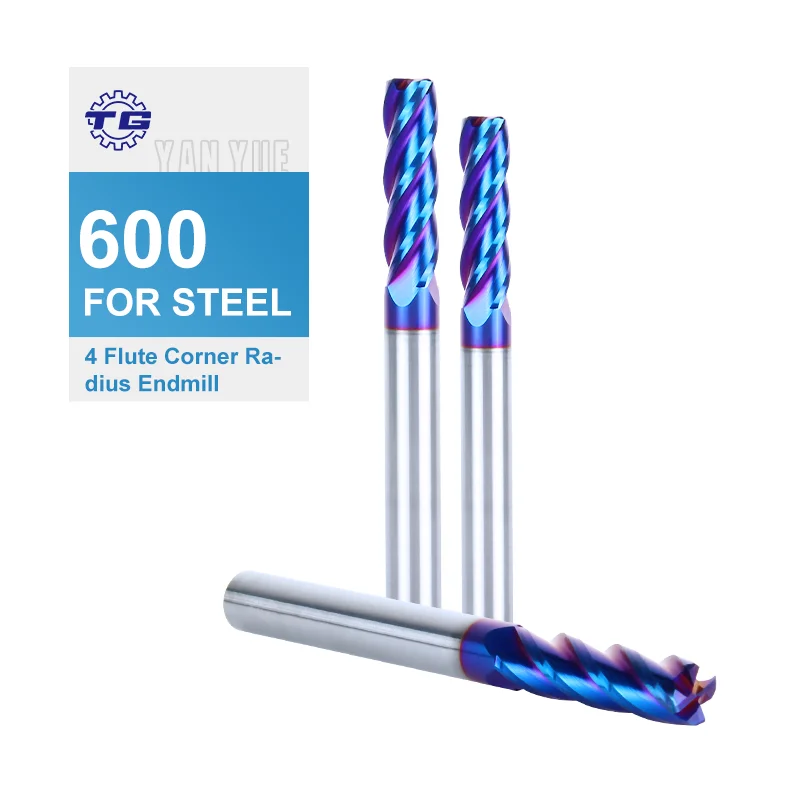
Modern manufacturing environments demand precision tooling solutions that deliver consistent results across various materials and applications. The evolution of cutting tool technology has led to significant improvements in both carbide and HSS end mill designs, each offering distinct advantages for specific machining scenarios. Professional machinists and engineers must evaluate multiple factors including workpiece material, cutting parameters, production volume, and economic considerations when selecting the appropriate end mill for their applications.
Understanding Carbide End Mill Technology
Composition and Material Properties
Carbide end mills are manufactured from tungsten carbide powder combined with cobalt binder, creating an extremely hard and wear-resistant cutting tool. This composition provides exceptional hardness ratings typically ranging from 88-95 HRA, significantly higher than HSS alternatives. The dense microstructure of carbide allows for sharp cutting edges that maintain their geometry under high-stress machining conditions, resulting in superior surface finishes and dimensional accuracy.
The thermal conductivity properties of carbide end mills enable effective heat dissipation during high-speed machining operations. This characteristic prevents thermal damage to both the cutting tool and workpiece material, extending tool life and maintaining consistent cutting performance. Advanced carbide grades incorporate grain refinement techniques and specialized coatings that further enhance wear resistance and reduce friction at the cutting interface.
Performance Characteristics in Machining
Carbide end mills excel in high-speed machining applications where cutting velocities exceed traditional HSS capabilities. These tools maintain cutting edge integrity at temperatures that would cause HSS tools to lose hardness and fail prematurely. The superior rigidity of carbide construction minimizes tool deflection during heavy cutting operations, enabling precise dimensional control and reduced surface roughness in finished components.
The excellent abrasion resistance of carbide end mills makes them particularly effective for machining abrasive materials such as cast iron, hardened steels, and composite materials. Their ability to maintain sharp cutting edges throughout extended machining cycles reduces the frequency of tool changes, improving overall productivity and reducing labor costs associated with setup and changeover operations.
High-Speed Steel End Mill Applications
Material Composition and Advantages
High-speed steel end mills are manufactured from alloy steel containing tungsten, molybdenum, chromium, and vanadium, providing a balance of hardness, toughness, and heat resistance. The typical hardness range of HSS tools falls between 62-67 HRC, offering sufficient cutting performance for many machining applications while maintaining superior toughness compared to carbide alternatives. This material composition allows HSS end mills to withstand shock loads and interrupted cutting conditions without fracturing.
The ductility of HSS enables these cutting tools to absorb impact forces during challenging machining operations, making them ideal for applications involving variable cutting loads or unstable workpiece setups. Modern HSS end mills often incorporate advanced heat treatment processes and surface coatings that enhance their performance characteristics while maintaining the fundamental toughness advantages of the base material.
Optimal Applications and Use Cases
HSS end mills demonstrate superior performance in machining softer materials such as aluminum alloys, brass, plastics, and low-carbon steels where the extreme hardness of carbide is not required. These applications benefit from the toughness and shock resistance of HSS construction, particularly in situations where cutting conditions are less than ideal or when machining interrupted surfaces with varying material thickness.
General purpose machining operations, prototype development, and low-volume production runs often favor HSS end mill solutions due to their cost-effectiveness and versatility. The ability to resharpen HSS tools multiple times extends their useful life and reduces per-part tooling costs in situations where high-volume production is not the primary concern.
Performance Comparison in Different Materials
Machining Ferrous Materials
When machining steel alloys and cast iron components, carbide end mills typically provide superior performance due to their ability to maintain cutting edge geometry at higher temperatures and cutting speeds. The hardness advantage of carbide becomes particularly evident when processing hardened steels above 35 HRC, where HSS tools experience rapid wear and require frequent replacement. Carbide tools can operate at cutting speeds 3-5 times higher than HSS alternatives in these applications.
However, HSS end mills remain competitive in machining softer steels and when dealing with interrupted cuts or unstable setups where tool breakage is a concern. The toughness of HSS construction provides insurance against catastrophic failure in challenging machining environments, making them suitable for roughing operations and situations where cutting parameters cannot be precisely controlled.
Non-Ferrous Material Processing
Aluminum machining presents unique challenges that favor different end mill materials depending on specific application requirements. HSS tools often perform well in aluminum applications due to the material's relatively low cutting forces and the potential for built-up edge formation that can occur with certain carbide grades. The sharp cutting edges achievable with HSS construction help prevent material adhesion and produce excellent surface finishes in aluminum components.
Carbide end mills with specialized geometries and coatings designed for non-ferrous applications can achieve exceptional productivity in high-volume aluminum machining operations. These tools enable aggressive cutting parameters and extended tool life when properly applied, justifying their higher initial cost through increased material removal rates and reduced cycle times.
Economic Considerations and Cost Analysis
Initial Investment and Tool Costs
The initial purchase price of carbide end mills typically exceeds HSS alternatives by factors of 3-10 times, depending on tool size, complexity, and coating specifications. This significant cost differential requires careful analysis of total cost of ownership rather than simple tool price comparison. High-volume production environments often justify carbide tool investment through increased productivity and extended tool life, while low-volume operations may find HSS tools more economically attractive.
Tool inventory management considerations also influence material selection decisions. The higher unit cost of carbide end mills requires larger capital investments in tooling inventory, while the ability to resharpen HSS tools can reduce inventory requirements and provide flexibility in tool management strategies. Organizations must balance these factors against production requirements and cash flow considerations.
Productivity and Lifecycle Costs
Total cost analysis must include factors beyond initial tool purchase price, including machining time, setup costs, tool change frequency, and quality considerations. Carbide end mills often demonstrate superior cost-effectiveness in high-volume production due to their extended tool life and ability to maintain dimensional accuracy throughout their cutting life. The reduced frequency of tool changes minimizes production interruptions and associated labor costs.
HSS end mills may provide better economic value in applications where their performance characteristics match application requirements and where their lower initial cost and resharpening capability offset their reduced cutting performance. Job shops and prototype manufacturers often benefit from the flexibility and lower capital investment associated with HSS tooling solutions.
Cutting Parameters and Operating Conditions
Speed and Feed Optimization
Carbide end mills enable significantly higher cutting speeds and feed rates compared to HSS alternatives, particularly in harder materials where their superior heat resistance and wear characteristics provide clear advantages. Typical cutting speeds for carbide tools range from 200-2000 surface feet per minute depending on material and application, while HSS tools generally operate effectively at 50-300 surface feet per minute in similar conditions.
The ability to operate at higher parameters translates directly to increased productivity and reduced cycle times in production environments. However, achieving these benefits requires appropriate machine tool capabilities, including adequate spindle power, rigidity, and coolant systems to support the higher cutting forces and heat generation associated with aggressive machining parameters.
Coolant and Lubrication Requirements
Effective coolant application becomes increasingly critical when operating carbide end mills at their full performance potential. High-pressure coolant systems help manage the increased heat generation and provide chip evacuation in high-volume metal removal applications. The investment in appropriate coolant systems must be factored into the total cost analysis when evaluating carbide versus HSS tooling options.
HSS end mills often perform adequately with conventional flood coolant or even dry machining conditions in appropriate applications. This reduced infrastructure requirement can represent a significant cost advantage in smaller machining operations or when processing materials that do not require aggressive cutting parameters to achieve acceptable productivity levels.
Tool Selection Guidelines and Best Practices
Application-Specific Selection Criteria
Successful end mill selection requires systematic evaluation of multiple factors including workpiece material hardness, production volume requirements, available machine tool capabilities, and quality specifications. Carbide tools generally provide optimal solutions for high-volume production, hard materials, and applications requiring tight dimensional tolerances and superior surface finishes. Their performance advantages justify higher tool costs in these demanding applications.
HSS end mills remain the preferred choice for applications involving softer materials, interrupted cutting conditions, or situations where tool breakage costs exceed the productivity benefits of carbide construction. The superior toughness of HSS provides valuable insurance against unexpected machining conditions and reduces the risk of catastrophic tool failure in challenging environments.
Machine Tool Compatibility
The performance potential of carbide end mills can only be realized on machine tools with adequate rigidity, spindle power, and precision to support high-speed machining operations. Older or less capable machines may not provide the stability required to achieve carbide tool performance benefits, making HSS alternatives more appropriate for these installations. Machine tool assessment should precede end mill material selection to ensure compatibility.
Tool holding systems and spindle interfaces must also provide adequate grip strength and concentricity to support the higher cutting forces and speeds associated with carbide end mill applications. Investment in appropriate toolholding technology may be required to fully realize the performance potential of premium cutting tools.
FAQ
What cutting speeds should I use for carbide versus HSS end mills
Carbide end mills can typically operate at cutting speeds 3-5 times higher than HSS tools in similar materials. For steel machining, carbide tools often run at 500-1500 surface feet per minute while HSS tools perform best at 100-300 surface feet per minute. Always consult manufacturer recommendations and adjust based on your specific machine capabilities and material conditions.
Can HSS end mills be resharpened and how many times
Yes, HSS end mills can typically be resharpened 5-8 times depending on the original tool geometry and amount of material removed during each sharpening cycle. This capability provides significant cost advantages in appropriate applications. Carbide tools can also be resharpened but generally fewer times due to their brittle nature and the specialized equipment required for carbide grinding.
Which end mill material works better for aluminum machining
Both materials can work well in aluminum applications. HSS end mills often provide excellent surface finishes and help prevent built-up edge formation due to their sharp cutting edges. Carbide tools with appropriate geometries and coatings can achieve higher productivity through increased cutting speeds and feeds. The choice depends on production volume, surface finish requirements, and economic considerations.
How do I know when to replace my end mill
Replace end mills when you notice increased cutting forces, poor surface finish, dimensional inaccuracy, excessive heat generation, or visible wear on cutting edges. Carbide tools often maintain performance until near the end of their life then fail rapidly, while HSS tools typically show gradual performance degradation. Establish replacement criteria based on your quality requirements and monitor tools accordingly.