Contact me immediately if you encounter problems!

All Categories

end mill cutter carbide

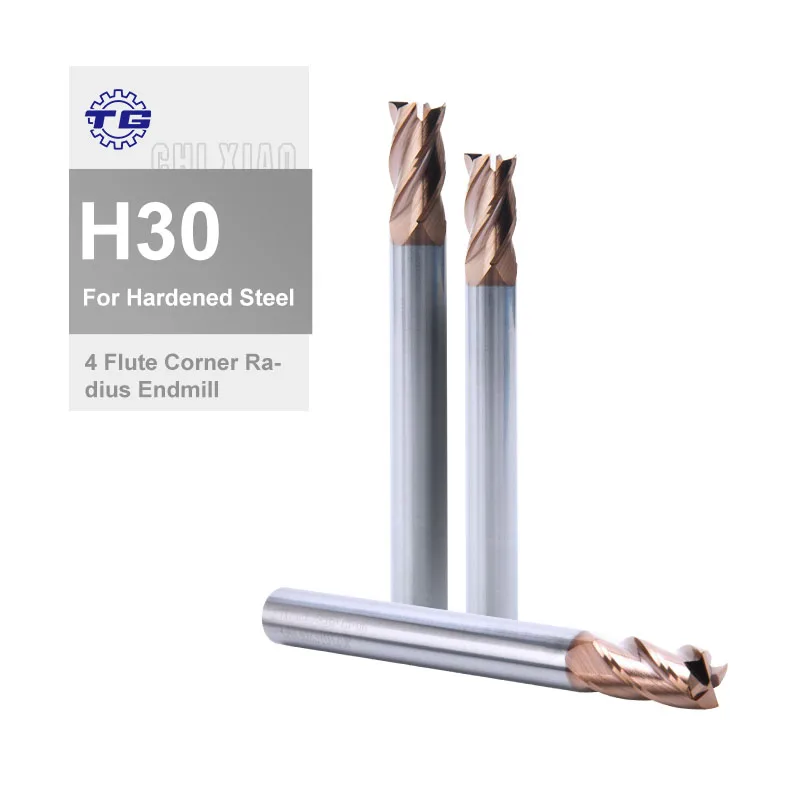
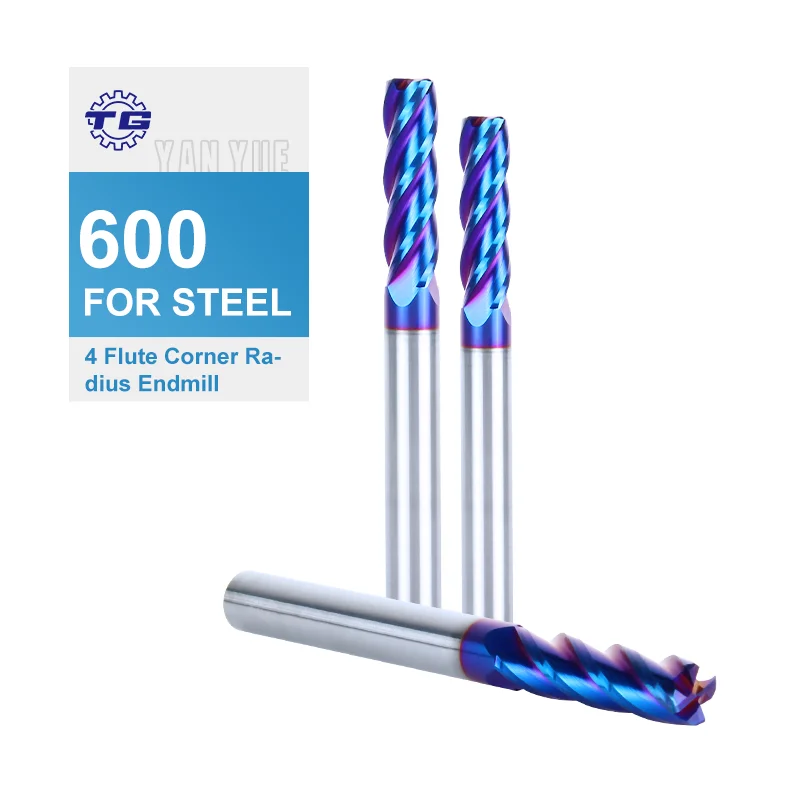
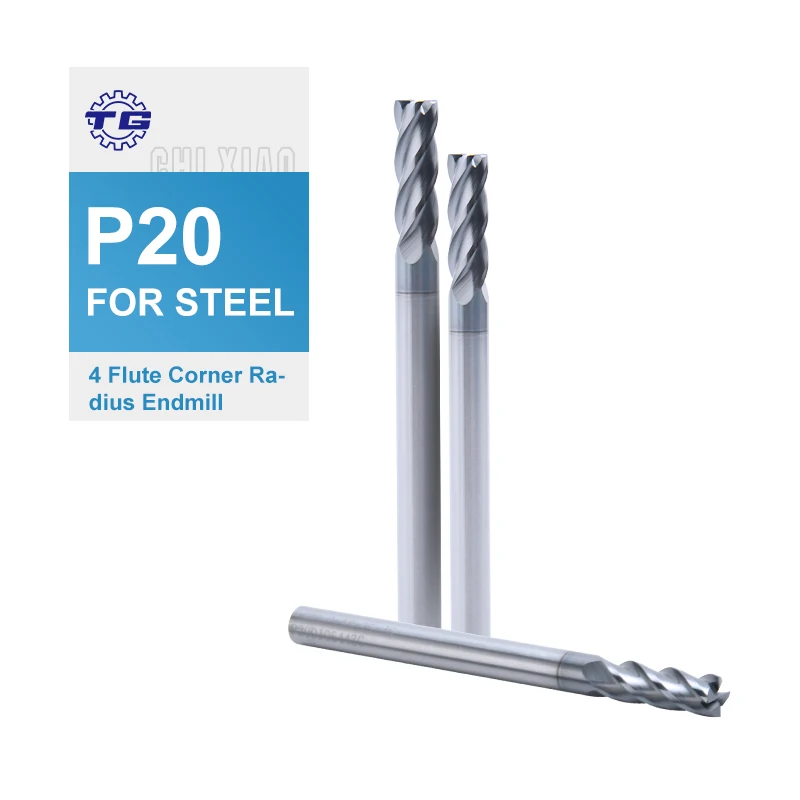
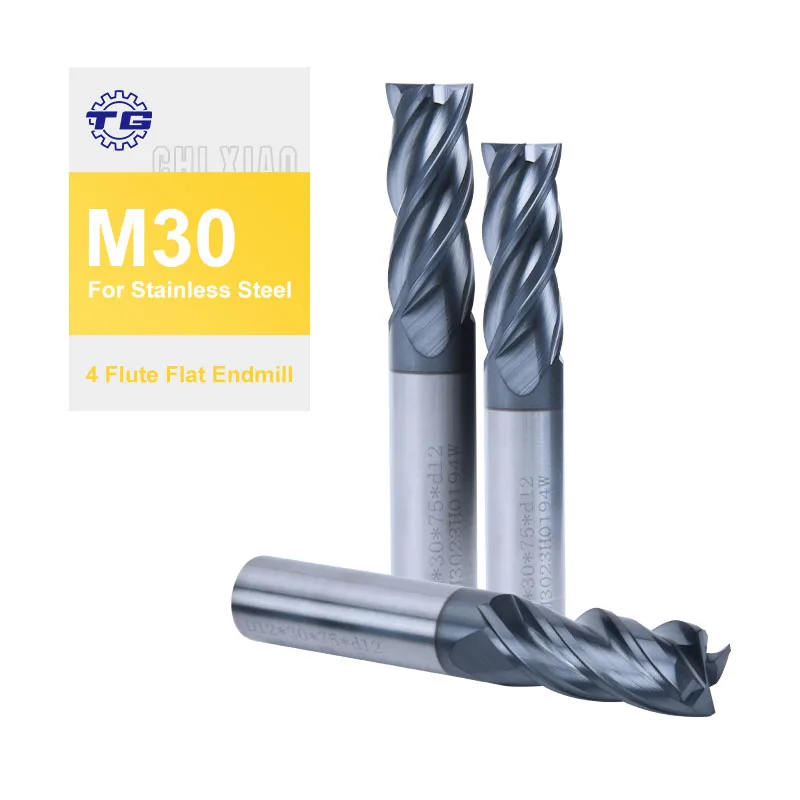
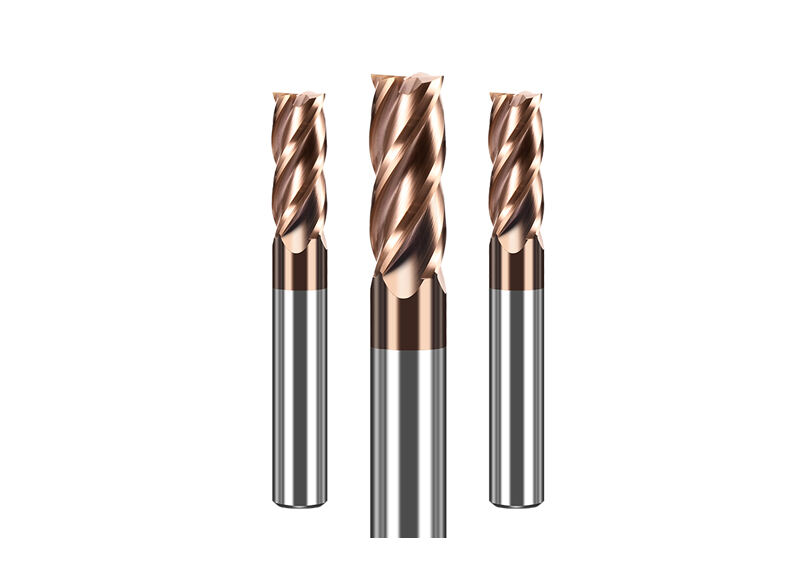
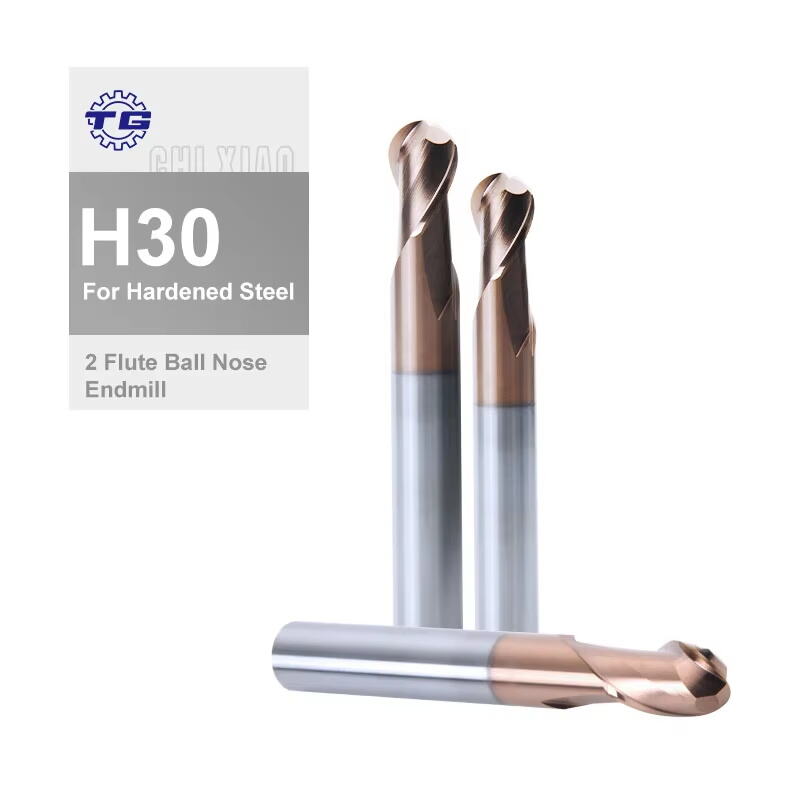
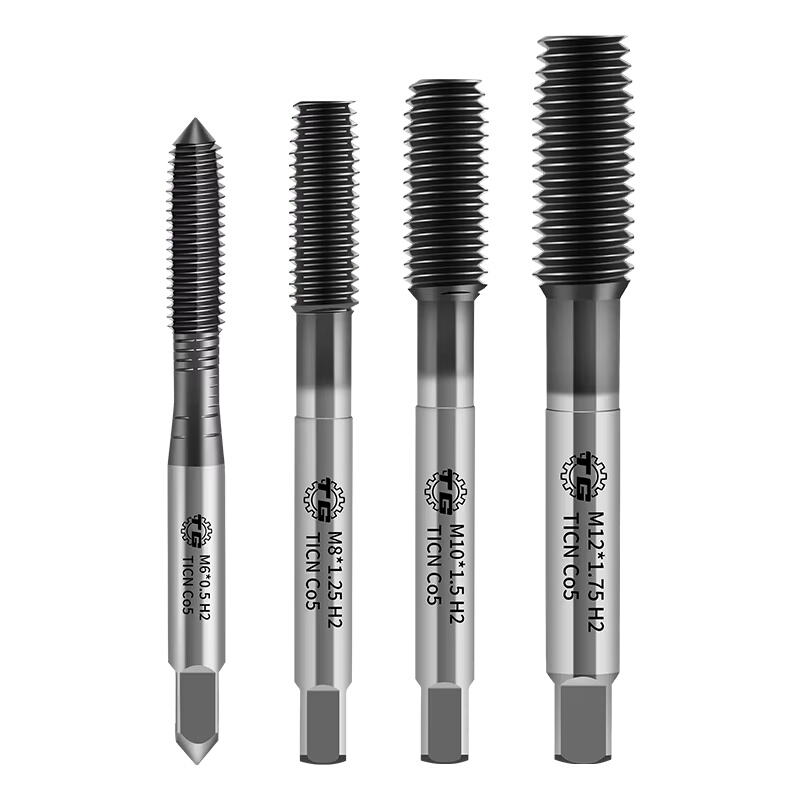
An end mill cutter carbide represents a precision cutting tool manufactured from carbide materials, designed specifically for milling operations in metalworking and manufacturing environments. This sophisticated tool combines tungsten carbide particles with metallic binders to create an exceptionally hard and durable cutting instrument capable of withstanding extreme temperatures and pressures during machining processes. The end mill cutter carbide functions primarily to remove material from workpieces through rotational cutting actions, creating precise shapes, slots, pockets, and contours in various materials including steel, aluminum, titanium, and composite materials. The technological features of this cutting tool include multiple cutting edges positioned around the circumference and tip, allowing for versatile cutting approaches including peripheral milling, slot cutting, profiling, and plunging operations. Modern end mill cutter carbide designs incorporate advanced geometries such as variable helix angles, optimized rake angles, and specialized flute configurations that enhance chip evacuation and reduce cutting forces. The carbide composition typically consists of 70-97 percent tungsten carbide particles bonded with cobalt or nickel, resulting in a material hardness rating between 1500-2000 on the Vickers scale. This exceptional hardness enables the end mill cutter carbide to maintain sharp cutting edges significantly longer than traditional high-speed steel alternatives. Applications span across automotive manufacturing, aerospace component production, mold and die fabrication, medical device manufacturing, and general precision machining operations. The tool proves particularly valuable when machining hardened materials, maintaining tight tolerances, or achieving superior surface finishes. Various coating technologies such as titanium nitride, titanium aluminum nitride, and diamond-like carbon further enhance performance characteristics by reducing friction, preventing material adhesion, and extending tool life through thermal barrier protection.


New Product Releases

Choosing an end mill cutter carbide delivers substantial practical benefits that directly impact your production efficiency and bottom-line profitability. First and foremost, these cutting tools offer exceptional longevity that far surpasses conventional alternatives, meaning you will replace tools less frequently and experience fewer interruptions in your manufacturing workflow. This extended tool life translates directly into reduced tooling costs over time, as a single carbide end mill can perform the work of multiple standard cutters before requiring replacement. The superior hardness of carbide material allows these tools to maintain their sharp cutting edges even when subjected to continuous high-speed operations, ensuring consistent quality throughout extended production runs without degradation in surface finish or dimensional accuracy. You will notice immediate improvements in machining speeds, as end mill cutter carbide tools can operate at cutting velocities two to three times higher than high-speed steel equivalents, dramatically reducing cycle times and increasing throughput in your facility. The heat resistance properties inherent in carbide construction mean these tools can withstand the elevated temperatures generated during aggressive cutting operations without losing their temper or experiencing premature wear, enabling you to push machining parameters further than previously possible. This thermal stability also permits dry or minimum quantity lubrication machining in many applications, reducing your coolant costs and environmental impact while simplifying chip management. The precision and repeatability you gain from using these tools ensures that every component meets specifications consistently, minimizing scrap rates and rework expenses that erode profitability. Material versatility represents another significant advantage, as a quality end mill cutter carbide can effectively machine everything from soft aluminum alloys to hardened tool steels and exotic superalloys, reducing the variety of specialized tools you need to stock in your inventory. The improved surface finishes achieved with carbide end mills often eliminate secondary finishing operations, saving additional time and labor costs in your production sequence. Vibration damping characteristics inherent in carbide tooling contribute to smoother cutting action, reducing chatter marks and extending spindle bearing life in your machine tools. For operations requiring tight tolerances, the rigidity and dimensional stability of carbide construction ensures that cutting edges remain true even under substantial cutting forces, delivering the precision your most demanding applications require.

Tips And Tricks

What is high speed steel and how does it work?

30

Dec

What is high speed steel and how does it work?

High speed steel represents one of the most significant innovations in metallurgy and machining technology. This specialized alloy has revolutionized manufacturing processes across countless industries, enabling precision cutting operations at speeds...
View More
What Types of Milling Cutter Tools Are Best for Different Materials?

28

Feb

What Types of Milling Cutter Tools Are Best for Different Materials?

Modern manufacturing relies heavily on precision machining to create complex components across various industries. The selection of appropriate milling cutter tools forms the cornerstone of successful CNC operations, directly impacting surface finish...
View More
What industries rely most on high-speed steel tools?

31

Mar

What industries rely most on high-speed steel tools?

High-speed steel tools have become indispensable across numerous industrial sectors due to their exceptional hardness, heat resistance, and cutting performance. These specialized cutting implements maintain their sharpness and structural integrity ev...
View More
Why Are Carbide End Mills Better for Metal Cutting?

31

Mar

Why Are Carbide End Mills Better for Metal Cutting?

When it comes to precision metal cutting operations, the choice of cutting tool directly impacts productivity, surface finish quality, and overall manufacturing costs. Carbide end mills have emerged as the preferred solution for demanding metal cutti...
View More

Get a Free Quote

Our representative will contact you soon.
Email
Mobile
Name
Company Name
Message
0/1000

end mill cutter carbide

Unmatched Durability and Extended Tool Life Performance

Unmatched Durability and Extended Tool Life Performance

The exceptional durability of an end mill cutter carbide stands as its most compelling attribute, fundamentally changing how manufacturers approach tool management and replacement strategies. This remarkable longevity stems from the unique material composition where ultra-hard tungsten carbide particles are suspended within a tough metallic binder matrix, creating a cutting tool that resists wear mechanisms that quickly degrade conventional tooling materials. When you examine the microstructure of carbide, you discover ceramic-like hardness combined with metallic toughness, a combination that prevents the abrasive wear, adhesive wear, and diffusion wear that typically limit tool life in demanding applications. This translates to practical benefits in your daily operations as tools maintain their dimensional accuracy and cutting edge sharpness through thousands of cutting passes, ensuring consistent part quality from the first component to the last in extended production runs. The economic implications prove substantial when you calculate reduced tool changeover downtime, fewer production interruptions, and lower overall tooling expenditures across fiscal periods. Manufacturing facilities report tool life improvements ranging from 300 to 500 percent compared to high-speed steel alternatives when machining common engineering materials under comparable conditions. This extended service life becomes particularly valuable in automated manufacturing environments where unattended operation depends on predictable tool performance, allowing you to confidently program longer production sequences without manual intervention for tool changes. The wear resistance characteristics of an end mill cutter carbide also maintain dimensional tolerances throughout the tool's productive life, meaning your final parts machined with a worn but serviceable tool will match the quality of initial components, reducing variability in manufacturing processes. Additionally, the predictable wear patterns exhibited by quality carbide end mills enable condition monitoring strategies where tools are replaced based on actual wear state rather than arbitrary time or part count schedules, optimizing utilization and preventing both premature disposal and catastrophic tool failure. This durability extends beyond simple edge retention to include resistance to chipping and breakage under interrupted cutting conditions, provided proper machining parameters are observed, giving you confidence when tackling challenging workpiece geometries and materials.
Superior Cutting Speed Capabilities and Productivity Enhancement

Superior Cutting Speed Capabilities and Productivity Enhancement

The ability of an end mill cutter carbide to operate at dramatically elevated cutting speeds represents a transformative advantage that directly accelerates production throughput and improves manufacturing competitiveness. Unlike traditional cutting tool materials that soften and fail when exposed to the intense heat generated during high-speed machining, carbide maintains its hardness and structural integrity at temperatures exceeding 800 degrees Celsius, enabling sustained operation at surface speeds that would instantly destroy conventional alternatives. This thermal stability permits you to increase spindle speeds and feed rates substantially, reducing the time required to complete each machining operation and allowing more parts to be produced within the same shift duration. The productivity gains become immediately apparent when cycle time comparisons reveal that operations previously requiring ten minutes with standard tooling can often be completed in three to four minutes with an appropriately selected end mill cutter carbide, representing efficiency improvements that compound across hundreds or thousands of production cycles. These speed capabilities prove particularly advantageous when machining modern engineering materials such as hardened steels, stainless alloys, and heat-resistant superalloys where conventional tools struggle to maintain adequate performance, situations where carbide end mills excel and deliver consistent results. The increased material removal rates achievable with carbide tooling also mean that roughing operations consume less time, allowing manufacturing schedules to compress and delivery commitments to be met with greater reliability. Beyond simple speed, the cutting efficiency of these tools reduces the specific cutting energy required to remove material, lowering power consumption and reducing thermal input into workpieces, which minimizes dimensional distortion from thermal expansion in precision applications. Your machine tool investments also benefit from carbide tooling capabilities, as modern high-speed machining centers and multi-axis equipment can be utilized to their full potential rather than being constrained by tooling limitations. The combination of speed and feed rate optimization possible with an end mill cutter carbide enables aggressive machining strategies that were previously impractical, opening new approaches to manufacturing complex geometries and reducing reliance on multiple setups or specialized fixtures. Productivity enhancements extend to tool management as well, since fewer tool changes interrupt production flow, maintaining momentum in manufacturing operations and reducing the cumulative downtime associated with frequent tool replacement cycles that plague facilities using less capable cutting instruments.
Exceptional Versatility Across Materials and Applications

Exceptional Versatility Across Materials and Applications

The remarkable versatility of an end mill cutter carbide across diverse materials and manufacturing applications provides manufacturers with a flexible solution that adapts to changing production requirements without necessitating extensive tooling inventory expansion. This adaptability originates from the fundamental material properties of carbide combined with modern coating technologies and geometry optimizations that tailor performance characteristics to specific machining challenges. When you invest in quality carbide end mills, you acquire cutting tools capable of effectively machining soft non-ferrous metals like aluminum and brass, mid-range materials including carbon steels and stainless steels, and extending to extremely challenging materials such as titanium alloys, nickel-based superalloys, and hardened tool steels approaching 65 HRC hardness levels. This broad material compatibility means your tooling strategy can consolidate around proven carbide solutions rather than maintaining separate inventories of specialized cutters for each material category, simplifying tool management and reducing capital tied up in cutting tool assets. The geometric flexibility of end mill cutter carbide designs further enhances versatility, with configurations available for roughing operations requiring maximum material removal rates, finishing operations demanding superior surface quality, and specialized forms for thread milling, chamfering, and complex contouring tasks. Application versatility extends across manufacturing sectors, as these tools prove equally valuable whether you are producing automotive transmission components, aerospace structural elements, medical implant devices, or precision mold cavities for plastic injection processes. The availability of various sizes, from miniature end mills measuring less than one millimeter in diameter for micro-machining applications to substantial tools exceeding fifty millimeters for heavy-duty operations, ensures that an appropriate end mill cutter carbide exists for virtually any manufacturing requirement. Coating options such as titanium nitride for general-purpose applications, titanium aluminum nitride for high-temperature operations, and aluminum titanium nitride for aluminum machining allow performance optimization for specific material combinations without changing the fundamental tool geometry. This versatility also encompasses different milling strategies, as carbide end mills effectively execute conventional milling, climb milling, high-speed machining, and trochoidal milling techniques that distribute tool wear and extend service life. The operational flexibility provided by these cutting tools enables manufacturers to respond rapidly to changing customer requirements, prototype development demands, and production shifts between different component types without workflow disruptions caused by tooling inadequacies or unavailability.
end mill cutter carbide-0
end mill cutter carbide-1

Get a Free Quote

Our representative will contact you soon.
Email
Mobile
Name
Company Name
Message
0/1000