Contact me immediately if you encounter problems!

All Categories

carbide milling cutters

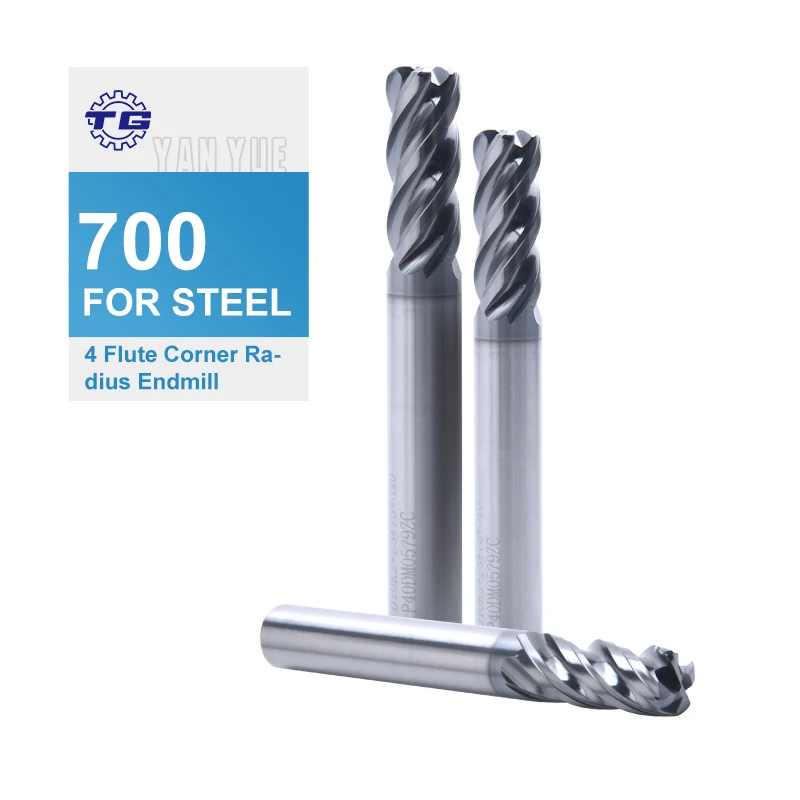
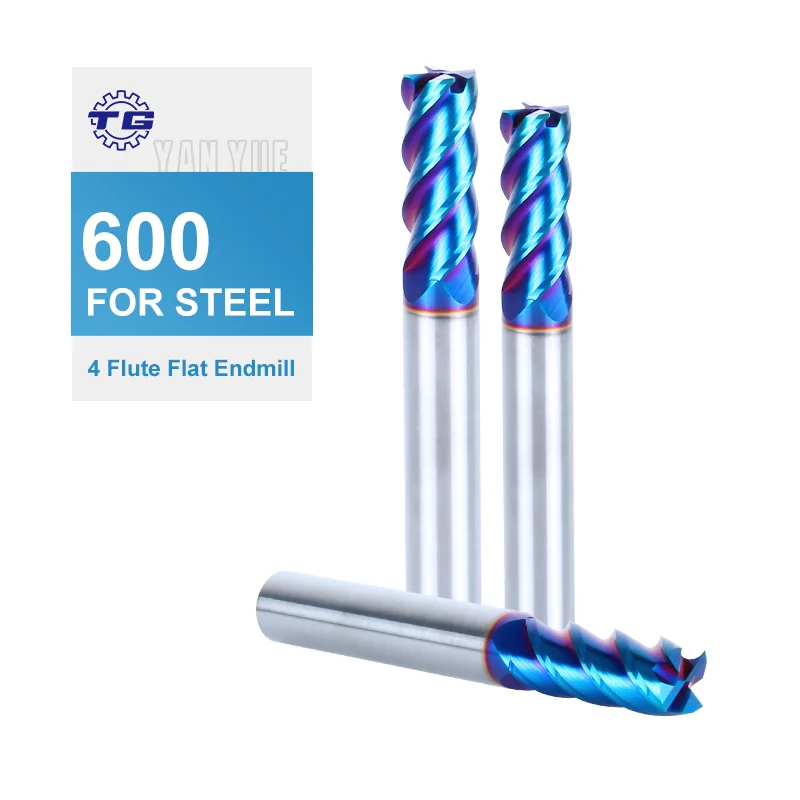
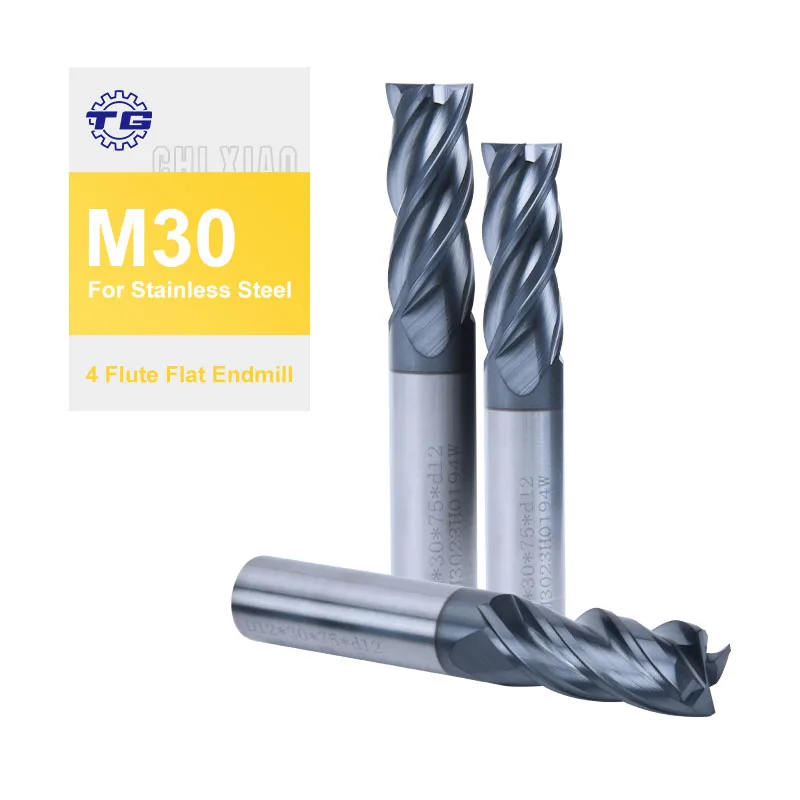
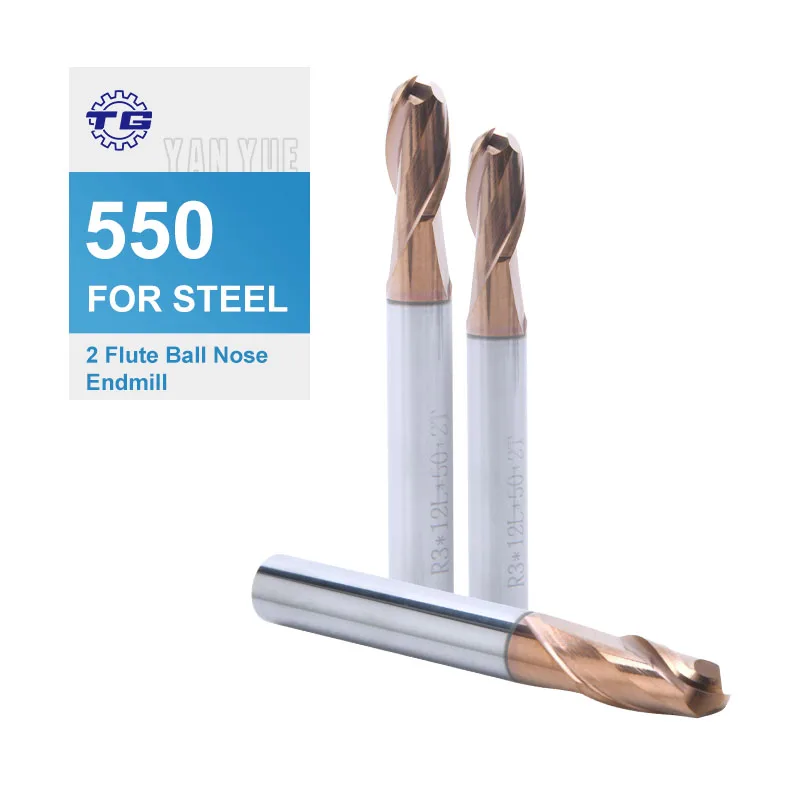
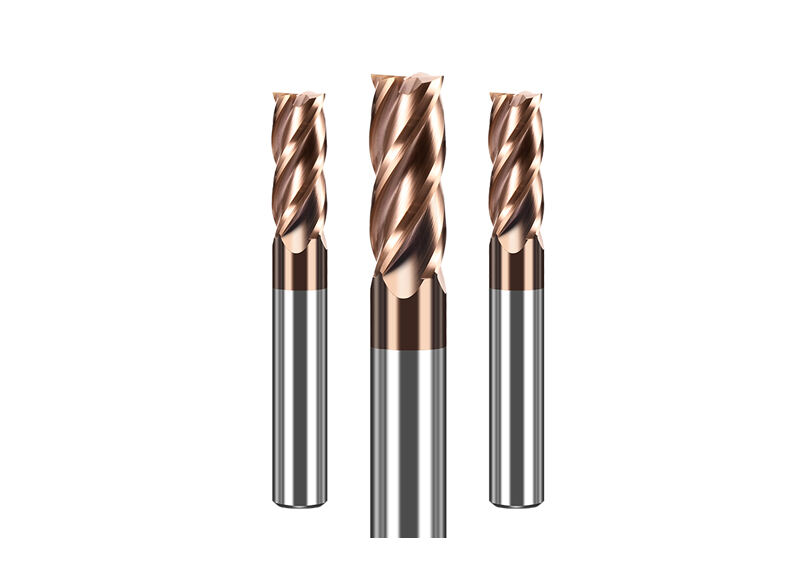
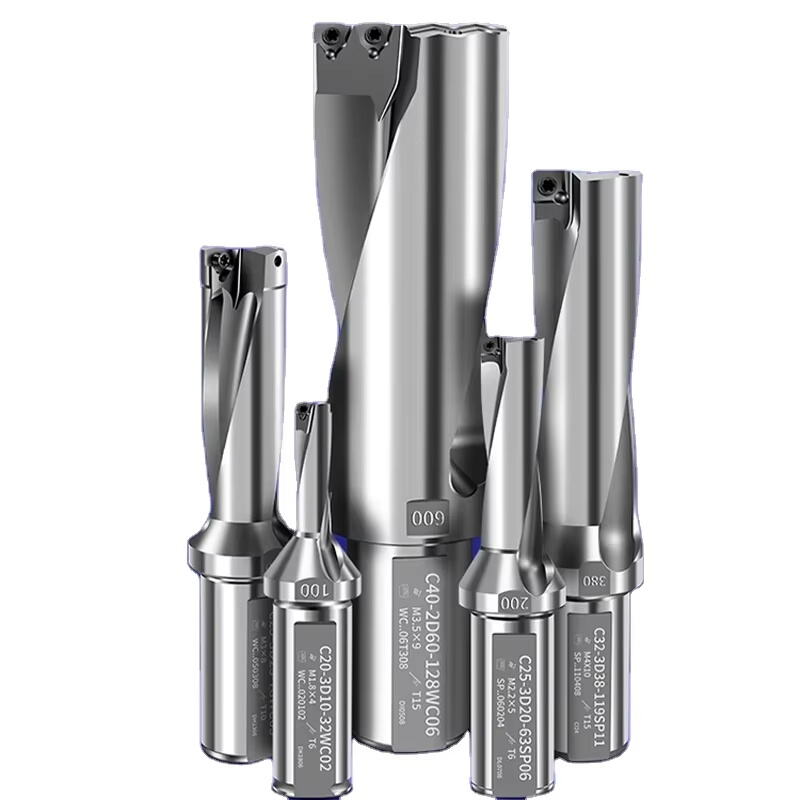
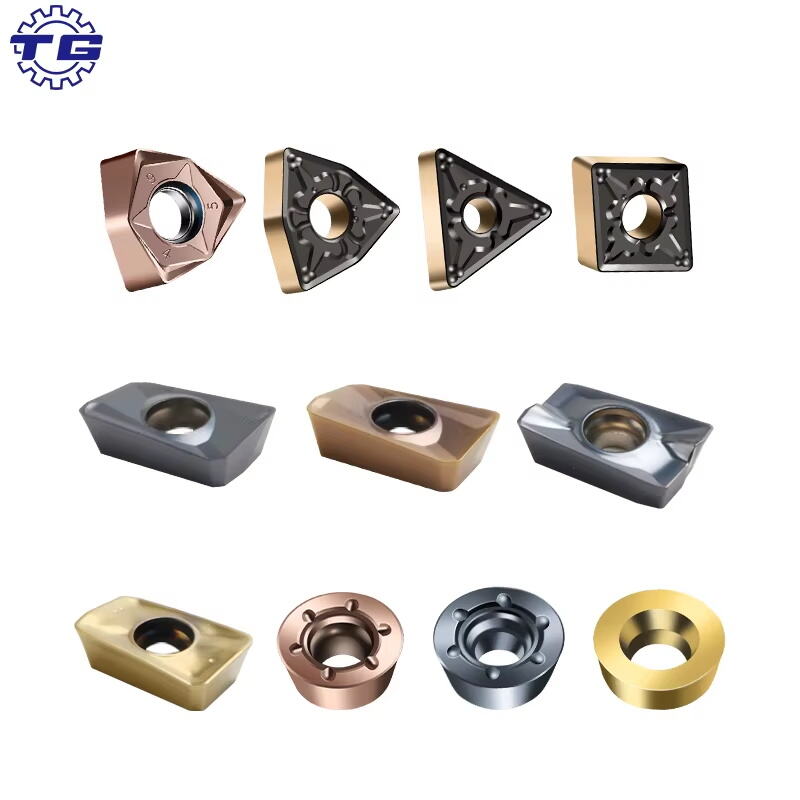
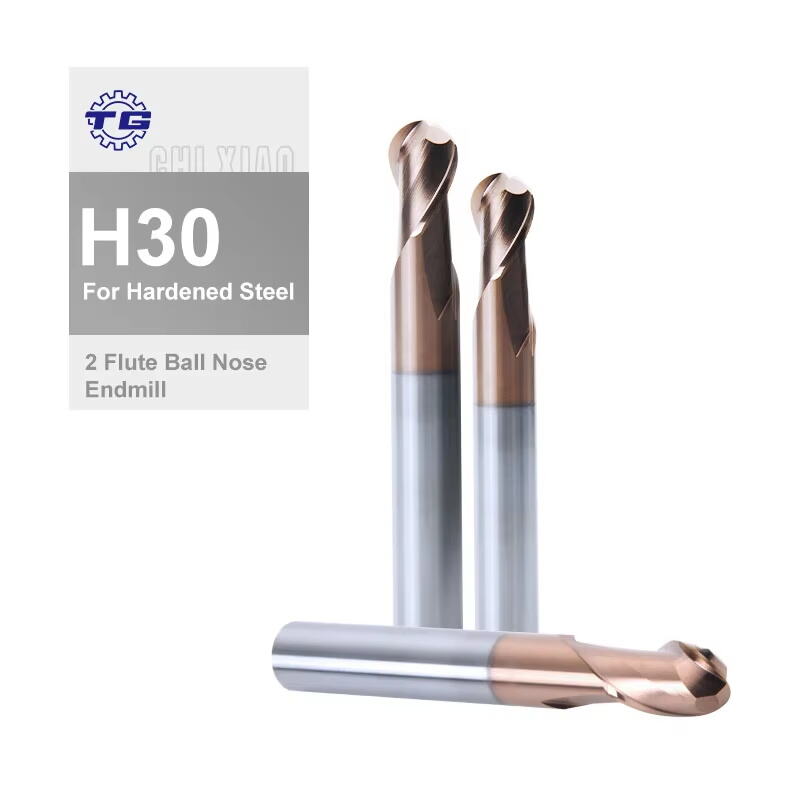
Carbide milling cutters represent a revolutionary advancement in precision machining technology, offering manufacturers and machinists a superior cutting solution for various materials and applications. These cutting tools are constructed from tungsten carbide, a remarkably hard compound that combines tungsten and carbon atoms to create one of the most durable materials available for industrial cutting operations. The primary function of carbide milling cutters involves removing material from workpieces through rotary cutting action, enabling the creation of precise shapes, slots, pockets, and contours in metals, composites, and other materials. The technological features of carbide milling cutters include exceptional hardness ratings that typically range from 89 to 93 on the Rockwell scale, providing outstanding wear resistance that extends tool life significantly beyond conventional high-speed steel alternatives. These cutters incorporate advanced geometries with carefully engineered flute designs, helix angles, and cutting edge configurations that optimize chip evacuation, reduce cutting forces, and minimize heat generation during operation. Modern carbide milling cutters often feature specialized coatings such as titanium nitride, titanium carbonitride, or aluminum titanium nitride, which further enhance performance by reducing friction and increasing heat resistance. Applications for carbide milling cutters span across diverse industries including aerospace, automotive, medical device manufacturing, mold and die production, and general engineering. These tools excel in machining operations involving steel alloys, stainless steel, cast iron, aluminum, titanium, and various exotic materials that demand precision and consistency. Whether performing roughing operations to remove large amounts of material quickly or finishing cuts that require micron-level accuracy, carbide milling cutters deliver reliable performance. The versatility of these tools extends to different milling machine types, from conventional manual mills to sophisticated CNC machining centers, making them indispensable in modern manufacturing environments where productivity, quality, and cost-effectiveness are paramount considerations for competitive success.


New Product Releases

Carbide milling cutters deliver substantial benefits that directly impact your production efficiency and bottom line results. The most immediate advantage you will notice is the dramatic increase in cutting speeds compared to traditional tooling options. These cutters allow you to operate at speeds two to three times faster than high-speed steel tools, which means you complete jobs quicker and increase your machine utilization rates significantly. This speed advantage translates directly into higher productivity, allowing you to take on more projects and meet tighter deadlines without compromising quality standards. The extended tool life offered by carbide milling cutters reduces your overall tooling costs substantially. While the initial investment may be higher than conventional alternatives, these cutters last considerably longer, sometimes performing five to ten times more cuts before requiring replacement. This longevity means fewer tool changes during production runs, reducing downtime and maintaining consistent part quality throughout extended manufacturing cycles. You will spend less time adjusting machines and more time producing parts that meet specifications. The superior hardness of carbide milling cutters maintains sharp cutting edges even under demanding conditions, ensuring consistent surface finishes and dimensional accuracy throughout the tool's lifespan. This reliability eliminates the quality variations that often occur as softer tools wear down, reducing scrap rates and rework requirements that waste materials and labor. Your operators will appreciate the predictable performance that simplifies process control and quality assurance procedures. Heat resistance is another practical benefit that enhances performance in high-speed operations. Carbide milling cutters withstand the elevated temperatures generated during aggressive cutting without losing hardness or deforming, maintaining their geometry and cutting efficiency even under thermal stress. This capability enables you to push cutting parameters further, optimizing cycle times without sacrificing tool integrity. The versatility of carbide milling cutters means you can use them across a wide range of materials, from soft aluminum to hardened steels, reducing the variety of tools you need to stock in your facility. This consolidation simplifies inventory management and reduces capital tied up in tooling supplies. The improved chip evacuation characteristics built into modern carbide milling cutter designs prevent chip packing and recutting, which can damage workpieces and tools alike. Better chip control means cleaner cuts, reduced heat buildup, and longer intervals between required machine cleanings. For businesses focused on precision manufacturing, carbide milling cutters provide the accuracy needed for tight tolerance work, holding dimensions consistently and producing superior surface finishes that may eliminate secondary finishing operations entirely, streamlining your production workflow and reducing per-part costs significantly.

Tips And Tricks

What is high speed steel and how does it work?

30

Dec

What is high speed steel and how does it work?

High speed steel represents one of the most significant innovations in metallurgy and machining technology. This specialized alloy has revolutionized manufacturing processes across countless industries, enabling precision cutting operations at speeds...
View More
How does high speed steel differ from carbon steel?

30

Dec

How does high speed steel differ from carbon steel?

Manufacturing and machining industries rely heavily on selecting the right steel type for specific applications, with high speed steel and carbon steel representing two of the most significant categories in industrial tooling. Understanding the funda...
View More
How to extend the lifespan of high-speed steel cutting tools?

20

Jan

How to extend the lifespan of high-speed steel cutting tools?

Modern manufacturing industries demand exceptional accuracy and efficiency in their machining operations, making steel precision cutting tools an indispensable component of successful production processes. These specialized instruments represent the ...
View More
Why Are Carbide End Mills Better for Metal Cutting?

31

Mar

Why Are Carbide End Mills Better for Metal Cutting?

When it comes to precision metal cutting operations, the choice of cutting tool directly impacts productivity, surface finish quality, and overall manufacturing costs. Carbide end mills have emerged as the preferred solution for demanding metal cutti...
View More

Get a Free Quote

Our representative will contact you soon.
Email
Mobile
Name
Company Name
Message
0/1000

carbide milling cutters

Exceptional Durability and Extended Service Life

Exceptional Durability and Extended Service Life

The exceptional durability of carbide milling cutters stands as one of their most valuable characteristics, fundamentally changing the economics of machining operations for businesses of all sizes. This durability stems from the unique molecular structure of tungsten carbide, where tungsten atoms bond with carbon in an extremely stable crystalline arrangement that resists wear, abrasion, and deformation under the extreme conditions present during metal cutting operations. When you implement carbide milling cutters in your production processes, you immediately benefit from dramatically reduced tool replacement frequencies compared to conventional tooling materials. This extended service life creates multiple layers of value throughout your manufacturing operation. First, the direct cost savings from purchasing fewer replacement tools accumulate substantially over months and years of operation, improving your cost per part metrics and enhancing profit margins on every job. Second, the reduced frequency of tool changes minimizes machine downtime, keeping your equipment productive and generating revenue rather than sitting idle during changeover procedures. Each tool change requires stopping production, removing the worn tool, installing a new one, setting offsets, and often running test parts to verify dimensions, a process that can consume fifteen to thirty minutes or more depending on the complexity of your setup. By extending the interval between these interruptions, carbide milling cutters maximize the productive time available on your machining centers, effectively increasing capacity without purchasing additional equipment. Third, the consistent performance throughout the extended tool life ensures that parts produced at the beginning of the tool's service period maintain the same quality as those produced near the end, reducing dimensional variation across production runs and simplifying quality control processes. This consistency proves particularly valuable in industries with strict regulatory requirements or demanding customer specifications where documentation and traceability are essential. The wear resistance of carbide milling cutters also maintains sharp cutting edges longer, preserving the surface finish quality and dimensional accuracy that define precision manufacturing. As tools wear, they generate more heat, require higher cutting forces, and produce rougher surfaces that may require additional finishing operations. Carbide milling cutters delay this degradation significantly, maintaining optimal cutting conditions throughout their working life and eliminating the gradual quality decline associated with softer tool materials that lose their edge quickly under production conditions.
Superior Cutting Performance Across Multiple Materials

Superior Cutting Performance Across Multiple Materials

Carbide milling cutters demonstrate remarkable versatility in their ability to machine a diverse range of materials effectively, making them an invaluable asset for job shops and manufacturers who work with varying workpiece materials in their daily operations. This multi-material capability eliminates the need to maintain extensive inventories of specialized cutting tools designed for specific materials, simplifying tool management and reducing the capital investment required in tooling supplies. When working with aluminum and non-ferrous materials, carbide milling cutters provide the sharpness and edge quality necessary to prevent material adhesion and built-up edge formation that plague softer tool materials, producing clean cuts with excellent surface finishes that often eliminate secondary deburring or finishing operations. The hardness advantage becomes even more pronounced when machining steel alloys, where carbide milling cutters maintain their cutting ability against work-hardening alloys and high-strength materials that quickly dull conventional tools, allowing you to complete operations in materials that would be impractical or impossible with lesser tooling options. Stainless steel machining presents particular challenges due to the material's tendency to work-harden and generate significant heat during cutting, but carbide milling cutters handle these demands effectively, maintaining cutting performance where high-speed steel tools would fail rapidly. For manufacturers serving aerospace and medical device markets, the ability to machine exotic materials like titanium alloys, Inconel, and other superalloys represents a critical competitive advantage, and carbide milling cutters provide the hardness and hot hardness required to cut these demanding materials economically. The advanced geometries available in modern carbide milling cutters optimize performance for specific material families, with chipbreaker designs, rake angles, and flute configurations tailored to generate appropriate chip forms and cutting forces for different workpiece materials. This optimization means you achieve better results than generic tools while still maintaining the flexibility to switch between materials without completely changing your tooling approach. Cast iron machining benefits particularly from carbide tooling, as the abrasive nature of the graphite particles in cast iron rapidly wears softer cutting materials, while carbide milling cutters resist this abrasive wear effectively, maintaining dimensions and surface finish throughout extended production runs. Composite materials and fiber-reinforced plastics that are increasingly common in modern manufacturing also respond well to carbide tooling, which provides the sharp edges needed to cut reinforcing fibers cleanly without delamination or fraying that compromises part integrity and appearance.
Enhanced Productivity Through Higher Cutting Speeds and Feeds

Enhanced Productivity Through Higher Cutting Speeds and Feeds

The ability to operate at substantially higher cutting speeds and feed rates represents a transformative advantage of carbide milling cutters that directly impacts manufacturing productivity and profitability in measurable ways. This performance capability stems from the fundamental material properties of tungsten carbide, particularly its ability to maintain hardness at elevated temperatures, a characteristic known as hot hardness that proves essential during high-speed machining operations where cutting zone temperatures can exceed 1000 degrees Celsius. While conventional tool materials soften and lose their cutting ability at these temperatures, carbide milling cutters retain their hardness and continue cutting effectively, allowing you to push spindle speeds and table feeds to levels that would destroy lesser tools within minutes. The productivity gains from these elevated cutting parameters accumulate rapidly across production runs. Doubling the cutting speed potentially cuts cycle time in half, allowing you to produce twice as many parts in the same shift, effectively doubling machine capacity without capital investment in additional equipment. For contract manufacturers and production facilities where machine time represents a bottleneck limiting output, this productivity enhancement can mean the difference between accepting new business opportunities or turning them away due to capacity constraints. The ability to remove material faster also proves valuable in roughing operations where large amounts of stock must be removed to approach final part dimensions. Carbide milling cutters designed for roughing applications combine aggressive geometries with the material properties necessary to withstand the heavy cutting forces and heat generation associated with high material removal rates, clearing material quickly and economically to prepare workpieces for finishing operations. Even in finishing applications where surface quality and dimensional precision take priority over pure material removal rate, carbide milling cutters provide advantages through their ability to maintain consistent cutting conditions. The sharp, stable cutting edges produce superior surface finishes at higher speeds than possible with tools that deflect or wear rapidly under cutting forces, potentially eliminating secondary grinding or polishing operations that add cost and time to manufacturing processes. The thermal stability of carbide milling cutters also contributes to dimensional accuracy during high-speed operations by resisting the thermal expansion and distortion that affect softer tool materials, maintaining precise dimensions even as cutting zone temperatures rise during aggressive machining cycles. Modern CNC machining centers and high-speed milling machines are specifically designed to take advantage of carbide tooling capabilities, featuring high spindle speeds, rigid construction, and advanced control systems that optimize tool paths for efficient material removal, and carbide milling cutters represent the enabling technology that allows these sophisticated machines to achieve their full performance potential and justify their substantial investment costs through maximized productivity.
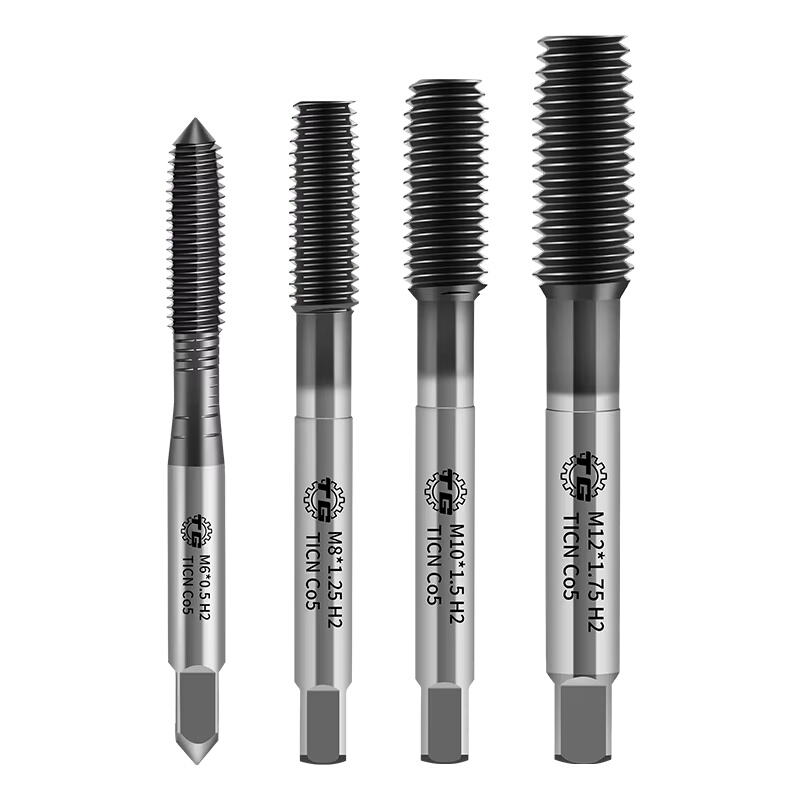
carbide milling cutters-0
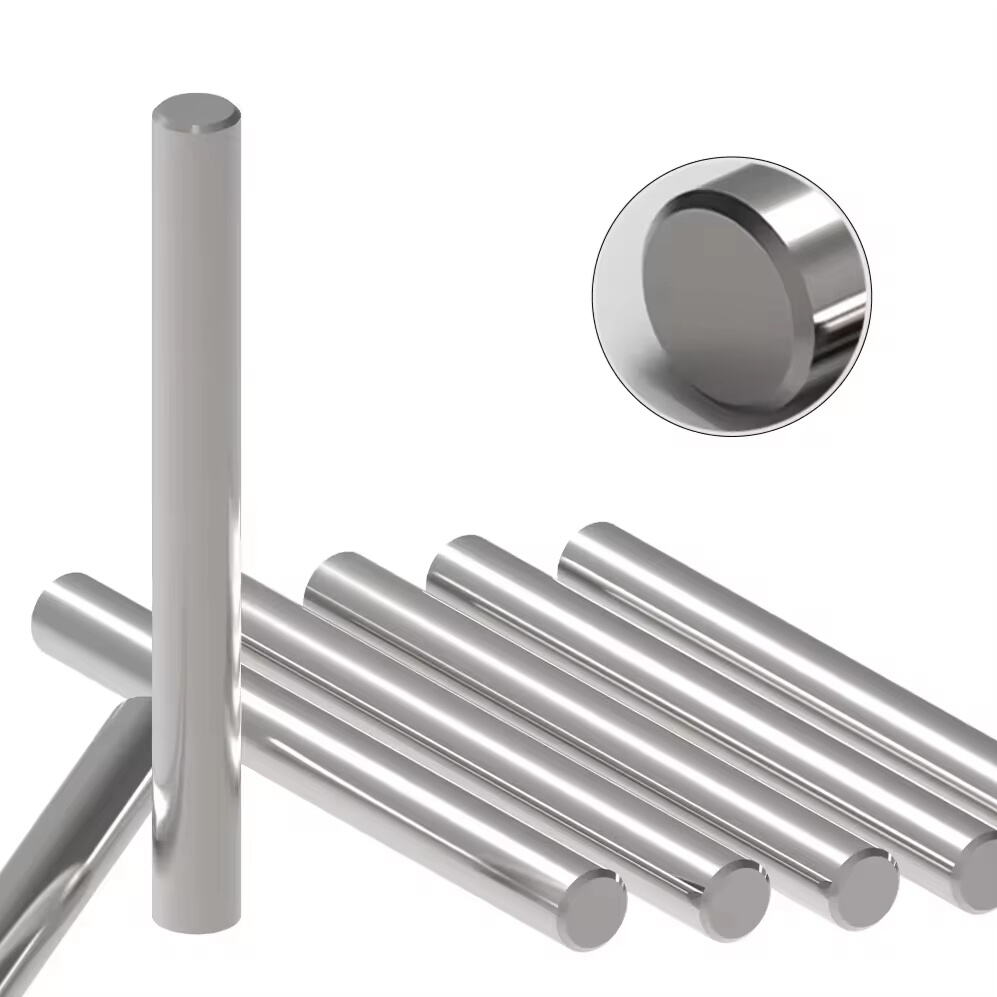
carbide milling cutters-1

Get a Free Quote

Our representative will contact you soon.
Email
Mobile
Name
Company Name
Message
0/1000