Contact me immediately if you encounter problems!

All Categories

carbide corner rounding end mill

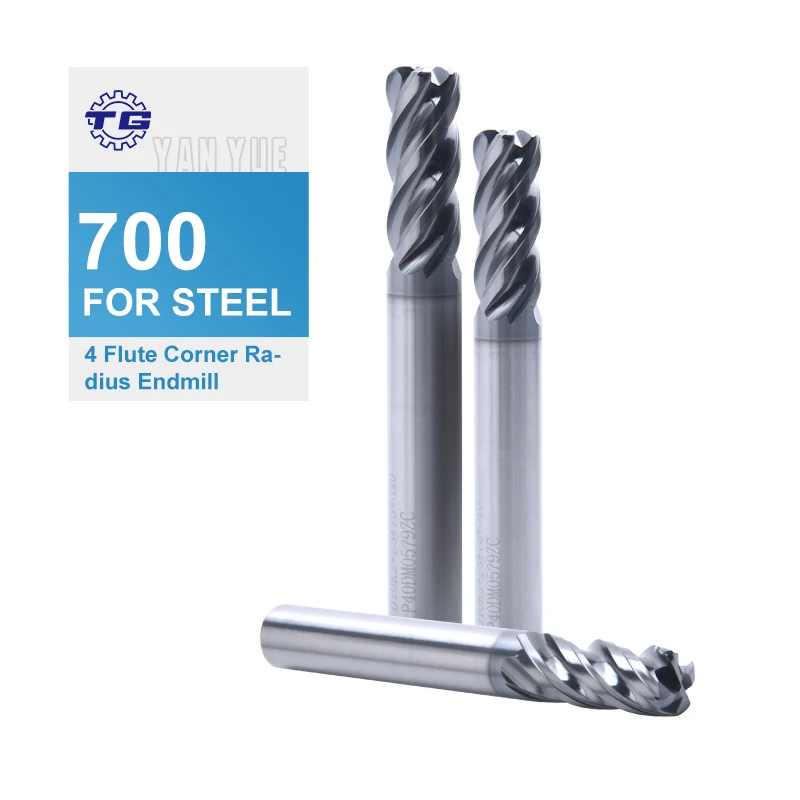
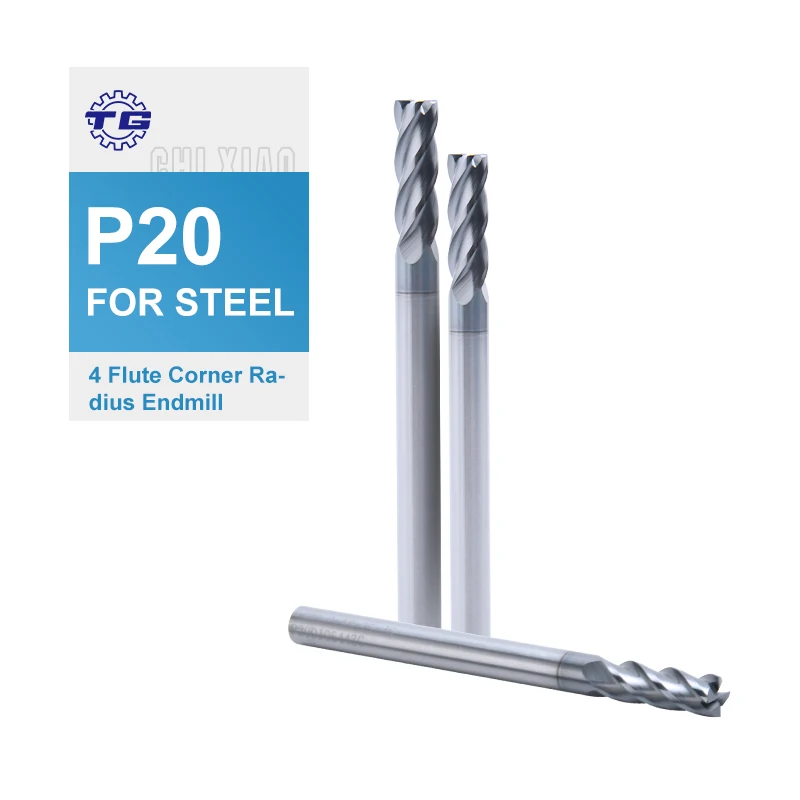
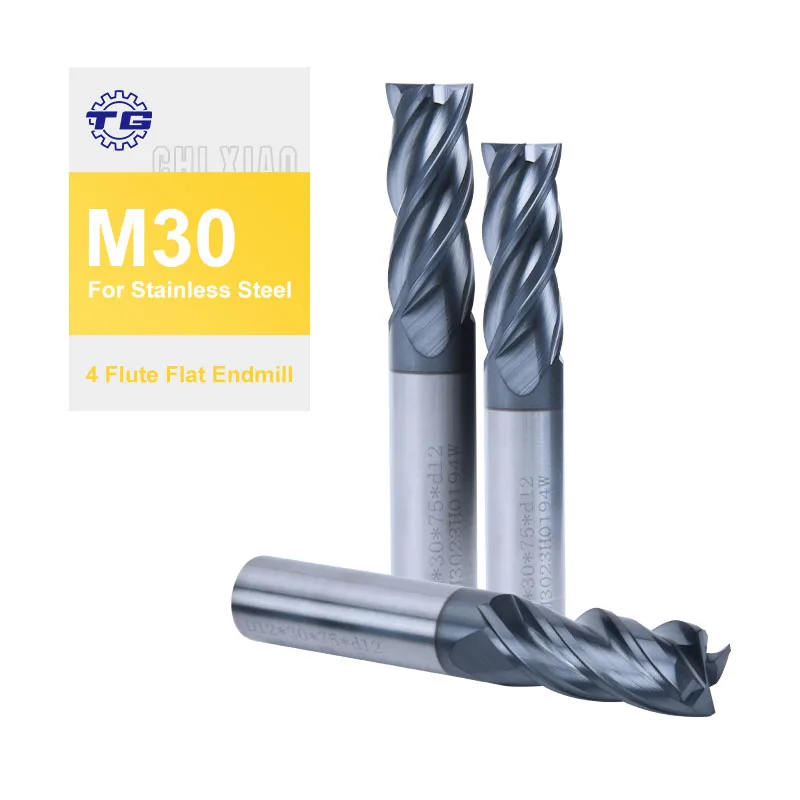
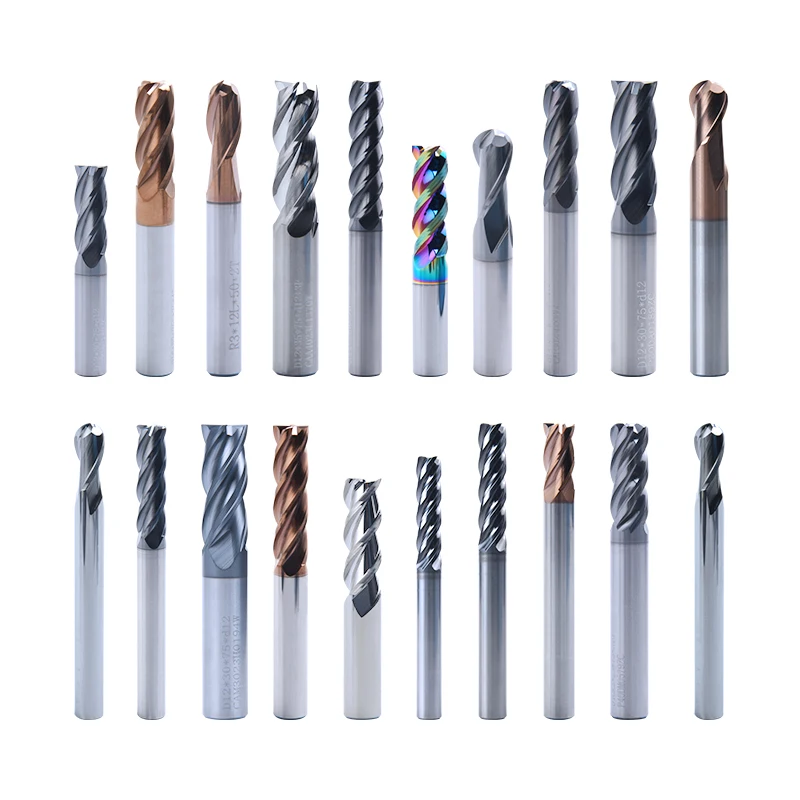
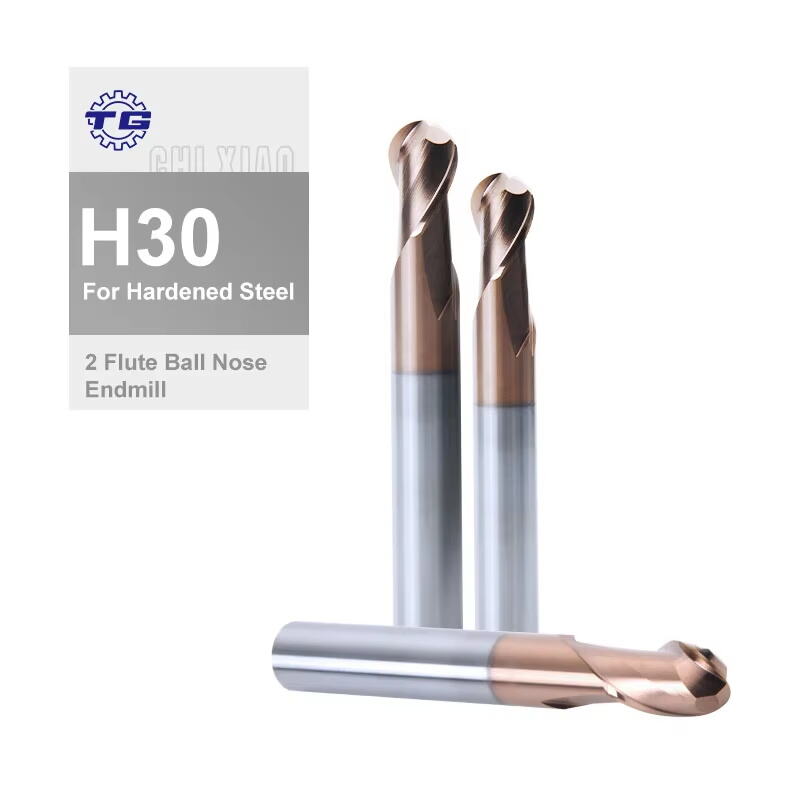
The carbide corner rounding end mill represents a specialized precision cutting tool engineered to create smooth, rounded edges and corners on machined components. This sophisticated milling instrument features a carefully designed cutting geometry that allows operators to produce consistent radius profiles along workpiece edges, eliminating sharp corners and creating aesthetically pleasing, functionally superior finished parts. Constructed from premium-grade tungsten carbide material, this end mill delivers exceptional hardness, wear resistance, and thermal stability that significantly outperforms traditional high-speed steel alternatives. The carbide corner rounding end mill integrates advanced flute designs with optimized rake angles to facilitate efficient chip evacuation while maintaining cutting edge integrity throughout extended production runs. Its unique radiused cutting profile enables manufacturers to complete edge finishing operations in a single pass, substantially reducing cycle times and improving overall productivity. The tool's technological features include precision-ground cutting edges that maintain dimensional accuracy within tight tolerances, specialized coatings that reduce friction and heat generation, and carefully engineered core diameters that provide optimal rigidity during operation. These mills find extensive applications across diverse manufacturing sectors including aerospace component fabrication, automotive parts production, medical device manufacturing, electronics enclosure finishing, and general precision machining operations. The carbide corner rounding end mill proves particularly valuable when working with challenging materials such as stainless steel, titanium alloys, hardened steels, and exotic superalloys that demand superior cutting tool performance. Manufacturers utilize these specialized tools to enhance product safety by removing potentially dangerous sharp edges, improve component aesthetics through professional-looking rounded profiles, and extend product service life by eliminating stress concentration points that could initiate crack formation. The versatility of the carbide corner rounding end mill makes it an indispensable asset in modern machine shops where quality, efficiency, and precision remain paramount considerations for competitive manufacturing operations.

New Products

Investing in a carbide corner rounding end mill delivers numerous practical benefits that directly impact your manufacturing efficiency and product quality. First and foremost, this cutting tool dramatically reduces production time by completing edge finishing work in one single operation, eliminating the need for secondary deburring processes or manual finishing steps that consume valuable labor hours. Your machine operators can achieve consistent, repeatable results across entire production batches, ensuring every finished component meets exact specifications without variation between parts. The exceptional durability of carbide construction means these end mills maintain their cutting performance through thousands of parts, reducing tool replacement frequency and lowering your overall tooling costs per finished component. You will notice immediate improvements in surface finish quality, as the precision-ground cutting edges produce smooth, uniform radius profiles that enhance both the visual appearance and functional performance of your products. The superior heat resistance of carbide material allows you to run higher cutting speeds and feed rates compared to conventional tooling, boosting throughput capacity without requiring additional machinery investments. Your maintenance expenses decrease significantly because carbide corner rounding end mills resist wear, chipping, and premature failure even when machining abrasive or difficult-to-cut materials that quickly destroy lesser tools. The tool's ability to handle diverse materials ranging from soft aluminum to hardened steel means you can consolidate your tooling inventory, reducing storage requirements and simplifying tool management procedures. Enhanced workplace safety emerges as another crucial advantage, since removing sharp edges and corners from machined parts protects your assembly workers from cuts and injuries while also making finished products safer for end users. The predictable tool life of carbide corner rounding end mills enables better production planning and scheduling accuracy, as you can confidently forecast when tool changes will be necessary based on actual part counts rather than guessing when performance will degrade. Your quality control processes become simpler because these mills produce dimensionally accurate radius profiles that consistently fall within specification limits, reducing rejection rates and minimizing costly rework. The professional appearance of properly rounded edges elevates your product presentation, giving your components a finished, high-quality look that customers associate with superior manufacturing standards. Energy efficiency improves because the optimized cutting geometry requires less spindle power to remove material, contributing to reduced electricity consumption across your machining operations. Finally, the versatility of carbide corner rounding end mills across multiple applications means a single tool can serve various projects, maximizing utilization rates and delivering excellent return on your tooling investment.

Latest News

Which Shapes of Carbide Inserts Are Best for Steel?

28

Feb

Which Shapes of Carbide Inserts Are Best for Steel?

When machining steel components, selecting the appropriate carbide inserts for steel becomes critical for achieving optimal performance, tool life, and surface finish quality. The geometry and shape of these cutting tools directly influence chip form...
View More
What Types of Milling Cutter Tools Are Best for Different Materials?

28

Feb

What Types of Milling Cutter Tools Are Best for Different Materials?

Modern manufacturing relies heavily on precision machining to create complex components across various industries. The selection of appropriate milling cutter tools forms the cornerstone of successful CNC operations, directly impacting surface finish...
View More
What industries rely most on high-speed steel tools?

31

Mar

What industries rely most on high-speed steel tools?

High-speed steel tools have become indispensable across numerous industrial sectors due to their exceptional hardness, heat resistance, and cutting performance. These specialized cutting implements maintain their sharpness and structural integrity ev...
View More
What Safety Measures Are Essential in Holemaking Operations?

31

Mar

What Safety Measures Are Essential in Holemaking Operations?

Holemaking operations represent one of the most fundamental yet potentially hazardous processes in manufacturing environments. These operations involve creating precise holes in various materials using drilling, reaming, boring, and related machining...
View More

Get a Free Quote

Our representative will contact you soon.
Email
Mobile
Name
Company Name
Message
0/1000

carbide corner rounding end mill

Unmatched Material Durability and Extended Tool Life Performance

Unmatched Material Durability and Extended Tool Life Performance

The carbide corner rounding end mill distinguishes itself through exceptional material composition that fundamentally transforms machining economics and operational efficiency. Premium tungsten carbide substrate construction provides hardness ratings that exceed 90 HRA on the Rockwell scale, delivering cutting edge durability that resists wear progression even under demanding cutting conditions. This extraordinary hardness translates directly into extended tool life that can reach five to ten times longer than comparable high-speed steel alternatives, dramatically reducing the frequency of tool changes and minimizing production interruptions. The dense carbide matrix exhibits superior resistance to abrasive wear mechanisms that rapidly degrade conventional cutting tools when processing materials containing hard particles or abrasive constituents. Advanced coating technologies applied to carbide corner rounding end mills further enhance performance characteristics by depositing ultra-hard surface layers such as titanium aluminum nitride or diamond-like carbon that provide additional protection against wear, reduce friction coefficients, and prevent material adhesion to cutting edges. These sophisticated surface treatments enable the tool to maintain sharp cutting edges throughout extended production runs, ensuring consistent radius profile quality from the first part to the thousandth component. The thermal stability of carbide material proves critical when machining operations generate significant heat, as this cutting tool maintains structural integrity and cutting edge geometry at temperatures that would cause high-speed steel tools to soften and fail catastrophically. Manufacturing facilities benefit from reduced tooling expenditure because fewer replacement end mills are required to complete production orders, while machine uptime increases substantially since operators spend less time executing tool changes and offset adjustments. The predictable, gradual wear pattern of carbide corner rounding end mills allows proactive tool management strategies where replacements can be scheduled during planned maintenance windows rather than reacting to unexpected tool failures that disrupt production schedules. Quality consistency improves dramatically across production batches because the carbide corner rounding end mill maintains dimensional accuracy throughout its service life, eliminating the gradual dimensional drift that occurs as softer cutting tools wear. This reliability enables manufacturers to machine complete production lots with a single tool, ensuring every component exhibits identical radius profiles without mid-run variations that compromise interchangeability or assembly fit. The return on investment becomes evident quickly as the higher initial cost of carbide tooling is offset by dramatically reduced per-part tooling costs, improved productivity, and elimination of quality issues related to worn or failing cutting tools.
Precision Engineered Cutting Geometry for Superior Surface Quality

Precision Engineered Cutting Geometry for Superior Surface Quality

The cutting geometry of a carbide corner rounding end mill incorporates sophisticated design elements that optimize material removal efficiency while delivering exceptional surface finish characteristics. Precision grinding processes create cutting edges with exact radius dimensions that transfer directly to workpiece corners, producing consistently accurate profiles that meet stringent dimensional tolerances required in critical applications. The carefully calculated helix angle of flute geometry balances cutting force distribution, chip formation mechanics, and evacuation efficiency to prevent chip packing that could damage finished surfaces or cause tool deflection during operation. Multiple flute configurations ranging from two to six flutes accommodate different material types and cutting conditions, with lower flute counts providing generous chip clearance for soft materials that produce large chips, while higher flute counts enable smoother finishes and faster feed rates when machining harder materials that generate smaller chips. The core diameter engineering ensures adequate tool rigidity to resist deflection forces generated during cutting engagement, maintaining dimensional accuracy even when taking aggressive depth of cut or working with extended tool reach requirements. Specialized rake angle optimization reduces cutting forces by promoting efficient chip shearing rather than material tearing, resulting in superior surface finishes that often eliminate subsequent finishing operations. The radiused cutting profile of carbide corner rounding end mills eliminates the sharp transition points found on standard end mills, distributing cutting loads more evenly across the cutting edge and reducing the likelihood of chipping or premature failure. Entry and exit transitions become smoother as the rounded geometry gradually engages and disengages from workpiece material, minimizing vibration and preventing the surface defects that abrupt cutting transitions can produce. Material-specific geometry variations optimize performance for particular workpiece materials, with geometries tailored for aluminum providing aggressive chip spaces and sharp rake angles, while designs intended for hardened steels feature reinforced cutting edges and conservative rake angles that withstand higher cutting forces. The precision-ground finish on cutting surfaces reduces friction between the tool and workpiece material, decreasing heat generation that could compromise surface integrity or dimensional accuracy while extending tool life by reducing thermal stress. Manufacturers achieve remarkable surface finish quality with Ra values frequently below 32 microinches when using carbide corner rounding end mills under appropriate cutting parameters, producing components that meet appearance requirements without secondary polishing or finishing operations. The geometric consistency maintained throughout manufacturing ensures that every carbide corner rounding end mill performs identically, eliminating the performance variations between individual tools that complicate process development and quality control procedures.
Versatile Application Range Across Multiple Industries and Materials

Versatile Application Range Across Multiple Industries and Materials

The carbide corner rounding end mill demonstrates remarkable versatility that makes it invaluable across diverse manufacturing sectors and material types. Aerospace manufacturers rely on these specialized tools to finish critical components fabricated from titanium alloys, Inconel superalloys, and aluminum aerospace grades where edge quality directly impacts component performance, fatigue resistance, and service longevity. The automotive industry utilizes carbide corner rounding end mills extensively for transmission components, engine parts, suspension elements, and body panel dies where smooth radiused edges enhance both functional performance and visual appearance. Medical device production demands the precision and consistency that carbide corner rounding end mills deliver when finishing surgical instruments, orthopedic implants, and diagnostic equipment housings where sharp edges pose patient safety risks and smooth profiles facilitate sterilization procedures. Electronics manufacturers employ these tools to finish enclosures, heat sinks, and connector housings where rounded edges improve user safety, enhance product aesthetics, and prevent damage to cables and adjacent components during assembly and service. Mold and die makers depend on carbide corner rounding end mills to finish cavity edges, parting lines, and ejector pin clearances where precision radius control ensures molded parts release cleanly without defects. The tool excels when machining aluminum alloys ranging from soft 6061 tempers to harder 7075 aerospace grades, efficiently creating clean radiused edges without material smearing or burr formation that plagues lesser cutting tools. Stainless steel components in food processing equipment, pharmaceutical manufacturing systems, and marine applications benefit from the carbide corner rounding end mill's ability to produce smooth, corrosion-resistant edge profiles that prevent bacterial harboring and simplify cleaning procedures. Hardened tool steels and die materials that challenge conventional cutting tools yield readily to carbide corner rounding end mills, enabling manufacturers to finish heat-treated components without requiring time-consuming annealing cycles. The tool performs admirably across cast iron components, brass fittings, bronze bearings, and copper electrical components, demonstrating material versatility that simplifies inventory management and reduces tooling complexity. Composite materials including carbon fiber reinforced polymers and fiberglass laminates machine cleanly with carbide corner rounding end mills designed with appropriate geometries that prevent delamination and fiber pullout. Plastic components benefit from the sharp cutting edges and optimized rake angles that produce clean cuts without melting, stringing, or surface distortion common when using improper tooling. The ability to machine both ferrous and non-ferrous materials, soft and hardened states, and conventional and advanced materials with a single tool type streamlines manufacturing operations and reduces the technical knowledge burden on machine operators who can apply consistent machining strategies across diverse workpiece materials.

carbide corner rounding end mill-0
carbide corner rounding end mill-1

Get a Free Quote

Our representative will contact you soon.
Email
Mobile
Name
Company Name
Message
0/1000