Contact me immediately if you encounter problems!

All Categories

carbide end mill 2 flute

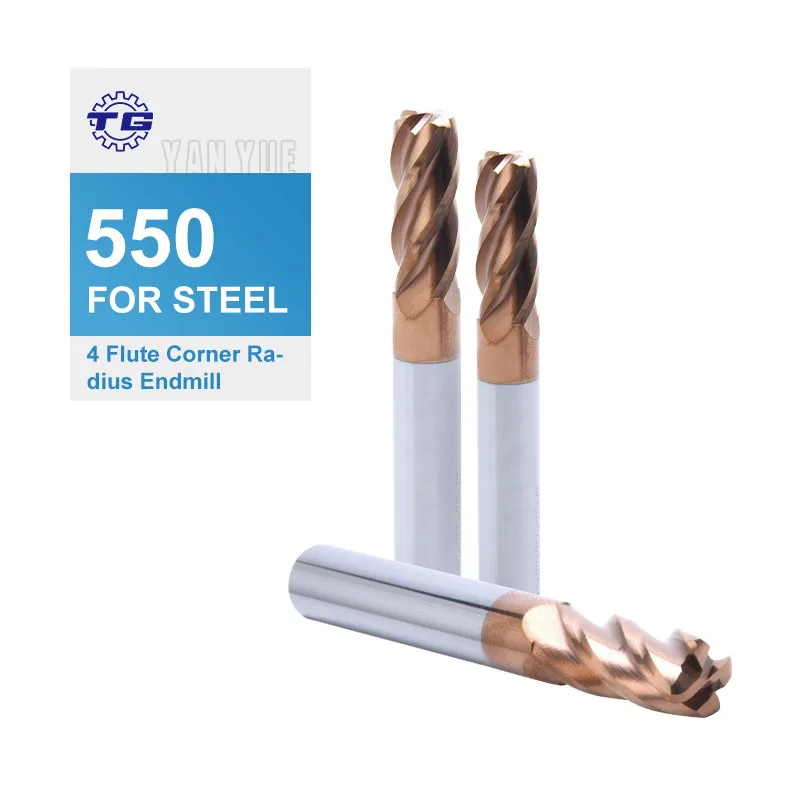
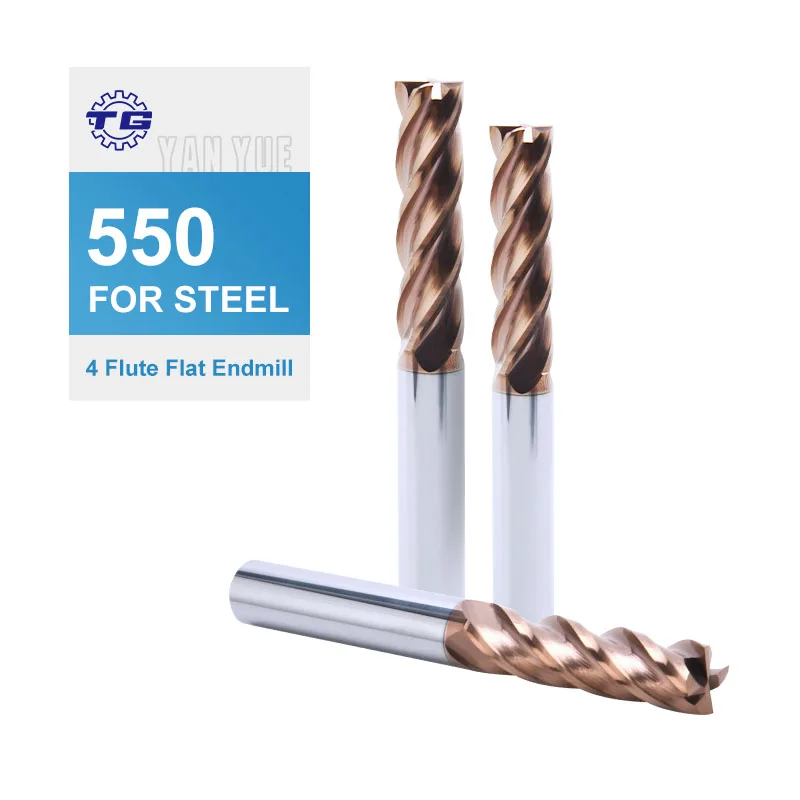
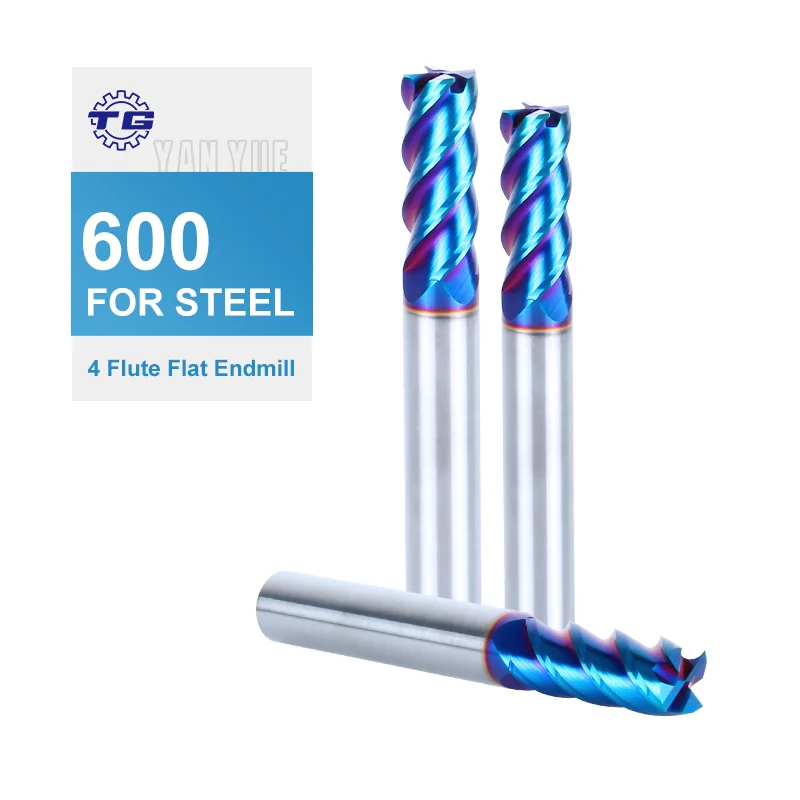
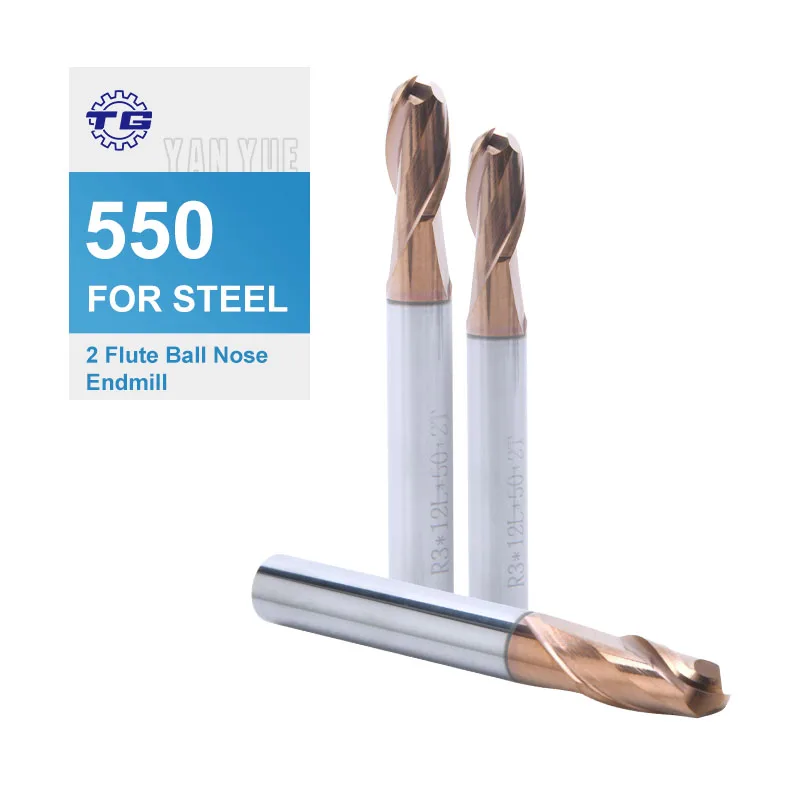
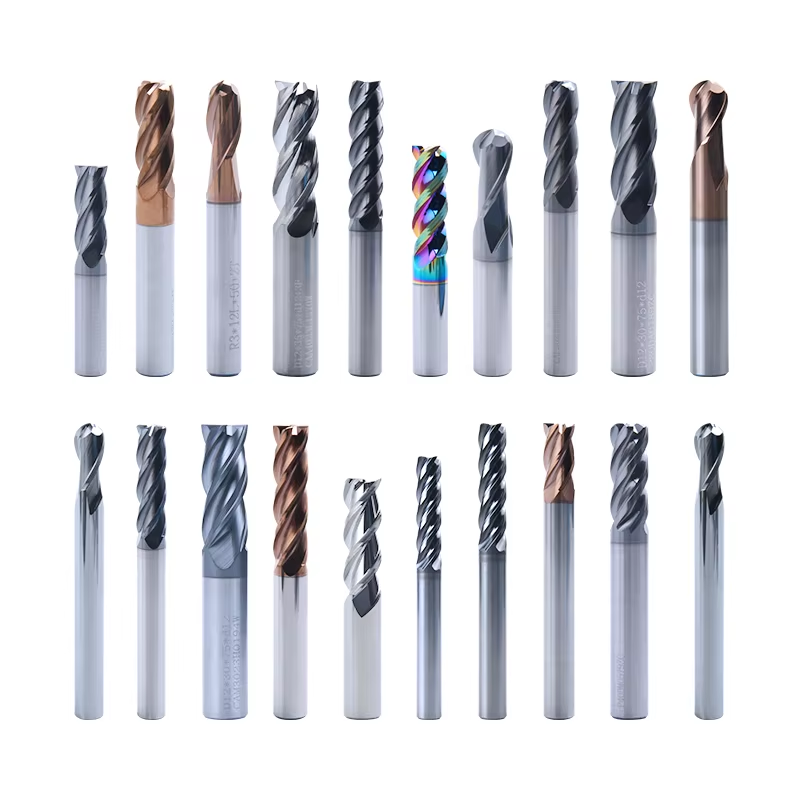
The carbide end mill 2 flute represents a precision cutting tool engineered for exceptional performance in modern machining operations. This specialized milling cutter features two cutting edges, or flutes, manufactured from solid carbide material, which delivers superior hardness and wear resistance compared to traditional high-speed steel alternatives. The carbide end mill 2 flute is designed to remove material from workpieces through rotary cutting, creating slots, pockets, profiles, and complex geometries with remarkable accuracy. The two-flute configuration offers distinct advantages in chip evacuation, making it particularly effective for machining softer materials like aluminum, plastics, and non-ferrous metals where efficient chip removal is essential. The technological features of the carbide end mill 2 flute include precision-ground cutting edges that maintain sharpness throughout extended production runs, reducing tool changes and maximizing productivity. The flute geometry is carefully engineered to balance cutting efficiency with tool rigidity, ensuring stable machining even at higher spindle speeds. Modern carbide end mill 2 flute tools often incorporate advanced coatings such as titanium aluminum nitride or diamond-like carbon, which further enhance performance by reducing friction and preventing material adhesion. These tools are manufactured using state-of-the-art CNC grinding technology that ensures consistent quality and dimensional accuracy. Applications for the carbide end mill 2 flute span numerous industries including aerospace, automotive, medical device manufacturing, electronics production, and general fabrication. They excel in operations requiring high material removal rates combined with excellent surface finishes. The carbide end mill 2 flute is ideal for slotting operations, pocket milling, contouring, and roughing applications where chip clearance is critical. Machinists value these tools for their versatility in handling various materials and their ability to maintain tight tolerances. Whether used in conventional milling machines or advanced CNC machining centers, the carbide end mill 2 flute delivers consistent results that meet demanding production requirements while extending tool life and reducing overall machining costs.


New Products

Choosing a carbide end mill 2 flute provides tangible benefits that directly impact your machining efficiency and bottom line. First and foremost, the solid carbide construction delivers exceptional durability that outlasts conventional cutting tools by significant margins. This extended tool life means fewer interruptions for tool changes, keeping your production running smoothly and reducing downtime costs. The superior hardness of carbide allows these tools to maintain their sharp cutting edges even when processing abrasive materials, ensuring consistent part quality throughout the entire tool life cycle. The two-flute design creates larger flute valleys compared to tools with more cutting edges, which translates to superior chip evacuation capabilities. This feature prevents chip packing and recutting, which can damage both the tool and your workpiece. Better chip removal also means cooler cutting temperatures, further extending tool longevity and improving surface finish quality on your finished parts. When working with aluminum and other soft metals, this advantage becomes particularly noticeable as these materials tend to generate long, stringy chips that can cause problems with multi-flute tools. The carbide end mill 2 flute enables you to achieve faster feed rates without sacrificing precision. The robust design of two flutes provides excellent rigidity, minimizing deflection during cutting operations. This rigidity translates directly into improved dimensional accuracy and superior surface finishes on your machined components. You will notice reduced vibration during operation, which not only enhances part quality but also extends spindle life and reduces wear on your machine tools. Cost efficiency represents another compelling advantage. While the initial investment in a carbide end mill 2 flute may exceed that of high-speed steel alternatives, the total cost of ownership proves significantly lower. The extended tool life, higher cutting speeds, and reduced scrap rates combine to deliver substantial savings over time. You can process more parts between tool changes, maximizing your machine utilization and labor efficiency. The versatility of the carbide end mill 2 flute adds further value to your tooling investment. These cutters perform admirably across a wide range of materials and applications, reducing the variety of tools you need to stock. This versatility simplifies inventory management and ensures you have the right tool available when needed. The precision manufacturing processes used to create these tools guarantee consistent performance from one tool to the next, eliminating variables in your machining processes and making it easier to achieve repeatable results.

Latest News

How do different drill bit materials affect performance?

30

Dec

How do different drill bit materials affect performance?

Understanding the relationship between drill bit materials and their performance characteristics is crucial for professionals working in manufacturing, construction, and metalworking industries. The material composition of a drill bit directly influe...
View More
How does high speed steel differ from carbon steel?

30

Dec

How does high speed steel differ from carbon steel?

Manufacturing and machining industries rely heavily on selecting the right steel type for specific applications, with high speed steel and carbon steel representing two of the most significant categories in industrial tooling. Understanding the funda...
View More
What industries rely most on high-speed steel tools?

31

Mar

What industries rely most on high-speed steel tools?

High-speed steel tools have become indispensable across numerous industrial sectors due to their exceptional hardness, heat resistance, and cutting performance. These specialized cutting implements maintain their sharpness and structural integrity ev...
View More
What Safety Measures Are Essential in Holemaking Operations?

31

Mar

What Safety Measures Are Essential in Holemaking Operations?

Holemaking operations represent one of the most fundamental yet potentially hazardous processes in manufacturing environments. These operations involve creating precise holes in various materials using drilling, reaming, boring, and related machining...
View More

Get a Free Quote

Our representative will contact you soon.
Email
Mobile
Name
Company Name
Message
0/1000

carbide end mill 2 flute

Superior Chip Evacuation for Uninterrupted Machining Performance

Superior Chip Evacuation for Uninterrupted Machining Performance

The carbide end mill 2 flute stands out primarily due to its exceptional chip evacuation characteristics, which fundamentally transform machining efficiency and part quality. The two-flute configuration creates substantially larger flute valleys compared to three-flute or four-flute alternatives, providing ample space for chips to escape the cutting zone rapidly and efficiently. This design consideration becomes critically important when machining materials that produce continuous or stringy chips, such as aluminum alloys, copper, plastics, and other non-ferrous metals. When chips cannot evacuate properly, they become trapped in the cutting area, leading to recutting that degrades surface finish, increases tool wear, and can even break the tool. The generous flute volume in a carbide end mill 2 flute eliminates these concerns by creating a clear pathway for chips to exit smoothly. This capability allows machinists to operate at higher feed rates and cutting speeds without experiencing chip packing problems that plague tools with more flutes. The practical impact of superior chip evacuation extends beyond just preventing tool damage. When chips exit cleanly, they carry away heat generated during the cutting process, keeping both the tool and workpiece cooler. Lower temperatures mean reduced thermal expansion of the workpiece, which translates directly into improved dimensional accuracy and tighter tolerances on finished parts. The carbide end mill 2 flute also produces better surface finishes because chips are not being dragged across freshly cut surfaces. For production environments where cycle time matters, the ability to maintain aggressive cutting parameters without interruption represents a significant competitive advantage. Operators can complete jobs faster while maintaining quality standards, increasing throughput without additional capital investment. The chip evacuation advantage of the carbide end mill 2 flute also reduces the need for frequent air blast or coolant flushing during operations, simplifying the machining process and reducing consumable costs. This design makes these tools particularly valuable for deep slotting and pocket milling applications where chip removal challenges are most pronounced.
Extended Tool Life Through Advanced Carbide Engineering

Extended Tool Life Through Advanced Carbide Engineering

The longevity of a carbide end mill 2 flute represents one of its most economically significant benefits, directly affecting production costs and operational efficiency. Solid carbide construction provides a hardness level that far exceeds high-speed steel, typically reaching 90 HRA on the Rockwell scale, which enables these tools to resist wear even under demanding cutting conditions. This exceptional hardness is achieved through sophisticated metallurgy that combines tungsten carbide particles with a cobalt binder, creating a material matrix that balances hardness with toughness. The result is a cutting tool that maintains its sharp cutting edges through thousands of linear feet of cutting, dramatically reducing the frequency of tool replacements. Modern manufacturing techniques used to produce the carbide end mill 2 flute include precision CNC grinding that creates geometrically perfect cutting edges with consistent rake and clearance angles. These precisely controlled geometries optimize cutting forces and minimize stress concentrations that can lead to premature tool failure. Many carbide end mill 2 flute options feature advanced surface coatings applied through physical vapor deposition or chemical vapor deposition processes. These coatings, such as titanium nitride, titanium aluminum nitride, or aluminum titanium nitride, add an additional layer of protection that reduces friction, prevents material adhesion, and provides thermal barrier properties. The combination of substrate quality and coating technology extends tool life even further, often doubling or tripling performance compared to uncoated alternatives. The economic implications of extended tool life are substantial and multifaceted. Direct tool costs decrease as fewer replacement cutters are needed to complete the same volume of work. Indirect savings prove equally important, as reduced tool changes mean less machine downtime, fewer setup adjustments, and lower labor costs associated with tool management. Production scheduling becomes more predictable when tools last longer, as unexpected tool failures that disrupt workflow occur less frequently. Quality consistency improves because tools maintain their dimensional accuracy throughout their usable life, eliminating variations that occur as cutting edges degrade. For high-volume production runs, the carbide end mill 2 flute delivers remarkable consistency from the first part to the last, ensuring that all components meet specifications without mid-run adjustments.
Optimal Rigidity for Precision and Surface Finish Excellence

Optimal Rigidity for Precision and Surface Finish Excellence

The structural design of a carbide end mill 2 flute provides outstanding rigidity that directly influences machining precision and surface quality, making it an essential tool for applications where dimensional accuracy matters. With only two flutes, the core diameter of the tool remains substantially larger compared to end mills with three or four flutes of equivalent overall diameter. This increased core thickness creates a more robust tool body that resists deflection under cutting loads, maintaining the intended tool path even when removing material aggressively. Tool deflection represents one of the primary causes of dimensional inaccuracy in machining operations, as even microscopic bending of the cutting tool translates into geometric errors on the finished workpiece. The carbide end mill 2 flute minimizes this concern through its inherently stiff construction, enabling machinists to hold tighter tolerances with greater confidence. The rigidity advantage becomes particularly evident in applications involving extended tool reach or when cutting at depth. While tools with more flutes may seem to offer additional support through extra cutting edges, the reduced core diameter actually makes them more susceptible to deflection and vibration. The carbide end mill 2 flute strikes an optimal balance, providing sufficient cutting edges for efficient material removal while maximizing structural integrity. This design characteristic proves especially valuable when machining thin walls, delicate features, or deep pockets where tool pressure must be carefully controlled. The enhanced rigidity also contributes to superior surface finish quality by reducing chatter and vibration during cutting operations. Chatter creates visible marks on machined surfaces and can generate dimensional variations that require secondary finishing operations to correct. The stable cutting action of a carbide end mill 2 flute produces smooth, consistent surfaces that often meet final specifications without additional polishing or grinding. For industries such as aerospace and medical device manufacturing, where surface finish specifications are stringent, this capability provides significant value. The combination of rigidity and carbide's inherent hardness allows these tools to maintain geometric accuracy throughout extended production runs, ensuring that the first part and the thousandth part meet identical quality standards. Machinists appreciate the predictability that comes with using a carbide end mill 2 flute, as the tool behaves consistently across various materials and cutting conditions.
carbide end mill 2 flute-0
carbide end mill 2 flute-1

Get a Free Quote

Our representative will contact you soon.
Email
Mobile
Name
Company Name
Message
0/1000