
 EN
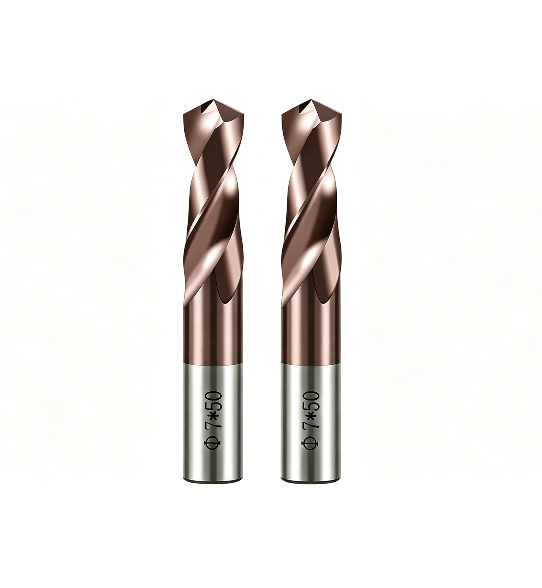
For deep-hole machining, an indexable drill can offer practical advantages when its cutting geometry, insert design, and operating conditions suit the job. Its replaceable cutting edges can reduce tool-change interruptions, while a rigid body and well-managed chip flow support consistent progress. An indexable drill is not automatically a deep-hole solution, however; reach, material, hole tolerance, and coolant access all affect the result.
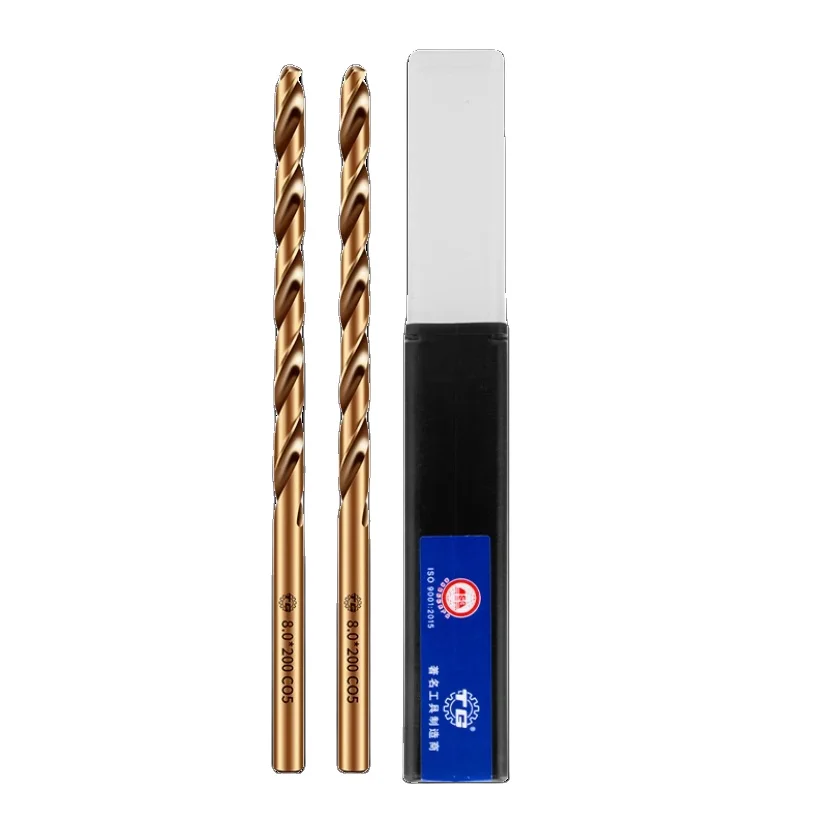
The key advantage is a repeatable process, not simply faster penetration. An indexable drill can maintain production flow by replacing worn edges instead of replacing the complete tool, but deep-hole performance depends on chip evacuation and alignment. The product page linked below describes an HSS M35 cobalt twist drill, so confirm its construction before treating it as an indexable drill or applying insert-drill assumptions.
How Indexable Design Supports Deep-Hole Work
Replaceable edges and production continuity
A primary indexable drill advantage is that a worn cutting edge may be indexed or replaced while the drill body remains in service. In repeated-hole production, this can simplify tool maintenance and reduce the need to reset tool length after every edge change. For deep holes, where a broken tool can be difficult to remove, planned edge changes also help keep wear from becoming an unexpected stoppage.
That benefit depends on using the correct insert grade and monitoring wear consistently. An indexable drill does not eliminate inspection; operators still need to watch cutting sound, spindle load, chip shape, and the finished bore. If wear becomes uneven, the drill may cut off-center or leave a poor surface. Scheduled checks make the indexable drill easier to manage as a production tool rather than a fit-and-forget device.
Rigidity, alignment, and controlled entry
Deep holes amplify small setup errors because the tool remains engaged over a longer distance. A suitable indexable drill combines adequate body stiffness with a secure holder and a spindle aligned to the workpiece. Stable entry matters: a spot face or suitable pilot preparation can help the indexable drill begin on location, particularly when the surface is angled, rough, or interrupted.
Rigidity alone does not guarantee a straight bore. Workholding must prevent movement, runout should be checked, and the tool projection should be no longer than the operation requires. An indexable drill selected for the required depth-to-diameter ratio can reduce deflection risk, but excessive reach still challenges stability. Confirm the manufacturer’s operating guidance and machine limits before extending the indexable drill beyond ordinary drilling conditions.
Factors That Determine Penetration Efficiency
Chip evacuation and coolant delivery
Chips have less room to escape as hole depth increases, so chip control often determines whether an indexable drill can run continuously. The insert geometry, flute or body channels, material, and feed strategy all shape chip size and movement. If chips pack in the bore, cutting forces and heat can rise, and the indexable drill may score the wall or suffer edge damage.
Coolant should reach the cutting zone effectively, either through the tool or by a verified external arrangement appropriate to the setup. It helps carry heat and chips away, but coolant cannot compensate for unsuitable geometry or poor parameters. Before production, test the indexable drill at a controlled feed and observe chip evacuation through the full depth. Adjusting the process based on actual chip behavior is more reliable than assuming one setting fits every material.
Material, depth, and hole quality
The work material influences cutting forces, heat, and the type of chip produced. Stainless steel, mold steel, and other alloys can require different insert grades and cutting conditions, even when the hole diameter is unchanged. An indexable drill should therefore be chosen against the material specification, depth, and required finish rather than selected by diameter alone.
Tolerance requirements also shape the process. A drilling operation may create a suitable pre-hole, while a close-tolerance bore may need a separate finishing step. An indexable drill can support repeatable roughing when its runout and edge condition are controlled, but it should not be assumed to deliver every final dimension directly. Check the bore for size, straightness, and surface condition during trials before approving the indexable drill for a full run.
Applying the Advantages Without Misapplication
Match the tool architecture to the job
Before purchasing or programming an indexable drill, verify that the tool actually uses replaceable inserts and that its design is rated for the intended depth. The linked product listing identifies an HSS M35 twist drill bit for stainless and mold steel, which is a different tool architecture from a typical insert-based indexable drill. Review the product details at indexable drill carefully rather than inferring features from the general category.
This distinction affects edge replacement, tool holding, chip channels, and recommended parameters. A solid HSS twist drill may suit certain materials and setups, while an indexable drill is often considered where replaceable edges and production routines are relevant. Neither architecture is universally superior. Compare the actual tool specification with hole depth, machine capability, coolant delivery, and the required finish before assigning the indexable drill a role.
Validate the process before scaling production
A practical trial should establish entry stability, chip evacuation, cutting load, and finished-hole quality at the intended depth. Record the work material, tool projection, coolant method, and cutting settings so that results can be repeated. For an indexable drill, also note insert condition and edge changes; this helps distinguish a setup issue from normal wear and supports a controlled maintenance interval.
If the tool deflects, chips jam, or the bore drifts, pause and investigate rather than simply increasing feed or speed. Check runout, clamping, tool reach, and coolant access, then consult the tool’s operating recommendations. A properly validated indexable drill can make deep-hole work more predictable through maintainable edges and disciplined process control, but performance still follows the limits of the machine, tool, and material.
FAQ
Does an indexable drill automatically suit deep holes?
No. An indexable drill must be designed and rated for the required depth, with suitable chip evacuation and coolant access. Verify reach, work material, and machine stability before using an indexable drill for a deep-hole operation.
What is the main production advantage?
Replaceable edges can simplify maintenance and reduce the need to replace the whole tool when an edge wears. The indexable drill still requires inspection, correct inserts, and controlled settings to maintain consistent results.
Is the linked HSS M35 product an indexable drill?
Its listing describes an HSS M35 twist drill bit, not necessarily an insert-based tool. Check its specifications before treating it as an indexable drill, because the two designs have different edge and operating characteristics.