
 EN
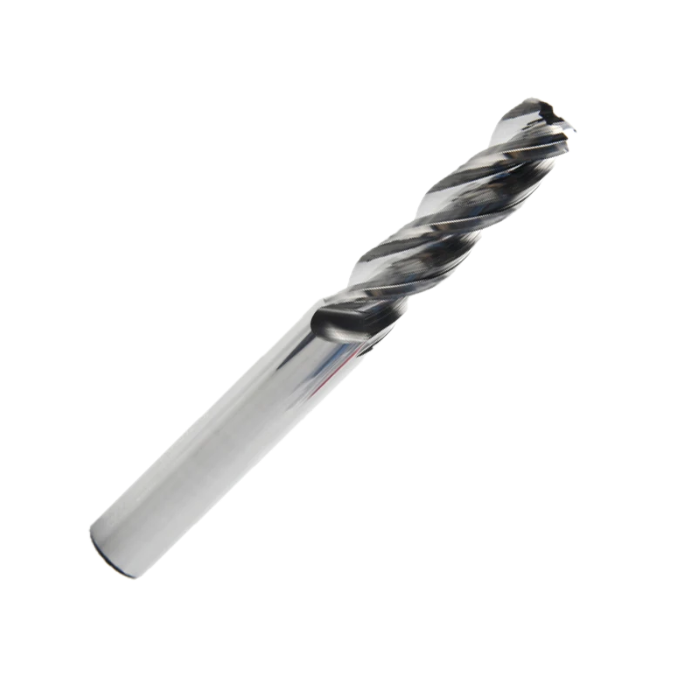
Interrupted cutting repeatedly moves a tool into and out of contact with a workpiece. Each re-entry creates a mechanical shock, while cutting heat rises and falls instead of remaining steady. HSS cutting tools often excel in this demanding cycle because their toughness helps them tolerate impact and their properties can suit variable-speed operations. Their advantage depends on the cut, setup, and tool condition rather than material name alone.
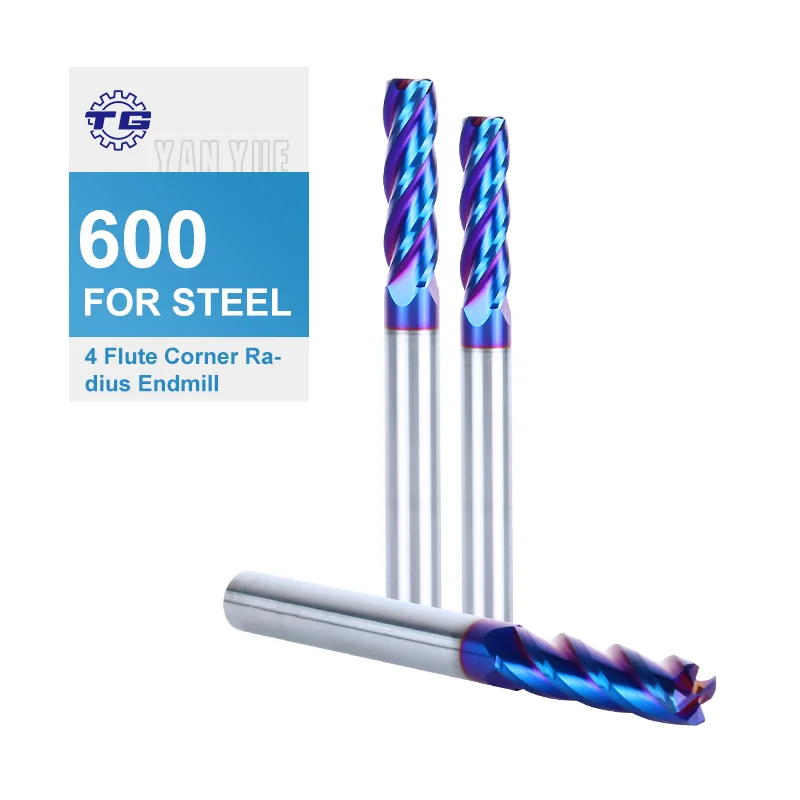
The practical reason to consider hss cutting tools is their balance of edge strength, resilience, and operating flexibility. In milling across slots, keyways, cast surfaces, or cross holes, the cutting edge faces repeated loading that can chip a more brittle edge. Understanding how hss cutting tools respond to impact, heat, and machine conditions helps engineers decide when they are a sound choice and how to apply them reliably.
Impact tolerance supports repeated tool entry
Toughness helps resist edge chipping
At each entry, a cutter meets material abruptly, and the load can be concentrated at a small portion of the edge. HSS cutting tools are valued for toughness, which helps an edge withstand this repeated impact without behaving as a highly brittle cutting material might. This makes hss cutting tools relevant when the workpiece includes interrupted features or an uneven surface.
The benefit is especially useful when a milling path crosses a gap, a hole, or a raised feature. Instead of maintaining constant engagement, the cutter alternates between loaded cutting and brief periods without contact. HSS cutting tools can accommodate this changing load when the geometry is appropriate, although toughness does not make an edge immune to wear, overload, or poor setup.
Edge geometry shapes the impact response
A robust cutting edge can distribute entry forces more effectively than an unnecessarily sharp, fragile profile. For hss cutting tools, the selected rake, relief, and edge preparation should reflect workpiece hardness, cut depth, and the severity of interruption. A sound geometry can reduce the chance that localized impact starts a chip that grows with every pass.
Tool selection should therefore consider more than the base material. HSS cutting tools need suitable tooth form and clearance for the intended operation, while the fixture must limit workpiece movement. If vibration or excessive engagement persists, even tough hss cutting tools can develop edge damage, poor finish, and inconsistent dimensions.
Thermal cycling and operating flexibility
Intermittent contact changes heat behavior
Interrupted cuts create thermal cycling: an edge heats while cutting, then cools when it leaves the work. Repeated expansion and contraction can stress the cutting zone. HSS cutting tools are often considered for operations where a less brittle response is valuable, and hss cutting tools may be a practical option when impact and changing contact occur together.
Heat management still matters. If speed is too high for the material and engagement, temperature can rise beyond a useful range and accelerate wear. HSS cutting tools should be run within a suitable cutting-speed window, with feed and depth selected to avoid both rubbing and excessive load. A controlled process helps preserve the edge through successive entries.
Speed control can suit variable conditions
Some interrupted operations involve older equipment, manual adjustments, or workholding that makes peak cutting speed difficult to maintain consistently. HSS cutting tools can be useful in these settings because the process may be run at moderate speeds while the operator manages engagement and chip formation. That flexibility does not mean hss cutting tools should be used without defined parameters.
Compare the actual job demands with the tool and machine capabilities. A stable spindle, a rigid fixture, and a consistent tool path reduce sudden load changes. When the operation allows speed adjustment, hss cutting tools can be applied with a conservative starting condition, followed by monitored changes to feed or speed based on chips, sound, finish, and edge condition.
Application fit depends on the complete setup
Match tool choice to workpiece and cut
Material hardness, abrasiveness, and feature layout all influence the decision. HSS cutting tools may suit interrupted milling where toughness is a priority and cutting speed remains manageable. For a particular job, evaluate whether the tool geometry reaches the feature, clears chips, and maintains enough support at the edge. HSS cutting tools are not automatically the right choice for every alloy or production target.
Consider a slot interrupted by cross holes or a milling pass over a casting with inconsistent contact. These are situations where impact tolerance can matter more than maximum speed. Choose hss cutting tools only after confirming that the material, cutter design, and required surface quality align. A tool that survives impact but produces unacceptable finish or cycle time is not a successful process choice.
Control engagement and inspect performance
A practical setup begins with secure workholding, minimal tool overhang, and an engagement strategy that avoids unnecessary shocks. HSS cutting tools benefit from a stable feed that keeps the edge cutting instead of rubbing. Where applicable, coolant or lubrication should be selected for the material and operation, as inconsistent application can add thermal stress during repeated entry and exit.
Inspect the cutting edge at planned intervals and note where wear or chipping appears. If hss cutting tools show damage concentrated at entry points, review engagement, runout, rigidity, and tool geometry before simply lowering speed. A controlled adjustment process identifies the cause and helps keep the operation repeatable. For a suitable milling application, hss cutting tools can be assessed against those requirements.
FAQ
Why do HSS cutters handle interrupted cuts well?
Their toughness can help resist the repeated impact that occurs when a tool re-enters the workpiece. HSS cutting tools still require suitable geometry, secure setup, and appropriate operating conditions; toughness does not prevent every form of wear or failure.
Are HSS cutting tools suitable for every milling job?
No. HSS cutting tools can be useful when impact tolerance and manageable cutting speeds suit the process, but workpiece material, production needs, machine rigidity, and finish requirements also matter. Confirm the complete application before choosing a tool.
What should operators check when an edge chips?
Check workholding, tool runout, overhang, engagement, feed, and the cutter’s edge geometry. HSS cutting tools may chip when loads are excessive or unstable, so identify the source of impact before changing parameters. Regular inspection can reveal whether the adjustment is helping.