Versatile Applications Across Industries and Materials
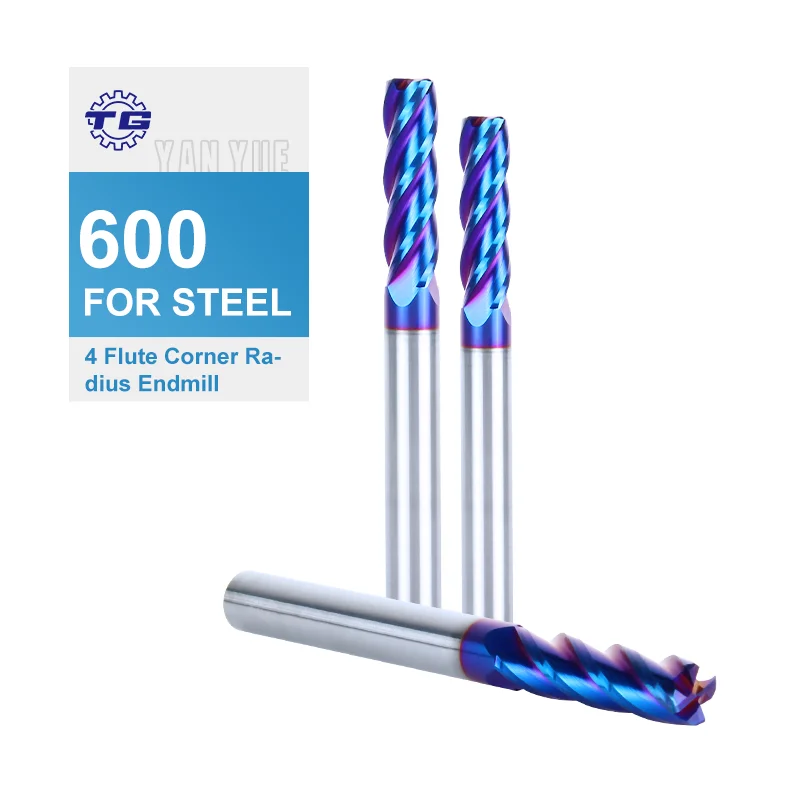
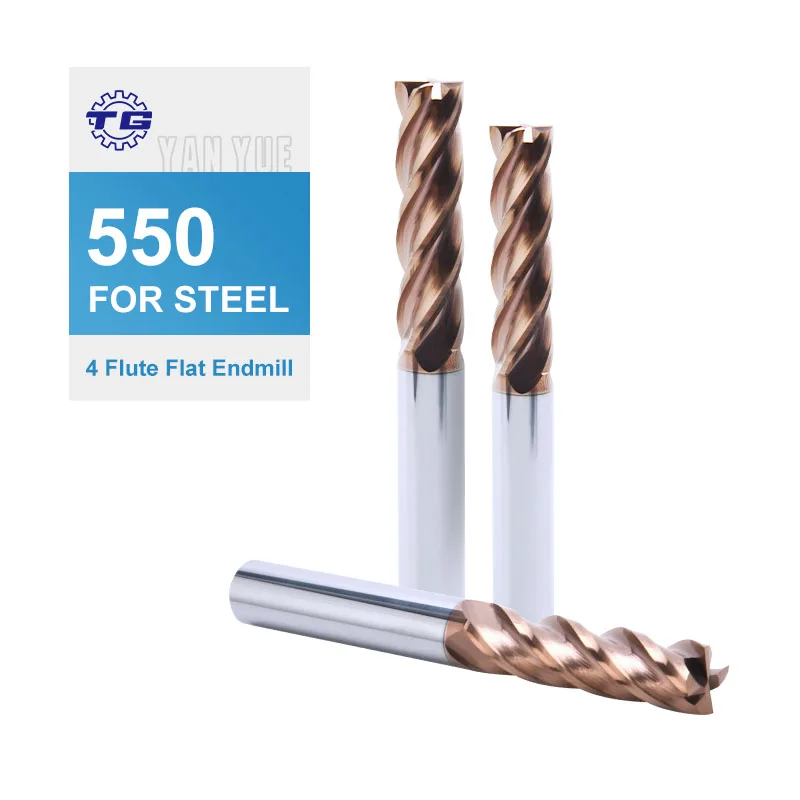
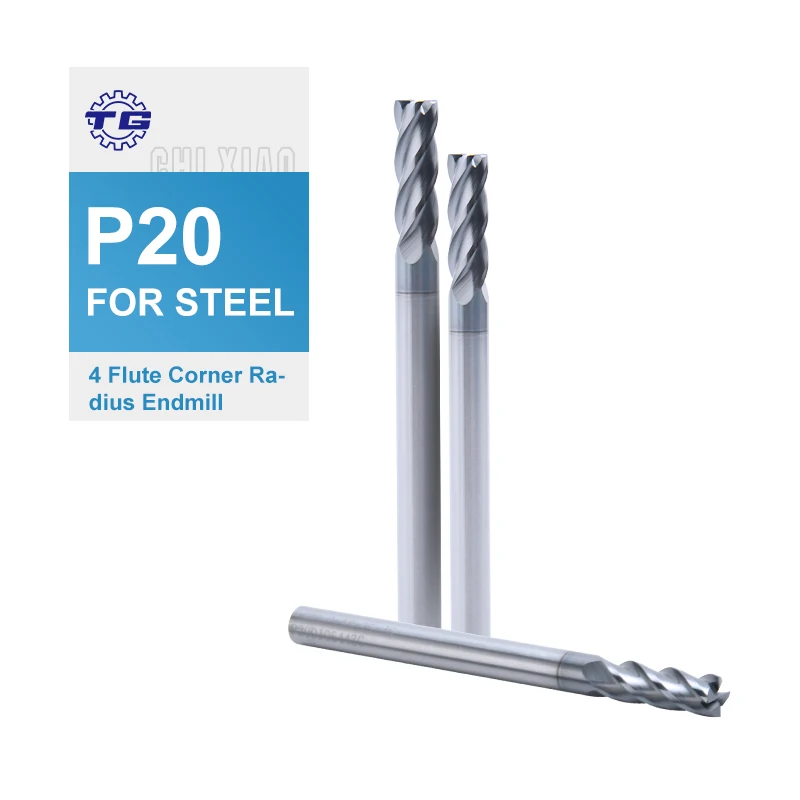
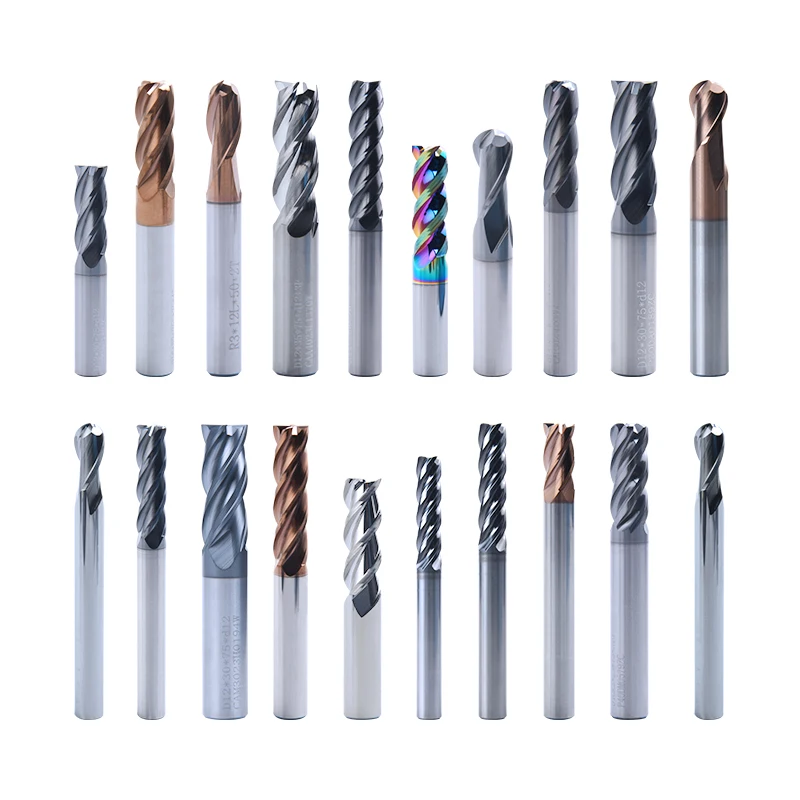
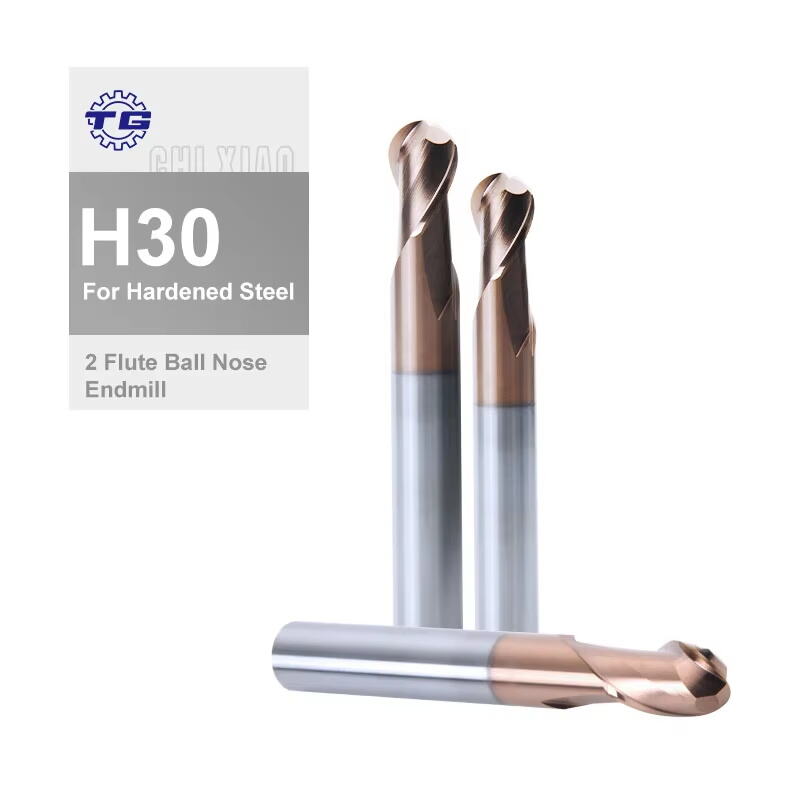
The remarkable versatility of solid carbide tools positions them as essential assets across virtually every manufacturing sector, addressing diverse machining challenges with reliable performance and consistent results. In aerospace manufacturing, solid carbide tools excel at machining exotic alloys including titanium, Inconel, and other nickel-based superalloys that resist cutting due to their high strength and work-hardening characteristics. These demanding materials generate extreme heat and cutting forces that would rapidly destroy lesser tools, but solid carbide tools maintain their cutting edges and dimensional stability throughout extended machining cycles. The medical device industry relies heavily on solid carbide tools to produce intricate components from stainless steels, titanium alloys, and cobalt-chrome materials, where surface finish requirements and dimensional tolerances reach extreme levels. Solid carbide tools deliver the precision necessary for manufacturing surgical instruments, orthopedic implants, and dental devices where even minor deviations can compromise functionality or patient safety. Automotive manufacturers utilize solid carbide tools for producing engine components, transmission parts, and chassis elements from cast iron, aluminum alloys, and hardened steels, benefiting from the high-speed capabilities that reduce cycle times in high-volume production environments. The die and mold industry depends on solid carbide tools for machining hardened tool steels, often working with materials exceeding 60 HRC hardness where conventional tools fail immediately. These applications demand tools that maintain sharp cutting edges while resisting the abrasive wear inherent in machining hardened materials for extended periods. Electronics manufacturing employs solid carbide tools for creating precision features in circuit boards, connectors, and housings, where small diameter tools must maintain accuracy while operating at high rotational speeds. The energy sector uses solid carbide tools for machining components in oil and gas exploration equipment, power generation turbines, and renewable energy systems, often working with corrosion-resistant alloys and high-temperature materials. General precision machining operations across countless industries benefit from solid carbide tools when producing prototypes, custom components, or specialized parts requiring tight tolerances and excellent surface finishes. The adaptability of solid carbide tools to both roughing operations that remove large amounts of material quickly and finishing operations that achieve precise dimensions makes them invaluable throughout the manufacturing process. Whether you operate a small job shop handling diverse projects or manage high-volume production lines, solid carbide tools provide the performance reliability and versatility necessary to meet your manufacturing objectives efficiently and economically.

 EN
EN