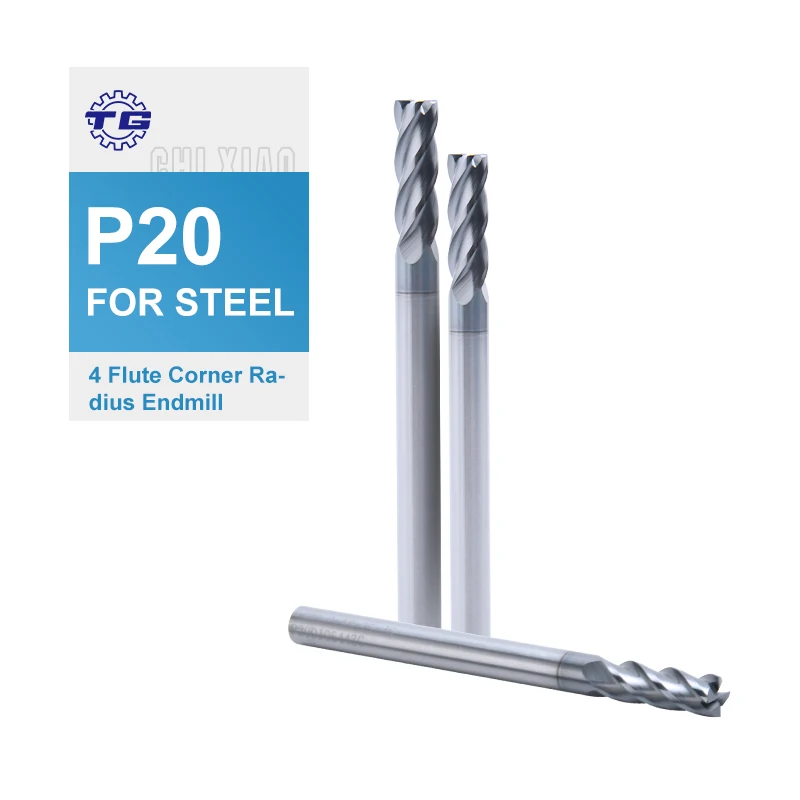
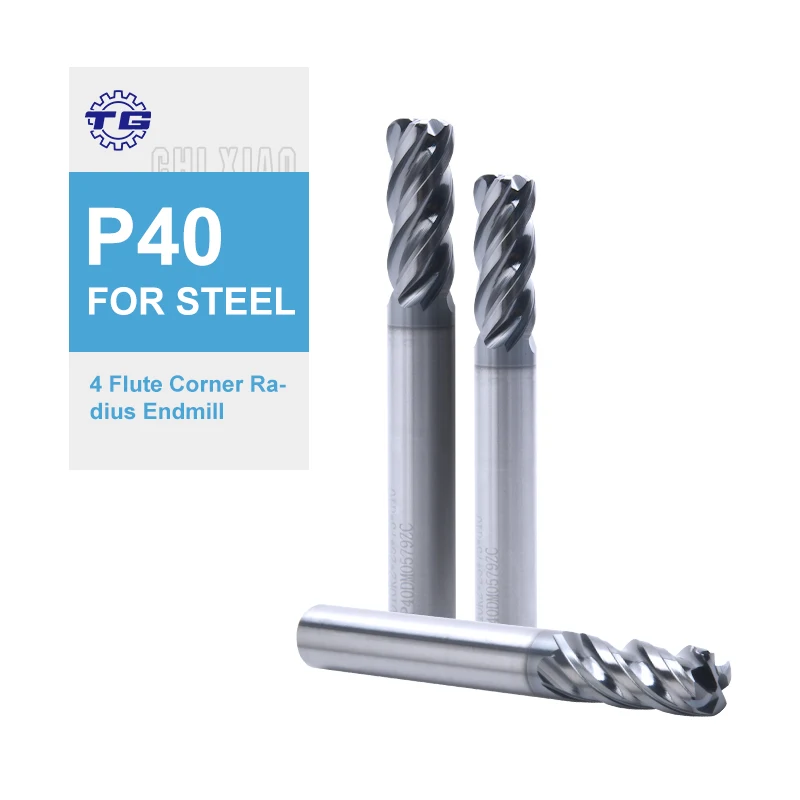
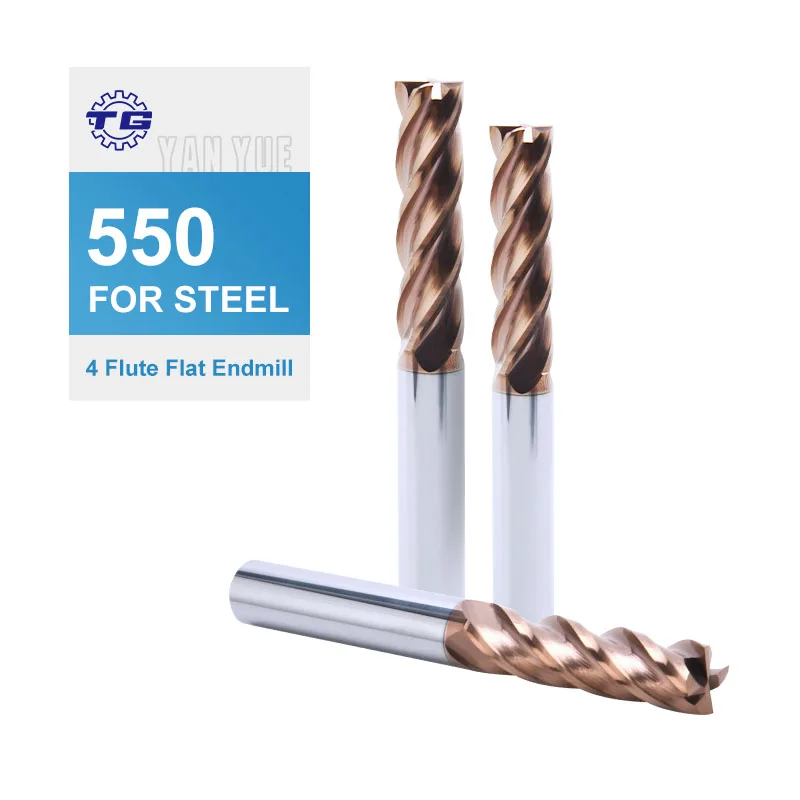
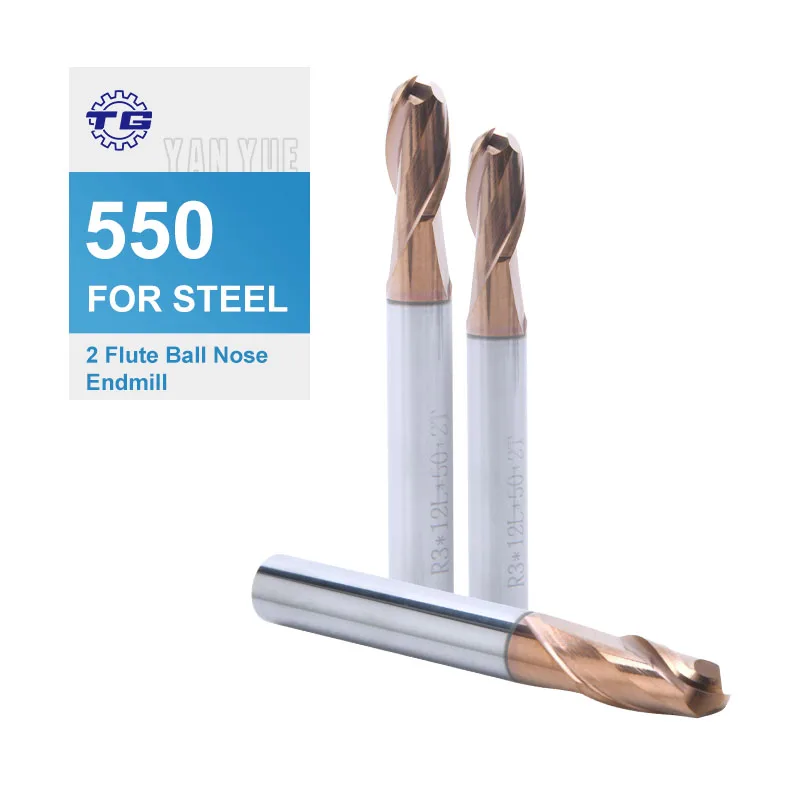
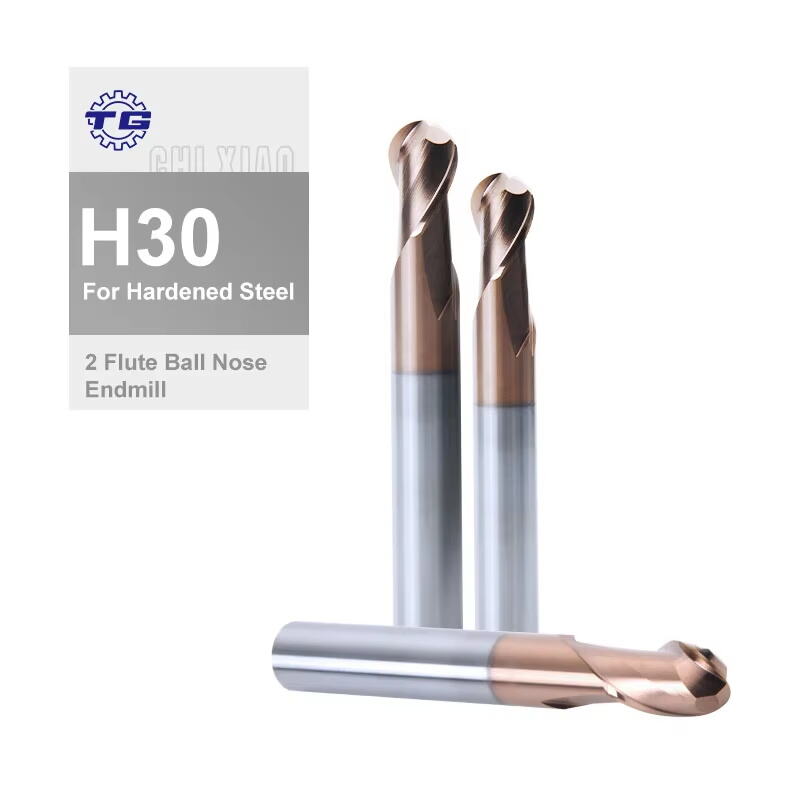
carbide tip lathe tools
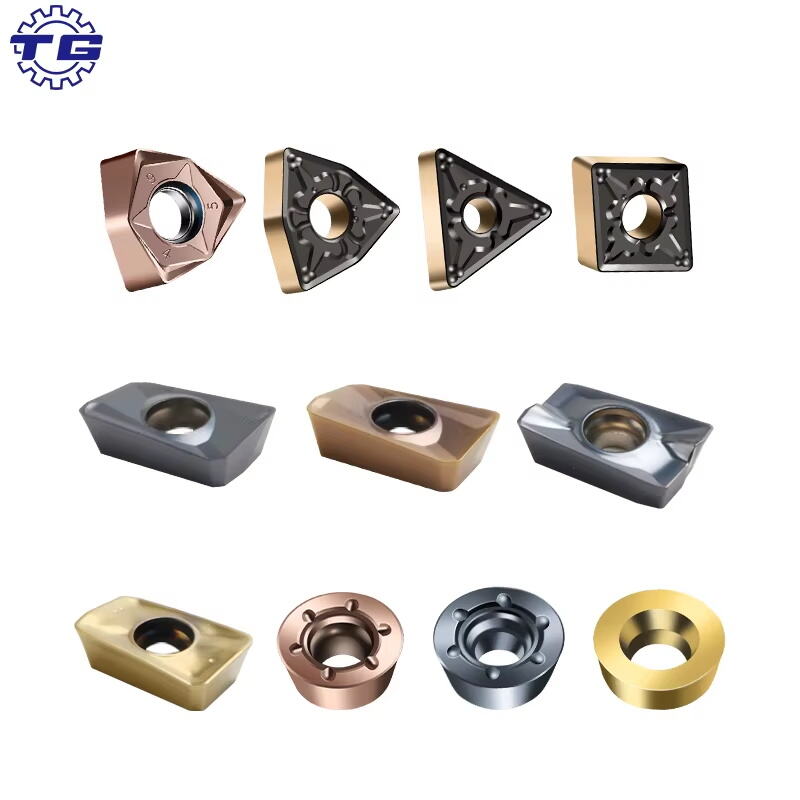
Carbide tip lathe tools represent a significant advancement in modern machining technology, offering exceptional performance for metalworking professionals and manufacturing facilities. These specialized cutting instruments feature tungsten carbide tips brazed onto steel tool bodies, combining the durability of carbide with the flexibility of steel shanks. The main functions of carbide tip lathe tools include turning operations, facing, threading, grooving, and parting off various materials ranging from soft metals to hardened steel alloys. The technological features that distinguish these tools involve their multi-layered construction, where premium-grade tungsten carbide cutting edges are securely attached to forged steel holders through advanced brazing techniques. This design ensures optimal heat dissipation during high-speed machining operations while maintaining structural integrity under substantial cutting forces. The carbide tips undergo precision grinding to achieve specific geometries suitable for different machining applications, with rake angles, clearance angles, and nose radii carefully engineered to maximize cutting efficiency. Applications for carbide tip lathe tools span across automotive manufacturing, aerospace component production, general machine shops, maintenance facilities, and educational institutions teaching machining fundamentals. These tools excel in production environments where consistent dimensional accuracy and extended tool life are paramount. Manufacturers utilize carbide tip lathe tools for roughing operations that remove large amounts of material quickly, as well as finishing passes that demand superior surface quality. The versatility of these cutting tools allows operators to machine diverse workpiece materials including carbon steel, stainless steel, cast iron, brass, bronze, and aluminum alloys. Modern carbide tip lathe tools incorporate chip-breaker geometries that control chip formation, preventing long stringy chips that could compromise operator safety or damage workpiece surfaces. The heat resistance of tungsten carbide enables these tools to maintain their cutting edge geometry at temperatures exceeding 800 degrees Celsius, significantly outperforming traditional high-speed steel alternatives in demanding production scenarios.

 EN
EN