
 EN
EN
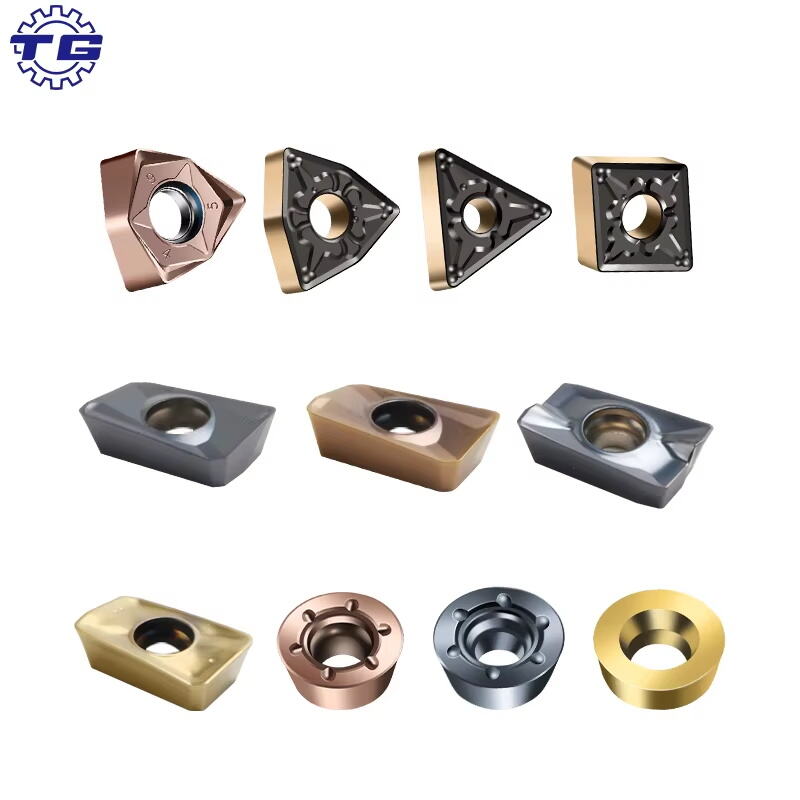
Selecting the appropriate milling cutter for your machining project is a critical decision that directly impacts production efficiency, surface finish quality, and overall manufacturing costs. Whether you're working with aluminum, steel, or exotic alloys, understanding the fundamental principles of milling cutter selection ensures optimal performance and extends tool life. The complexity of modern manufacturing demands precision tools that can handle diverse materials while maintaining consistent accuracy across extended production runs.
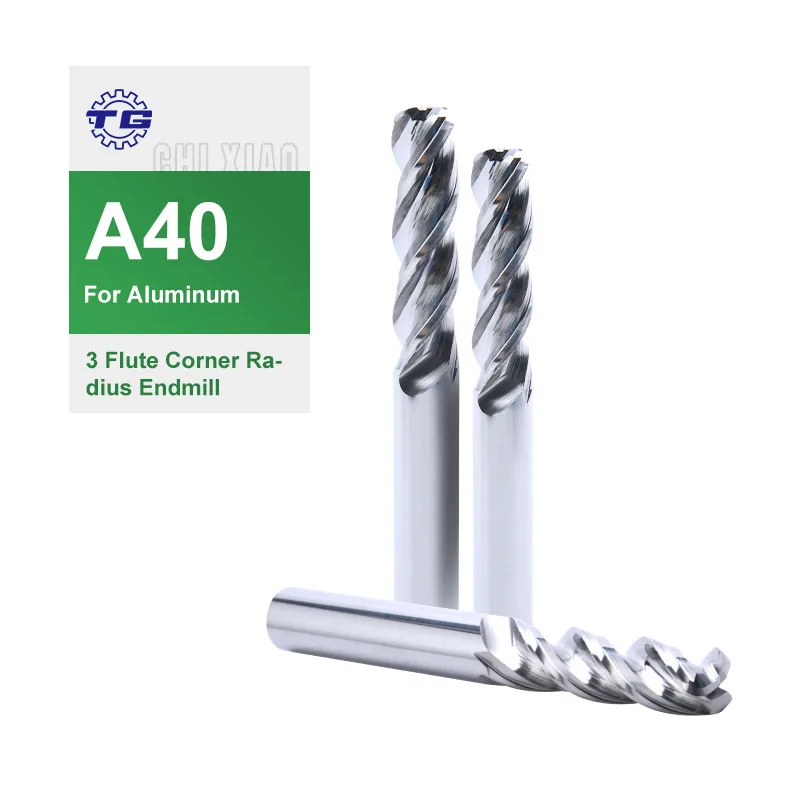
Modern CNC machining operations rely heavily on the proper selection of cutting tools to achieve desired outcomes. A poorly chosen milling cutter can result in excessive tool wear, poor surface finishes, dimensional inaccuracies, and increased production costs. Conversely, the right tool selection maximizes material removal rates while maintaining superior surface quality and dimensional precision.
Understanding Milling Cutter Geometry and Design
Flute Configuration and Chip Evacuation
The number of flutes on a milling cutter significantly influences its performance characteristics and application suitability. Two-flute end mills excel in aluminum and softer materials, providing excellent chip evacuation and allowing for aggressive feed rates. The larger gullet space between flutes accommodates the longer chips typically generated when machining non-ferrous materials, preventing chip packing and subsequent tool damage.
Four-flute milling cutters offer superior surface finishes and increased productivity in harder materials like steel and stainless steel. The additional cutting edges provide more cuts per revolution, resulting in smoother surface finishes and reduced machining time. However, the reduced chip evacuation space requires careful consideration of feed rates and cutting parameters to prevent chip buildup.
Three-flute designs represent a compromise between chip evacuation and surface finish, making them versatile choices for various materials and applications. These tools provide better balance than their two or four-flute counterparts, reducing vibration and chatter while maintaining reasonable chip evacuation capabilities.
Helix Angle Considerations
The helix angle of a milling cutter affects cutting forces, surface finish, and tool life. Low helix angles, typically 10-25 degrees, generate higher radial forces but provide stronger cutting edges suitable for heavy roughing operations. These angles work well in rigid setups where vibration is minimal and maximum material removal is the priority.
High helix angles, ranging from 35-45 degrees, produce shearing cuts that reduce cutting forces and improve surface finishes. These configurations excel in finishing operations and thin-wall machining where minimizing deflection is crucial. The progressive engagement of cutting edges along the helix reduces shock loading and extends tool life in demanding applications.
Variable helix designs incorporate multiple helix angles on the same tool to break up harmonic frequencies and reduce chatter. This advanced geometry proves particularly beneficial in unstable machining conditions or when working with materials prone to vibration-induced surface defects.
Material-Specific Milling Cutter Selection
Aluminum and Non-Ferrous Materials
Machining aluminum requires careful consideration of tool geometry and coatings to prevent built-up edge formation and ensure optimal surface finishes. Sharp cutting edges with polished flute surfaces minimize friction and reduce the tendency for aluminum to adhere to the tool. Two or three-flute milling cutters with large gullets provide excellent chip evacuation, essential for aluminum's tendency to produce long, stringy chips.
Uncoated carbide tools often perform better in aluminum applications than coated alternatives, as certain coatings can increase friction and promote material buildup. When coatings are necessary for extended tool life, diamond-like carbon (DLC) or specialized aluminum-optimized coatings provide the best results by reducing friction and preventing material adhesion.
Feed rates in aluminum can be significantly higher than in ferrous materials, taking advantage of the material's excellent machinability. However, proper coolant application becomes critical to manage heat generation and prevent workpiece distortion, particularly in thin-walled components.
Steel and Ferrous Alloys
Steel machining demands robust milling cutter designs capable of withstanding higher cutting forces and temperatures. Four-flute end mills with TiAlN or AlCrN coatings provide excellent wear resistance and thermal stability required for steel applications. The additional cutting edges distribute wear more evenly while maintaining productivity through higher feed rates per minute.
Corner radius end mills prove particularly effective in steel applications, as the radiused corner distributes cutting forces over a larger area, reducing stress concentrations and extending tool life. This geometry also produces superior surface finishes compared to sharp corner tools, often eliminating secondary finishing operations.
Variable pitch milling cutters excel in steel machining by interrupting chatter-inducing frequencies. The unequal spacing of cutting edges creates irregular cutting forces that prevent the buildup of harmful vibrations, enabling higher metal removal rates and improved surface quality.
Exotic and High-Temperature Alloys
Machining superalloys like Inconel, Hastelloy, and titanium requires specialized milling cutter designs and cutting strategies. These materials work-harden rapidly and generate significant heat, demanding tools with exceptional hot hardness and thermal shock resistance. Sharp cutting edges are essential to minimize work hardening, while robust tool designs prevent premature failure under extreme cutting conditions.
Ceramic and cermet cutting tools often outperform carbide in high-temperature alloy applications, maintaining their cutting edge integrity at temperatures where carbide tools fail. However, these materials require stable machining conditions and careful parameter selection to prevent catastrophic failure.
Flood coolant or high-pressure coolant systems become mandatory when machining exotic alloys, as heat management directly correlates with tool life and workpiece quality. Interrupted cuts and trochoidal milling strategies help manage heat generation while maintaining productivity.
Coating Technologies and Performance Enhancement
Physical Vapor Deposition Coatings
Physical Vapor Deposition (PVD) coatings enhance milling cutter performance through improved wear resistance, reduced friction, and increased thermal stability. Titanium Aluminum Nitride (TiAlN) coatings excel in high-temperature applications, forming a protective aluminum oxide layer that provides thermal barrier properties essential for steel and cast iron machining.
Chromium coatings, particularly AlCrN, offer superior oxidation resistance and maintain their properties at elevated temperatures. These coatings prove particularly effective in dry machining applications where coolant use is restricted or undesirable. The hard, dense structure resists abrasive wear while maintaining sharp cutting edges.
Multi-layer coating systems combine different materials to optimize specific performance characteristics. For example, a hard outer layer provides wear resistance while a tough inner layer prevents coating delamination, extending overall tool life in demanding applications.
Diamond and CBN Coatings
Diamond coatings represent the ultimate in milling cutter performance for non-ferrous materials, providing exceptional wear resistance and superior surface finishes. The extremely low friction coefficient of diamond reduces cutting forces and heat generation, enabling higher cutting speeds and extended tool life in aluminum, composites, and graphite applications.
Cubic Boron Nitride (CBN) coatings excel in hardened steel applications where conventional carbide tools struggle. The exceptional hardness and thermal stability of CBN enable machining of materials above 45 HRC while maintaining dimensional accuracy and surface quality previously achievable only through grinding operations.
Nanocrystalline diamond coatings offer improved adhesion compared to conventional diamond films while maintaining superior wear resistance. These advanced coatings enable machining of challenging materials like silicon aluminum alloys and metal matrix composites with exceptional tool life and surface quality.
Cutting Parameter Optimization
Speed and Feed Relationships
Proper speed and feed selection maximizes milling cutter performance while ensuring acceptable tool life and surface quality. Surface speed calculations must account for material properties, tool diameter, and desired surface finish requirements. Higher speeds generally improve surface finish but may reduce tool life in harder materials due to increased temperature generation.
Feed per tooth calculations determine the chip load each cutting edge encounters, directly affecting tool life and surface quality. Insufficient feed per tooth results in rubbing rather than cutting, causing rapid tool wear and poor surface finishes. Excessive feed per tooth overloads the cutting edge, leading to premature failure or workpiece damage.
The relationship between spindle speed and table feed rate must be optimized for each specific application. Modern CAM software provides recommended starting parameters, but fine-tuning based on actual machining conditions ensures optimal results. Monitoring systems can provide real-time feedback for parameter adjustment during production runs.
Depth of Cut Strategies
Axial and radial depth of cut selection significantly impacts milling cutter performance and tool life. Light axial cuts with full radial engagement suit finishing operations, while deeper axial cuts with reduced radial engagement optimize roughing productivity. Understanding the balance between these parameters enables efficient material removal while maintaining tool integrity.
Trochoidal milling strategies utilize the full cutting edge while maintaining constant tool engagement, reducing heat generation and extending tool life. This approach proves particularly effective when machining difficult materials or in situations where conventional milling would overload the tool or workpiece setup.
Climb milling versus conventional milling selection affects surface finish, tool life, and machining stability. Climb milling generally produces superior surface finishes and longer tool life but requires rigid machine setups to prevent backlash-induced vibration. Conventional milling works better in less rigid setups but may sacrifice surface quality and tool life.
Machine Compatibility and Setup Considerations
Spindle Power and Torque Requirements
Matching milling cutter requirements to available machine capabilities ensures optimal performance and prevents equipment damage. Large diameter tools require significant spindle torque at lower speeds, while small diameter tools need high-speed capability with adequate power throughout the speed range. Understanding power curves helps select appropriate tools for available equipment.
Tool holder selection affects both performance and safety, with proper balance and runout critical for achieving desired surface finishes. Heat shrink holders provide the most rigid connection but require specialized equipment, while collet systems offer versatility at the expense of some rigidity. Hydraulic holders provide excellent balance and clamping force for high-speed applications.
Runout specifications directly impact surface finish quality and tool life, with excessive runout causing uneven wear patterns and premature failure. Regular measurement and correction of runout ensures consistent performance and prevents costly tool damage or workpiece rejection.
Workholding and Setup Rigidity
Rigid workholding proves essential for optimal milling cutter performance, particularly in finishing operations where surface quality is critical. Vibration and deflection caused by inadequate workholding result in poor surface finishes, dimensional inaccuracies, and reduced tool life. Proper fixture design distributes clamping forces while providing adequate support against cutting forces.
Machine condition assessment before tool selection prevents performance issues and ensures safety. Worn spindle bearings, excessive backlash, or inadequate rigidity limit the effectiveness of even the best cutting tools. Regular maintenance and condition monitoring maximize both tool performance and machine capability.
Environmental factors such as temperature stability, vibration isolation, and coolant quality affect milling cutter performance. Temperature variations cause dimensional changes that impact accuracy, while external vibrations can induce chatter and surface defects. Proper facility design and maintenance create optimal conditions for precision machining operations.
Cost Analysis and Tool Life Optimization
Total Cost of Ownership Calculations
Evaluating milling cutter performance requires comprehensive cost analysis beyond initial purchase price. Tool cost per part manufactured provides a more accurate assessment of true tool value, accounting for productivity, tool life, and quality outcomes. Higher-priced premium tools often deliver lower per-part costs through extended life and improved productivity.
Labor costs associated with tool changes, setup adjustments, and quality issues significantly impact total manufacturing costs. Tools that maintain consistent performance throughout their life reduce operator intervention and minimize production interruptions. Predictable tool life enables better production scheduling and inventory management.
Quality costs including rework, scrap, and inspection time must be factored into tool selection decisions. Superior milling cutters that consistently produce parts within specification reduce quality-related costs and improve overall profitability. The investment in premium tools often pays dividends through reduced quality issues and improved customer satisfaction.
Tool Life Monitoring and Replacement Strategies
Modern manufacturing benefits from predictive tool life monitoring systems that track performance parameters and predict optimal replacement timing. These systems prevent catastrophic tool failure while maximizing tool utilization, reducing costs through optimized replacement schedules. Sensor-based monitoring provides real-time feedback on tool condition and performance trends.
Established replacement criteria based on surface finish degradation, dimensional accuracy, or cutting force increases provide consistent tool management. Rather than arbitrary time-based replacement, performance-based criteria ensure tools are used to their full potential while preventing quality issues. Documentation of tool performance enables continuous improvement in selection and application.
Reconditioning programs for premium milling cutters can significantly reduce tool costs while maintaining performance standards. Professional regrinding services restore cutting edges and extend tool life at a fraction of new tool costs. However, reconditioning success depends on proper tool handling and timely removal from service before excessive wear occurs.
FAQ
What factors determine the optimal number of flutes for a milling cutter?
The optimal number of flutes depends primarily on the material being machined and the desired balance between surface finish and chip evacuation. Two-flute milling cutters work best for aluminum and softer materials requiring aggressive material removal, while four-flute tools excel in harder materials like steel where surface finish is critical. Three-flute designs offer versatility across multiple materials and applications.
How do coatings affect milling cutter performance and selection?
Coatings significantly enhance milling cutter performance by improving wear resistance, reducing friction, and enabling higher cutting speeds. TiAlN coatings excel in high-temperature applications like steel machining, while specialized coatings like DLC benefit aluminum applications. The choice of coating should match the specific material and cutting conditions to maximize tool life and performance.
When should I choose solid carbide versus HSS milling cutters?
Solid carbide milling cutters offer superior performance in most modern machining applications due to their hardness, wear resistance, and ability to maintain sharp cutting edges at high speeds. HSS tools remain viable for interrupted cuts, general-purpose work, or applications where carbide's brittleness poses risks. Carbide tools justify their higher cost through increased productivity and longer tool life in production environments.
What cutting parameters should I start with for a new milling cutter?
Starting parameters should be based on manufacturer recommendations for the specific milling cutter and material combination. Begin with conservative feeds and speeds, then gradually optimize based on performance observations. Monitor surface finish, tool wear, and cutting forces to determine optimal parameters for your specific application and machine setup. Document successful parameters for future reference and consistency.