
 EN
EN
When machining steel components, selecting the appropriate carbide inserts for steel becomes critical for achieving optimal performance, tool life, and surface finish quality. The geometry and shape of these cutting tools directly influence chip formation, heat dissipation, and overall machining efficiency. Understanding which insert shapes work best with different steel grades helps manufacturers optimize their operations while reducing costs and improving productivity. Modern machining operations require careful consideration of insert geometry to handle the varying characteristics of steel alloys, from soft low-carbon steels to hardened tool steels.
Understanding Insert Shape Fundamentals
Basic Geometry Classifications
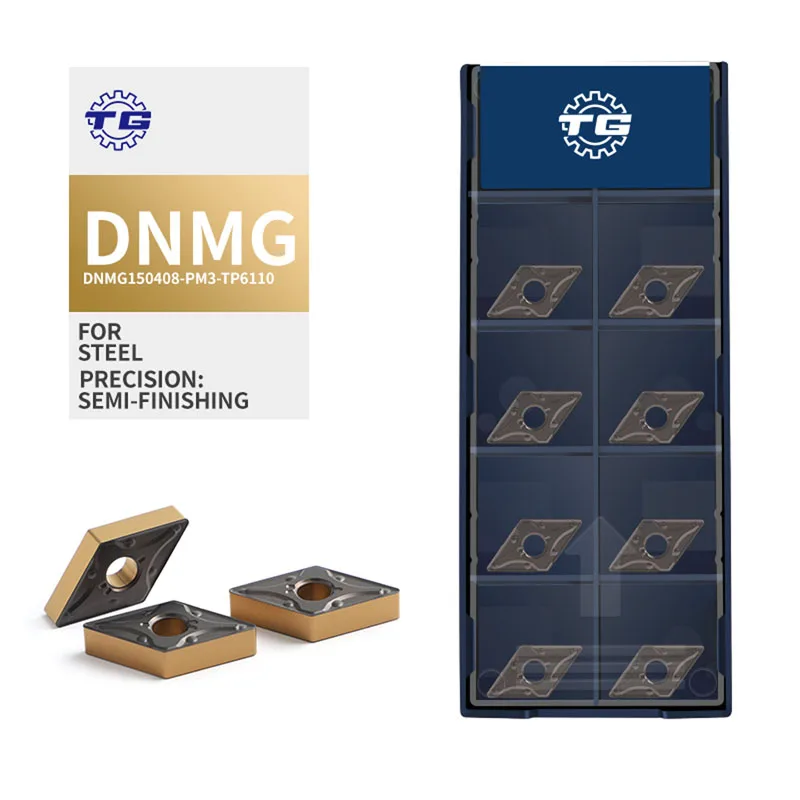
Carbide insert shapes are classified using standardized designation systems that define their geometric characteristics. The most common shapes include triangular, square, diamond, and round inserts, each offering distinct advantages when machining steel materials. Triangular inserts provide three cutting edges and sharp cutting angles, making them excellent for finishing operations on steel components. Square inserts offer four cutting edges with 90-degree corner angles, providing versatility for both roughing and finishing applications on various steel grades.
Diamond-shaped inserts feature acute angles that enable precise cutting actions, particularly beneficial when working with hardened steels or achieving tight dimensional tolerances. Round inserts provide the strongest cutting edge geometry, making them ideal for interrupted cuts and heavy roughing operations on tough steel alloys. The selection of carbide inserts for steel depends heavily on the specific machining operation, workpiece material properties, and desired surface finish requirements.
Cutting Edge Configurations
The cutting edge configuration significantly impacts how carbide inserts for steel perform during machining operations. Sharp cutting edges reduce cutting forces and generate less heat, making them suitable for softer steel grades and finishing operations. However, they may chip or wear prematurely when used on harder steels or in rough machining conditions. Honed cutting edges provide a balance between sharpness and durability, offering good performance across a wide range of steel applications while maintaining reasonable tool life.
Chamfered cutting edges feature small bevels that strengthen the cutting edge against chipping and wear, particularly valuable when machining hardened steels or cast iron components. The chamfer angle and width must be carefully selected based on the steel hardness and cutting conditions. Reinforced cutting edges incorporate additional geometric features like T-lands or negative rake angles to enhance edge strength for demanding steel machining applications.
Optimal Shapes for Different Steel Types
Low Carbon Steel Applications
Low carbon steels, typically containing less than 0.30% carbon, present unique challenges due to their tendency to form long, stringy chips and work harden during machining. The best carbide inserts for steel in this category feature positive rake angles and sharp cutting edges to minimize cutting forces and prevent work hardening. Triangular and diamond-shaped inserts work exceptionally well for turning operations, providing clean chip formation and excellent surface finishes on low carbon steel components.
Square inserts with positive geometry prove effective for face milling and shoulder milling operations on low carbon steels, offering good chip evacuation and surface quality. The key consideration when selecting carbide inserts for steel with low carbon content involves managing chip formation and preventing built-up edge formation, which can deteriorate surface finish and dimensional accuracy. Coated inserts with aluminum oxide or titanium nitride layers help reduce adhesion and improve performance when machining these ductile materials.
Medium Carbon Steel Machining
Medium carbon steels, containing 0.30% to 0.60% carbon, require carbide inserts for steel that can handle increased hardness while maintaining good chip control. These materials offer a balance between machinability and mechanical properties, making them popular for automotive and machinery applications. Diamond and rhombic-shaped inserts provide excellent performance for turning operations, offering strong cutting edges and good heat dissipation capabilities when working with medium carbon steel grades.
The increased hardness of medium carbon steels demands more robust insert geometries compared to low carbon variants. Square inserts with neutral or slightly negative rake angles provide the necessary edge strength while maintaining reasonable cutting forces. When selecting carbide inserts for steel in this hardness range, consider coated grades with multiple layers to enhance wear resistance and thermal stability during extended machining cycles.
High Carbon and Tool Steel Requirements
High carbon steels and tool steels present the most challenging machining conditions, requiring specialized carbide inserts for steel applications. These materials, often heat-treated to high hardness levels, demand inserts with maximum edge strength and thermal stability. Round inserts excel in these applications due to their superior edge strength and ability to distribute cutting forces evenly around the cutting edge circumference.
Wiper geometry inserts prove particularly valuable when machining hardened steels, as they combine the strength of conventional geometries with enhanced surface finish capabilities. The selection of carbide inserts for steel in high-hardness applications must prioritize edge reliability over maximum cutting speeds, as insert failure can result in significant downtime and workpiece scrapping. Advanced coating technologies like CVD diamond or PVD chromium-based coatings provide the necessary protection against abrasive wear and thermal degradation.
Geometric Features for Steel Machining
Rake Angle Considerations
The rake angle of carbide inserts for steel significantly influences cutting forces, chip formation, and tool life. Positive rake angles reduce cutting forces and power consumption, making them ideal for softer steel grades and machines with limited rigidity. However, positive rake angles can weaken the cutting edge, making them less suitable for interrupted cuts or harder steel materials. Neutral rake angles provide a compromise between cutting efficiency and edge strength, working well across a broad range of steel applications.
Negative rake angles create the strongest cutting edge configuration, essential when machining hardened steels or performing heavy roughing operations. While negative rake geometry increases cutting forces and power requirements, it provides maximum edge durability and resistance to chipping. The selection of rake angle for carbide inserts for steel depends on the specific application requirements, machine capabilities, and material properties of the workpiece being machined.
Chipbreaker Design Impact
Chipbreaker geometry plays a crucial role in controlling chip formation when using carbide inserts for steel machining. Properly designed chipbreakers ensure chips break into manageable sizes, preventing tangling around the workpiece or cutting tool. For steel materials, chipbreaker design must account for the material's tendency to form continuous chips, especially in softer grades or at higher cutting speeds.
Modern carbide inserts for steel incorporate sophisticated chipbreaker designs that optimize chip curl and breaking for specific cutting parameters. Deep chipbreakers work well for roughing operations on steel, creating tight chip curl and reliable breaking action. Shallow chipbreakers suit finishing operations, minimizing cutting forces while maintaining good chip control. The chipbreaker selection must align with the intended cutting parameters and steel grade characteristics to achieve optimal performance.
Coating Technologies and Steel Applications
PVD Coating Advantages
Physical Vapor Deposition coatings enhance the performance of carbide inserts for steel by providing improved wear resistance, reduced friction, and better thermal stability. PVD coatings like titanium aluminum nitride and chromium nitride excel in steel machining applications due to their excellent adhesion properties and ability to maintain cutting edge sharpness throughout extended tool life. These coatings particularly benefit high-speed machining operations on steel components where heat generation poses significant challenges.
The thin, dense nature of PVD coatings preserves the sharp cutting edges essential for quality steel machining while adding protective layers against abrasive wear. When selecting carbide inserts for steel with PVD coatings, consider the specific coating composition and thickness to match the intended application requirements. Multi-layer PVD coatings provide enhanced performance by combining different material properties in a single coating system.
CVD Coating Applications
Chemical Vapor Deposition coatings offer different advantages for carbide inserts for steel, particularly in applications involving higher cutting temperatures and more aggressive machining conditions. CVD coatings typically provide thicker protective layers compared to PVD alternatives, making them suitable for heavy-duty steel machining operations where maximum wear resistance is required. Aluminum oxide CVD coatings excel in providing thermal barrier properties, protecting the carbide substrate from heat-related degradation.
The selection between PVD and CVD coated carbide inserts for steel depends on the specific machining conditions, steel grade characteristics, and performance requirements. CVD coatings generally work better for continuous cutting operations on steel, while PVD coatings suit interrupted cuts and applications requiring sharp cutting edges. Advanced CVD coating systems incorporate multiple layers to optimize both wear resistance and thermal protection for demanding steel machining applications.
Performance Optimization Strategies
Cutting Parameter Selection
Optimizing cutting parameters when using carbide inserts for steel requires careful consideration of cutting speed, feed rate, and depth of cut relationships. Higher cutting speeds generally improve productivity but may reduce tool life, particularly when machining harder steel grades. The selection of appropriate cutting speeds for carbide inserts for steel must balance productivity requirements with tool life expectations and surface finish specifications.
Feed rate optimization directly impacts chip formation, surface finish, and tool wear patterns when using carbide inserts for steel. Higher feed rates can improve chip breaking and reduce work hardening in some steel grades, but may increase cutting forces and vibration. Depth of cut selection influences the distribution of wear along the cutting edge, with consistent engagement generally providing more predictable tool life compared to variable depth cuts.
Coolant and Lubrication Effects
Proper coolant application significantly enhances the performance of carbide inserts for steel by managing cutting temperatures and providing lubrication to reduce friction. Flood cooling works well for most steel machining operations, providing effective heat removal and chip evacuation. High-pressure coolant systems can improve chip breaking and surface finish quality when using carbide inserts for steel in challenging applications.
Dry machining with carbide inserts for steel becomes feasible with properly selected insert grades and geometries, particularly when environmental considerations or workpiece contamination concerns prohibit coolant use. Coated inserts with excellent thermal stability enable dry machining of many steel grades while maintaining acceptable tool life and surface quality. The choice between wet and dry machining affects insert selection criteria and optimization strategies.
Troubleshooting Common Issues
Wear Pattern Analysis
Understanding wear patterns on carbide inserts for steel helps identify optimization opportunities and prevent premature tool failure. Flank wear typically indicates normal wear progression but may accelerate due to excessive cutting speeds or inadequate cooling. Crater wear on the rake face suggests high cutting temperatures or chemical interaction between the insert and steel workpiece material, often addressed through coating selection or parameter adjustment.
Chipping of carbide inserts for steel usually results from excessive cutting forces, interrupted cuts, or inadequate edge strength for the application. Built-up edge formation occurs when steel material adheres to the cutting edge, degrading surface finish and potentially causing insert damage. Proper insert geometry selection and cutting parameter optimization help minimize these issues and extend tool life in steel machining applications.
Surface Finish Problems
Surface finish issues when using carbide inserts for steel often relate to chip formation problems, vibration, or improper cutting parameters. Work hardening in softer steels can create surface irregularities and increase cutting forces, addressed through sharper insert geometries and optimized feed rates. Chatter marks indicate system instability that may require different insert geometry, modified cutting parameters, or improved machine setup.
Feed marks and tool marks on machined steel surfaces typically result from excessive feed rates, worn cutting edges, or improper insert geometry selection. When using carbide inserts for steel in finishing operations, wiper geometry inserts can significantly improve surface finish quality while maintaining productivity. Proper insert selection and parameter optimization address most surface finish challenges in steel machining applications.
FAQ
What insert shape works best for general steel turning operations
Diamond-shaped inserts typically provide the best overall performance for general steel turning operations due to their strong cutting edge geometry and excellent heat dissipation characteristics. These carbide inserts for steel offer good versatility across different steel grades while maintaining reasonable tool life and surface finish quality. The 80-degree diamond shape provides sufficient edge strength for most turning applications while enabling good chip formation and control.
How do I select carbide inserts for hardened steel machining
For hardened steel machining, select carbide inserts for steel with maximum edge strength, such as round or square inserts with negative rake angles and robust chipbreaker designs. Choose inserts with advanced coatings like CVD aluminum oxide or PVD chromium-based systems to provide thermal protection and wear resistance. Prioritize edge reliability over cutting speed, using conservative cutting parameters to ensure consistent performance throughout the tool life cycle.
What causes premature failure of carbide inserts when machining steel
Premature failure of carbide inserts for steel typically results from excessive cutting parameters, improper insert geometry selection, or inadequate cooling. Chipping often occurs due to interrupted cuts with insufficient edge strength, while rapid wear may indicate excessive cutting speeds or temperatures. Built-up edge formation can cause sudden failure when machining sticky steel grades, prevented through proper coating selection and optimized cutting conditions.
Can the same insert shape work for different steel hardness levels
While some carbide inserts for steel can work across different hardness levels, optimal performance requires matching insert geometry to specific material characteristics. Square inserts with appropriate coating systems offer good versatility across medium hardness ranges, but extremely soft or hard steels benefit from specialized geometries. Consider using different insert grades or coatings within the same shape family to optimize performance across varying steel hardness levels while maintaining operational consistency.