
 EN
EN
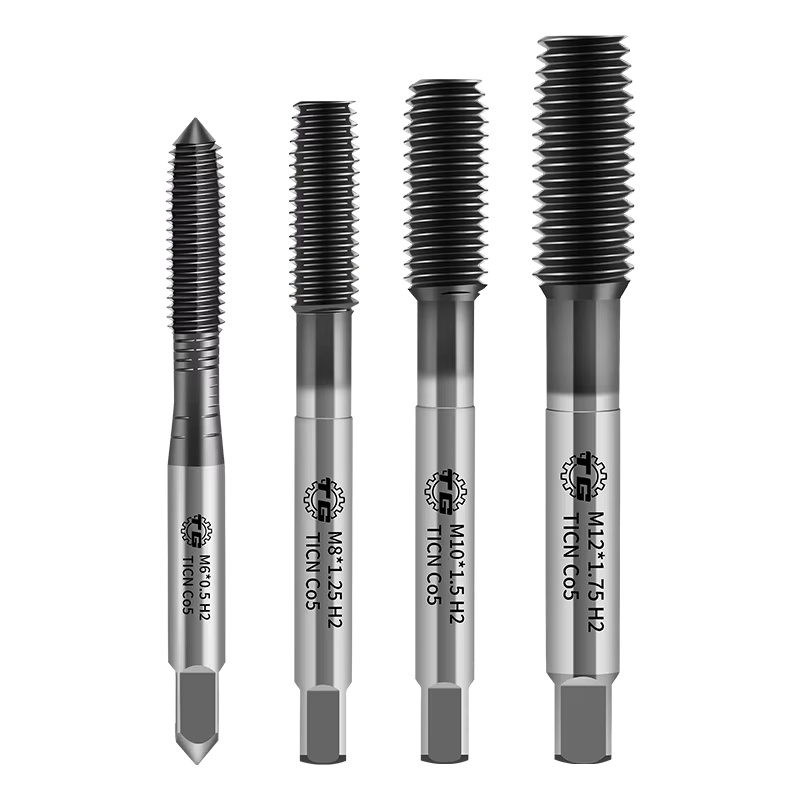
Holemaking operations represent one of the most fundamental yet potentially hazardous processes in manufacturing environments. These operations involve creating precise holes in various materials using drilling, reaming, boring, and related machining techniques. The inherent risks associated with rotating cutting tools, high-speed spindles, metal chips, and hydraulic systems demand comprehensive safety protocols to protect operators and maintain operational integrity.
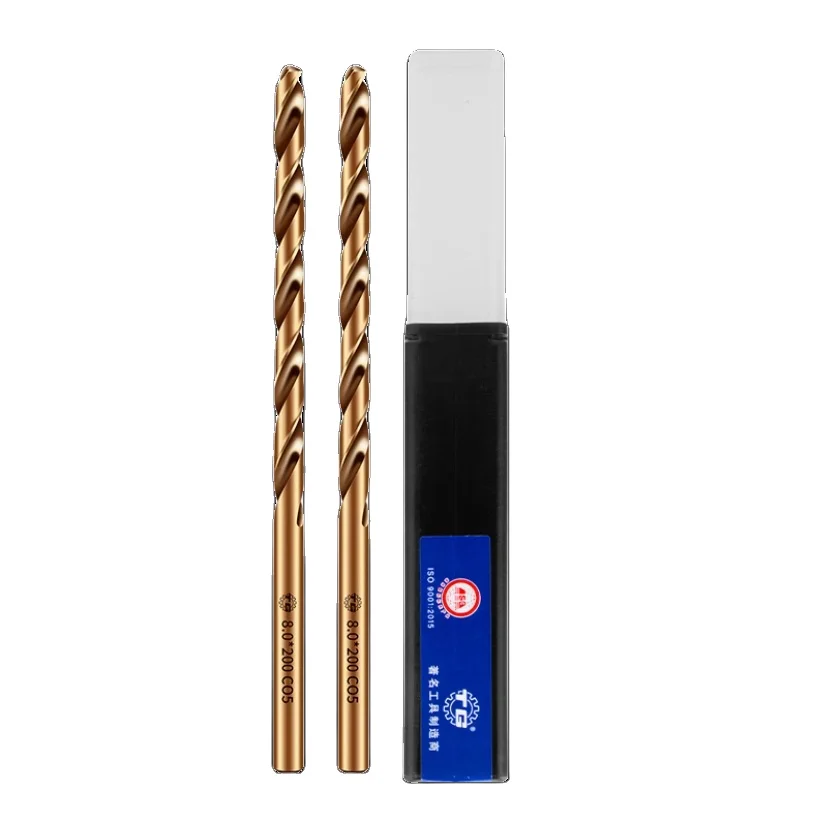
Understanding and implementing essential safety measures in holemaking operations is critical for preventing workplace injuries, equipment damage, and production disruptions. From personal protective equipment selection to machine guarding protocols, each safety component plays a vital role in creating a secure working environment where precision manufacturing can occur without compromising worker wellbeing or operational efficiency.
Personal Protective Equipment Requirements
Eye and Face Protection Standards
Safety glasses with side shields represent the minimum eye protection standard for all holemaking operations. However, operations involving high-speed drilling or materials prone to chip fragmentation require full face shields in addition to safety glasses. The protective equipment must meet ANSI Z87.1 standards and provide adequate coverage against flying debris, cutting fluids, and metal particles that characterize typical drilling environments.
Face shields become particularly crucial when working with brittle materials or when drilling large diameter holes where chip ejection velocity increases significantly. The combination of safety glasses and face shields ensures comprehensive protection against both direct impact and deflected particles that may approach from unexpected angles during holemaking operations.
Regular inspection and replacement of protective eyewear maintains effectiveness throughout extended work periods. Scratched or damaged lenses compromise visibility and protection, creating additional hazards in precision machining environments where clear vision is essential for safe operation and quality control.
Respiratory Protection Considerations
Dust masks or respirators become necessary when holemaking operations generate airborne particles, particularly when drilling composite materials, cast iron, or materials containing potentially harmful substances. The specific respiratory protection requirements depend on material composition, drilling parameters, and ventilation adequacy in the work area.
Operations involving cutting fluids also require respiratory consideration, as mist generation can create inhalation hazards. Proper ventilation systems reduce airborne contaminant concentrations, but individual respiratory protection remains essential when exposure levels exceed recommended thresholds or when ventilation systems require maintenance.
Hand and Body Protection Protocols
Cut-resistant gloves protect hands during workpiece handling and setup procedures, but operators must remove gloves before operating rotating machinery to prevent entanglement hazards. This creates a critical safety balance where hand protection is essential during preparation phases but becomes a liability during actual holemaking operations.
Loose clothing, jewelry, and long hair present significant entanglement risks around rotating spindles and drill bits. Safety protocols must address proper attire selection, including fitted clothing, secured hair, and removal of jewelry that could contact moving machine components during operation.
Machine Setup and Inspection Procedures
Pre-Operation Safety Checks
Comprehensive pre-operation inspections form the foundation of safe holemaking operations. These checks must verify drill bit condition, including proper sharpening, absence of chips or cracks, and appropriate geometry for the intended application. Damaged or improperly maintained cutting tools create unpredictable cutting forces and increased failure risk during operation.
Spindle runout verification ensures cutting tools rotate concentrically, preventing vibration, poor hole quality, and potential tool breakage. Excessive runout indicates bearing wear, improper tool mounting, or spindle damage that requires correction before beginning holemaking operations. Regular runout measurement and documentation track machine condition trends and predict maintenance requirements.
Emergency stop systems require functional testing before each work session to ensure immediate machine shutdown capability when hazardous conditions develop. Emergency stops must be accessible from all operator positions and clearly marked for quick identification during high-stress situations.
Workpiece Clamping and Fixturing
Secure workpiece fixturing prevents part movement during drilling, which can cause tool breakage, workpiece ejection, or operator injury. Clamping forces must be adequate to resist cutting forces while avoiding workpiece deformation that affects hole accuracy and may create stress concentrations leading to part failure.
Fixture design considerations include chip evacuation clearance, access for cutting fluid application, and emergency part ejection paths. Well-designed fixtures facilitate safe holemaking operations by maintaining part stability while providing necessary operator access and visibility throughout the drilling process.
Regular fixture inspection identifies wear patterns, crack development, and clamping mechanism deterioration that compromise holding capability. Preventive fixture maintenance prevents unexpected part movement that creates dangerous operating conditions and affects hole quality consistency.
Cutting Fluid System Safety
Cutting fluid delivery systems require proper pressure settings to ensure adequate lubrication and cooling without creating excessive splashing or misting. High-pressure fluid streams can cause serious injuries if directed toward operators, making proper nozzle positioning and pressure regulation critical safety components in holemaking operations.
Fluid contamination monitoring prevents bacterial growth and chemical degradation that create health hazards and affect cutting performance. Regular fluid testing, filtration system maintenance, and periodic fluid replacement maintain safe working conditions while optimizing tool life and hole quality.
Operational Safety Protocols
Speed and Feed Parameter Selection
Proper cutting parameter selection directly impacts safety in holemaking operations by controlling cutting forces, heat generation, and chip formation characteristics. Excessive cutting speeds can cause tool failure, while inadequate speeds may result in work hardening, increased cutting forces, and poor surface finish that requires additional operations.
Feed rate optimization balances productivity with safety by managing chip thickness and heat generation. Aggressive feed rates can overload cutting tools and create dangerous cutting forces, while conservative feeds may cause rubbing, heat buildup, and premature tool wear that increases failure risk during operation.
Material-specific parameter guidelines provide starting points for safe operation, but operators must monitor cutting conditions and adjust parameters based on actual performance. Cutting force monitoring, temperature measurement, and chip formation observation help identify optimal parameters that maximize safety while maintaining productivity in holemaking operations.
Chip Management and Evacuation
Effective chip evacuation prevents chip accumulation that can cause tool binding, workpiece scratching, and operator injury from sharp metal fragments. Proper chip breaker geometry, adequate cutting fluid flow, and appropriate spindle direction create chip forms that evacuate efficiently from the cutting zone.
Long, stringy chips present particular hazards as they can wrap around rotating components, creating entanglement risks and potentially pulling operators toward moving machinery. Chip breaking techniques, including interrupted feeds, specialized tool geometries, and proper cutting parameters, control chip formation to minimize these hazards in holemaking operations.
Chip collection systems protect operators from flying debris while maintaining clean work areas that prevent slipping hazards. Regular chip removal and proper disposal procedures prevent accumulation that creates fire risks, especially when drilling materials that produce combustible chips or when using flammable cutting fluids.
Tool Breakage Prevention and Response
Tool breakage monitoring systems detect sudden load changes, vibration patterns, or acoustic signatures that indicate impending tool failure. Early detection allows controlled shutdown before catastrophic failure that can damage workpieces, fixtures, or machine components while creating safety hazards for operators.
When tool breakage occurs during holemaking operations, immediate machine shutdown prevents additional damage and allows safe broken tool removal. Operators must never attempt to remove broken tools while machines are running, as rotating components can cause serious injuries during extraction attempts.
Post-breakage inspection procedures identify root causes such as improper parameters, tool wear, workpiece movement, or machine condition issues. Understanding breakage causes enables corrective actions that prevent recurrence and improve overall safety in subsequent operations.
Environmental and Workspace Safety
Lighting and Visibility Requirements
Adequate lighting levels ensure operators can clearly observe cutting conditions, workpiece positioning, and potential safety hazards during holemaking operations. Minimum illumination standards typically require 500-1000 lux at the work surface, with uniform distribution to avoid shadows that obscure critical visual cues.
Glare reduction from reflective surfaces, cutting fluids, and machine components prevents eye strain and improves hazard recognition capability. Anti-glare coatings, proper light positioning, and surface treatments help maintain optimal visibility throughout extended work periods in manufacturing environments.
Emergency lighting systems ensure safe shutdown and evacuation procedures can occur even during power failures. Battery-powered emergency lights must provide sufficient illumination for operators to safely stop machines, secure workpieces, and exit work areas when normal lighting fails during holemaking operations.
Noise Control and Hearing Protection
Sound level monitoring in machining environments helps identify when hearing protection becomes mandatory for operator safety. Drilling operations, particularly at high speeds or when working with hard materials, can generate noise levels exceeding safe exposure limits that require protective measures.
Machine enclosures, sound dampening materials, and proper maintenance reduce ambient noise levels while providing additional safety benefits such as chip containment and reduced operator exposure to cutting fluids. Well-designed acoustic treatments improve communication while protecting hearing health during extended exposure to holemaking operations.
Ventilation and Air Quality Management
Local exhaust ventilation systems capture airborne contaminants at their source, preventing accumulation of metal particles, cutting fluid mist, and other hazardous substances in the breathing zone. Proper ventilation design ensures adequate air changes while maintaining comfortable working temperatures around heat-generating equipment.
Air quality monitoring identifies contamination levels that exceed safe exposure limits, triggering additional protective measures or ventilation system adjustments. Regular filter maintenance and airflow verification ensure ventilation systems continue providing adequate protection throughout their service life in holemaking operations.
Fire prevention considerations include proper storage of flammable cutting fluids, electrical safety protocols, and hot chip management procedures. Spark generation during drilling operations, combined with flammable materials and accumulated chips, creates fire risks that require comprehensive prevention and suppression strategies.
Emergency Response and Training Protocols
Emergency Shutdown Procedures
Clearly defined emergency shutdown procedures ensure rapid machine stoppage when dangerous conditions develop during holemaking operations. These procedures must be practiced regularly and posted prominently near all machine controls, with emphasis on immediate hazard recognition and appropriate response actions.
Emergency shutdown training includes recognition of hazardous conditions such as tool breakage, workpiece movement, cutting fluid system failures, or operator entanglement risks. Quick response capabilities can prevent minor incidents from escalating into serious injuries or equipment damage.
Post-emergency procedures address injury assessment, scene security, equipment isolation, and incident reporting requirements. Proper emergency response includes ensuring affected areas remain safe while emergency services respond and investigating causes to prevent similar occurrences.
Operator Training and Certification Requirements
Comprehensive operator training programs cover machine operation, safety protocols, hazard recognition, and emergency response procedures specific to holemaking operations. Training must address both general machining safety principles and equipment-specific requirements that vary between different machine types and applications.
Ongoing training updates ensure operators remain current with safety improvements, regulatory changes, and best practice developments in manufacturing safety. Regular refresher training reinforces critical safety concepts while introducing new techniques for hazard prevention and risk mitigation.
Competency verification through testing and practical demonstrations confirms operators understand safety requirements and can implement proper procedures consistently. Documentation of training completion and competency verification supports regulatory compliance while ensuring qualified personnel conduct holemaking operations.
Incident Investigation and Prevention
Systematic incident investigation procedures identify root causes of safety events, near-misses, and equipment failures that occur during machining operations. Thorough investigation includes examination of human factors, equipment condition, procedural compliance, and environmental conditions that contributed to incidents.
Corrective action implementation addresses identified root causes through procedural improvements, equipment modifications, training enhancements, or environmental changes. Effective corrective actions prevent similar incidents while improving overall safety performance in holemaking operations.
Trend analysis of incident data reveals patterns that may indicate systemic safety issues requiring broader corrective measures. Regular safety performance review helps identify areas for improvement while recognizing successful safety initiatives that can be expanded to other operations.
FAQ
What personal protective equipment is mandatory for holemaking operations?
Mandatory PPE includes safety glasses with side shields as minimum eye protection, though face shields are required for high-speed operations or brittle materials. Cut-resistant gloves are necessary during setup but must be removed before machine operation to prevent entanglement. Respiratory protection is required when operations generate airborne particles or cutting fluid mist. Fitted clothing without loose elements and secured long hair are essential to prevent entanglement with rotating components.
How often should cutting tools be inspected for safety in holemaking operations?
Cutting tools require inspection before each use to verify proper condition, including sharpness, absence of chips or cracks, and appropriate geometry. During extended operations, periodic inspection should occur at regular intervals based on material being drilled and cutting conditions. Any signs of excessive wear, damage, or unusual cutting behavior warrant immediate tool replacement to prevent breakage and potential safety hazards.
What are the key machine safety checks required before starting holemaking operations?
Pre-operation safety checks must verify emergency stop functionality, spindle runout within acceptable limits, proper workpiece fixturing with adequate clamping forces, and cutting fluid system operation at correct pressures. Guard placement and security require verification, along with chip evacuation system operation. All safety interlocks and protective devices must be tested for proper function before beginning operations.
How should operators respond to tool breakage during drilling operations?
When tool breakage occurs, operators must immediately activate emergency stop to halt all machine movement. The work area should be secured and power isolated before attempting broken tool removal. Operators should never attempt to remove broken tools from rotating machinery. Post-breakage inspection must identify root causes such as improper parameters, excessive wear, or workpiece movement to prevent recurrence and ensure safe resumption of operations.
Table of Contents
- Personal Protective Equipment Requirements
- Machine Setup and Inspection Procedures
- Operational Safety Protocols
- Environmental and Workspace Safety
- Emergency Response and Training Protocols
-
FAQ
- What personal protective equipment is mandatory for holemaking operations?
- How often should cutting tools be inspected for safety in holemaking operations?
- What are the key machine safety checks required before starting holemaking operations?
- How should operators respond to tool breakage during drilling operations?