Contact me immediately if you encounter problems!

All Categories

carbide threading tool

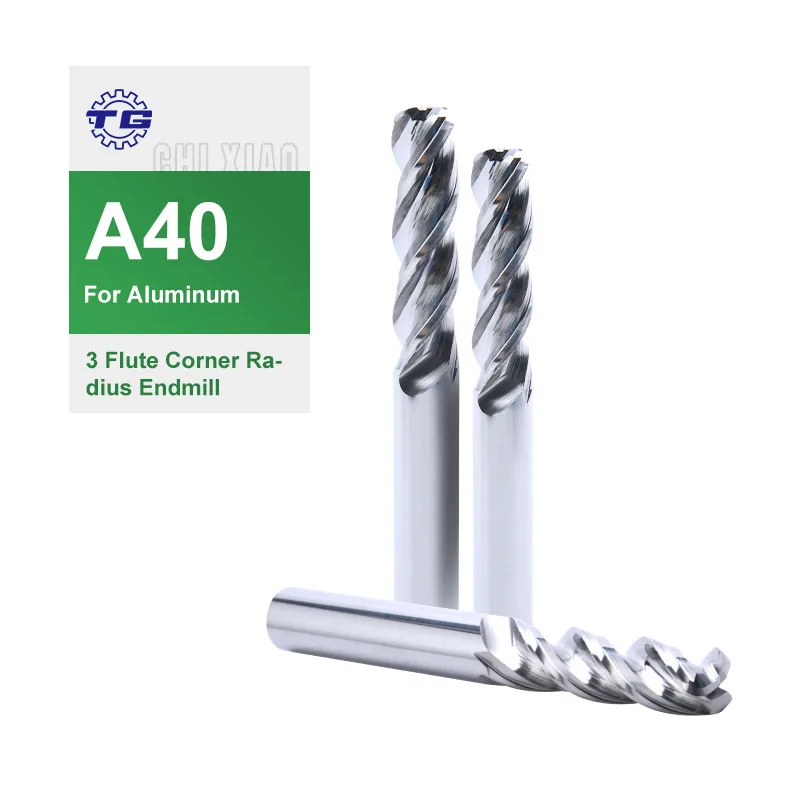
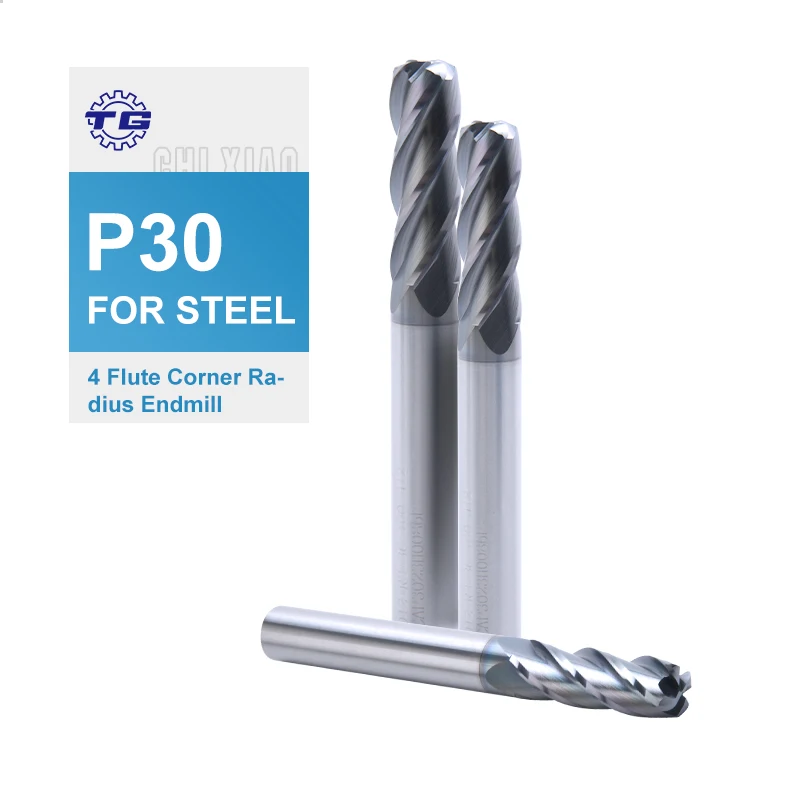
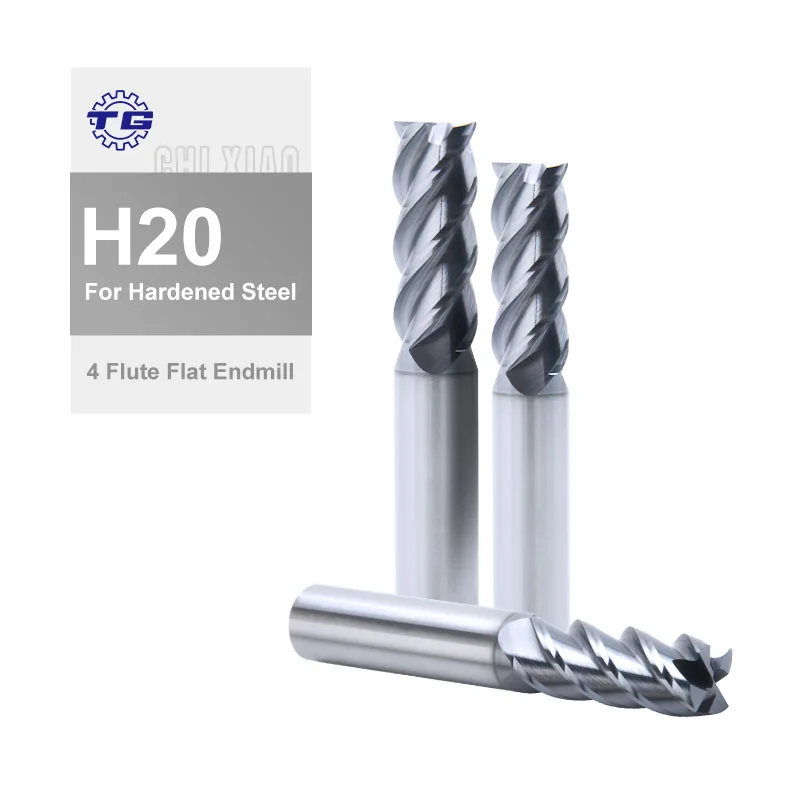
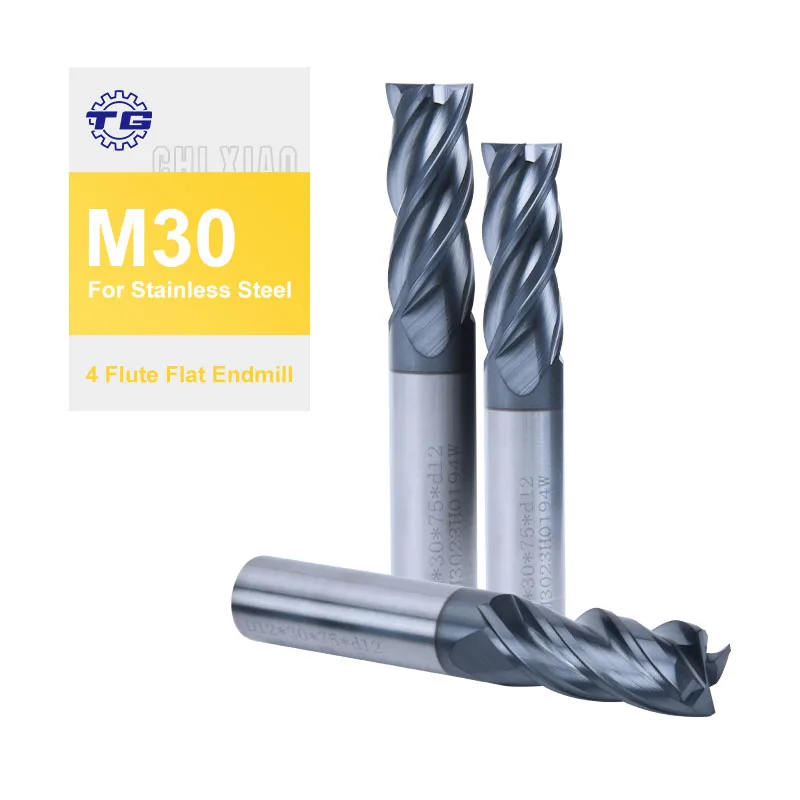
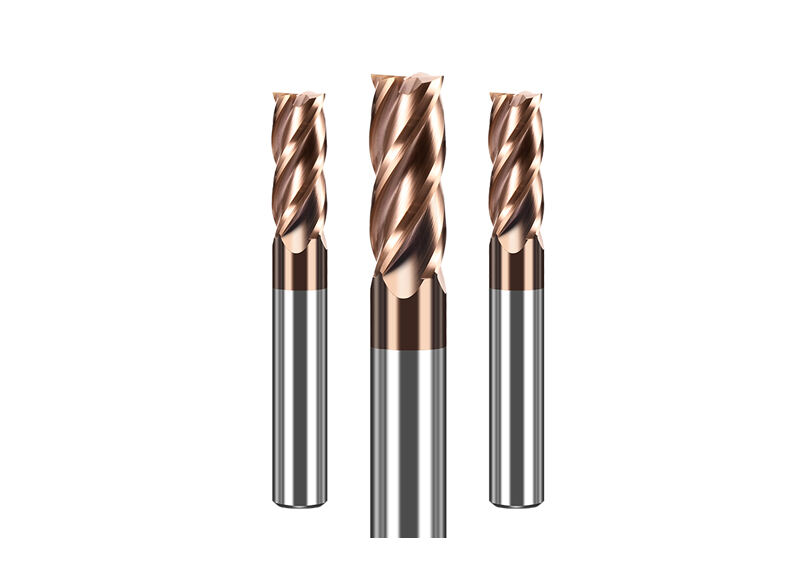
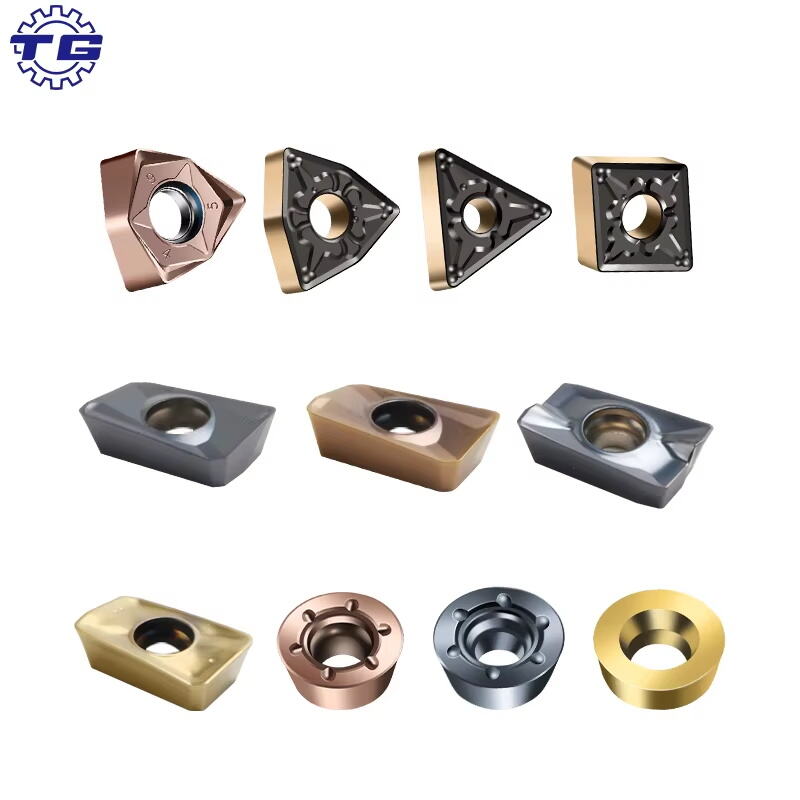
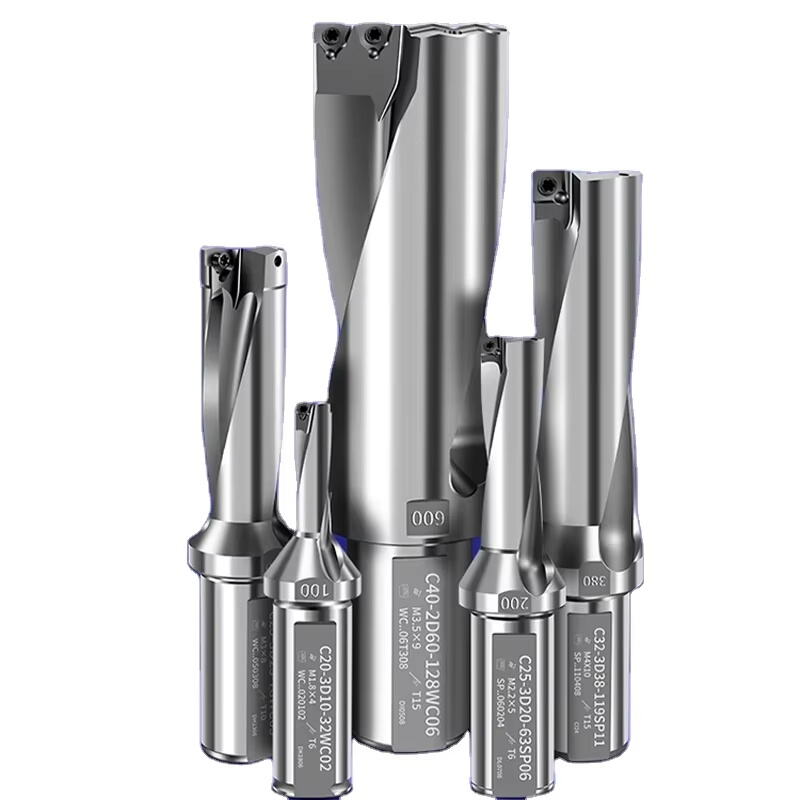
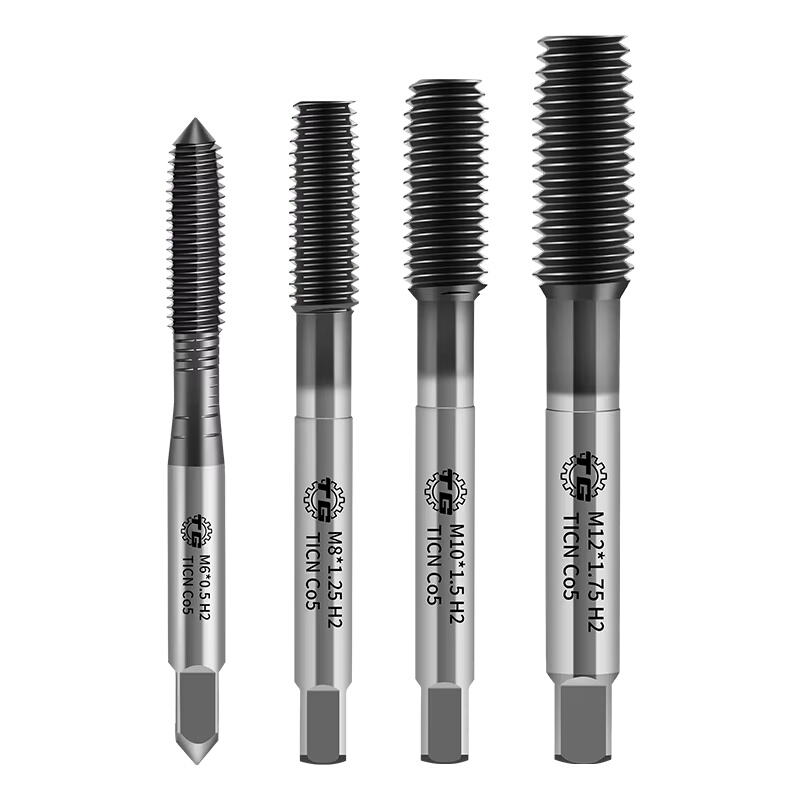
The carbide threading tool represents a precision cutting instrument designed specifically for creating internal and external threads on various workpiece materials. This advanced cutting solution combines high-performance carbide material with engineered geometries to deliver consistent threading operations across manufacturing environments. The primary function of the carbide threading tool involves removing material in a controlled manner to form accurate thread profiles that meet strict dimensional specifications. These tools excel in producing threads ranging from fine-pitch applications to coarse thread requirements, accommodating diverse industrial needs. The technological features of the carbide threading tool include superior material composition that offers exceptional hardness and wear resistance. Manufacturers engineer these tools using tungsten carbide substrates, often enhanced with specialized coatings like titanium nitride or titanium aluminum nitride to further improve performance characteristics. The cutting edges maintain sharpness throughout extended production runs, ensuring consistent thread quality without frequent tool changes. Modern carbide threading tools incorporate precision-ground cutting edges that generate smooth surface finishes while maintaining tight tolerances. The geometric design of these tools allows for efficient chip evacuation, preventing material buildup that could compromise thread accuracy. Applications for the carbide threading tool span multiple industries including automotive manufacturing, aerospace component production, oil and gas equipment fabrication, and general machining operations. These tools effectively process materials such as steel alloys, stainless steel, cast iron, aluminum, and various exotic metals. In automotive applications, carbide threading tools create threads for engine components, transmission parts, and chassis elements. Aerospace manufacturers rely on these tools for producing critical threaded connections in aircraft structures and engine assemblies. The versatility of the carbide threading tool makes it indispensable for job shops and production facilities requiring reliable thread-cutting capabilities with minimal downtime and maximum productivity.


New Product Releases

Choosing a carbide threading tool brings substantial practical benefits that directly impact your production efficiency and bottom line. The most immediate advantage you will notice is the extended tool life compared to traditional threading solutions. While conventional tools require frequent replacement due to wear, carbide threading tools maintain their cutting edges far longer, reducing the time your operators spend on tool changes and minimizing production interruptions. This longevity translates directly into cost savings, as you purchase fewer replacement tools throughout the year and keep your machines running productively. The cutting speed capabilities of carbide threading tools allow you to complete threading operations faster than ever before. You can increase your spindle speeds significantly without sacrificing thread quality, which means more parts produced per shift and improved delivery times for your customers. This speed advantage becomes especially valuable when processing large production batches where every second of cycle time reduction multiplies across thousands of parts. Your operators will appreciate the consistent performance these tools deliver. Each thread cut matches the previous one with remarkable precision, eliminating the quality variations that plague inferior threading solutions. This consistency reduces your inspection time and scrap rates, as parts consistently meet specifications without constant monitoring and adjustment. The predictable performance also simplifies your production planning, as you can accurately estimate completion times without accounting for tool-related delays. The carbide threading tool handles a wide range of materials without requiring specialized variants for each application. This versatility simplifies your tool inventory management and reduces the capital tied up in specialized tooling. Your tool crib maintains fewer stock-keeping units while still addressing diverse threading needs across your production floor. When rush orders arrive requiring different materials, you have the threading capability ready without scrambling to source specialized tools. The superior chip evacuation characteristics built into carbide threading tools prevent the chip packing problems that cause thread damage and tool breakage. Clean chip removal means fewer rejected parts due to surface imperfections and less machine downtime for clearing jammed tools. Your maintenance staff spends less time addressing threading problems and more time on value-adding activities. The thermal stability of carbide material means these tools maintain dimensional accuracy even under the heat generated during high-speed cutting. Your threads remain within tolerance throughout the production run, regardless of how long the machine operates continuously. This thermal performance proves especially valuable in lights-out manufacturing scenarios where unattended operation demands absolute reliability.

Tips And Tricks

What is high speed steel and how does it work?

30

Dec

What is high speed steel and how does it work?

High speed steel represents one of the most significant innovations in metallurgy and machining technology. This specialized alloy has revolutionized manufacturing processes across countless industries, enabling precision cutting operations at speeds...
View More
How to Choose the Right Milling Cutter for Your Project?

10

Feb

How to Choose the Right Milling Cutter for Your Project?

Selecting the appropriate milling cutter for your machining project is a critical decision that directly impacts production efficiency, surface finish quality, and overall manufacturing costs. Whether you're working with aluminum, steel, or exotic al...
View More
When should you use high speed steel cutting tools?

31

Mar

When should you use high speed steel cutting tools?

High speed steel cutting tools have revolutionized modern machining operations since their introduction in the early 1900s. These specialized alloys offer exceptional hardness, wear resistance, and heat tolerance that make them indispensable in vario...
View More
What industries rely most on high-speed steel tools?

31

Mar

What industries rely most on high-speed steel tools?

High-speed steel tools have become indispensable across numerous industrial sectors due to their exceptional hardness, heat resistance, and cutting performance. These specialized cutting implements maintain their sharpness and structural integrity ev...
View More

Get a Free Quote

Our representative will contact you soon.
Email
Mobile
Name
Company Name
Message
0/1000

carbide threading tool

Exceptional Durability That Maximizes Production Uptime

Exceptional Durability That Maximizes Production Uptime

The carbide threading tool delivers unmatched durability that fundamentally changes how you approach threading operations in your facility. Unlike traditional threading tools that gradually lose their edge and require constant monitoring, carbide threading tools maintain consistent cutting performance across thousands of threading cycles. This exceptional durability stems from the inherent properties of tungsten carbide, a material that ranks among the hardest substances used in industrial cutting applications. The carbide substrate resists the abrasive wear that quickly degrades conventional tools, allowing the cutting edges to retain their precision geometry far longer than alternatives. When you invest in carbide threading tools, you invest in tools that continue delivering accurate threads long after other options would have failed. The practical impact of this durability extends throughout your operation. Your machine operators spend significantly less time removing worn tools and installing replacements, which means more time actually producing parts. The reduction in tool change frequency also minimizes the risk of setup errors that can occur when installing new tools, further improving your quality metrics. Your production schedulers gain predictability, as they can plan operations knowing that tool failure will not unexpectedly halt production midway through a batch. The financial benefits compound over time as you purchase fewer replacement tools annually while maintaining or even increasing your threading output. Beyond simple wear resistance, carbide threading tools withstand the mechanical stresses of interrupted cuts and challenging materials that would chip or fracture lesser tools. When threading materials with hard inclusions or abrasive characteristics, the carbide threading tool powers through without premature failure. This toughness proves invaluable when processing castings or forgings where material consistency varies within individual workpieces. Your operators gain confidence knowing their tools will complete the job regardless of material variations. The combination of wear resistance and mechanical toughness means the carbide threading tool represents a reliable solution for both high-volume production and demanding applications. Whether you run automotive components in continuous production or manufacture critical aerospace parts requiring absolute precision, these tools deliver the durability your operation demands for sustained success and competitive advantage in your market.
Superior Thread Quality With Minimal Surface Roughness

Superior Thread Quality With Minimal Surface Roughness

The carbide threading tool produces thread quality that sets new standards for surface finish and dimensional accuracy in threading operations. The precision-ground cutting edges of these tools generate exceptionally smooth thread flanks that reduce friction in threaded assemblies and improve the functional performance of your finished products. This superior surface quality results from both the material properties of carbide and the advanced grinding processes used to create the cutting edges. Carbide maintains a sharp edge that cleanly shears material rather than tearing or deforming it, producing threads with minimal surface irregularities. When your customers examine threaded components produced with carbide threading tools, they immediately recognize the difference in quality compared to threads created with conventional methods. The smooth thread surfaces facilitate easier assembly operations, as mating threads engage smoothly without the resistance caused by rough or torn thread flanks. This ease of assembly reduces the torque required during fastener installation and minimizes the risk of cross-threading that leads to rejected assemblies or field failures. For products where threaded connections undergo repeated assembly and disassembly, the superior surface finish extends the service life of both internal and external threads by reducing wear during each connection cycle. The dimensional accuracy achieved with carbide threading tools ensures that your threads consistently meet specification requirements without the drift that occurs as conventional tools wear. Each thread profile matches your design intent with precision that satisfies even the most demanding quality standards. This accuracy proves essential in applications where thread fit affects function, such as precision adjustments mechanisms or pressure-containing joints where proper thread engagement ensures seal integrity. Your quality control processes become more efficient as carbide threading tools reduce the variation between parts, tightening your statistical process control data and reducing the sampling frequency needed to verify conformance. The consistent geometry also improves gauge life, as inspection tools experience less wear when checking uniform threads compared to variable profiles produced by worn cutting tools. Manufacturing operations implementing carbide threading tools often discover they can reduce secondary finishing operations previously required to achieve acceptable thread quality. The as-machined surface from a carbide threading tool frequently meets final specifications without additional processing, eliminating operations that add cost and cycle time to your production workflow while simplifying your manufacturing routing and work instructions.
Enhanced Productivity Through Higher Cutting Speeds

Enhanced Productivity Through Higher Cutting Speeds

The carbide threading tool revolutionizes threading productivity by enabling cutting speeds that dramatically reduce cycle times compared to traditional threading methods. The thermal and mechanical properties of carbide material allow these tools to withstand the elevated temperatures and cutting forces generated at high spindle speeds without degrading or failing. This capability transforms threading from a time-consuming bottleneck into an efficient operation that keeps pace with your other machining processes. When you upgrade to carbide threading tools, you unlock the full speed potential of your CNC equipment, utilizing machine capabilities that remained inaccessible with conventional threading tools limited to slower speeds. The productivity gains manifest immediately in your production metrics as parts-per-hour figures increase substantially. Operations that previously required multiple minutes per part suddenly complete in seconds, multiplying your output without purchasing additional machinery or extending shift hours. This speed advantage becomes particularly valuable in competitive markets where shorter lead times win contracts and repeat business. Your sales team quotes delivery schedules that competitors cannot match because your threading operations complete batches in fractions of the time required by facilities using outdated tooling strategies. The ability to run higher cutting speeds also provides scheduling flexibility when production demands fluctuate unexpectedly. Rush orders that would have disrupted your entire schedule now integrate smoothly as threading operations complete quickly enough to accommodate priority work without significantly delaying standard production. Beyond simple speed increases, the carbide threading tool maintains quality even at elevated cutting parameters. The cutting edge geometry remains stable under high-speed conditions, continuing to produce accurate threads rather than deteriorating into poor quality as speeds increase. This performance consistency means you achieve both faster cycle times and superior thread quality simultaneously rather than compromising one for the other. Your process engineers optimize cutting parameters with confidence, knowing that carbide threading tools deliver results across a wide operating window. The productivity improvements extend to tool life considerations as well, since carbide tools running at higher speeds often complete more parts before requiring replacement compared to conventional tools operating at their maximum capabilities. Your cost-per-part calculations improve dramatically as you divide tool costs across significantly larger production quantities while simultaneously reducing the machine time allocated to each component.
carbide threading tool-0
carbide threading tool-1

Get a Free Quote

Our representative will contact you soon.
Email
Mobile
Name
Company Name
Message
0/1000