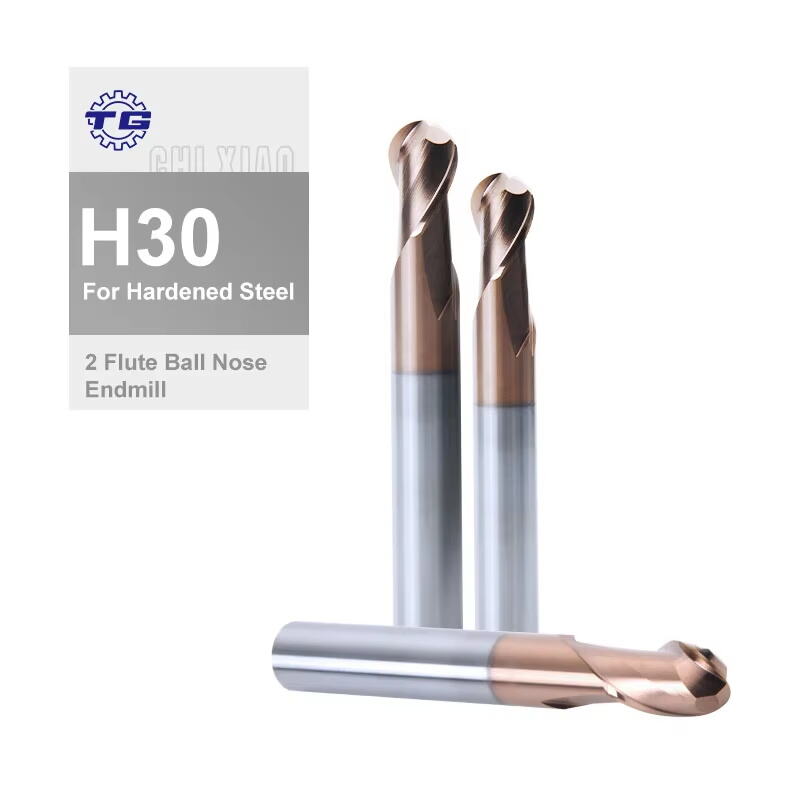
inserts for milling
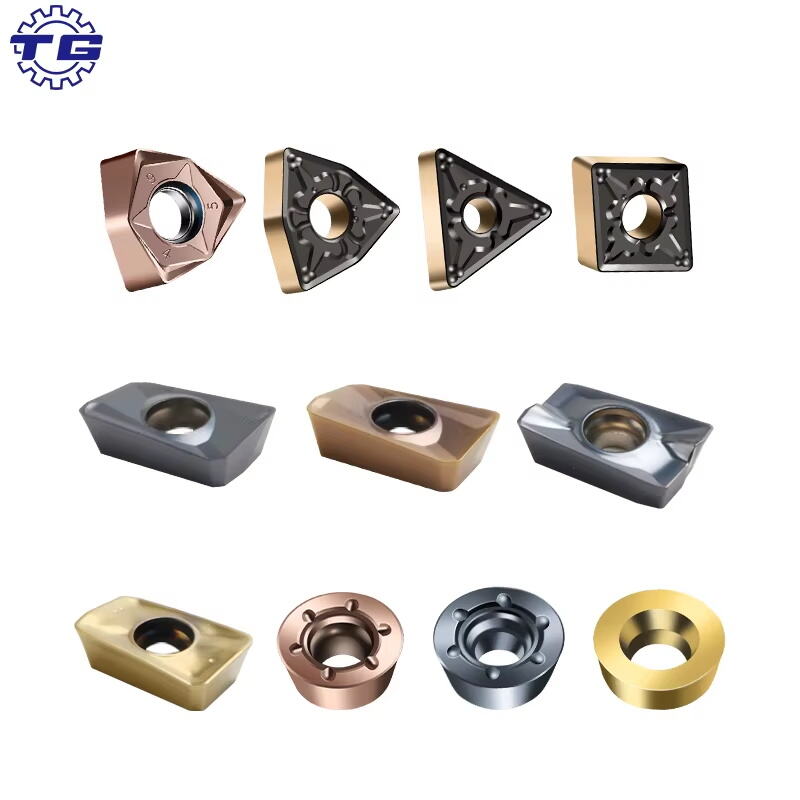
Inserts for milling represent essential cutting tool components that revolutionize modern machining operations across manufacturing industries. These precisely engineered indexable cutting edges attach securely to milling cutter bodies, enabling efficient material removal from workpieces during various milling processes. The fundamental design of inserts for milling consists of carbide, ceramic, cermet, or other advanced materials shaped into geometric forms with multiple cutting edges. Each edge serves as a dedicated cutting surface, and once one edge dulls, operators simply rotate or flip the insert to expose a fresh cutting edge, eliminating the need for complete tool replacement. This indexable feature distinguishes inserts for milling from traditional solid cutting tools, offering remarkable cost-effectiveness and operational efficiency. The main functions of these cutting components include face milling, shoulder milling, slot cutting, profiling, and contouring operations on metals, composites, and other engineering materials. Technological features encompass advanced coating technologies such as TiN, TiAlN, and diamond-like carbon that enhance wear resistance and extend tool life. The geometric design incorporates precise rake angles, clearance angles, and chip breaker configurations optimized for specific materials and cutting conditions. Modern inserts for milling feature sophisticated edge preparations including honing, chamfering, and T-land configurations that strengthen cutting edges while reducing chipping tendencies. Applications span aerospace component manufacturing, automotive part production, die and mold making, energy sector machining, medical device fabrication, and general engineering workshops. These versatile cutting solutions accommodate various milling machine types from conventional mills to advanced CNC machining centers, handling materials ranging from soft aluminum alloys to hardened tool steels and exotic superalloys. The standardized mounting systems ensure compatibility across different cutter bodies, while the diversity of insert shapes including square, round, triangular, and octagonal geometries addresses specific machining requirements. Material grade selection enables optimization for particular workpiece materials and cutting parameters, ensuring maximum productivity and surface finish quality in demanding manufacturing environments.

 EN
EN