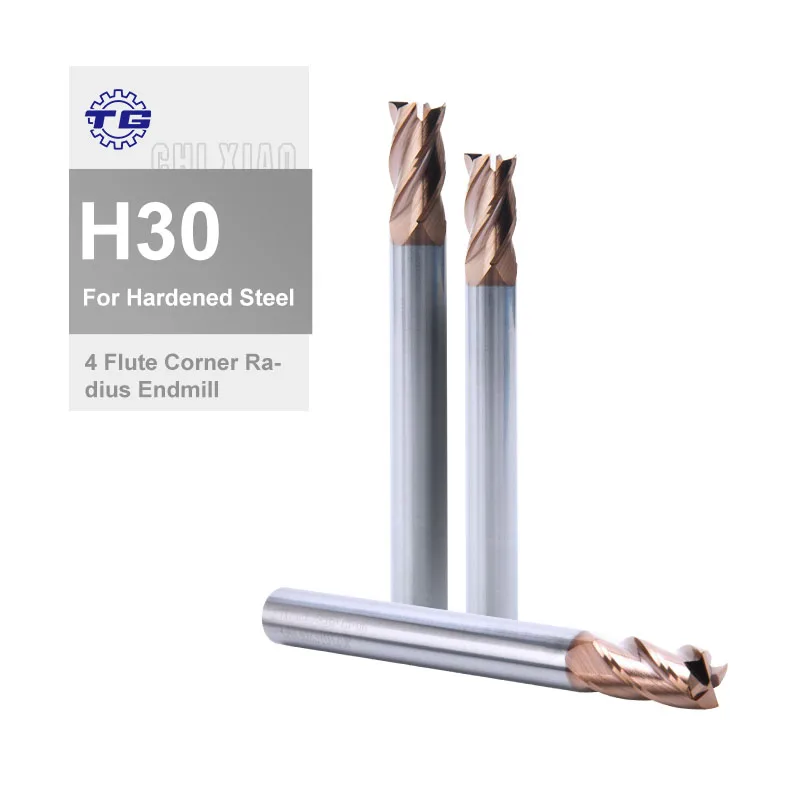
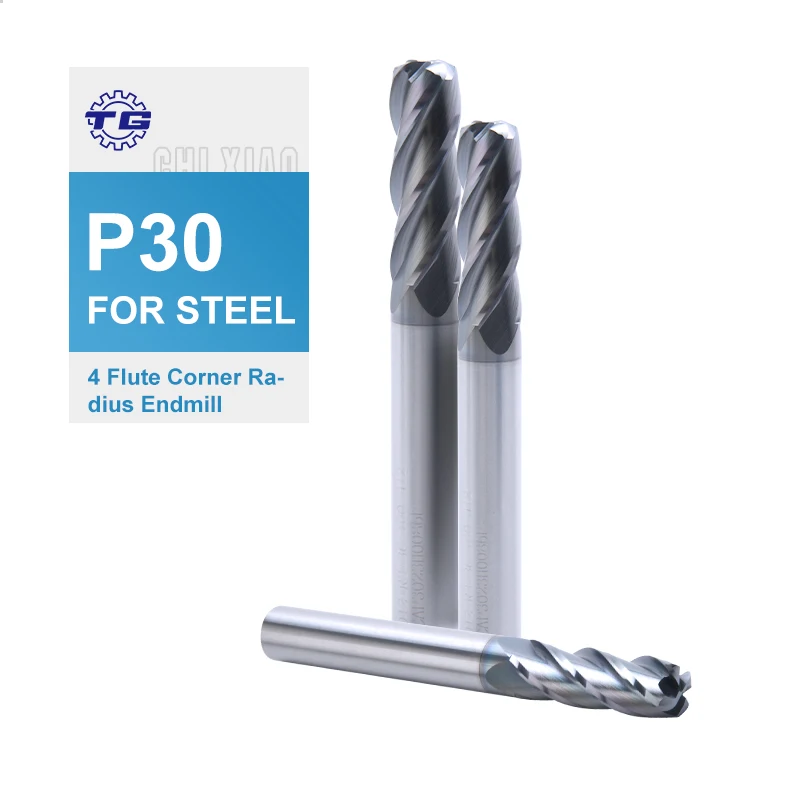
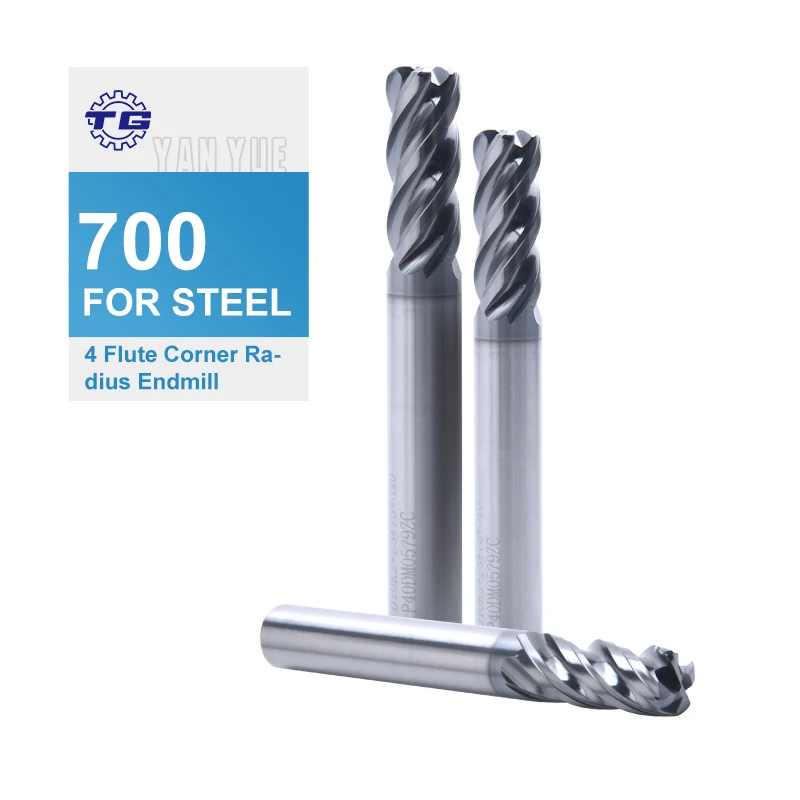
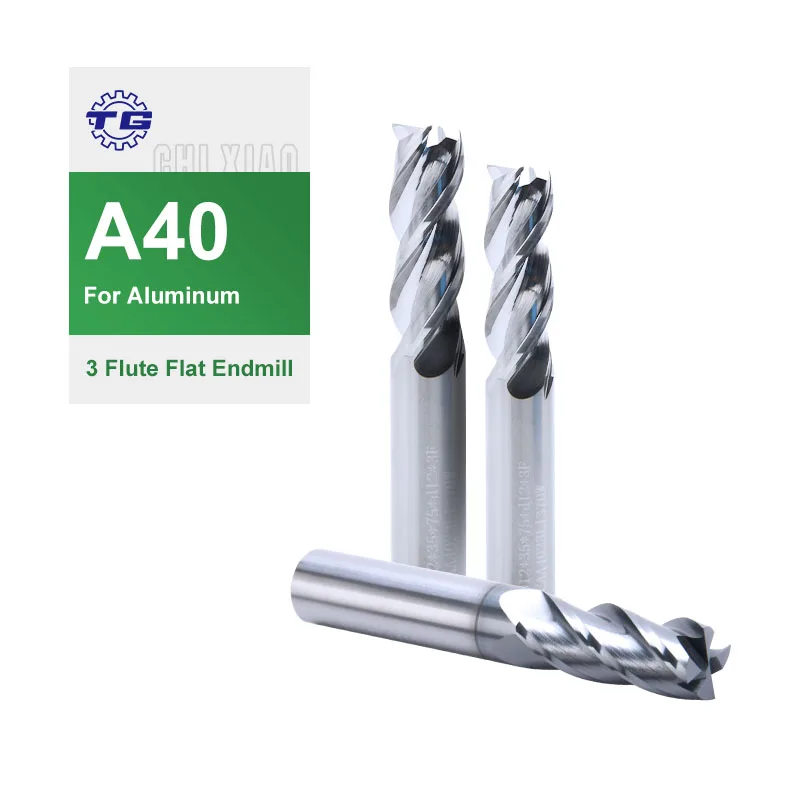
insert cutter milling
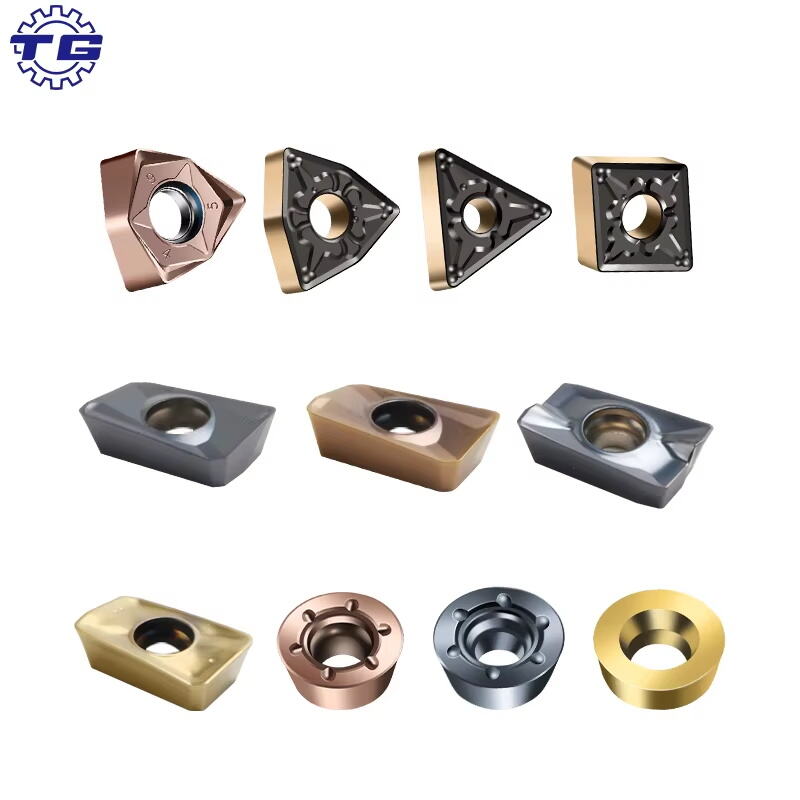
Insert cutter milling represents a revolutionary approach to metal cutting and machining operations that has transformed modern manufacturing processes. This advanced cutting technology utilizes replaceable cutting inserts mounted onto a milling cutter body, providing manufacturers with exceptional versatility and cost-effectiveness. The insert cutter milling system consists of precision-engineered carbide or ceramic inserts that can be quickly exchanged when worn, eliminating the need to replace the entire cutting tool. This innovative design significantly reduces tooling costs while maintaining superior cutting performance throughout production runs. The main functions of insert cutter milling include face milling, shoulder milling, slot cutting, and contour machining across various materials including steel, aluminum, cast iron, and exotic alloys. The technological features of this cutting method incorporate advanced geometries, specialized coatings, and optimized chip evacuation designs that work together to deliver outstanding surface finishes and dimensional accuracy. Insert cutter milling tools feature multiple cutting edges on each insert, typically ranging from four to eight usable edges, which maximizes tool life and reduces downtime for tool changes. The secure clamping mechanisms ensure inserts remain stable during high-speed machining operations, preventing unwanted vibration and maintaining precision tolerances. Applications for insert cutter milling span across diverse industries including aerospace, automotive, mold making, energy sector, and general metalworking. Manufacturing facilities utilize this technology for both roughing operations that remove large amounts of material quickly and finishing operations that achieve precise dimensions and smooth surface textures. The adaptability of insert cutter milling makes it suitable for everything from small batch production to high-volume manufacturing environments, providing consistent results regardless of production scale or complexity requirements.

 EN
EN