
 EN
EN
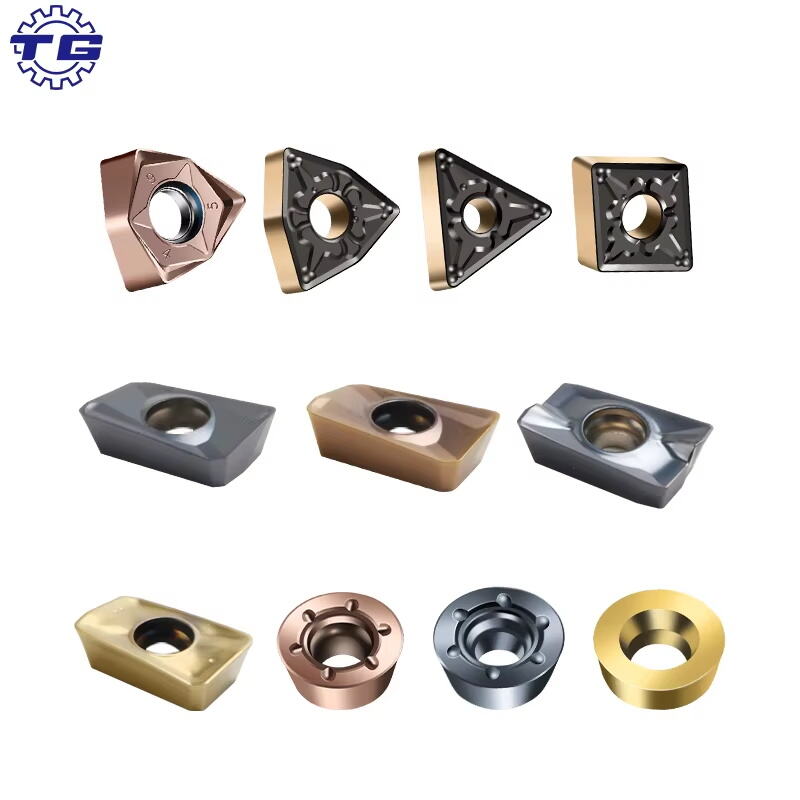
Manufacturing precision relies heavily on the performance and reliability of cutting tools, with the milling cutter serving as one of the most critical components in modern machining operations. Despite their robust design and engineering excellence, these essential tools face numerous challenges that can lead to premature failure, costly production delays, and compromised surface finish quality. Understanding the root causes of milling cutter breakage represents a fundamental aspect of effective machining management, enabling operators to implement proactive strategies that maximize tool life while maintaining optimal cutting performance.
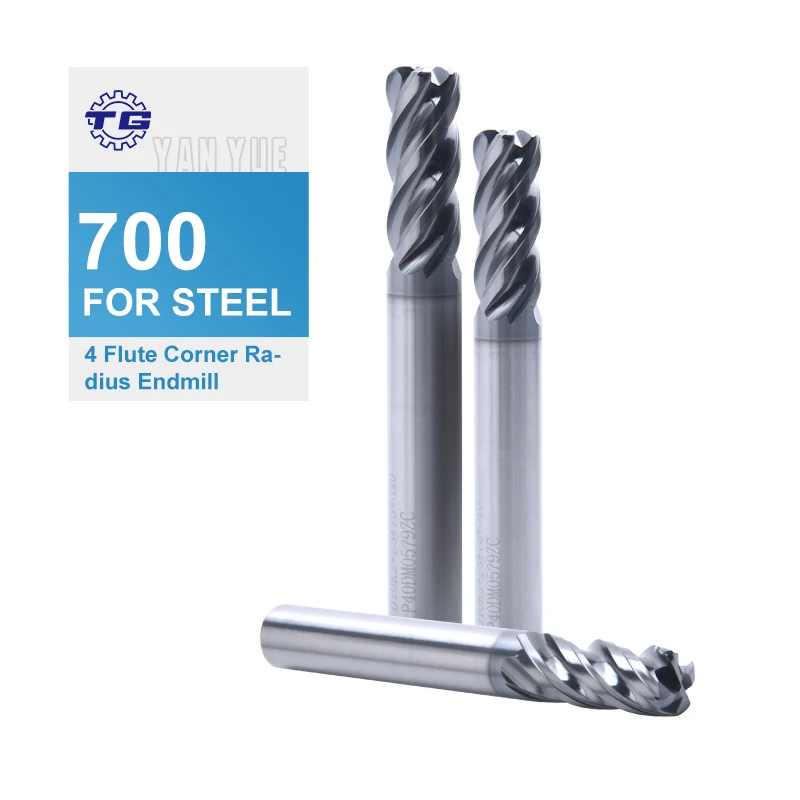
The economic impact of tool failure extends far beyond the immediate replacement costs, encompassing machine downtime, rework expenses, potential workpiece damage, and delivery schedule disruptions. Professional machinists recognize that preventing milling cutter breakage requires a comprehensive approach that addresses multiple variables simultaneously, from initial tool selection through final machining parameters optimization. This systematic understanding enables manufacturing teams to develop robust protocols that consistently deliver superior results while minimizing operational risks and associated costs.
Understanding Milling Cutter Failure Mechanisms
Mechanical Stress Factors
Mechanical stress represents the primary contributor to milling cutter failure, manifesting through various forms of excessive loading that exceed the tool's designed capacity limits. Radial forces generated during heavy cutting operations create bending moments that stress the milling cutter shaft, particularly in smaller diameter tools where the length-to-diameter ratio increases susceptibility to deflection-induced breakage. These forces become especially problematic when machining difficult materials or when using inappropriate cutting parameters that generate excessive chip loads per tooth.
Axial loading conditions also contribute significantly to tool stress, especially during plunge cutting or deep pocket machining where the milling cutter experiences substantial thrust forces. The combination of radial and axial loads creates complex stress patterns that can initiate fatigue cracks at stress concentration points, such as flute intersections or coating boundaries. Understanding these mechanical principles enables operators to select appropriate tools and establish cutting parameters that maintain stress levels within acceptable design margins.
Thermal Degradation Processes
Thermal effects play a crucial role in milling cutter deterioration, with excessive heat generation leading to coating breakdown, substrate softening, and accelerated wear progression. High-speed machining operations generate substantial thermal energy at the cutting edge, where temperatures can exceed 1000 degrees Celsius during aggressive material removal. This extreme thermal environment causes rapid tool wear through diffusion processes, chemical reactions between the milling cutter and workpiece material, and thermal cycling that induces micro-cracking in the cutting edge geometry.
Heat-affected zone expansion creates dimensional instabilities that compromise surface finish quality and geometric accuracy, while thermal shock from interrupted cutting cycles introduces additional stress patterns that contribute to premature tool failure. Effective thermal management strategies become essential for maintaining consistent milling cutter performance, particularly when processing materials with high thermal conductivity or when operating at elevated cutting speeds where heat generation rates increase exponentially.
Material-Related Failure Causes
Workpiece Material Characteristics
Different workpiece materials present unique challenges that directly impact milling cutter longevity and performance characteristics. Hardened steels, titanium alloys, and nickel-based superalloys exhibit work-hardening tendencies that create progressively more difficult cutting conditions as the milling cutter advances through the material. These materials generate higher cutting forces, increased thermal loads, and abrasive wear patterns that accelerate tool degradation through multiple simultaneous mechanisms.
Abrasive materials containing hard inclusions or reinforcing particles create particularly challenging conditions for conventional milling cutter designs, as these particles act as microscopic grinding elements that rapidly erode cutting edge geometry. The presence of scale, surface contamination, or varying material hardness within the same workpiece can cause sudden load variations that shock-load the tool and initiate crack propagation. Proper material analysis and tool selection strategies must account for these characteristics to ensure optimal cutting performance and extended tool life.
Tool Material Properties
The substrate material and coating system of a milling cutter determine its resistance to various failure modes and establish the operational limits within which the tool can perform effectively. Carbide grades with insufficient toughness may exhibit brittle fracture when subjected to impact loads or vibration, while softer grades may experience rapid wear when cutting abrasive materials. The balance between hardness and toughness becomes critical in tool selection, as applications requiring high wear resistance often demand harder substrates that sacrifice some fracture toughness.
Coating adhesion quality significantly influences milling cutter durability, as delamination or coating failure exposes the substrate to accelerated wear and chemical attack. Advanced coating systems must withstand the thermal cycling, mechanical loading, and chemical environments encountered during machining while maintaining their protective properties throughout the tool's service life. Understanding these material science principles enables more informed tool selection decisions that align tool capabilities with specific application requirements.
Operational Parameter Optimization
Cutting Speed Management
Cutting speed selection represents one of the most critical parameters affecting milling cutter performance and longevity, with both excessive and insufficient speeds contributing to premature tool failure through different mechanisms. High cutting speeds generate elevated temperatures that can cause coating degradation, substrate softening, and accelerated chemical wear, while also increasing the dynamic loads imposed on the tool through centrifugal effects and potential resonance conditions. Conversely, inadequate cutting speeds may result in work hardening, built-up edge formation, and poor surface finish quality that necessitates secondary operations.
The optimal cutting speed for any given milling cutter depends on multiple factors including workpiece material properties, tool geometry, coolant effectiveness, and machine tool capabilities. Modern machining centers equipped with high-speed spindles enable aggressive cutting parameters that can dramatically improve productivity, but only when properly balanced with feed rates and axial depths of cut that maintain acceptable chip loads and cutting forces. Systematic speed optimization requires careful consideration of these interdependent variables to achieve maximum material removal rates while preserving tool integrity.
Feed Rate and Depth Control
Feed rate and depth of cut parameters directly influence the chip load experienced by each cutting edge of the milling cutter, affecting both cutting forces and tool wear patterns. Excessive chip loads create high stress concentrations at the cutting edge that can cause chipping or fracture, while insufficient chip loads may result in rubbing conditions that generate excessive heat and accelerated wear. The relationship between these parameters becomes particularly important when machining difficult materials that exhibit work-hardening characteristics or when using small-diameter tools susceptible to deflection.
Axial depth of cut selection affects the length of cutting edge engagement and influences both cutting forces and heat generation patterns. Deep cuts concentrate thermal energy over a larger cutting edge area but may create chip evacuation problems that lead to re-cutting and built-up edge formation. Shallow cuts distribute the thermal load but may increase the number of passes required to complete the operation, potentially leading to work hardening in sensitive materials. Achieving optimal balance requires systematic analysis of material properties, tool geometry, and machine capabilities.
Machine Tool and Setup Considerations
Spindle and Holder Systems
The machine tool spindle and holder system directly impact milling cutter performance through their influence on tool runout, rigidity, and dynamic characteristics. Excessive spindle runout causes uneven loading of cutting edges, leading to premature wear of the most heavily loaded flutes and potential catastrophic failure when runout exceeds acceptable limits. High-precision spindle systems with minimal runout enable more aggressive cutting parameters and extended tool life by ensuring uniform load distribution across all cutting edges.
Tool holder selection significantly affects the rigidity and damping characteristics of the cutting system, with improper holders contributing to vibration, chatter, and reduced surface finish quality. Hydraulic, shrink-fit, and mechanical expansion holders each offer different advantages in terms of gripping force, runout control, and ease of tool changes. The holder-to-spindle interface must provide adequate rigidity to resist cutting forces while maintaining precision through repeated tool changes and thermal cycling encountered during production operations.
Workholding and Fixturing
Inadequate workholding represents a frequently overlooked factor contributing to milling cutter failure, as insufficient clamping force or improper fixture design can allow workpiece movement that creates sudden load variations and shock conditions. Vibration transmitted through poorly designed fixtures affects cutting stability and surface finish quality while potentially exciting resonant frequencies that amplify dynamic loads on the milling cutter. Rigid fixturing systems that provide multiple contact points and distribute clamping forces evenly help minimize these problems.
Fixture accessibility must accommodate the required tool paths while providing adequate support near the cutting zones to minimize workpiece deflection. The fixture design should consider thermal expansion effects, chip evacuation requirements, and coolant flow patterns to ensure consistent cutting conditions throughout the machining cycle. Proper workholding strategies become increasingly important when machining thin-walled components or parts with low rigidity that are susceptible to deflection-induced dimensional variations.
Coolant and Lubrication Strategies
Flood Coolant Applications
Effective coolant application represents a critical factor in extending milling cutter life by managing thermal conditions, facilitating chip evacuation, and providing lubrication at the cutting interface. Flood coolant systems must deliver adequate flow rates and pressure to reach the cutting zone effectively, particularly in deep pocket machining where coolant access becomes restricted. The coolant concentration, flow direction, and nozzle positioning all influence cooling effectiveness and must be optimized for specific machining applications.
Coolant quality maintenance affects both cutting performance and tool life, as contaminated or degraded coolant can contribute to workpiece staining, tool corrosion, and reduced lubrication effectiveness. Regular coolant monitoring, filtration system maintenance, and periodic fluid replacement help ensure consistent cooling performance throughout production runs. The selection of appropriate coolant types for specific material combinations becomes important when machining reactive metals or materials sensitive to certain chemical compounds.
High-pressure coolant systems enable more aggressive cutting parameters by providing superior heat removal and chip evacuation capabilities compared to conventional flood cooling. These systems require specialized machine tool design and tooling configurations but can dramatically improve productivity in suitable applications. The economic justification for high-pressure systems depends on production volumes, material removal requirements, and the value of improved tool life and surface finish consistency.
Minimum Quantity Lubrication
Minimum quantity lubrication systems offer environmental and health advantages while providing effective cutting performance in many milling applications. These systems apply precisely controlled amounts of lubricant directly to the cutting zone, reducing the thermal and chemical loads on the milling cutter while minimizing fluid consumption and disposal requirements. Proper MQL implementation requires careful attention to application timing, flow rates, and lubricant selection to achieve optimal results.
The effectiveness of MQL systems depends on the specific machining application, with some materials and cutting conditions requiring the superior heat removal capabilities provided by flood coolant systems. Air pressure, lubricant flow rate, and nozzle design all influence MQL performance and must be optimized for each application. Integration with modern CNC systems enables automated MQL control that can vary application parameters based on programmed cutting conditions and tool requirements.
Preventive Maintenance and Monitoring
Tool Condition Monitoring
Systematic tool condition monitoring enables early detection of milling cutter deterioration before catastrophic failure occurs, reducing the risk of workpiece damage and secondary machining costs. Visual inspection techniques, including microscopic examination of cutting edges, can reveal early signs of wear progression, chipping, or coating degradation that indicate the need for tool replacement. Regular monitoring schedules should be established based on cutting time, number of parts machined, or other relevant metrics that correlate with tool wear progression.
Advanced monitoring systems utilizing sensors, acoustic emission detection, or vibration analysis provide real-time feedback on cutting conditions and tool performance. These systems can automatically detect abnormal conditions that indicate impending tool failure, enabling proactive tool changes that prevent catastrophic breakage. The implementation of such monitoring systems requires initial investment but can provide substantial returns through reduced downtime, improved surface finish consistency, and optimized tool replacement schedules.
Preventive Replacement Strategies
Developing effective preventive replacement strategies requires understanding the relationship between cutting time, material removal volume, and milling cutter wear progression for specific applications. Statistical analysis of tool life data enables the establishment of replacement schedules that balance tool utilization against the risk of unexpected failure. These strategies must account for variations in material properties, cutting conditions, and operator skill levels that can affect actual tool performance.
Tool life testing and documentation help refine replacement intervals and optimize cutting parameters for maximum productivity. Systematic record keeping should include details of cutting parameters, workpiece materials, coolant conditions, and observed wear patterns to build a comprehensive database for future reference. This information enables continuous improvement of machining processes and more accurate prediction of tool requirements for production planning purposes.
FAQ
What are the most common signs that indicate a milling cutter is about to fail
The most common warning signs include unusual vibration or chatter during cutting, visible wear on the cutting edges, poor surface finish quality, increased cutting forces indicated by higher spindle loads, and the presence of built-up edge material on the tool. Changes in chip formation patterns, such as long stringy chips instead of proper chip breaking, also indicate deteriorating cutting conditions. Experienced machinists often detect these signs through changes in cutting sounds or machine behavior before visual inspection confirms the problem.
How can cutting parameters be optimized to extend milling cutter life without sacrificing productivity
Parameter optimization requires balancing cutting speed, feed rate, and depth of cut to maintain appropriate chip loads while staying within the thermal and mechanical limits of the tool material. Start with manufacturer recommendations and adjust based on actual cutting conditions, material properties, and machine capabilities. Reducing axial depth while increasing radial width of cut often improves tool life by distributing wear over more cutting edge length. Implementing climb milling where possible and ensuring adequate coolant flow help maintain optimal cutting conditions throughout the tool's service life.
What role does machine tool maintenance play in preventing milling cutter breakage
Proper machine maintenance directly impacts tool performance through spindle accuracy, system rigidity, and dynamic characteristics. Regular spindle runout checks, bearing maintenance, and alignment verification ensure that cutting forces are distributed evenly across all cutting edges. Coolant system maintenance, including filtration and concentration monitoring, helps maintain consistent thermal management. Additionally, proper calibration of feed drives and spindle systems ensures that programmed parameters match actual cutting conditions, preventing unexpected tool overloading.
When should a milling cutter be replaced versus resharpened or reconditioned
The decision depends on the extent of wear, tool cost, and reconditioning capabilities available. Tools with minor flank wear or slight edge chipping may be candidates for resharpening if the substrate remains sound and coating damage is minimal. However, tools with significant chipping, coating delamination, or substrate damage typically require replacement. Economic factors also influence this decision, as the cost of reconditioning plus reduced performance of resharpened tools may exceed the cost of new tooling, particularly for lower-cost standard tools where reconditioning economics are unfavorable.
Table of Contents
- Understanding Milling Cutter Failure Mechanisms
- Material-Related Failure Causes
- Operational Parameter Optimization
- Machine Tool and Setup Considerations
- Coolant and Lubrication Strategies
- Preventive Maintenance and Monitoring
-
FAQ
- What are the most common signs that indicate a milling cutter is about to fail
- How can cutting parameters be optimized to extend milling cutter life without sacrificing productivity
- What role does machine tool maintenance play in preventing milling cutter breakage
- When should a milling cutter be replaced versus resharpened or reconditioned