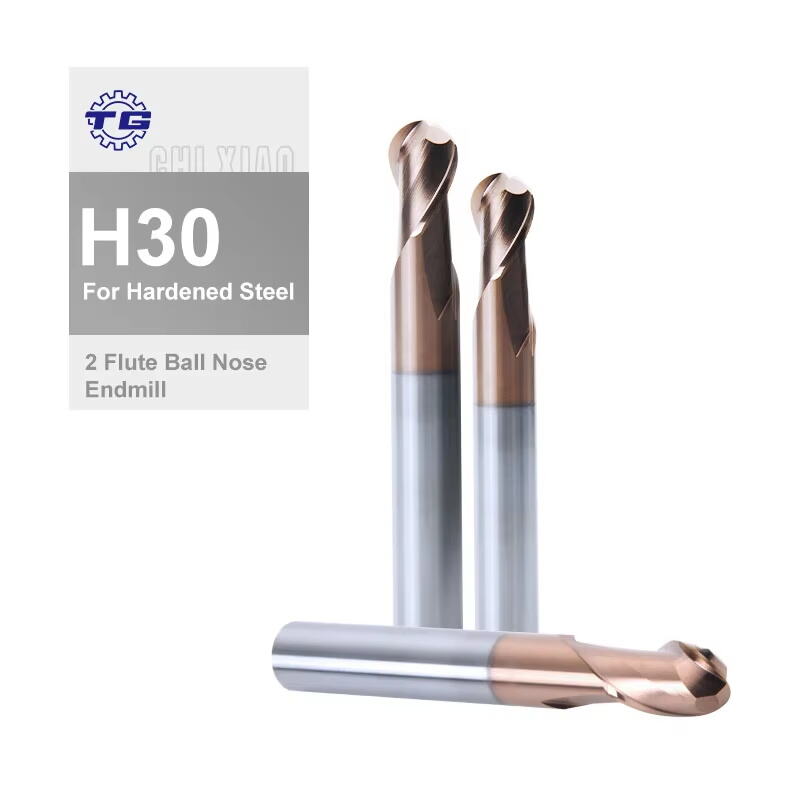
carbide milling inserts
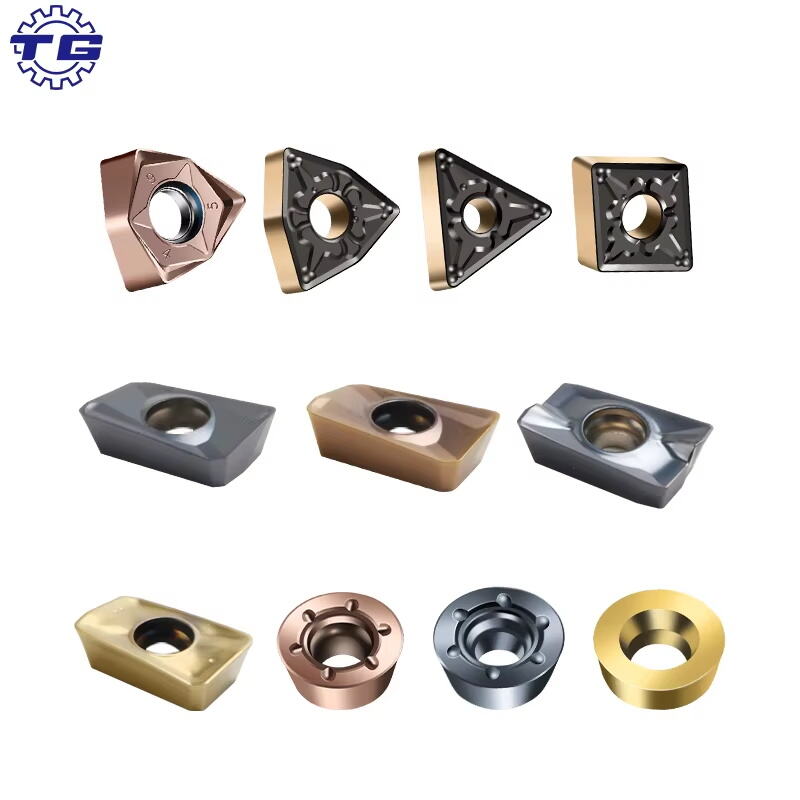
Carbide milling inserts represent a cornerstone technology in modern metalworking and manufacturing operations, delivering precision cutting performance across diverse industrial applications. These replaceable cutting tools are engineered from tungsten carbide compounds, offering exceptional hardness and wear resistance that significantly outperforms traditional high-speed steel alternatives. The primary function of carbide milling inserts centers on material removal during milling operations, where they create precise surfaces, contours, and dimensions on workpieces ranging from aluminum alloys to hardened steels. These inserts mount securely onto milling cutters and tool holders, providing cost-effective solutions since only the insert requires replacement rather than the entire cutting tool assembly. Technological features distinguishing modern carbide milling inserts include advanced substrate compositions, sophisticated coating systems, and precision-ground geometries optimized for specific machining conditions. The substrate typically consists of fine-grain tungsten carbide particles bonded with cobalt, creating a material matrix that balances extreme hardness with adequate toughness to resist fracture under cutting forces. Manufacturers apply multi-layer coatings such as titanium aluminum nitride, titanium carbonitride, or aluminum oxide through physical vapor deposition or chemical vapor deposition processes, extending tool life by reducing friction and heat generation at the cutting edge. Chip breaker geometries integrated into the insert design control chip formation and evacuation, preventing problematic chip accumulation that could damage workpiece surfaces or interfere with cutting efficiency. Applications for carbide milling inserts span virtually every manufacturing sector, including aerospace component production, automotive part fabrication, mold and die making, general engineering workshops, and energy sector equipment manufacturing. These inserts excel in face milling operations that create flat surfaces, shoulder milling for perpendicular features, slot milling for grooves and keyways, and contour milling for complex three-dimensional shapes. The versatility of carbide milling inserts makes them indispensable for both roughing operations that remove large amounts of material quickly and finishing passes that achieve tight tolerances and superior surface quality.

 EN
EN