
 EN
EN
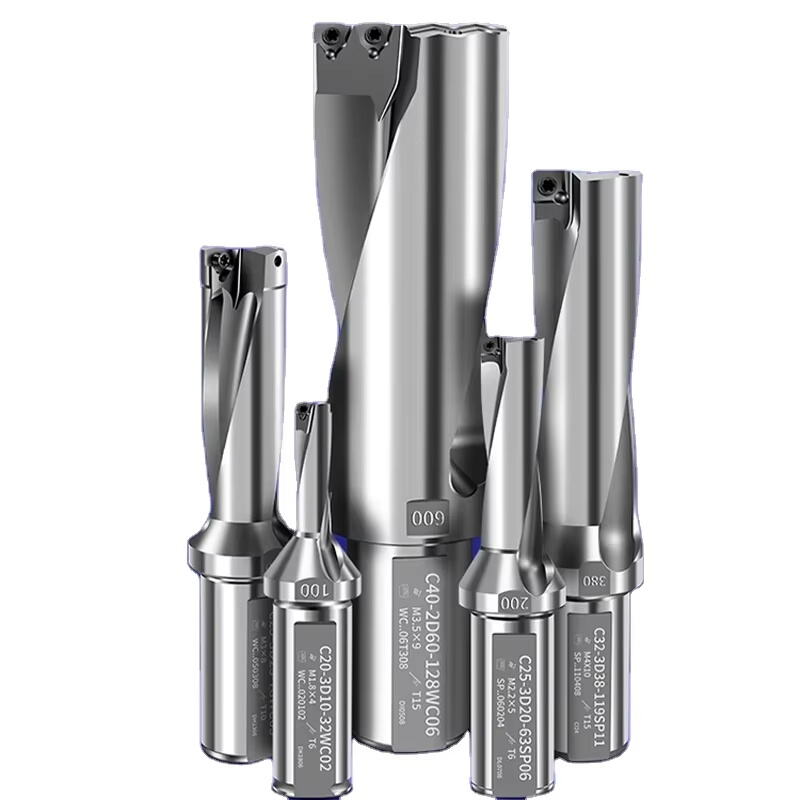
Manufacturing and machining industries rely heavily on selecting the right steel type for specific applications, with high speed steel and carbon steel representing two of the most significant categories in industrial tooling. Understanding the fundamental differences between these materials is crucial for engineers, machinists, and purchasing managers who need to optimize performance while managing costs. The choice between high speed steel and carbon steel can dramatically impact tool life, cutting performance, and overall manufacturing efficiency in various industrial applications.
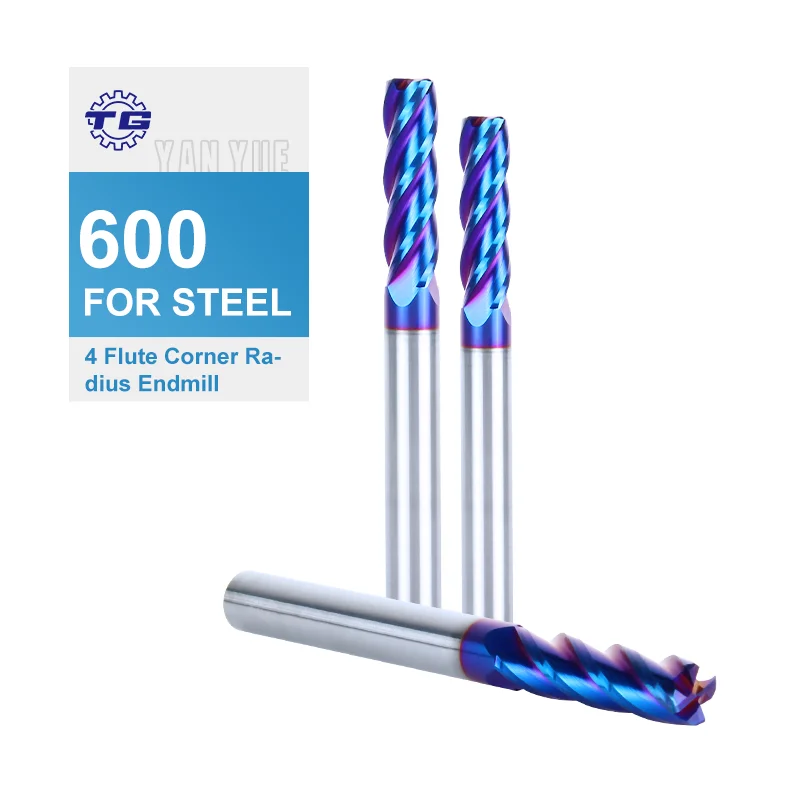
The fundamental distinction between these two steel types lies in their chemical composition and resulting metallurgical properties. High speed steel contains significantly higher percentages of alloying elements, particularly tungsten, molybdenum, vanadium, and chromium, which enable it to maintain hardness at elevated temperatures. Carbon steel, in contrast, derives its properties primarily from carbon content variations, making it more sensitive to temperature changes during cutting operations.
Chemical Composition and Alloying Elements
High Speed Steel Composition
High speed steel typically contains between 0.7 to 1.5 percent carbon, but its defining characteristic is the presence of substantial alloying elements. Tungsten content ranges from 6 to 20 percent, while molybdenum can comprise 3 to 10 percent of the total composition. Vanadium additions of 1 to 5 percent contribute to carbide formation and grain refinement, while chromium content typically ranges from 3 to 5 percent. These alloying elements work synergistically to create complex carbides that maintain tool hardness even when cutting temperatures exceed 500 degrees Celsius.
The specific combination of these elements in high speed steel creates a microstructure dominated by fine carbide particles distributed throughout a tempered martensite matrix. This structure provides exceptional wear resistance and hot hardness retention, making high speed steel ideal for demanding cutting applications where conventional carbon steels would fail rapidly.
Carbon Steel Composition
Carbon steel compositions are considerably simpler, with carbon content serving as the primary variable affecting mechanical properties. Low carbon steels contain less than 0.3 percent carbon, medium carbon steels range from 0.3 to 0.6 percent, and high carbon steels exceed 0.6 percent carbon content. The absence of significant alloying elements means carbon steel relies primarily on heat treatment to achieve desired hardness levels.
While carbon steel may contain small amounts of manganese, silicon, and other residual elements, these are typically present in concentrations below 2 percent. This simplified composition makes carbon steel more economical to produce but limits its performance capabilities in high-temperature applications where high speed steel excels.
Thermal Properties and Heat Resistance
Temperature Performance Characteristics
The most significant operational difference between high speed steel and carbon steel lies in their thermal performance characteristics. High speed steel maintains its hardness and cutting ability at temperatures up to 600 degrees Celsius, allowing for aggressive cutting parameters without tool failure. This hot hardness property enables machining operations at higher speeds and feeds, directly translating to improved productivity and reduced cycle times.
Carbon steel tools, conversely, begin losing hardness at temperatures as low as 200 degrees Celsius, requiring conservative cutting parameters to prevent premature tool wear. This temperature sensitivity significantly limits the cutting speeds achievable with carbon steel tools, particularly in continuous machining operations where heat buildup is inevitable.
Heat Treatment Response
High speed steel exhibits complex heat treatment behavior due to its multiple alloying elements, requiring precise temperature control during hardening and tempering cycles. The presence of carbide-forming elements allows for secondary hardening during tempering, where hardness can actually increase rather than decrease with temperature. This phenomenon enables high speed steel tools to achieve optimal properties through carefully controlled heat treatment processes.
Carbon steel heat treatment is more straightforward but offers limited flexibility in achieving specialized properties. While carbon steel can achieve high hardness levels through proper quenching, the absence of alloying elements means tempering invariably reduces hardness. This relationship limits the ability to optimize carbon steel tools for specific applications requiring both toughness and hardness.
Mechanical Properties and Performance
Hardness and Wear Resistance
High speed steel typically achieves hardness levels between 62 to 67 HRC after proper heat treatment, with this hardness maintained across a wide temperature range. The complex carbide structure in high speed steel provides superior abrasive wear resistance compared to carbon steel, particularly important in machining applications involving hard or abrasive workpiece materials.
Carbon steel can achieve comparable hardness levels at room temperature, often reaching 60 to 65 HRC depending on carbon content and heat treatment. However, this hardness is only maintained at relatively low temperatures, making carbon steel unsuitable for high-speed machining applications where cutting zone temperatures exceed the material's tempering temperature.
Toughness and Impact Resistance
The alloying elements in high speed steel contribute to improved toughness compared to equivalent hardness carbon steels. This enhanced toughness allows high speed steel tools to withstand interrupted cuts and impact loading without catastrophic failure. The refined microstructure and carbide distribution in high speed steel provide resistance to crack propagation, extending tool life in demanding applications.
Carbon steel exhibits brittleness at high hardness levels, making it susceptible to chipping and fracture under impact loading. While carbon steel can be tempered to improve toughness, this comes at the expense of hardness and cutting performance, creating a compromise that limits its effectiveness in many industrial applications.
Manufacturing Applications and Tool Performance
Cutting Tool Applications
High speed steel dominates in cutting tool applications requiring sustained performance at elevated temperatures and cutting speeds. Drill bits, end mills, reamers, and taps manufactured from high speed steel can operate at cutting speeds several times higher than carbon steel equivalents while maintaining dimensional accuracy and surface finish quality. The superior hot hardness of high speed steel enables these tools to maintain sharp cutting edges throughout extended machining cycles.
Modern manufacturing increasingly relies on high speed steel cutting tools for production efficiency gains, as the ability to machine at higher speeds directly translates to reduced cycle times and increased throughput. Industries processing difficult-to-machine materials, including stainless steels, titanium alloys, and hardened steels, particularly benefit from high speed steel tooling capabilities.
Specialized Industrial Uses
Beyond cutting applications, high speed steel finds use in forming tools, punches, and dies where thermal stability is critical. The material's ability to maintain properties under thermal cycling makes it valuable for applications involving repeated heating and cooling cycles. High speed steel components can withstand the thermal stresses associated with high-volume production without dimensional instability or property degradation.
Carbon steel remains relevant in applications where cost considerations outweigh performance requirements, such as hand tools, simple forming operations, and low-speed machining applications. The lower material cost and simpler heat treatment requirements of carbon steel make it economically attractive for applications that don't require the enhanced performance characteristics of high speed steel.
Economic Considerations and Cost Analysis
Material and Processing Costs
The economic comparison between high speed steel and carbon steel involves multiple factors beyond initial material cost. While high speed steel commands a significant price premium due to its alloying elements, particularly tungsten and molybdenum, this cost must be evaluated against performance benefits and tool life improvements. The complex heat treatment requirements for high speed steel also contribute to higher processing costs compared to carbon steel.
However, the superior performance characteristics of high speed steel often justify the increased initial investment through extended tool life and improved productivity. Manufacturing operations frequently realize total cost savings when switching from carbon steel to high speed steel tools, despite the higher upfront costs, due to reduced tool changeover frequency and increased production rates.
Lifecycle Cost Considerations
Total cost of ownership calculations must consider not only material costs but also tool life, productivity improvements, and maintenance requirements. High speed steel tools typically demonstrate 3 to 10 times longer service life compared to carbon steel equivalents in similar applications, significantly reducing tool replacement costs and production downtime associated with tool changes.
The ability of high speed steel to operate at higher cutting parameters also translates to improved machine utilization and reduced per-piece manufacturing costs. These productivity gains often offset the higher initial tool costs within relatively short payback periods, making high speed steel economically attractive for high-volume production applications.
Selection Criteria and Application Guidelines
Performance Requirements Assessment
Selecting between high speed steel and carbon steel requires careful evaluation of specific application requirements, including cutting speeds, feed rates, workpiece materials, and production volumes. Applications demanding high cutting speeds, continuous operation, or machining of hard materials typically favor high speed steel due to its superior thermal stability and wear resistance.
Carbon steel remains suitable for light-duty applications, intermittent use, or situations where tool cost is the primary consideration. Hand tools, prototype machining, and low-volume production runs may benefit from the lower initial cost of carbon steel tools, particularly when performance requirements don't justify the premium associated with high speed steel.
Future Technology Trends
Ongoing developments in metallurgy continue to improve high speed steel compositions and heat treatment processes, further enhancing performance capabilities while addressing cost concerns. Powder metallurgy techniques enable more uniform carbide distribution and improved mechanical properties compared to conventionally produced high speed steel grades.
Meanwhile, carbon steel technology focuses on optimizing heat treatment processes and developing specialized grades for niche applications where its properties provide advantages. Surface treatments and coatings also help extend carbon steel tool life in specific applications, though these enhancements rarely match the inherent capabilities of high speed steel.
FAQ
What makes high speed steel maintain hardness at high temperatures while carbon steel cannot
High speed steel maintains hardness at elevated temperatures due to its complex carbide structure formed by alloying elements like tungsten, molybdenum, and vanadium. These carbides remain stable at high temperatures, unlike the simple iron carbides in carbon steel that dissolve or coarsen when heated, causing loss of hardness and cutting ability.
Can carbon steel tools be used for high-speed machining applications
Carbon steel tools are generally unsuitable for high-speed machining due to their temperature sensitivity and rapid hardness loss when heated. While they can be used at reduced cutting speeds with adequate cooling, the productivity limitations make high speed steel a more practical choice for most production machining applications.
How do heat treatment requirements differ between these steel types
High speed steel requires more complex heat treatment with higher austenitizing temperatures, controlled cooling rates, and multiple tempering cycles to develop optimal properties. Carbon steel heat treatment is simpler, involving lower temperatures and straightforward quench-and-temper processes, but offers less flexibility in achieving specialized property combinations.
What are the main cost factors when choosing between high speed steel and carbon steel
Initial material cost favors carbon steel significantly, but total cost analysis must include tool life, productivity gains, and replacement frequency. High speed steel typically provides better long-term value in production applications despite higher upfront costs, while carbon steel may be more economical for low-volume or intermittent use applications.
Table of Contents
- Chemical Composition and Alloying Elements
- Thermal Properties and Heat Resistance
- Mechanical Properties and Performance
- Manufacturing Applications and Tool Performance
- Economic Considerations and Cost Analysis
- Selection Criteria and Application Guidelines
-
FAQ
- What makes high speed steel maintain hardness at high temperatures while carbon steel cannot
- Can carbon steel tools be used for high-speed machining applications
- How do heat treatment requirements differ between these steel types
- What are the main cost factors when choosing between high speed steel and carbon steel