
 EN
EN
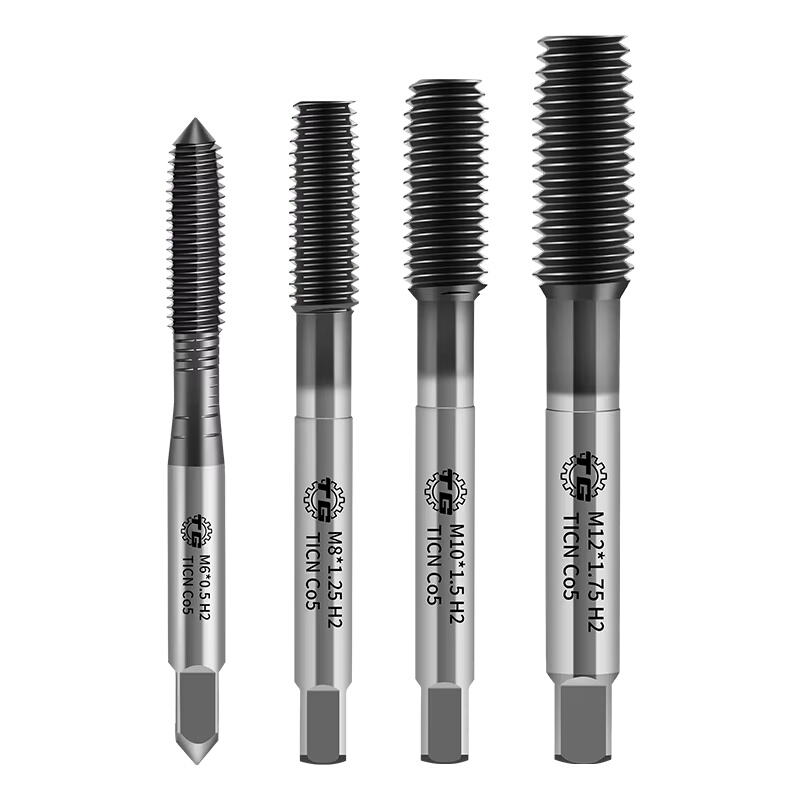
Tungsten carbide represents one of the most versatile and durable materials in modern industrial applications, combining exceptional hardness with remarkable wear resistance. This compound material, formed by combining tungsten and carbon atoms in equal parts, has revolutionized manufacturing processes across numerous industries due to its unique properties and performance characteristics. From precision machining operations to mining equipment, tungsten carbide continues to set the standard for tools and components that must withstand extreme conditions while maintaining dimensional accuracy and operational efficiency.
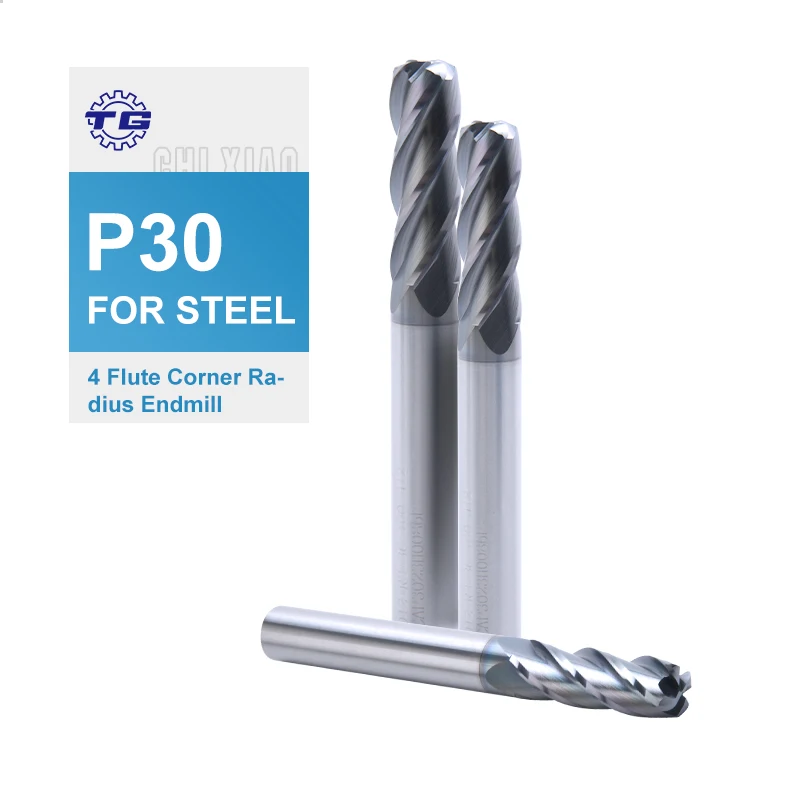
The exceptional properties of tungsten carbide make it indispensable in applications where conventional materials would quickly fail or require frequent replacement. Its hardness rating of 8.5 to 9 on the Mohs scale, combined with excellent thermal conductivity and chemical stability, positions tungsten carbide as the material of choice for demanding industrial environments. Understanding the diverse applications of this remarkable compound helps manufacturers and engineers make informed decisions about material selection and tooling strategies.
Manufacturing and Machining Applications
Cutting Tools and End Mills
In the realm of precision machining, tungsten carbide cutting tools have become the gold standard for high-performance operations. The material's superior hardness allows for extended tool life and consistent cutting performance across various workpiece materials, including hardened steels, stainless steel, and exotic alloys. CNC machining centers worldwide rely on tungsten carbide end mills to achieve tight tolerances and superior surface finishes while maintaining productivity levels that would be impossible with conventional high-speed steel tools.
The geometry and coating options available for tungsten carbide cutting tools enable manufacturers to optimize their machining processes for specific applications. Modern tungsten carbide end mills feature advanced coatings such as TiAlN, AlCrN, and diamond-like carbon, which further enhance performance by reducing friction, improving chip evacuation, and extending tool life. These technological advancements have made tungsten carbide tools essential for industries requiring precision components, including aerospace, automotive, and medical device manufacturing.
Drilling and Boring Operations
Tungsten carbide drill bits and boring tools excel in applications requiring precise hole-making capabilities across challenging materials. The material's resistance to heat buildup during drilling operations allows for higher cutting speeds and feed rates, resulting in improved productivity and reduced cycle times. Industries such as oil and gas exploration utilize tungsten carbide drilling components to penetrate hard rock formations and maintain drilling accuracy in extreme downhole conditions.
The versatility of tungsten carbide extends to specialized drilling applications, including printed circuit board manufacturing, where micro-drills made from this material create precise holes in composite substrates without delamination or burring. Medical device manufacturers also depend on tungsten carbide drilling tools to create intricate features in surgical instruments and implants, where precision and biocompatibility are paramount concerns.
Industrial Wear Components
Mining and Construction Equipment
The mining industry represents one of the largest consumers of tungsten carbide products, utilizing this material in various wear-resistant applications. Tungsten carbide inserts and cutting teeth are essential components in excavation equipment, rock crushers, and mineral processing machinery. These components withstand the abrasive nature of rock and ore materials while maintaining their cutting effectiveness throughout extended operational periods.
Construction equipment manufacturers incorporate tungsten carbide elements into road milling machines, tunneling equipment, and demolition tools to achieve superior performance in challenging environments. The material's ability to resist impact damage while maintaining sharp cutting edges makes tungsten carbide ideal for applications where equipment must operate continuously in harsh conditions. This durability translates to reduced downtime, lower maintenance costs, and improved overall equipment effectiveness.
Forming and Drawing Dies
Wire drawing operations across various industries rely on tungsten carbide dies to produce consistent wire diameters while minimizing material waste. The smooth surface finish achievable with tungsten carbide, combined with its wear resistance, ensures that drawn wire maintains uniform dimensions and surface quality throughout production runs. This consistency is particularly critical in applications such as electrical wire manufacturing, where dimensional variations can affect electrical performance.
Cold forming operations benefit significantly from tungsten carbide tooling, as the material's hardness enables the forming of complex shapes in high-strength materials without tool deformation. Automotive manufacturers use tungsten carbide forming dies to produce precision stampings and forgings that meet strict dimensional requirements while achieving the surface quality necessary for critical components.
Specialized Industrial Applications
Seal Rings and Mechanical Components
The chemical processing industry utilizes tungsten carbide seal rings and mechanical components in pumps, valves, and compressors handling corrosive fluids. The material's chemical inertness and dimensional stability make it ideal for applications where conventional materials would deteriorate rapidly due to chemical attack or thermal cycling. These properties ensure reliable sealing performance and extended service life in critical process equipment.
Tungsten carbide bushings and bearing surfaces provide exceptional wear resistance in applications involving sliding contact under high loads. The material's low coefficient of friction, when properly paired with appropriate mating surfaces, contributes to reduced energy consumption and improved system efficiency. This makes tungsten carbide components valuable in applications ranging from textile machinery to heavy industrial equipment where reliability and performance are essential.
Measurement and Precision Instruments
The dimensional stability and wear resistance of tungsten carbide make it an excellent choice for precision measurement applications. Gauge blocks, measuring tools, and reference standards manufactured from tungsten carbide maintain their accuracy over extended periods, even under frequent use. This stability is crucial in quality control applications where measurement uncertainty must be minimized to ensure product compliance with specifications.
Tungsten carbide components in coordinate measuring machines and precision manufacturing equipment provide the durability and accuracy required for modern quality assurance processes. The material's thermal properties help minimize dimensional changes due to temperature variations, ensuring consistent measurement results across varying environmental conditions.
Emerging Applications and Future Trends
Additive Manufacturing and 3D Printing
Recent developments in powder metallurgy and additive manufacturing have opened new possibilities for tungsten carbide applications. Advanced manufacturing techniques now enable the production of complex tungsten carbide geometries that were previously impossible to achieve through conventional manufacturing methods. This capability allows engineers to design optimized tool geometries and components that maximize the material's inherent properties.
The integration of tungsten carbide powders in selective laser melting and electron beam melting processes represents a significant advancement in manufacturing technology. These techniques enable the production of near-net-shape components with internal cooling channels, complex surface textures, and optimized material distribution that enhances performance while reducing material waste.
Electronics and Semiconductor Industries
The semiconductor industry has discovered unique applications for tungsten carbide in advanced manufacturing processes. The material's electrical conductivity, combined with its hardness and chemical resistance, makes it suitable for specialized tooling used in semiconductor wafer processing. These applications require materials that can maintain precision while resisting the aggressive chemicals used in semiconductor fabrication.
Electronic component manufacturers utilize tungsten carbide in applications where traditional materials cannot meet the demanding requirements of modern electronics production. The material's stability under thermal cycling and resistance to oxidation make it valuable in high-temperature electronic applications and specialized manufacturing processes.
FAQ
What makes tungsten carbide superior to other cutting tool materials
Tungsten carbide offers a unique combination of extreme hardness, excellent wear resistance, and thermal stability that surpasses conventional tool materials like high-speed steel. Its hardness rating of 8.5-9 on the Mohs scale allows it to maintain sharp cutting edges longer while operating at higher speeds and feeds. The material's thermal conductivity helps dissipate heat generated during cutting operations, preventing tool degradation and maintaining dimensional accuracy throughout the machining process.
How does tungsten carbide perform in high-temperature applications
Tungsten carbide maintains its mechanical properties at elevated temperatures better than most competing materials, making it suitable for high-temperature industrial applications. The material retains its hardness and wear resistance up to temperatures of 500-600°C, depending on the specific grade and composition. This thermal stability, combined with its low thermal expansion coefficient, ensures dimensional stability in applications involving temperature fluctuations or continuous high-temperature operation.
What factors should be considered when selecting tungsten carbide grades
Selecting the appropriate tungsten carbide grade requires consideration of several factors including the application requirements, operating conditions, and workpiece materials. Key considerations include grain size, cobalt binder content, hardness requirements, and toughness needs. Fine-grain grades offer superior hardness and edge retention for precision applications, while coarser grades provide increased toughness for impact-resistant applications. The cobalt binder percentage affects both hardness and toughness, requiring optimization based on specific application demands.
How does tungsten carbide compare economically to alternative materials
While tungsten carbide components typically have higher initial costs compared to conventional materials, their superior performance and extended service life often result in lower total cost of ownership. The material's durability reduces replacement frequency, minimizes downtime, and improves productivity, offsetting the higher material costs. In many applications, the improved performance and longer service life of tungsten carbide components provide significant economic advantages through reduced maintenance costs, improved quality, and increased operational efficiency.