Contact me immediately if you encounter problems!

All Categories

insert type milling cutters

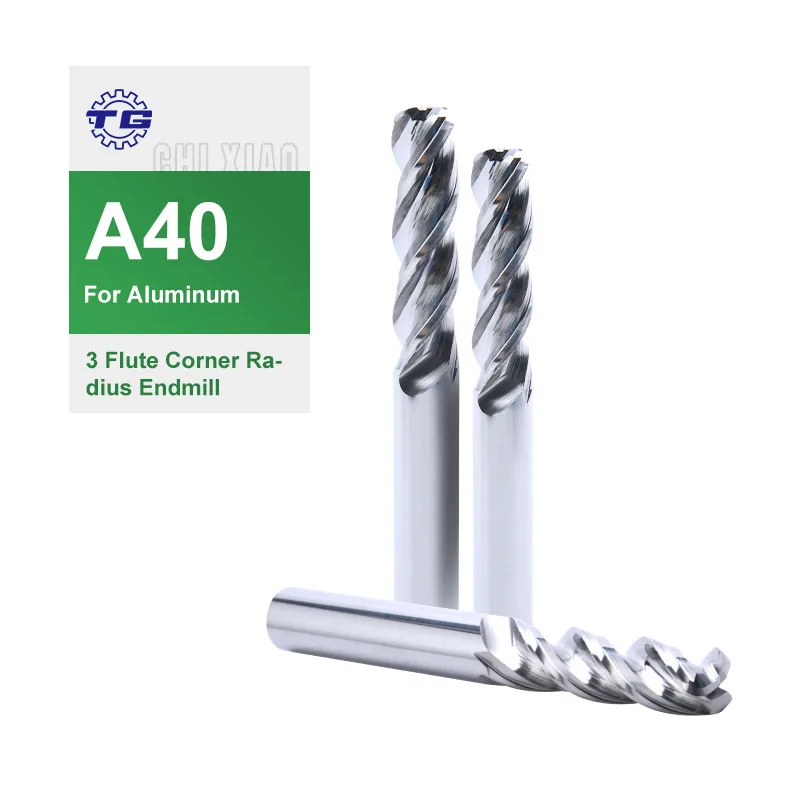
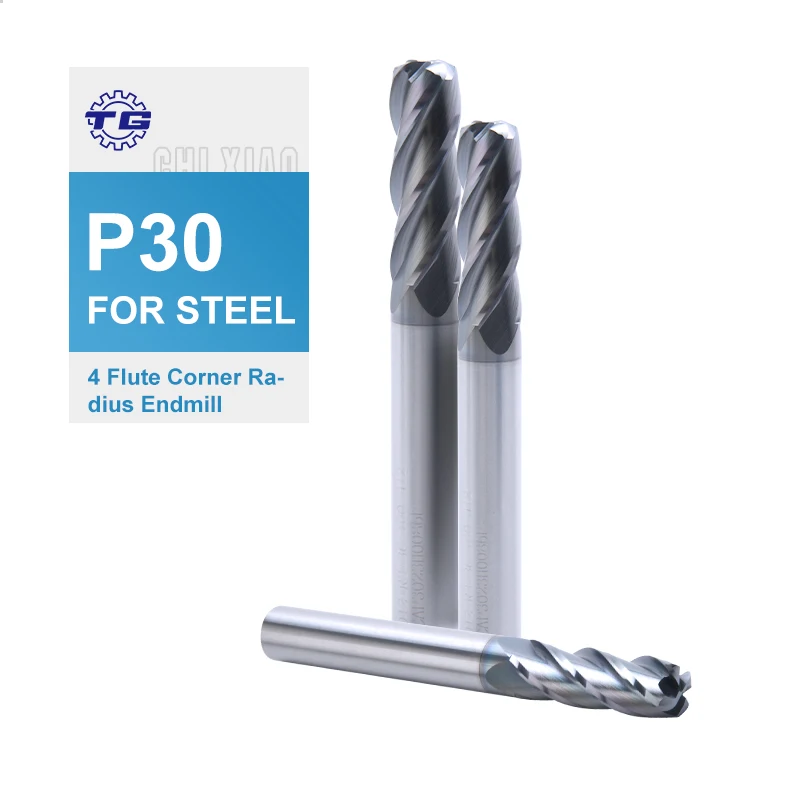
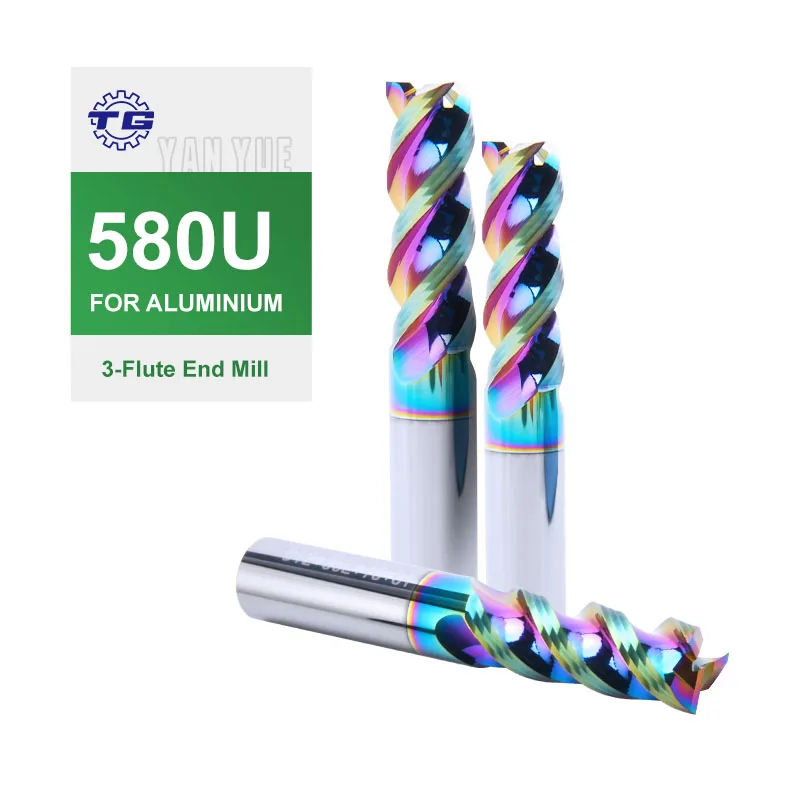
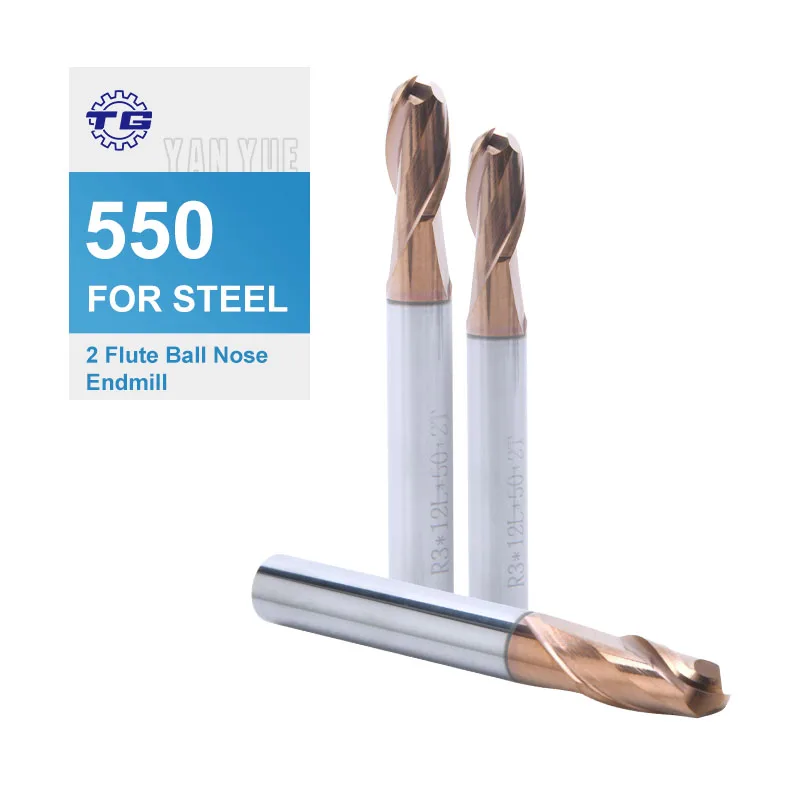
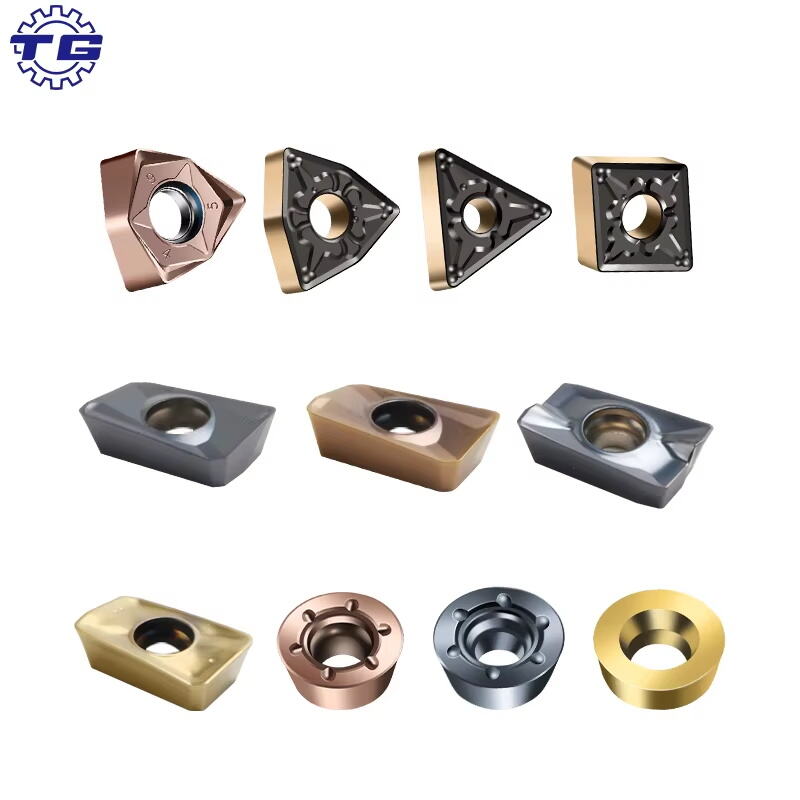
Insert type milling cutters represent a revolutionary advancement in modern machining technology, offering manufacturers and machinists a versatile and cost-effective solution for various metalworking operations. These cutting tools feature replaceable carbide inserts that can be easily swapped out when worn, eliminating the need to replace the entire tool body. The design of insert type milling cutters incorporates a robust steel body that securely holds indexable cutting inserts through mechanical clamping systems, allowing operators to achieve precise material removal across diverse workpiece materials. The main functions of insert type milling cutters include face milling, shoulder milling, slotting, and general-purpose stock removal operations in both ferrous and non-ferrous materials. These tools excel in high-volume production environments where consistency and reliability are paramount. Technological features of insert type milling cutters include advanced insert geometries designed for specific applications, multiple cutting edges per insert that extend tool life, and sophisticated chip breaker designs that improve chip evacuation and surface finish quality. The indexable insert system allows for quick tool changes without requiring removal from the machine spindle, significantly reducing downtime and maintaining tight tolerances throughout production runs. Modern insert type milling cutters incorporate precision-ground insert pockets that ensure repeatable positioning accuracy, while advanced coating technologies such as titanium nitride, titanium carbonitride, and aluminum oxide layers enhance wear resistance and thermal stability. Applications for insert type milling cutters span numerous industries including aerospace component manufacturing, automotive parts production, mold and die making, general engineering workshops, and heavy equipment fabrication. These tools effectively machine materials ranging from soft aluminum alloys to hardened steels, stainless steel grades, cast iron, and exotic superalloys. The versatility of insert type milling cutters makes them indispensable in both conventional and CNC machining centers, where their performance characteristics contribute to improved productivity and reduced per-part manufacturing costs across various production scenarios.


New Products

Insert type milling cutters deliver substantial economic benefits that directly impact your bottom line by reducing tooling expenses and improving operational efficiency. When a cutting edge becomes dull, you simply rotate or replace the small carbide insert rather than discarding an entire expensive cutting tool, resulting in savings of up to seventy percent compared to solid carbide alternatives. This replaceable insert design means you maintain a smaller inventory of tool bodies while stocking various insert grades and geometries to handle different materials and machining conditions. Your machine operators can change inserts in minutes without specialized equipment or removing the cutter from the spindle, minimizing costly machine downtime and maintaining production schedules. The quick-change capability of insert type milling cutters ensures your operations continue smoothly even during unexpected tool wear situations. These cutters provide exceptional versatility because a single tool body accommodates multiple insert types, allowing you to switch between roughing and finishing operations or adapt to different workpiece materials without investing in completely new tooling systems. The carbide inserts used in these milling cutters maintain sharp cutting edges longer than traditional high-speed steel tools, delivering consistent part quality throughout extended production runs and reducing the frequency of tool changes. Insert type milling cutters generate superior surface finishes due to their rigid construction and precise insert positioning, eliminating secondary finishing operations and reducing total manufacturing time per component. The predictable tool life of indexable inserts allows you to implement proactive tool management strategies, scheduling insert changes during planned maintenance windows rather than dealing with unexpected failures during critical production periods. Modern insert type milling cutters feature user-friendly designs that reduce training time for new operators, as the insert changing process follows standardized procedures across different cutter sizes and styles. These tools operate effectively at higher cutting speeds and feed rates compared to conventional alternatives, increasing material removal rates and throughput without compromising part accuracy or surface quality. The robust construction of insert type milling cutters withstands demanding interrupted cuts and challenging workpiece configurations that would quickly damage solid tools. Environmental benefits accompany the economic advantages, as the reduced material waste from replaceable inserts contributes to sustainable manufacturing practices while the extended service life of tool bodies decreases the frequency of tooling disposal and replacement purchasing cycles.

Practical Tips

Which drill bit type works best for concrete projects?

30

Dec

Which drill bit type works best for concrete projects?

Selecting the right drill bit for concrete projects can make the difference between a successful installation and a frustrating experience filled with broken tools and damaged materials. Concrete drilling requires specialized equipment designed to ha...
View More
Which Shapes of Carbide Inserts Are Best for Steel?

28

Feb

Which Shapes of Carbide Inserts Are Best for Steel?

When machining steel components, selecting the appropriate carbide inserts for steel becomes critical for achieving optimal performance, tool life, and surface finish quality. The geometry and shape of these cutting tools directly influence chip form...
View More
What Types of Milling Cutter Tools Are Best for Different Materials?

28

Feb

What Types of Milling Cutter Tools Are Best for Different Materials?

Modern manufacturing relies heavily on precision machining to create complex components across various industries. The selection of appropriate milling cutter tools forms the cornerstone of successful CNC operations, directly impacting surface finish...
View More
How CNC Tools Improve Accuracy in Precision Manufacturing

28

Feb

How CNC Tools Improve Accuracy in Precision Manufacturing

Precision manufacturing has revolutionized modern industry by delivering components with unprecedented accuracy and consistency. At the heart of this technological advancement lies the sophisticated world of CNC tools, which have transformed how manu...
View More

Get a Free Quote

Our representative will contact you soon.
Email
Mobile
Name
Company Name
Message
0/1000

insert type milling cutters

Economic Efficiency Through Replaceable Insert Technology

Economic Efficiency Through Replaceable Insert Technology

The revolutionary replaceable insert design of insert type milling cutters fundamentally transforms tooling economics for manufacturing operations of all sizes, delivering measurable cost savings that accumulate throughout the production lifecycle. Traditional solid cutting tools require complete replacement when cutting edges wear out, forcing companies to maintain expensive inventories of various tool sizes and configurations. Insert type milling cutters eliminate this inefficiency by separating the consumable cutting element from the reusable tool body, allowing you to replace only the small carbide insert when wear occurs. Each insert typically features multiple cutting edges, often four to eight usable positions depending on the insert geometry, meaning you can index to a fresh edge several times before discarding the insert itself. This multi-edge capability multiplies the effective tool life by the number of available cutting positions, dramatically extending the interval between tooling purchases. The financial impact becomes particularly significant in high-volume production environments where tooling costs represent a substantial portion of manufacturing expenses. Companies regularly report tooling cost reductions exceeding sixty percent after transitioning from solid tools to insert type milling cutters for appropriate applications. The standardized insert mounting systems used in these cutters enable you to stock a diverse range of insert grades and geometries while maintaining a smaller selection of tool bodies, optimizing inventory investment and storage space requirements. When machining conditions change or you encounter different workpiece materials, simply installing inserts with appropriate substrate compositions and coating specifications transforms the cutter's performance characteristics without additional capital expenditure on new tool bodies. The time savings associated with insert replacement further enhances economic efficiency, as operators typically complete insert changes in two to five minutes without removing the cutter from the machine spindle or requiring complex setup procedures. This rapid changeover capability minimizes non-productive time and maintains manufacturing schedules even when unexpected tool wear occurs. Insert type milling cutters also reduce indirect costs associated with tool management, as the simplified inventory of standardized inserts streamlines procurement processes and reduces the administrative burden of tracking numerous specialized solid tools across your facility.
Superior Performance Through Advanced Carbide Insert Engineering

Superior Performance Through Advanced Carbide Insert Engineering

Insert type milling cutters achieve exceptional machining performance through sophisticated carbide insert engineering that optimizes cutting geometry, substrate composition, and surface coating technologies for specific application requirements. Modern carbide inserts incorporate precisely controlled grain structures that balance hardness for wear resistance with toughness to prevent chipping and fracture under demanding cutting conditions. Manufacturers produce inserts using advanced powder metallurgy processes that create uniform microstructures with consistent mechanical properties throughout the insert body, ensuring predictable performance and reliable tool life across production batches. The geometric design of inserts for insert type milling cutters reflects decades of cutting research and computational modeling, incorporating optimized rake angles that reduce cutting forces, clearance angles that prevent workpiece interference, and edge preparations that strengthen the cutting edge while maintaining sharpness. Chip breaker features molded into insert surfaces control chip formation and direction, preventing long stringy chips that can damage workpiece surfaces or tangle around cutting tools, while promoting manageable chip segments that evacuate efficiently from the cutting zone. Insert type milling cutters benefit from application-specific insert geometries tailored for different operations, with aggressive chip breakers and sharp edges for finishing applications requiring superior surface quality, or robust edge preparations and strong geometries for roughing operations involving heavy material removal and interrupted cuts. Advanced coating technologies applied to carbide inserts significantly enhance performance capabilities by creating hard, wear-resistant surface layers that reduce friction, prevent built-up edge formation, and provide thermal barriers protecting the carbide substrate from excessive heat generation during high-speed machining. Multi-layer coating systems combine different materials such as titanium carbonitride for wear resistance, aluminum oxide for thermal protection, and titanium nitride for reduced friction, creating synergistic performance improvements that extend tool life well beyond uncoated alternatives. Insert type milling cutters equipped with coated inserts effectively machine difficult materials including hardened steels, stainless steel alloys, and high-temperature superalloys that rapidly wear conventional cutting tools. The precision manufacturing standards applied to carbide inserts ensure dimensional consistency that maintains tight tolerances in finished parts, while the secure clamping systems in quality insert type milling cutters provide repeatable insert positioning that preserves accuracy through multiple insert changes throughout the tool body's service life.
Operational Versatility Across Diverse Manufacturing Applications

Operational Versatility Across Diverse Manufacturing Applications

Insert type milling cutters demonstrate remarkable operational versatility that makes them invaluable across diverse manufacturing sectors and machining applications, adapting to varied production requirements through strategic insert selection and tooling configuration. A single insert type milling cutter body can accommodate different insert grades optimized for specific workpiece materials, allowing manufacturers to machine everything from soft aluminum alloys to hardened tool steels using the same basic tooling platform with appropriate insert choices. This adaptability proves especially valuable for job shops and contract manufacturers who regularly encounter different materials and production specifications, as it reduces the total investment in specialized tooling while maintaining capability to handle diverse customer requirements. Insert type milling cutters perform effectively in both roughing operations requiring aggressive material removal rates and finishing operations demanding superior surface quality and dimensional accuracy, with performance characteristics determined primarily by insert geometry and cutting parameter selection rather than fundamental tool limitations. The range of available insert shapes, sizes, and mounting configurations enables customized solutions for specific machining challenges, from large face mills covering substantial workpiece areas in minimal passes to compact cutters accessing restricted spaces in complex component geometries. Modern insert type milling cutters integrate seamlessly with both conventional manual machines and sophisticated CNC machining centers, supporting traditional manufacturing operations while enabling advanced programming techniques that optimize tool paths and cutting parameters for maximum efficiency. The balanced design and precision manufacturing of quality insert type milling cutters minimizes vibration and chatter during operation, maintaining stable cutting conditions that protect delicate workpiece features and extend machine spindle life while producing consistent results across production quantities. Insert type milling cutters accommodate various coolant delivery methods including flood coolant, through-spindle coolant, and high-pressure coolant systems that improve chip evacuation and thermal management in demanding applications. The modular nature of insert type milling cutters supports scalable manufacturing strategies, allowing companies to begin with basic tooling configurations and expand capabilities through insert variety rather than wholesale tooling replacement as production requirements evolve. These cutters effectively handle interrupted cuts common in shoulder milling and slotting operations where cutting edges repeatedly enter and exit the workpiece, conditions that quickly damage solid tools through shock loading and thermal cycling. Insert type milling cutters maintain performance consistency throughout extended production runs because fresh cutting edges remain available through insert indexing, eliminating the gradual performance degradation characteristic of tools requiring removal and regrinding. The standardization of insert mounting systems across the industry ensures broad compatibility between tool bodies and inserts from different manufacturers, providing sourcing flexibility and preventing vendor lock-in situations that limit procurement options and negotiating leverage.
insert type milling cutters-0
insert type milling cutters-1

Get a Free Quote

Our representative will contact you soon.
Email
Mobile
Name
Company Name
Message
0/1000