Material Grade Selection for Application-Specific Performance
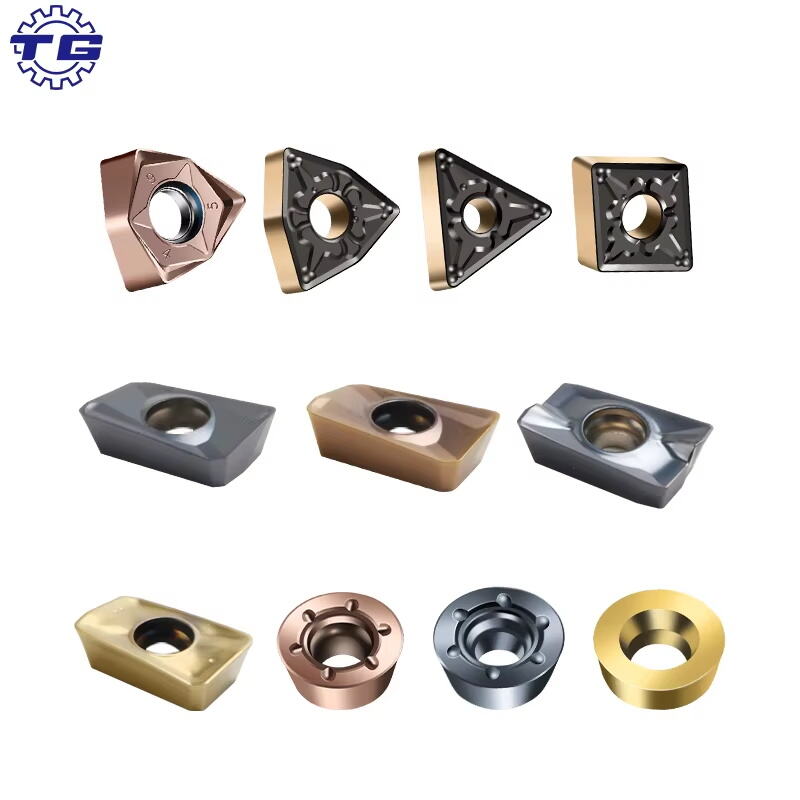
The substrate material composition and grade designation of face mill inserts determine their fundamental performance characteristics and suitability for specific machining applications. Carbide grades represent the most common substrate material, consisting of tungsten carbide particles bonded together with metallic binders, typically cobalt, in carefully controlled proportions. The ratio of tungsten carbide to binder material directly influences hardness and toughness properties, with higher cobalt content producing tougher grades that resist chipping and fracture in interrupted cutting conditions while lower cobalt percentages yield harder grades with superior wear resistance for continuous cutting of abrasive materials. Grain size of the tungsten carbide particles affects performance characteristics, with submicron and ultrafine grain sizes below one micrometer producing extremely hard, wear-resistant grades suitable for finishing operations and machining abrasive materials like cast iron and hardened steel. Medium and coarse grain structures provide greater toughness and thermal shock resistance necessary for roughing operations and interrupted cuts encountered when machining castings with scale or forgings with variable cross-sections. Manufacturers designate insert grades using standardized classification systems that indicate the intended application range, with codes specifying suitable workpiece materials from non-ferrous metals through various steel categories to hardened and heat-resistant alloys. The ISO classification system groups materials into categories designated by letters and colors, with P grades for steel, M grades for stainless steel, K grades for cast iron, N grades for aluminum and non-ferrous metals, S grades for heat-resistant alloys, and H grades for hardened materials. Cermet inserts, composed of titanium carbonitride with nickel or cobalt binders, offer exceptional crater wear resistance and maintain sharp cutting edges longer than conventional carbides when machining steel at moderate speeds, making them ideal for applications requiring superior surface finish. Ceramic face mill inserts provide extreme hot hardness and wear resistance enabling cutting speeds three to five times faster than carbide in suitable applications, though their brittleness limits use to stable machine tools and continuous cutting conditions without interruption. Polycrystalline diamond inserts deliver unmatched wear resistance and edge sharpness for machining non-ferrous metals, particularly aluminum alloys and copper, where they achieve mirror-like surface finishes and extraordinary tool life measured in kilometers of cutting distance rather than minutes. Cubic boron nitride inserts rank second only to diamond in hardness, excelling in machining hardened ferrous materials above forty-five Rockwell C hardness where carbide tools wear rapidly and ceramic tools risk fracture. Material selection for face mill inserts requires balancing multiple factors including workpiece material properties, cutting parameters, machine tool rigidity, part geometry complexity, and cost considerations to optimize performance and value.

 EN
EN