Contact me immediately if you encounter problems!

All Categories

carbide 2 flute end mills

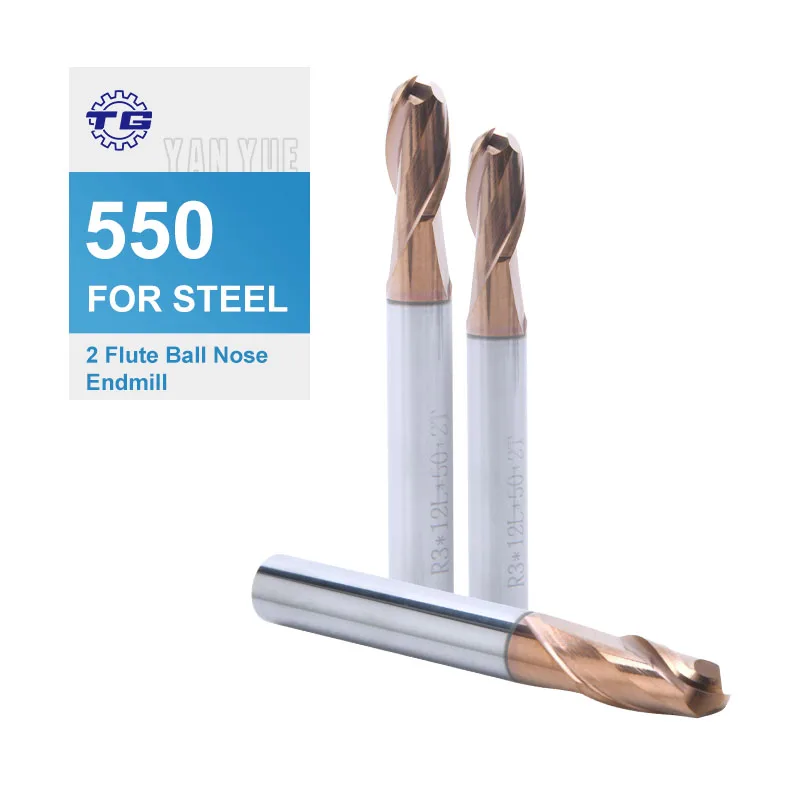
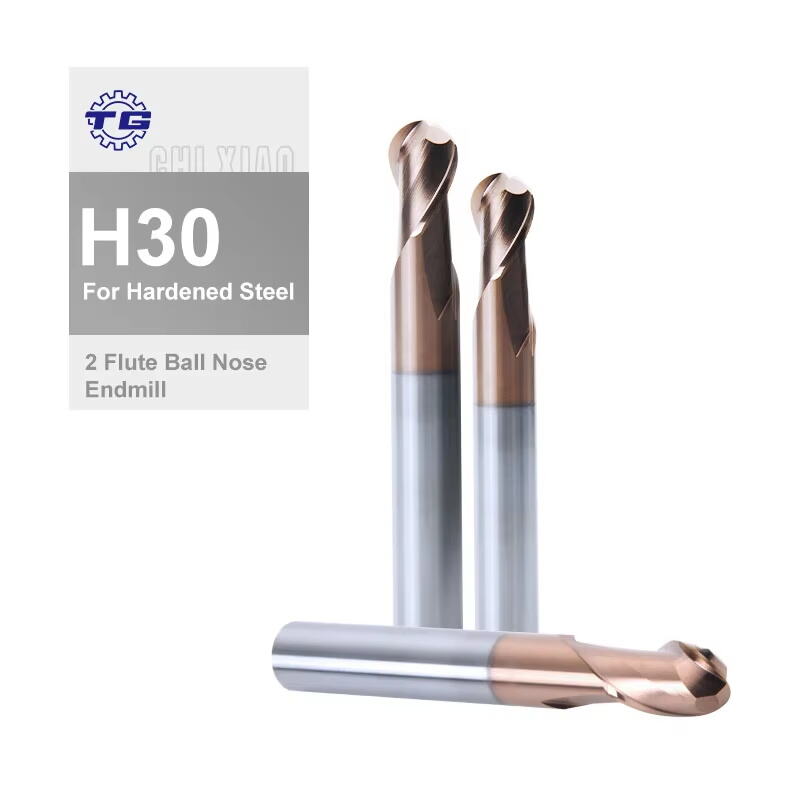
Carbide 2 flute end mills represent essential cutting tools engineered for precision machining operations across diverse manufacturing environments. These specialized milling cutters feature two cutting edges, or flutes, manufactured from solid carbide material, which delivers exceptional hardness and wear resistance compared to traditional high-speed steel alternatives. The primary function of carbide 2 flute end mills involves removing material from workpieces through rotational cutting action, creating slots, pockets, contours, and profiles with remarkable accuracy. The two-flute design provides an optimal balance between cutting performance and chip evacuation, making these tools particularly effective for machining softer materials where efficient chip removal is critical. Technological features include precision-ground cutting edges that maintain sharpness throughout extended production runs, along with carefully engineered helix angles that reduce cutting forces and minimize vibration during operation. The carbide composition typically consists of tungsten carbide particles bonded with cobalt, resulting in a tool that withstands high temperatures generated during cutting while maintaining dimensional stability. Modern manufacturing techniques ensure consistent geometry across production batches, enabling predictable performance and reliable quality outcomes. Applications for carbide 2 flute end mills span numerous industries, including aerospace component fabrication, automotive parts manufacturing, mold and die production, and general metalworking operations. These versatile tools excel in machining aluminum alloys, plastics, composites, wood, and non-ferrous metals, where the two-flute configuration provides generous chip clearance space. The design proves particularly advantageous for slotting operations, where the wide flute valleys accommodate larger chip volumes without clogging. Manufacturers also employ carbide 2 flute end mills for finishing operations that demand superior surface quality and tight dimensional tolerances. The combination of carbide material properties and two-flute geometry creates a cutting tool solution that addresses common machining challenges while delivering consistent results across varied production requirements and material specifications.


New Product Recommendations

Choosing carbide 2 flute end mills for your machining operations brings numerous practical benefits that directly impact your production efficiency and bottom line. The first major advantage centers on tool longevity, as carbide material maintains its cutting edge significantly longer than conventional steel tools, which means you spend less time changing tools and more time producing parts. This extended tool life translates into reduced tooling costs over time, even though the initial investment may be higher. The superior hardness of carbide allows these end mills to operate at higher cutting speeds, which accelerates production cycles and increases throughput without sacrificing quality. Your machines can run faster while producing parts that meet exact specifications, enabling you to fulfill orders more quickly and take on additional work. The two-flute configuration offers distinct benefits for chip evacuation, particularly when working with softer materials like aluminum or plastics. The generous flute space prevents chip packing, which can cause tool breakage, poor surface finish, and dimensional inaccuracy. Better chip removal means smoother operation, less heat buildup, and cleaner cuts that often require minimal secondary finishing. Carbide 2 flute end mills maintain dimensional accuracy throughout their service life, ensuring consistent part quality from the first piece to the last. This reliability reduces scrap rates and rework costs while building confidence in your manufacturing process. The tools perform exceptionally well in plunge cutting applications, where the two-flute design provides strength and efficient material removal. Operators appreciate the reduced vibration characteristics of carbide 2 flute end mills, which creates a more stable cutting environment and produces better surface finishes. Less vibration also extends machine tool life by reducing wear on spindles and bearings. The versatility of these end mills allows you to consolidate your tool inventory, as a single carbide 2 flute end mill can often handle multiple operations that might otherwise require different tools. This simplification streamlines tool management, reduces setup times, and minimizes the risk of using incorrect tooling. When working with abrasive materials, carbide 2 flute end mills resist wear that would quickly degrade other tool materials, maintaining performance characteristics that ensure consistent results. The thermal stability of carbide means these tools can handle the heat generated during aggressive machining without losing hardness or deforming, which is particularly valuable in high-volume production environments. Overall, carbide 2 flute end mills deliver tangible value through increased productivity, reduced costs, improved quality, and operational flexibility that adapts to changing manufacturing demands.

Tips And Tricks

When should you use carbide vs HSS end mill cutters?

10

Feb

When should you use carbide vs HSS end mill cutters?

Selecting the right cutting tool for machining operations is crucial for achieving optimal performance, surface finish, and tool longevity. The choice between carbide and high-speed steel (HSS) end mill cutters significantly impacts manufacturing eff...
View More
How CNC Tools Improve Accuracy in Precision Manufacturing

28

Feb

How CNC Tools Improve Accuracy in Precision Manufacturing

Precision manufacturing has revolutionized modern industry by delivering components with unprecedented accuracy and consistency. At the heart of this technological advancement lies the sophisticated world of CNC tools, which have transformed how manu...
View More
What are the main uses of tungsten carbide?

28

Feb

What are the main uses of tungsten carbide?

Tungsten carbide represents one of the most versatile and durable materials in modern industrial applications, combining exceptional hardness with remarkable wear resistance. This compound material, formed by combining tungsten and carbon atoms in eq...
View More
What Safety Measures Are Essential in Holemaking Operations?

31

Mar

What Safety Measures Are Essential in Holemaking Operations?

Holemaking operations represent one of the most fundamental yet potentially hazardous processes in manufacturing environments. These operations involve creating precise holes in various materials using drilling, reaming, boring, and related machining...
View More

Get a Free Quote

Our representative will contact you soon.
Email
Mobile
Name
Company Name
Message
0/1000

carbide 2 flute end mills

Superior Material Removal Efficiency Through Optimized Flute Design

Superior Material Removal Efficiency Through Optimized Flute Design

The engineering behind carbide 2 flute end mills focuses on maximizing material removal rates while maintaining cut quality, and the two-flute configuration plays a central role in achieving this balance. Unlike tools with more flutes, the carbide 2 flute end mills feature larger flute valleys that provide substantial space for chip formation and evacuation. This design consideration becomes critically important when machining materials that produce long, stringy chips or high chip volumes. The generous clearance prevents chips from re-cutting, which can work-harden the material surface and accelerate tool wear. When chips evacuate cleanly from the cutting zone, the tool operates cooler because chips carry away heat generated during cutting. Lower operating temperatures preserve the carbide cutting edge and prevent thermal damage to the workpiece. The two-flute geometry also enables more aggressive feed rates compared to multi-flute designs in appropriate materials, as each cutting edge has more time to clear its chip load before engaging the material again. This characteristic allows operators to push production speeds without overloading the tool or compromising surface finish. In slot milling operations, where chip evacuation presents the greatest challenge, carbide 2 flute end mills demonstrate clear advantages by channeling chips upward and out of the cut rather than packing them into confined spaces. The wider flutes also contribute to tool rigidity in smaller diameters, where the reduced core diameter of multi-flute tools can lead to deflection and breakage. Manufacturing precision ensures that both flutes share the cutting load equally, preventing uneven wear patterns that cause dimensional drift and poor finishes. The helix angle engineered into carbide 2 flute end mills complements the flute design by creating a shearing action that reduces cutting forces and vibration. This combination of features results in a tool that removes material efficiently while producing smooth surfaces that often meet finish requirements without additional operations. Users working with aluminum alloys particularly value this efficiency, as aluminum machines rapidly but generates substantial chip volumes that can overwhelm tools with inadequate chip clearance.
Extended Tool Life and Cost-Effectiveness Through Carbide Construction

Extended Tool Life and Cost-Effectiveness Through Carbide Construction

Investing in carbide 2 flute end mills delivers exceptional value through extended operational life that significantly reduces per-part tooling costs and minimizes production interruptions. The carbide material itself represents a sophisticated metallurgical achievement, combining tungsten carbide particles with a cobalt binder to create a composite that exhibits hardness approaching that of diamond while maintaining enough toughness to resist fracture under cutting loads. This unique combination of properties allows carbide 2 flute end mills to maintain sharp cutting edges through thousands of linear feet of cutting, far exceeding the capabilities of high-speed steel alternatives. The extended tool life means fewer tool changes during production runs, which reduces downtime and allows continuous operation that maximizes machine utilization. For high-volume manufacturers, this reduction in changeover time translates directly into increased output and lower labor costs per unit produced. The consistency of carbide material properties ensures predictable tool performance throughout its life cycle, enabling accurate scheduling of tool changes during planned maintenance windows rather than emergency replacements that disrupt production flow. Carbide 2 flute end mills resist the abrasive wear that occurs when machining materials containing hard particles or constituents, maintaining cutting geometry that produces accurate dimensions part after part. The hot hardness of carbide allows these tools to function effectively even when cutting generates substantial heat, unlike softer tool materials that lose hardness and fail rapidly under thermal stress. Users appreciate that carbide 2 flute end mills can be reconditioned through professional sharpening services, further extending their economic life and reducing total tooling expenditure. The initial cost premium for carbide tools typically pays back quickly through reduced replacement frequency and improved productivity. When calculating true tooling costs, forward-thinking manufacturers consider total parts produced per tool rather than simply purchase price, and this analysis consistently favors carbide 2 flute end mills for production applications. The reliability of these tools also reduces the risk of catastrophic tool failure that can damage workpieces, fixtures, or machines, avoiding costly repairs and scrap. Quality carbide 2 flute end mills feature consistent manufacturing standards that ensure dimensional accuracy and balance, contributing to smooth operation that protects machine tool spindles from excessive wear.
Versatile Performance Across Multiple Materials and Machining Applications

Versatile Performance Across Multiple Materials and Machining Applications

Carbide 2 flute end mills demonstrate remarkable versatility that allows manufacturers to address diverse machining challenges with a single tool type, simplifying inventory management while expanding processing capabilities. These cutting tools excel when working with non-ferrous metals, particularly aluminum alloys commonly used in aerospace, automotive, and consumer electronics manufacturing. The combination of carbide hardness and two-flute geometry enables aggressive cutting parameters that maximize productivity in aluminum without generating the built-up edge that plagues softer tool materials. Beyond aluminum, carbide 2 flute end mills perform effectively in brass, copper, and other non-ferrous alloys, maintaining sharp cutting edges that produce clean surfaces and accurate dimensions. The tools also prove valuable when machining engineered plastics and composite materials used increasingly in modern manufacturing. Plastics present unique challenges including heat sensitivity and tendency to produce continuous chips, but the efficient chip evacuation and low cutting forces of carbide 2 flute end mills address these concerns effectively. Composite materials containing abrasive fibers quickly wear conventional tools, yet carbide construction resists this abrasive action while producing clean edges without delamination. Wood and wood-based materials also machine successfully with carbide 2 flute end mills, as the sharp carbide edges produce smooth cuts in both solid wood and engineered products like MDF and particleboard. The versatility extends to different machining operations, as these tools handle profile milling, slot cutting, plunge milling, ramping, and contouring with equal competence. This operational flexibility means setup personnel can program complex tool paths knowing the carbide 2 flute end mills will perform consistently across varied cutting conditions. Small job shops particularly benefit from this versatility, as they can maintain a compact tool inventory that serves multiple applications rather than stocking specialized tools for each material and operation. The tools function effectively on various machine platforms, from manual mills to sophisticated CNC machining centers, adapting to different operational environments and skill levels. Carbide 2 flute end mills also accommodate both roughing and finishing strategies, though their design optimizes them particularly for finishing applications where surface quality matters most. Users can confidently specify carbide 2 flute end mills for prototype development and production runs alike, knowing the tools will deliver consistent results regardless of production volume.
carbide 2 flute end mills-0
carbide 2 flute end mills-1

Get a Free Quote

Our representative will contact you soon.
Email
Mobile
Name
Company Name
Message
0/1000