
 EN
EN
High speed steel represents one of the most significant innovations in metallurgy and machining technology. This specialized alloy has revolutionized manufacturing processes across countless industries, enabling precision cutting operations at speeds that were previously impossible. Understanding the composition, properties, and applications of high speed steel is crucial for engineers, machinists, and manufacturing professionals who demand superior performance from their cutting tools. The unique characteristics of this material make it indispensable in modern industrial applications where durability, heat resistance, and cutting efficiency are paramount.
Composition and Metallurgical Properties
Essential Alloying Elements
High speed steel derives its exceptional properties from a carefully balanced combination of alloying elements. The primary components include tungsten, molybdenum, chromium, vanadium, and cobalt, each contributing specific characteristics to the final product. Tungsten typically comprises 6-18% of the alloy composition and provides the fundamental heat resistance that allows high speed steel to maintain its hardness at elevated temperatures. Molybdenum, present in concentrations of 0-10%, enhances toughness and reduces brittleness while maintaining the alloy's ability to withstand thermal stress during high-speed machining operations.
Chromium content ranges from 3-5% and serves multiple functions within the high speed steel matrix. It improves corrosion resistance, contributes to hardenability, and forms stable carbides that enhance wear resistance. Vanadium, typically present in amounts of 1-5%, creates extremely hard carbides that significantly improve wear resistance and edge retention. These vanadium carbides are particularly effective at maintaining sharp cutting edges even under extreme operating conditions where conventional steels would quickly lose their effectiveness.
Microstructural Characteristics
The microstructure of high speed steel plays a crucial role in determining its performance characteristics. When properly heat treated, the alloy develops a fine-grained martensitic matrix interspersed with hard carbide particles. These carbides, primarily composed of tungsten, molybdenum, and vanadium compounds, act as wear-resistant reinforcement within the softer matrix. The distribution and size of these carbides directly influence the cutting performance and longevity of tools manufactured from high speed steel.
Secondary hardening is another critical aspect of high speed steel microstructure. Unlike conventional carbon steels that lose hardness when heated, high speed steel exhibits the unique property of actually increasing in hardness when tempered at specific temperatures. This phenomenon occurs due to the precipitation of fine carbides during the tempering process, which strengthens the matrix and enhances overall tool performance. Understanding this behavior is essential for optimizing heat treatment procedures and achieving maximum tool life.
Manufacturing Processes and Heat Treatment
Production Methods
The production of high speed steel involves sophisticated manufacturing processes that ensure consistent quality and performance. Traditional ingot casting remains a widely used method, where molten alloy is poured into molds and allowed to solidify under controlled conditions. However, powder metallurgy techniques have gained prominence due to their ability to produce more uniform microstructures with finer carbide distributions. In powder metallurgy, the alloying elements are blended in powder form, compacted, and sintered to create a homogeneous structure that often exhibits superior performance characteristics compared to cast alternatives.
Modern production facilities utilize advanced melting techniques such as vacuum induction melting and electroslag remelting to minimize impurities and ensure consistent chemical composition. These processes are particularly important for high speed steel because even minor variations in chemistry can significantly impact the final properties. Quality control measures throughout the manufacturing process include spectrographic analysis, hardness testing, and microstructural examination to verify that the material meets stringent specifications.
Heat Treatment Optimization
Proper heat treatment is absolutely critical for achieving the full potential of high speed steel. The process typically involves several distinct stages: annealing, hardening, and tempering. During annealing, the material is heated to approximately 870-900°C and slowly cooled to achieve a soft, machinable condition suitable for tool manufacturing. This step relieves internal stresses and creates a uniform microstructure that can be easily machined into complex tool geometries.
The hardening process requires heating the high speed steel to temperatures ranging from 1200-1300°C, followed by rapid cooling in oil, air, or specialized quenching media. This transformation develops the martensitic structure necessary for maximum hardness and wear resistance. Subsequently, multiple tempering cycles at temperatures between 500-600°C activate the secondary hardening mechanism, optimizing the balance between hardness, toughness, and thermal stability.
Performance Characteristics and Advantages
Thermal Stability
One of the most remarkable properties of high speed steel is its exceptional thermal stability, which allows cutting tools to maintain their hardness and sharpness even when operating temperatures exceed 600°C. This characteristic stems from the presence of thermally stable carbides that resist dissolution and coarsening at elevated temperatures. Unlike conventional carbon steels that soften rapidly when heated, high speed steel retains approximately 60-65 HRC hardness even under extreme thermal conditions encountered during high-speed machining operations.
The thermal stability of high speed steel enables manufacturers to operate at cutting speeds that would be impossible with other tool materials. This capability translates directly into increased productivity, reduced cycle times, and improved surface finishes on machined components. Additionally, the ability to withstand thermal cycling without significant degradation makes high speed steel tools particularly suitable for interrupted cutting operations where repeated heating and cooling cycles would quickly destroy inferior materials.
Wear Resistance and Edge Retention
Exceptional wear resistance is another defining characteristic of high speed steel that makes it invaluable in demanding machining applications. The hard carbide particles distributed throughout the matrix act as microscopic cutting edges that continue to provide cutting action even as the surrounding matrix wears away. This self-sharpening effect extends tool life significantly compared to homogeneous materials that lose their cutting ability once the original edge geometry is compromised.
Edge retention capabilities of high speed steel are particularly evident in applications involving abrasive materials or extended cutting operations. The combination of matrix toughness and carbide hardness creates a material that can maintain sharp cutting edges while resisting chipping, cracking, and premature failure. These properties make high speed steel an excellent choice for applications where tool changes are costly or impractical, such as automated manufacturing systems or remote machining operations.
Industrial Applications and Tool Types
Cutting Tool Applications
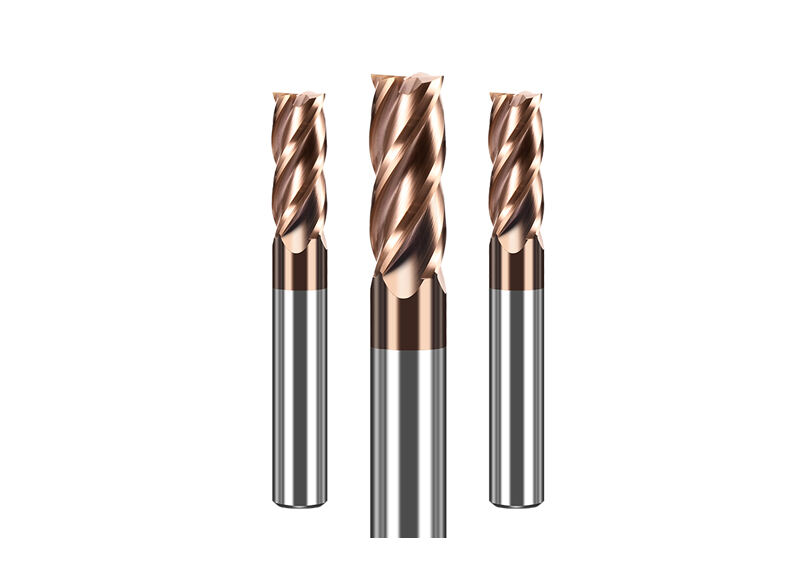
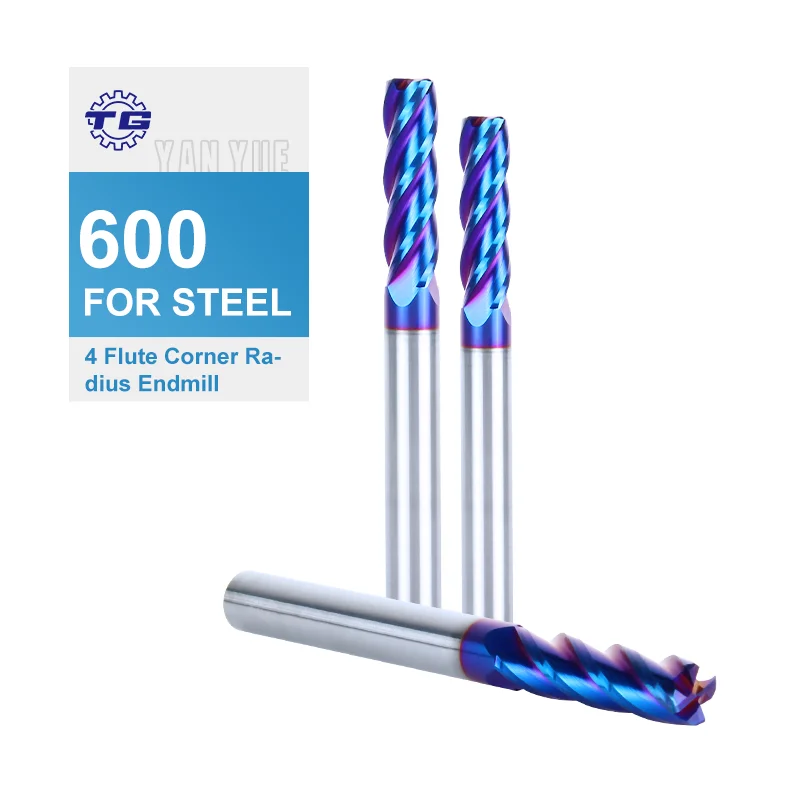
High speed steel finds extensive application in manufacturing cutting tools that span virtually every industrial sector. End mills, drill bits, taps, dies, and broaches represent just a few of the tool types commonly produced from this versatile material. In the automotive industry, high speed steel tools are essential for machining engine components, transmission parts, and suspension systems where precision and reliability are critical. The aerospace sector relies heavily on high speed steel cutting tools for processing exotic alloys and maintaining the tight tolerances required for flight-critical components.
The versatility of high speed steel makes it suitable for both roughing and finishing operations across a wide range of materials. From soft aluminum alloys to hardened tool steels, high speed steel cutting tools can be optimized through geometry design and coating application to excel in specific applications. Modern manufacturing facilities often maintain inventories of high speed steel tools in various configurations to handle diverse production requirements efficiently.
Specialized Industrial Uses
Beyond conventional cutting applications, high speed steel serves critical roles in specialized industrial processes. Roll forming operations rely on high speed steel rolls that must maintain their shape and surface finish while processing thousands of parts. The material's combination of hardness and toughness makes it ideal for applications involving both compressive loads and sliding contact. Die casting operations utilize high speed steel components that must withstand repeated thermal cycling while maintaining dimensional accuracy.
Woodworking applications represent another significant market for high speed steel products. Router bits, planer knives, and saw blades manufactured from high speed steel provide superior performance when processing both softwoods and hardwoods. The material's ability to hold sharp edges while resisting the resinous deposits common in wood processing makes it particularly valuable in high-production environments where consistent quality and minimal downtime are essential.
Comparison with Alternative Materials
High Speed Steel versus Carbide
The choice between high speed steel and carbide cutting tools involves careful consideration of multiple factors including cost, performance requirements, and application specifics. Carbide tools generally offer superior hardness and wear resistance, enabling higher cutting speeds and longer tool life in many applications. However, high speed steel maintains significant advantages in terms of toughness, shock resistance, and ability to withstand interrupted cuts that would fracture more brittle carbide tools.
Cost considerations often favor high speed steel, particularly for smaller production runs or applications where the premium performance of carbide cannot be justified economically. The regrindability of high speed steel tools represents another significant advantage, as worn tools can be resharpened multiple times to restore their original cutting geometry. This characteristic makes high speed steel particularly attractive for custom tooling applications or situations where tool inventory costs must be minimized.
Performance Comparison with Ceramic Materials
Ceramic cutting materials offer exceptional hardness and chemical stability but lack the toughness required for many industrial applications. High speed steel provides a balanced combination of properties that makes it more versatile across diverse machining conditions. While ceramics excel in continuous cutting operations at very high speeds, high speed steel maintains its effectiveness across a broader range of operating parameters including variable feeds, interrupted cuts, and challenging workpiece materials.
The thermal shock resistance of high speed steel surpasses that of most ceramic materials, making it more suitable for applications involving rapid temperature changes or coolant application. Additionally, the machinability of high speed steel allows for complex tool geometries that would be difficult or impossible to achieve with ceramic materials, expanding the range of possible applications and enabling optimized tool designs for specific machining requirements.
Future Developments and Innovations
Advanced Alloy Development
Ongoing research in high speed steel metallurgy focuses on developing new alloy compositions that push the boundaries of performance while maintaining the material's inherent advantages. Powder metallurgy techniques continue to evolve, enabling the production of high speed steel with increasingly fine and uniform microstructures. These advances translate into improved tool life, enhanced surface finish capabilities, and expanded application ranges for high speed steel cutting tools.
Nanotechnology applications in high speed steel development show promising potential for creating materials with unprecedented combinations of hardness, toughness, and thermal stability. Research into nano-scale carbide additions and matrix modifications may lead to high speed steel variants that bridge the performance gap between conventional tool steels and exotic cutting materials while retaining the manufacturability and cost advantages that make high speed steel attractive to industry.
Coating Technologies and Surface Treatments
Surface engineering represents a rapidly advancing field that enhances the performance of high speed steel tools without compromising their fundamental properties. Physical vapor deposition coatings such as titanium nitride, aluminum nitride, and chromium nitride provide additional hardness and chemical resistance while maintaining the toughness of the underlying high speed steel substrate. These coatings can extend tool life by factors of two to five while enabling higher cutting speeds and improved surface finishes.
Emerging surface treatment technologies including ion implantation and laser surface modification offer possibilities for creating gradient property distributions within high speed steel components. These techniques can produce surfaces with extreme hardness while preserving the tough, shock-resistant core that makes high speed steel valuable for demanding applications. As these technologies mature and become more cost-effective, they may revolutionize the performance capabilities of traditional high speed steel tools.
FAQ
What makes high speed steel different from regular carbon steel
High speed steel contains significant amounts of alloying elements such as tungsten, molybdenum, chromium, and vanadium that are absent in regular carbon steel. These additions create hard carbide particles throughout the steel matrix and enable the material to retain its hardness at elevated temperatures. While carbon steel softens rapidly when heated above 200°C, high speed steel maintains its cutting ability even at temperatures exceeding 600°C, making it suitable for high-speed machining operations.
How long do high speed steel cutting tools typically last
The lifespan of high speed steel cutting tools varies significantly depending on application conditions, workpiece materials, and operating parameters. In typical machining operations, high speed steel tools may provide anywhere from several hours to several weeks of productive cutting time. Factors such as cutting speed, feed rate, depth of cut, and coolant usage all influence tool life. Additionally, high speed steel tools can often be resharpened multiple times, effectively extending their useful life beyond that of disposable alternatives.
Can high speed steel tools be used for machining hardened materials
High speed steel tools can machine hardened materials, though their effectiveness depends on the specific hardness levels and cutting conditions employed. For materials with hardness levels up to approximately 45-50 HRC, properly designed high speed steel tools can provide acceptable performance. However, for extremely hard materials or high-production applications, carbide or ceramic tools may be more appropriate choices due to their superior hardness and wear resistance.
What are the main advantages of powder metallurgy high speed steel
Powder metallurgy high speed steel offers several advantages over conventionally produced material including more uniform chemical composition, finer carbide distribution, and reduced segregation of alloying elements. These improvements typically result in better tool performance, including improved wear resistance, more predictable tool life, and enhanced surface finish capabilities. The powder metallurgy process also allows for the production of alloy compositions that would be difficult or impossible to achieve through conventional melting and casting methods.