Contact me immediately if you encounter problems!

All Categories

carbide tipped end mill

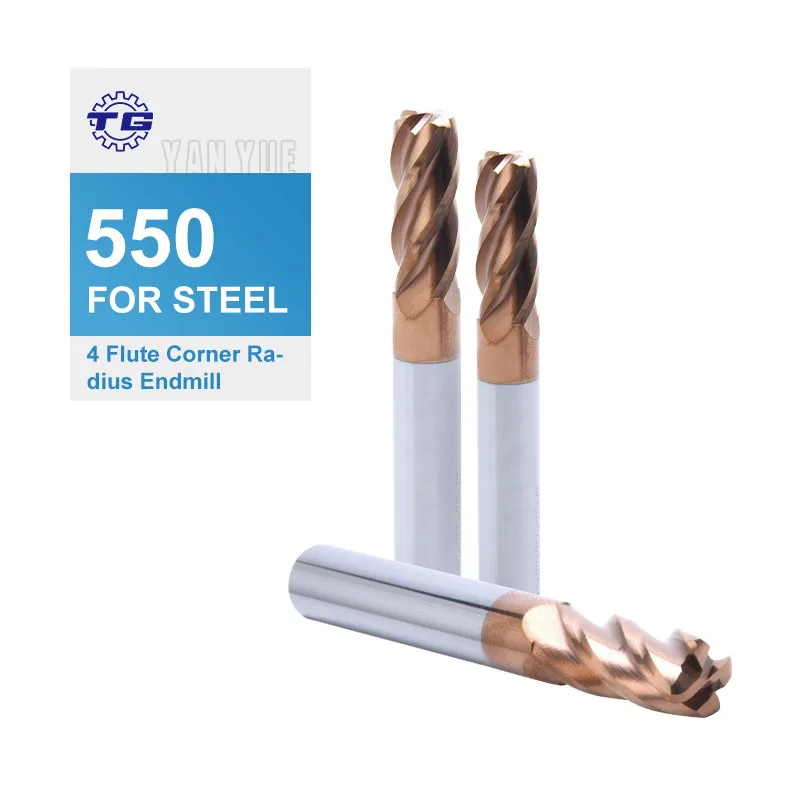
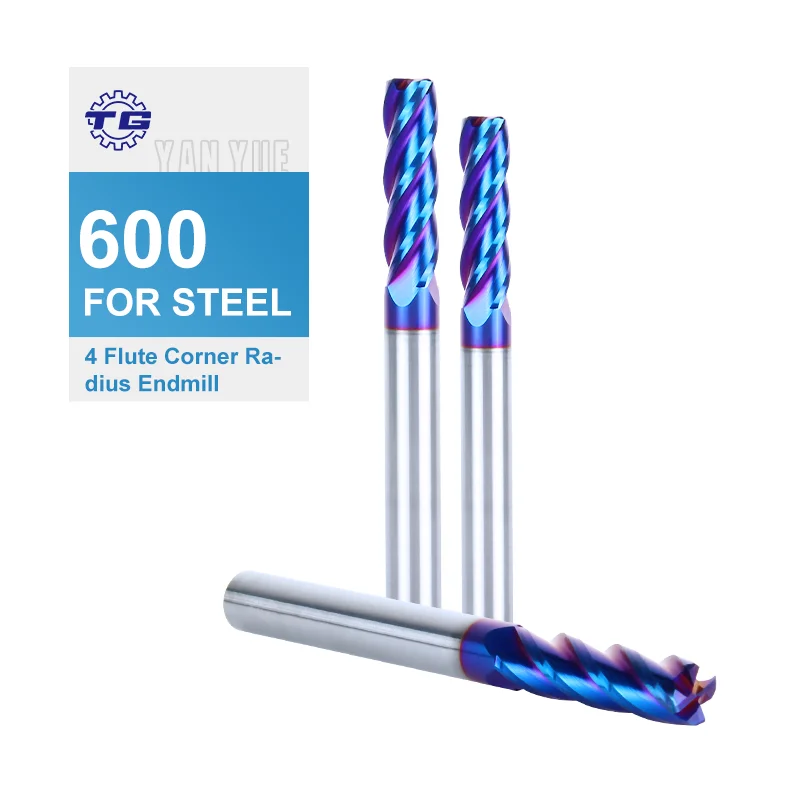
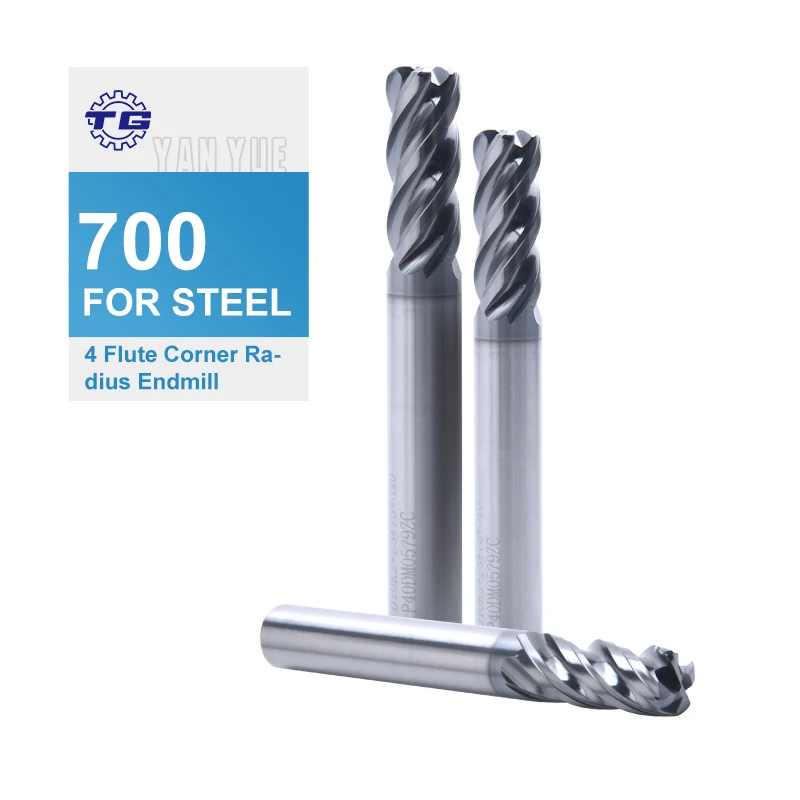
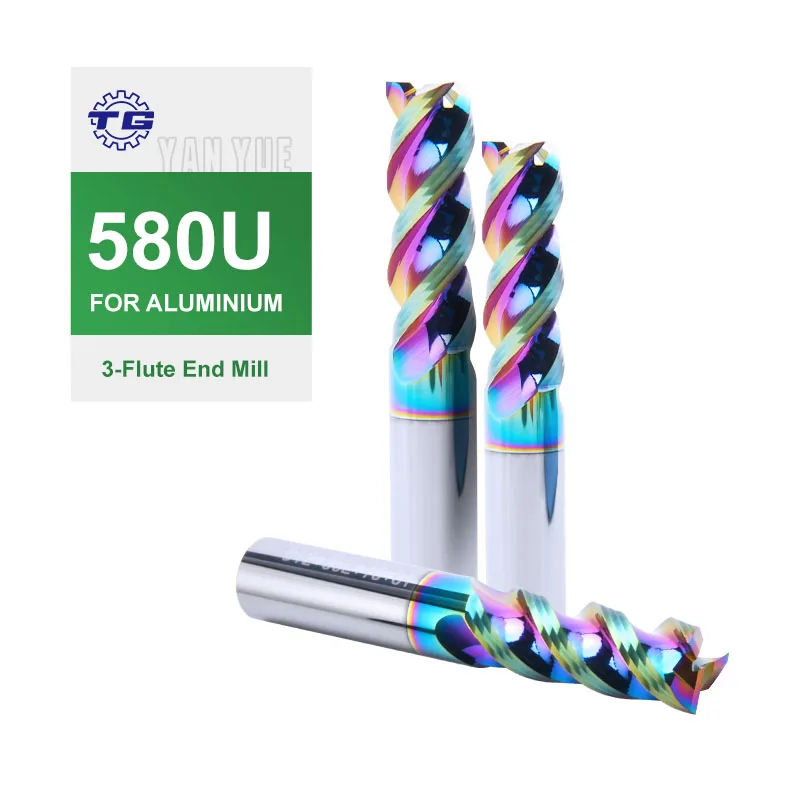
The carbide tipped end mill represents a crucial cutting tool in modern machining operations, designed to deliver exceptional performance across diverse manufacturing applications. This precision instrument features cutting edges made from carbide material, which is brazed or mechanically attached to a steel shank body. The combination of carbide tips with a steel body creates an optimal balance between cutting performance and cost-effectiveness, making it an invaluable asset for workshops and production facilities. The carbide tipped end mill excels in removing material from workpieces through rotary cutting action, operating in milling machines, machining centers, and CNC equipment. Its primary functions include face milling, peripheral milling, slotting, profiling, and contouring operations on various materials. The technological features of the carbide tipped end mill distinguish it from other cutting tools in the marketplace. The carbide tips provide superior hardness and wear resistance compared to high-speed steel alternatives, enabling extended tool life and consistent cutting performance. The steel shank offers necessary toughness and flexibility to absorb vibrations and resist breakage during demanding operations. This hybrid construction allows manufacturers to achieve precise tolerances while maintaining production efficiency. Applications for the carbide tipped end mill span numerous industries including aerospace, automotive, mold making, general manufacturing, and construction equipment production. These tools effectively machine materials such as aluminum alloys, cast iron, mild steel, stainless steel, plastics, and composite materials. The versatility of the carbide tipped end mill makes it suitable for both roughing operations that remove large amounts of material quickly and finishing passes that achieve smooth surface quality and dimensional accuracy, making it an indispensable component in contemporary metalworking environments.


New Product Releases

Understanding the practical benefits of the carbide tipped end mill helps customers make informed decisions for their machining requirements. The first major advantage centers on cost savings. While solid carbide tools offer excellent performance, they come with premium pricing that strains budgets. The carbide tipped end mill delivers comparable cutting capabilities at a fraction of the cost because only the cutting edges utilize expensive carbide material while the shank uses economical steel. This smart design reduces initial investment without sacrificing productivity. Manufacturing facilities operating on tight budgets find this cost structure particularly appealing, allowing them to equip multiple machines without excessive capital expenditure. The second significant benefit involves extended tool longevity. Carbide material maintains its cutting edge sharpness far longer than conventional high-speed steel options. This translates to fewer tool changes during production runs, reducing machine downtime and labor costs associated with tool replacement. Operators spend more time producing parts and less time swapping worn tools, directly improving throughput and profitability. The carbide tipped end mill maintains consistent dimensions throughout its working life, ensuring parts meet specifications from the first cut to the last. Another practical advantage emerges in versatility across different materials. The carbide tipped end mill handles everything from soft aluminum to tougher steel alloys with confidence. Shops working with varied materials appreciate having one tool type that adapts to multiple jobs rather than maintaining separate inventory for each material category. This flexibility simplifies tool management and reduces storage requirements. Heat resistance represents another key benefit. Carbide withstands the elevated temperatures generated during high-speed cutting operations without losing hardness or edge integrity. This thermal stability allows faster cutting speeds and feed rates, completing jobs quicker while maintaining quality standards. Faster production cycles mean more parts per shift and improved competitive positioning. The carbide tipped end mill also produces superior surface finishes compared to worn or inferior cutting tools. Clean, smooth surfaces often eliminate secondary finishing operations, saving additional time and expense. Customers value the ability to achieve desired surface quality directly from the milling process. Finally, the availability of various sizes, flute configurations, and geometries means customers find exactly the right carbide tipped end mill for specific applications, whether tackling intricate details or removing bulk material efficiently.

Practical Tips

Which drill bit type works best for concrete projects?

30

Dec

Which drill bit type works best for concrete projects?

Selecting the right drill bit for concrete projects can make the difference between a successful installation and a frustrating experience filled with broken tools and damaged materials. Concrete drilling requires specialized equipment designed to ha...
View More
How to Choose the Right Milling Cutter for Your Project?

10

Feb

How to Choose the Right Milling Cutter for Your Project?

Selecting the appropriate milling cutter for your machining project is a critical decision that directly impacts production efficiency, surface finish quality, and overall manufacturing costs. Whether you're working with aluminum, steel, or exotic al...
View More
Which Shapes of Carbide Inserts Are Best for Steel?

28

Feb

Which Shapes of Carbide Inserts Are Best for Steel?

When machining steel components, selecting the appropriate carbide inserts for steel becomes critical for achieving optimal performance, tool life, and surface finish quality. The geometry and shape of these cutting tools directly influence chip form...
View More
What Types of Milling Cutter Tools Are Best for Different Materials?

28

Feb

What Types of Milling Cutter Tools Are Best for Different Materials?

Modern manufacturing relies heavily on precision machining to create complex components across various industries. The selection of appropriate milling cutter tools forms the cornerstone of successful CNC operations, directly impacting surface finish...
View More

Get a Free Quote

Our representative will contact you soon.
Email
Mobile
Name
Company Name
Message
0/1000

carbide tipped end mill

Superior Durability Through Advanced Material Engineering

Superior Durability Through Advanced Material Engineering

The exceptional durability of the carbide tipped end mill stems from sophisticated material engineering that combines the best properties of different substances into one optimized cutting tool. Carbide material, specifically tungsten carbide, ranks among the hardest substances available for industrial applications, second only to diamond in terms of hardness. This extreme hardness translates directly into wear resistance that far exceeds traditional tool materials. When the carbide tipped end mill engages with workpiece material, the cutting edges maintain their sharp geometry through thousands of linear feet of cutting action. This remarkable wear resistance means production runs continue uninterrupted for extended periods, eliminating the frequent tool changes that plague operations using inferior cutting implements. The steel shank component contributes its own durability advantages by providing structural integrity and shock absorption. Machining operations generate substantial forces and vibrations that can fracture brittle materials. The steel shank of the carbide tipped end mill absorbs these dynamic loads while the carbide tips perform the actual cutting work. This division of mechanical responsibilities creates a tool that withstands both abrasive wear and impact stress simultaneously. Manufacturers benefit from reduced tool consumption, which lowers operating costs and simplifies inventory management. The financial advantages extend beyond simple tool replacement savings. Each tool change requires machine downtime for removal, installation, and often tool setting or offset adjustments. By dramatically extending the interval between changes, the carbide tipped end mill maximizes productive spindle time. Facilities can schedule tool changes during planned maintenance windows rather than experiencing unexpected interruptions during critical production runs. Quality consistency represents another durability-related benefit. As cutting tools wear, their geometry changes subtly, affecting dimensional accuracy and surface finish. The carbide tipped end mill maintains its original geometry much longer, ensuring parts produced at the beginning of tool life match those made near the end. This consistency reduces scrap rates and minimizes quality control concerns, providing peace of mind for quality-conscious manufacturers seeking reliable, repeatable results across extended production campaigns.
Enhanced Productivity Through Optimized Cutting Performance

Enhanced Productivity Through Optimized Cutting Performance

The carbide tipped end mill delivers remarkable productivity improvements through its ability to operate at higher cutting parameters than alternative tool options. Cutting speed, measured in surface feet per minute, directly impacts how quickly material removal occurs. Carbide material tolerates much higher cutting speeds than high-speed steel because it retains hardness at elevated temperatures. When friction between tool and workpiece generates heat, the carbide tipped end mill continues cutting effectively while lesser materials soften and fail. This heat resistance allows operators to increase spindle speeds substantially, reducing cycle times for each part. Faster production means more parts per shift, improving overall equipment effectiveness and return on machinery investment. Feed rate optimization provides additional productivity gains. The carbide tipped end mill advances into workpiece material more aggressively than softer cutting tools without experiencing premature wear or edge breakdown. Higher feed rates remove more material with each spindle revolution, accelerating stock removal during roughing operations. Jobs that previously required hours complete in significantly less time, freeing machine capacity for additional work and improving delivery times to customers. The combination of increased speed and feed delivers exponential productivity improvements rather than simple additive gains. Machine shops implementing the carbide tipped end mill often report cycle time reductions of thirty to fifty percent compared to their previous tooling solutions. These dramatic improvements affect profitability across multiple dimensions including labor efficiency, energy consumption per part, and overall manufacturing capacity utilization. The rigid construction of the carbide tipped end mill contributes to productivity by enabling more aggressive depth of cut settings. Removing more material in each pass reduces the total number of passes required to complete a feature, saving considerable time on complex parts with substantial stock removal requirements. The tool's ability to maintain accuracy even under heavy cutting loads means operators confidently push parameters without sacrificing dimensional control. Consistent performance throughout tool life ensures productivity remains high from installation through retirement. Unlike tools that lose effectiveness gradually, requiring parameter adjustments and operator attention, the carbide tipped end mill maintains capabilities reliably, allowing operators to focus on other value-added activities rather than constant tool monitoring and compensation.
Exceptional Value Through Economic Efficiency

Exceptional Value Through Economic Efficiency

The carbide tipped end mill represents outstanding economic value by delivering premium performance characteristics at accessible price points that fit various budget constraints. Understanding the total cost of ownership rather than just initial purchase price reveals the true economic advantages this tool provides. The hybrid construction philosophy places expensive carbide material only where needed for cutting while utilizing economical steel for the shank. This strategic material allocation achieves cost efficiency without performance compromises. Compared to solid carbide alternatives that utilize premium material throughout the entire tool body, the carbide tipped end mill typically costs forty to sixty percent less while delivering comparable cutting results in many applications. This substantial price difference allows manufacturers to equip more machines, maintain larger tool inventories, and reduce per-part tooling costs significantly. Small shops with limited capital find this accessibility particularly valuable, enabling them to compete with larger operations that might otherwise hold technological advantages. The extended service life of the carbide tipped end mill amplifies economic benefits beyond initial savings. Tool replacement represents a significant ongoing expense in machining operations. By lasting substantially longer than conventional alternatives, the carbide tipped end mill reduces annual tool consumption and associated procurement costs. Fewer purchases mean less administrative overhead for ordering, receiving, and inventory management. The labor savings associated with reduced tool changes add another economic dimension. Each change consumes valuable technician time that could otherwise contribute to productive activities. Tool change frequency also affects machine utilization rates. The carbide tipped end mill keeps equipment cutting rather than sitting idle during tool swaps, improving return on expensive capital equipment investments. Energy efficiency provides less obvious but nonetheless real economic advantages. Effective cutting with sharp tools requires less spindle power than forcing dull tools through material. The carbide tipped end mill maintains cutting efficiency throughout its life, keeping power consumption optimized. In facilities running multiple machines continuously, energy savings accumulate substantially over time. Quality-related cost avoidance represents the final economic consideration. Scrap parts and rework consume material, labor, and machine time without generating revenue. The dimensional consistency and surface finish quality produced by the carbide tipped end mill minimize these non-productive costs. Reliable performance reduces inspection requirements and quality assurance overhead. For manufacturers operating on thin margins, these combined economic advantages often determine competitive viability and business sustainability in challenging market conditions.
carbide tipped end mill-0
carbide tipped end mill-1

Get a Free Quote

Our representative will contact you soon.
Email
Mobile
Name
Company Name
Message
0/1000