ball nose endmill
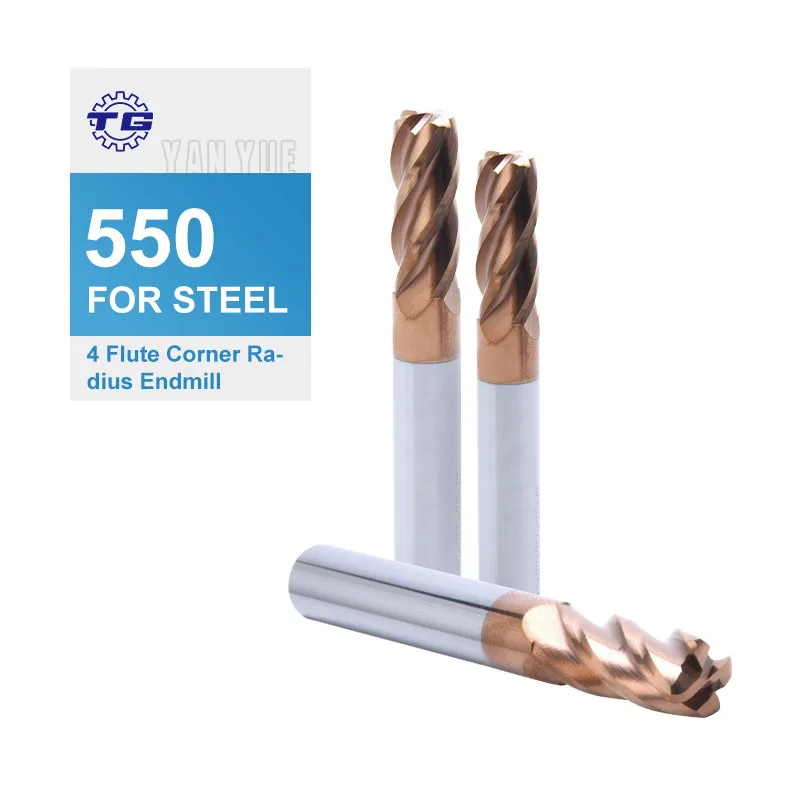
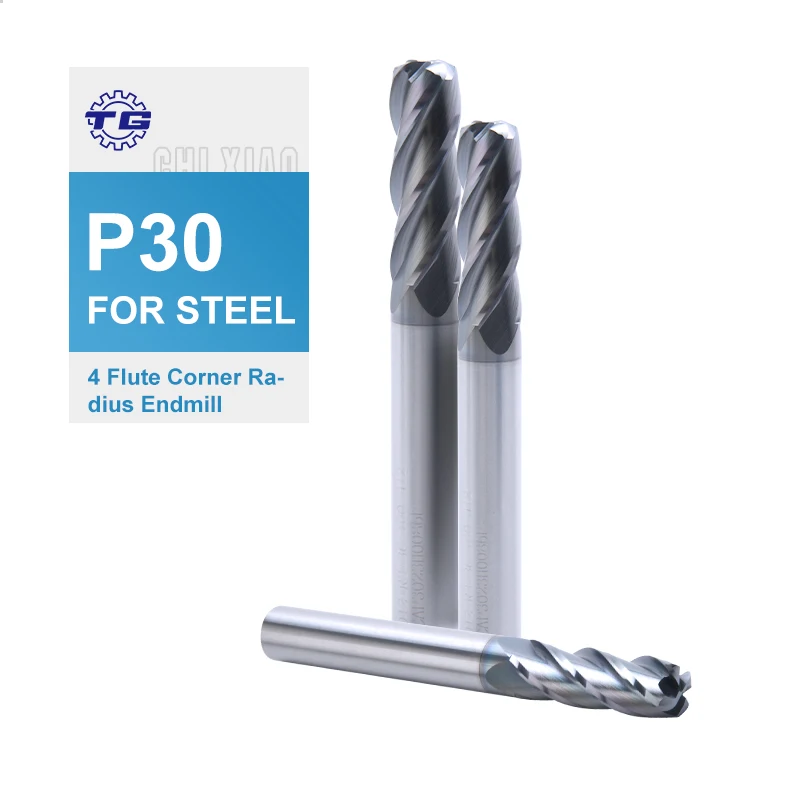
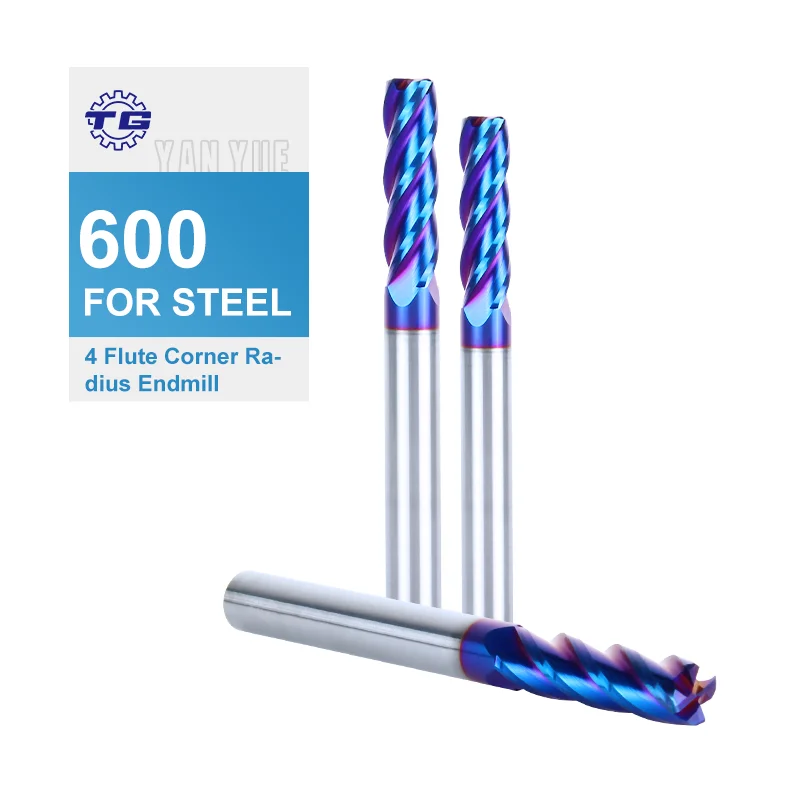
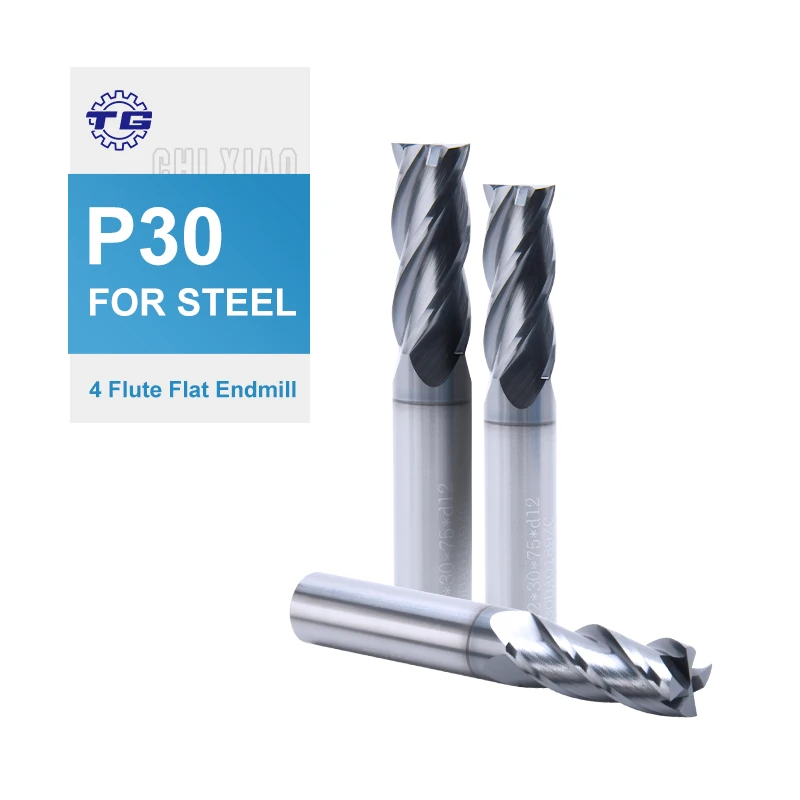
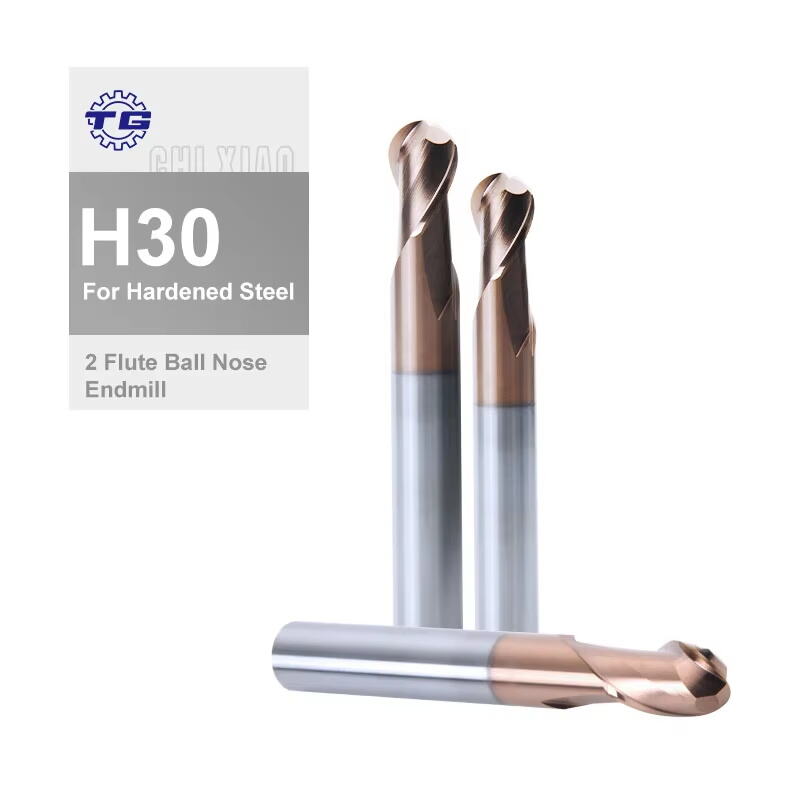
A ball nose endmill represents a specialized cutting tool designed with a hemispherical tip that enables precise machining operations across diverse manufacturing applications. This cylindrical cutting instrument features flutes along its length and a rounded end profile, distinguishing it from flat-end variants. The ball nose endmill serves as an essential component in CNC machining centers, milling machines, and precision manufacturing equipment where three-dimensional contouring and complex surface finishing are required. The tool's distinctive rounded geometry allows manufacturers to create smooth curved surfaces, intricate molds, and detailed sculptured forms that would be impossible with standard square-end cutters. Modern ball nose endmill designs incorporate advanced carbide materials, specialized coatings, and optimized flute geometries to enhance cutting performance and tool longevity. These tools come in various diameters ranging from micro-sized options measuring less than one millimeter to larger industrial variants exceeding several inches. The radius at the tip corresponds to half the tool's diameter, creating the characteristic ball shape that gives this endmill its name. Manufacturing industries rely on ball nose endmill technology for operations including die and mold production, aerospace component fabrication, automotive part manufacturing, medical device creation, and artistic sculptural work. The tool excels at achieving exceptional surface finishes while maintaining dimensional accuracy across challenging geometries. Engineers select ball nose endmill specifications based on material hardness, desired surface quality, cutting depth requirements, and production volume considerations. The versatility of this cutting tool extends to working with materials including aluminum alloys, stainless steel, titanium, plastics, composites, and hardened tool steels. Advanced manufacturing facilities integrate ball nose endmill operations with sophisticated CAM software that generates optimal toolpaths for complex three-dimensional surfaces. The precision achievable with these tools reduces secondary finishing operations, decreases production time, and improves overall manufacturing efficiency across multiple industrial sectors.

 EN
EN