
 EN
EN
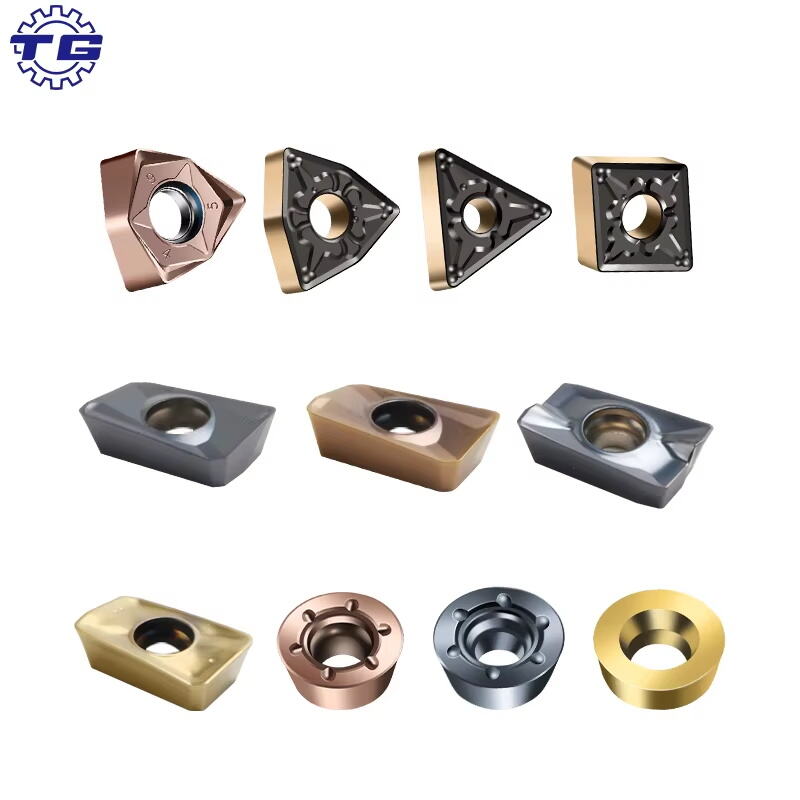
Modern manufacturing relies heavily on precision machining to create complex components across various industries. The selection of appropriate milling cutter tools forms the cornerstone of successful CNC operations, directly impacting surface finish quality, dimensional accuracy, and overall production efficiency. Understanding which cutting tools work best with specific materials enables manufacturers to optimize their machining processes while reducing costs and improving productivity. The relationship between tool geometry, coating technology, and material properties determines the success of any milling operation, making tool selection a critical engineering decision that affects both immediate results and long-term profitability.
Understanding Material Classifications for Milling Operations
Ferrous Materials and Their Machining Characteristics
Ferrous materials, including various steel alloys and cast iron, present unique challenges that require specific milling cutter tools designed to handle their properties effectively. Carbon steels typically exhibit good machinability when using carbide end mills with sharp cutting edges and positive rake angles. The hardness level of the steel directly influences tool selection, with softer grades allowing for more aggressive cutting parameters and harder alloys requiring specialized coatings and geometries. Tool wear mechanisms in ferrous materials primarily involve adhesion, abrasion, and thermal effects, making proper coolant application and cutting speed optimization crucial for extended tool life.
Stainless steel machining demands careful consideration of work hardening tendencies and heat generation during cutting. High-speed steel and carbide milling cutter tools with sharp geometries minimize work hardening by maintaining consistent chip formation. The austenitic grades of stainless steel require continuous cutting to prevent work hardening, while martensitic grades benefit from interrupted cutting cycles that allow heat dissipation. Coating selection becomes particularly important when machining stainless steels, with TiAlN and diamond-like carbon coatings providing excellent performance in these applications.
Non-Ferrous Material Considerations
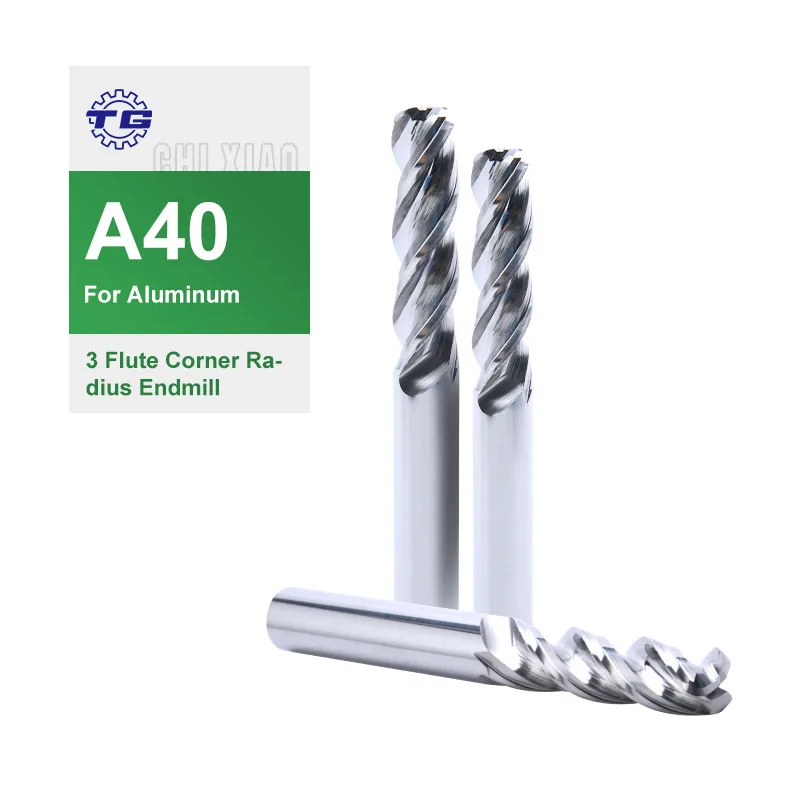
Aluminum alloys represent one of the most commonly machined non-ferrous materials in modern manufacturing, offering excellent machinability when paired with appropriate milling cutter tools. The soft nature of aluminum requires sharp cutting edges with large helix angles to prevent built-up edge formation and ensure smooth chip evacuation. Uncoated carbide tools often perform better than coated alternatives in aluminum applications, as coatings can sometimes promote aluminum adhesion to the cutting edge. Flood coolant or air blast systems help maintain cutting temperatures within acceptable ranges while preventing chip welding.
Copper alloys, including brass and bronze, exhibit varying machinability characteristics depending on their composition and heat treatment condition. Free-machining brass allows for high cutting speeds with standard milling cutter tools, while phosphor bronze and other work-hardening alloys require more conservative parameters and specialized tool geometries. The tendency of copper alloys to produce stringy chips necessitates proper chip breaker design and adequate clearance angles to maintain surface finish quality and prevent tool damage from chip re-cutting.
Carbide End Mill Selection and Optimization
Substrate and Grade Classification
Carbide tool substrates form the foundation of modern milling cutter tools, offering superior hardness and wear resistance compared to high-speed steel alternatives. The grain size of tungsten carbide particles directly affects tool performance, with fine-grain grades providing better edge sharpness and surface finish capabilities, while coarse-grain grades offer improved toughness for interrupted cuts and heavy roughing operations. Cobalt binder content influences the balance between hardness and toughness, with higher cobalt percentages increasing shock resistance at the expense of wear resistance.
Modern carbide grades incorporate various additives and processing techniques to enhance specific performance characteristics. Submicron carbide grades achieve exceptional edge sharpness suitable for finishing operations, while gradient sintering creates tools with hard cutting edges and tough cores. The selection of appropriate carbide grades depends on the specific application requirements, including material being machined, cutting conditions, and required surface finish quality. Understanding these relationships enables engineers to select milling cutter tools that deliver optimal performance for their specific manufacturing needs.
Coating Technologies and Performance Benefits
Physical vapor deposition coatings significantly enhance the performance of milling cutter tools by providing additional hardness, lubricity, and thermal barrier properties. Titanium nitride coatings offer excellent general-purpose performance across various materials, while titanium aluminum nitride coatings excel in high-temperature applications such as steel machining. Diamond-like carbon coatings provide exceptional performance when machining non-ferrous materials, particularly aluminum alloys, by reducing friction and preventing material adhesion to cutting edges.
Advanced multilayer coating systems combine different materials to optimize performance characteristics for specific applications. These sophisticated coatings can include oxidation-resistant outer layers, wear-resistant intermediate layers, and adhesion-promoting base layers that work together to extend tool life and maintain cutting performance. The thickness and structure of these coating systems must be carefully balanced to avoid brittleness while maximizing performance benefits, making coating selection a critical factor in milling cutter tools optimization.
Geometry Optimization for Different Applications
Helix Angle and Chip Evacuation
The helix angle of milling cutter tools significantly influences chip formation, cutting forces, and surface finish quality across different materials and applications. Low helix angles, typically ranging from 10 to 25 degrees, provide maximum rigidity and are ideal for roughing operations in hard materials where tool deflection must be minimized. These geometries generate higher axial forces but produce excellent dimensional accuracy in applications requiring precise depths of cut and minimal tool deflection under heavy loads.
High helix angles, ranging from 35 to 45 degrees, excel in finishing operations and softer material machining by promoting smooth chip flow and reducing cutting forces. The increased helix angle creates a shearing action that produces superior surface finishes while reducing vibration and chatter tendencies. However, the trade-off comes in reduced tool rigidity and increased susceptibility to deflection under heavy cutting loads, making proper parameter selection crucial for optimal performance of these milling cutter tools configurations.
Flute Count and Material Removal Rates
The number of flutes on milling cutter tools directly affects material removal rates, surface finish quality, and chip evacuation efficiency. Two-flute end mills provide maximum chip evacuation space, making them ideal for roughing operations and materials that produce long, stringy chips. The large gullet capacity prevents chip packing while allowing for aggressive feed rates and deep axial cuts, particularly beneficial when machining aluminum alloys and other soft materials that require efficient chip removal.
Four-flute and higher flute count designs excel in finishing operations where surface quality takes priority over material removal rates. The increased number of cutting edges provides better surface finish while distributing cutting forces more evenly around the tool circumference. However, the reduced chip space requires careful parameter optimization to prevent chip packing and recutting, which can lead to poor surface finish and premature tool failure. The selection between different flute counts depends on balancing productivity requirements with quality specifications for each specific application.
Material-Specific Tool Recommendations
Steel Alloy Machining Strategies
Carbon steel machining requires milling cutter tools with robust cutting edges capable of handling the abrasive nature of these materials while maintaining dimensional accuracy. Carbide end mills with TiAlN coatings provide excellent performance in medium to high-carbon steels by offering thermal stability and wear resistance. The cutting parameters must be optimized to balance productivity with tool life, typically involving moderate cutting speeds with aggressive feed rates to maintain efficient chip formation and heat management.
Tool steel machining presents unique challenges due to high hardness levels and abrasive carbide particles within the material structure. Specialized milling cutter tools with rounded cutting edges and wear-resistant coatings extend tool life while maintaining surface finish quality. The interrupted nature of many tool steel components requires end mills with enhanced toughness characteristics, often achieved through gradient sintering or toughened substrate grades that resist chipping and fracture under varying cutting loads.
Exotic Alloy Processing Requirements
Titanium alloys demand specialized milling cutter tools designed to handle the unique combination of high strength, low thermal conductivity, and chemical reactivity that characterizes these materials. Sharp cutting geometries with positive rake angles minimize work hardening while maintaining continuous chip formation essential for preventing built-up edge formation. Flood coolant systems become critical in titanium machining to manage heat generation and prevent chemical reactions between the cutting tool and workpiece material.
Inconel and other nickel-based superalloys require the most advanced milling cutter tools available, incorporating specialized substrates and coating systems designed for extreme temperature stability. The work hardening characteristics of these materials necessitate constant engagement cutting strategies with carefully controlled parameters to prevent surface degradation. Ceramic and cermet cutting tools sometimes provide superior performance compared to carbide alternatives in these demanding applications, offering the thermal stability required for consistent performance in high-temperature machining environments.
Tool Life Optimization and Performance Monitoring
Wear Pattern Analysis and Prevention
Understanding wear patterns in milling cutter tools enables proactive maintenance strategies that maximize productivity while minimizing unexpected failures. Flank wear typically develops gradually and can be monitored through dimensional measurements and surface finish quality changes. This predictable wear mode allows for planned tool changes that maintain quality standards while maximizing tool utilization. The wear rate depends heavily on cutting parameters, workpiece material, and tool coating characteristics, making parameter optimization crucial for extending tool life.
Crater wear and chipping represent more severe failure modes that can lead to catastrophic tool failure if not addressed promptly. These wear mechanisms often result from excessive cutting temperatures, improper tool selection, or inadequate cutting parameters for the specific application. Regular inspection of milling cutter tools during production runs helps identify early warning signs of accelerated wear, allowing for parameter adjustments or tool changes before quality issues develop or expensive tool failures occur.
Cutting Parameter Optimization
Surface speed optimization forms the foundation of successful milling operations, requiring careful balance between productivity and tool life across different materials. Higher surface speeds generally improve surface finish quality but increase tool wear rates, particularly in harder materials where thermal effects become significant. The optimal cutting speed depends on material properties, tool characteristics, and quality requirements, making empirical testing often necessary to establish ideal parameters for specific milling cutter tools and applications.
Feed rate optimization directly impacts chip formation, surface finish, and tool loading characteristics in milling operations. Insufficient feed rates can cause rubbing and work hardening, particularly problematic in stainless steels and other work-hardening alloys. Excessive feed rates may overload the cutting edge and cause chipping or premature failure. The relationship between feed per tooth and chip thickness must be carefully controlled to ensure proper chip formation while maintaining acceptable cutting forces for the specific milling cutter tools being used.
Advanced Tooling Technologies and Future Trends
Smart Tool Integration and Monitoring
Modern manufacturing facilities increasingly incorporate smart tooling technologies that provide real-time feedback on milling cutter tools performance and condition. Embedded sensors can monitor vibration, temperature, and cutting forces during machining operations, providing data that enables predictive maintenance strategies and parameter optimization. These systems help identify optimal cutting conditions while preventing catastrophic tool failures that can damage both workpieces and machine tools.
Artificial intelligence integration with tool monitoring systems represents the next evolution in milling optimization, using machine learning algorithms to predict optimal parameters and tool life based on historical performance data. These systems can automatically adjust cutting parameters in response to changing conditions while maintaining quality standards and maximizing productivity. The integration of smart technologies with traditional milling cutter tools creates opportunities for unprecedented levels of process control and optimization in modern manufacturing environments.
Sustainable Manufacturing Considerations
Environmental considerations increasingly influence milling cutter tools selection and application strategies as manufacturers seek to reduce their environmental footprint while maintaining competitiveness. Dry machining capabilities eliminate coolant usage and associated disposal costs while simplifying chip handling and reducing energy consumption. Advanced coatings and substrate materials enable dry cutting in applications previously requiring flood coolant, supporting sustainability goals while potentially improving productivity through reduced setup and cleanup times.
Tool reconditioning and recycling programs help maximize the value of milling cutter tools while reducing waste and material consumption. Many carbide end mills can be reground multiple times when proper procedures are followed, extending tool life and reducing per-part tooling costs. Carbide recycling programs recover valuable tungsten and cobalt from worn tools, supporting circular economy principles while reducing dependence on virgin raw materials. These sustainable practices become increasingly important as manufacturers balance economic and environmental considerations in their operations.
FAQ
What factors determine the best milling cutter tool for a specific material?
The selection of optimal milling cutter tools depends on several key factors including material hardness, thermal conductivity, chemical reactivity, and chip formation characteristics. Tool substrate selection should match the application requirements, with carbide grades offering the best balance of hardness and toughness for most applications. Coating selection becomes critical for materials that generate high cutting temperatures or exhibit adhesive tendencies. Additionally, tool geometry including helix angle, rake angle, and flute count must be optimized for the specific material being machined to achieve the desired balance between productivity, surface finish, and tool life.
How do cutting parameters affect tool life in different materials?
Cutting parameters significantly influence tool wear rates and failure modes across different materials, with optimal settings varying based on material properties and machining objectives. Surface speed affects thermal conditions at the cutting edge, with higher speeds generally improving surface finish but potentially accelerating wear in heat-sensitive applications. Feed rates must be balanced to ensure proper chip formation without overloading the cutting edge, particularly important in work-hardening materials that require consistent engagement. The interaction between speed, feed, and depth of cut creates complex relationships that require careful optimization for each material and milling cutter tool combination to maximize performance and tool life.
What are the advantages of coated versus uncoated milling tools?
Coated milling cutter tools offer significant advantages in most applications through enhanced wear resistance, thermal stability, and reduced friction characteristics compared to uncoated alternatives. TiAlN and other advanced coatings provide thermal barriers that enable higher cutting speeds while maintaining tool life, particularly beneficial in steel and cast iron machining. However, uncoated tools sometimes perform better in specific applications such as aluminum machining where coating adhesion can promote built-up edge formation. The decision between coated and uncoated tools should consider the specific material being machined, cutting conditions, and performance requirements to optimize results.
How does tool geometry affect surface finish quality?
Tool geometry significantly impacts surface finish quality through its influence on chip formation, cutting forces, and vibration characteristics during milling operations. Sharp cutting edges with positive rake angles generally produce better surface finishes by reducing cutting forces and promoting clean chip separation. Helix angle affects the cutting action smoothness, with higher helix angles typically providing better surface quality through reduced vibration and more gradual engagement. The number of flutes on milling cutter tools also influences surface finish, with higher flute counts generally producing smoother surfaces due to reduced feed marks and more frequent cutting edge engagement with the workpiece surface.