
 EN
EN
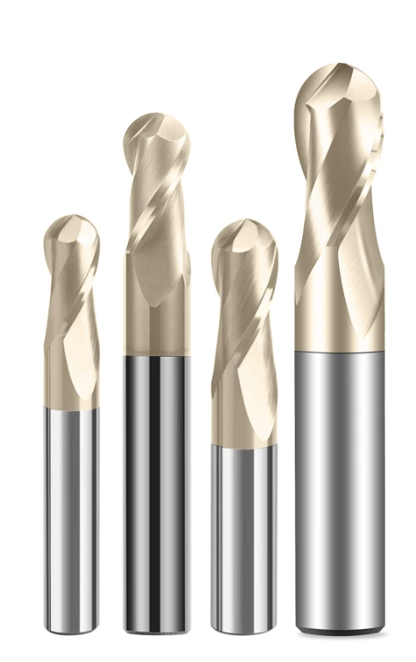
Selecting the correct cnc end mill remains one of the most critical decisions in modern machining operations. The flute count directly influences cutting performance, surface finish, tool life, and production efficiency. Many manufacturers struggle to determine whether a 2-flute, 3-flute, or 4-flute cnc end mill best suits their specific application, leading to suboptimal tool selection, increased costs, and compromised part quality. Understanding how flute geometry affects your machining process is essential for optimizing throughput and achieving consistent results across diverse materials and cutting conditions.
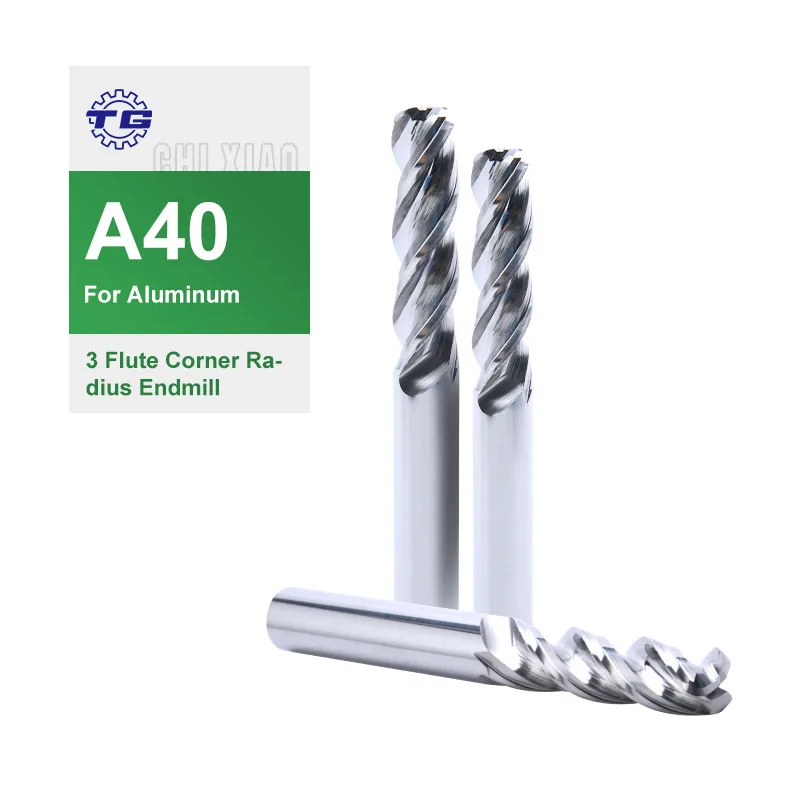
The relationship between flute count and machining performance extends far beyond theoretical specification sheets. Every cnc end mill design represents a balance between chip evacuation speed, cutting force distribution, tool deflection, and material removal rates. Industrial operations require a systematic approach to flute selection based on material properties, spindle speed capabilities, feed rates, and surface finish requirements. This guide examines the critical factors that drive cnc end mill flute selection and provides practical decision-making frameworks for manufacturers operating across different industries and production scenarios.
Understanding Flute Count Performance Characteristics
How Flute Geometry Influences Cutting Action
Flute count fundamentally shapes how a cnc end mill interacts with workpiece material. A 2-flute cnc end mill features larger flute spaces, allowing aggressive chip evacuation and faster feed rates in softer materials like aluminum and plastics. The fewer cutting edges mean each flute experiences lower cutting force per tooth, reducing tool deflection and vibration in interrupted cuts. Conversely, a 4-flute cnc end mill distributes cutting loads across more edges, enabling higher spindle speeds and finer surface finishes in hardened steels and cast iron. The cnc end mill with intermediate flute counts occupies the practical middle ground, offering balanced performance across material categories and spindle speed ranges available on standard machine tools.
Material Removal Rate and Chip Load Optimization
Every cnc end mill operates under chip load constraints determined by flute quantity and material composition. A 3-flute cnc end mill represents the most versatile configuration for general-purpose manufacturing environments because it accommodates moderate to high feed rates while maintaining acceptable surface finishes. The chip load per tooth directly affects tool life and dimensional accuracy; overloading a cnc end mill accelerates flank wear and thermal degradation, while underutilization reduces productivity without extending tool longevity proportionally. Manufacturers selecting a cnc end mill must calculate optimal chip loads based on material hardness, tool coating, cutting speed, and machine rigidity. This calculation ensures the cnc end mill operates in its optimal performance envelope rather than being forced into suboptimal cutting conditions.
Application-Driven Selection Framework
Aluminum and Soft Material Applications
Machining aluminum and similar soft materials typically favors 2-flute or 3-flute cnc end mill configurations. The lower flute count allows chips to evacuate more rapidly, preventing the material buildup that causes tool dulling and surface defects in non-ferrous metals. A 2-flute cnc end mill excels in high-speed aluminum finishing operations, producing clean edges and minimal thermal stress. When production demands higher volume throughput with moderate surface finish requirements, a 3-flute cnc end mill provides superior balance because it accommodates faster spindle speeds typical of modern CNC machines while maintaining reasonable tool intervals. The selection between 2-flute and 3-flute cnc end mill designs ultimately depends on your machine's spindle speed range and whether surface finish or rapid material removal takes priority in your operation.
Steel and Hardened Material Applications
Machining stainless steel, carbon steel, and cast iron typically requires higher flute counts because these materials generate greater cutting forces and heat. A 3-flute or 4-flute cnc end mill distributes mechanical stress more evenly across cutting edges, extending tool life and improving surface finish quality. The 4-flute cnc end mill design particularly excels in finishing operations where dimensional accuracy and surface topology matter most, as the additional flutes support rigidity and reduce chatter vibration. When production speeds demand faster feed rates in steel materials, a robust 3-flute cnc end mill often represents the practical optimum, balancing production volume with manageable cutting forces on mid-range CNC equipment. Hard materials and interrupted cutting patterns similarly favor higher flute counts because the shared load distribution absorbs sudden force spikes without catastrophic tool failure.
Practical Selection Criteria and Performance Optimization
Machine Rigidity and Spindle Speed Capabilities
Your CNC machine's specifications directly determine which cnc end mill flute count performs optimally in your environment. Older or less rigid machines typically demand lower flute counts because a 2-flute cnc end mill generates less radial cutting force, reducing vibration and runout sensitivity. Conversely, modern rigid mill equipment with precision spindle bearings allows full advantage of higher flute cnc end mill designs that maximize productivity and surface finish. The spindle speed range also influences selection; high-speed spindles (10,000+ RPM) favor 4-flute or 5-flute cnc end mill configurations, while conventional spindles (3,000-6,000 RPM) typically perform better with 2-flute or 3-flute cnc end mill tools. Mismatching spindle capability to flute count creates inefficiency; a 4-flute cnc end mill at insufficient RPM becomes underutilized, while a 2-flute tool spinning at maximum speed may waste machine potential.
Surface Finish and Tool Deflection Considerations
Surface finish requirements represent another critical decision driver when selecting your cnc end mill configuration. A cnc end mill with more flutes produces finer surface topology because each flute removes smaller amounts of material per revolution, creating smoother feeds and shallower tool marks. The 4-flute cnc end mill excels in precision finishing where Ra values below 0.8 microinches matter for subsequent assembly or aesthetic appearance. Conversely, roughing operations tolerate the 2-flute cnc end mill approach because rapid material removal justifies accepting coarser surface texture. Tool deflection increases with longer overhang distances and lower flute counts; a 3-flute cnc end mill offers reasonable deflection control for general work, while critical tolerance applications requiring tight positioning may demand the stiffer 4-flute design. Material thickness, cutting depth, and engagement width all factor into this deflection calculus when finalizing your cnc end mill specification.
FAQ
What flute count should I use for general-purpose machining?
A 3-flute cnc end mill represents the most versatile choice for general-purpose manufacturing because it accommodates a broad range of materials, spindle speeds, and cutting conditions. This flute count balances material removal efficiency with surface finish quality while remaining forgiving to setup variables and machine limitations common in multi-purpose shops.
How does spindle speed affect my cnc end mill flute selection?
Spindle speed inversely influences optimal flute count; higher spindle speeds (above 8,000 RPM) favor 4-flute cnc end mill designs that capitalize on rapid tool rotation, while lower speeds (below 4,000 RPM) perform better with 2-flute configurations that generate lower cutting forces per tooth. Matching your machine's spindle capability to appropriate cnc end mill flute geometry ensures efficient tool utilization and consistent productivity.
Can I use the same cnc end mill flute count for all materials?
Different materials require different cnc end mill flute counts for optimal performance; soft materials like aluminum benefit from 2-flute designs with rapid chip evacuation, while harder materials like steel demand 3-flute or 4-flute cnc end mill configurations that distribute cutting forces more evenly and improve tool life across diverse material properties.