 EN
EN
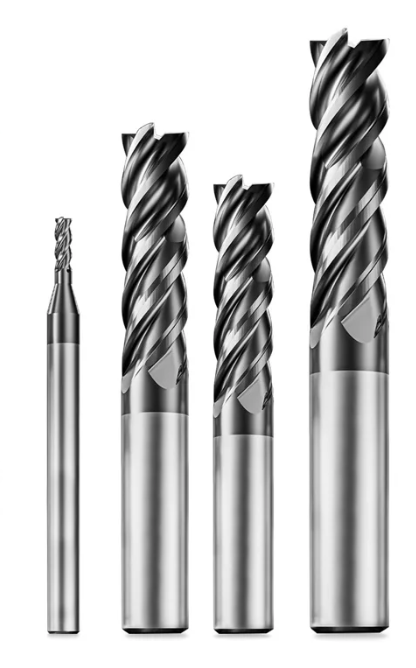
The geometry of a multi-axis CNC end mill represents one of the most critical design factors in modern precision machining. A well-engineered multi-axis CNC end mill delivers superior stability by optimizing flute angles, edge geometry, and load distribution across the cutting surface. When a multi-axis CNC end mill incorporates advanced geometric principles, it directly reduces vibration, minimizes deflection, and extends tool life while maintaining exceptional surface finishes on complex workpieces.
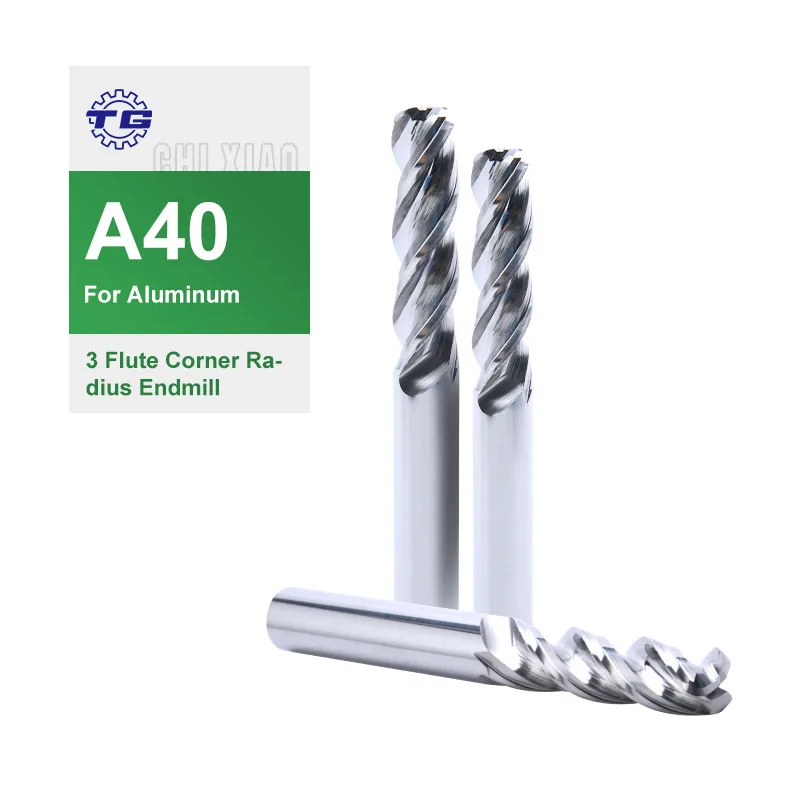
Understanding the geometric advantages of a multi-axis CNC end mill is essential for engineers and machinists who demand precision, durability, and efficiency. The unique design features of a multi-axis CNC end mill enable it to handle multi-directional cutting forces that emerge during simultaneous five-axis operations, adaptive finishing, and high-speed roughing. This article explores the specific geometric characteristics that make a multi-axis CNC end mill exceptionally stable under demanding industrial conditions.
Flute Geometry and Cutting Edge Architecture
Advanced Flute Angle Optimization
The flute geometry of a multi-axis CNC end mill directly influences chip evacuation, heat distribution, and cutting force balance. A multi-axis CNC end mill typically features optimized helix angles ranging from 25 to 45 degrees, depending on the application material and feed rate. These calculated angles ensure that a multi-axis CNC end mill maintains consistent cutting pressure across multiple axes of movement, preventing sudden load spikes that cause chatter and surface defects.
Each flute on a multi-axis CNC end mill experiences varying engagement angles as the tool moves through five-axis paths. The geometric design compensates for this dynamic loading by distributing cutting forces more evenly across all flutes. When a multi-axis CNC end mill is properly designed, the rake angle, clearance angle, and flute relief all work together to stabilize the cutting process and reduce deflection at the tool tip.
Edge Preparation and Corner Radius Benefits
A multi-axis CNC end mill with a carefully prepared cutting edge exhibits dramatically improved stability compared to sharp, traditional geometries. The corner radius of a multi-axis CNC end mill strengthens the cutting edge by distributing impact forces over a larger contact area, preventing premature chipping and fracture. This feature is especially valuable when a multi-axis CNC end mill must cut interrupted surfaces or contoured geometries where engagement changes rapidly.
The solid nose construction found in advanced multi-axis CNC end mill designs provides an additional stability advantage. When a multi-axis CNC end mill includes a reinforced nose section, it can withstand higher radial loads during simultaneous multi-axis movements without deflecting. This geometric reinforcement ensures that a multi-axis CNC end mill maintains positional accuracy throughout the cutting cycle, producing consistent dimensional tolerances on precision components.
Load Distribution and Deflection Resistance
Multi-Directional Force Balancing
The fundamental advantage of a multi-axis CNC end mill lies in its ability to balance cutting forces across multiple axes simultaneously. Traditional single-axis end mills concentrate forces in one direction, creating imbalance and vibration. A multi-axis CNC end mill, by contrast, distributes load through its geometric design so that cutting forces from different directions cancel each other out or blend harmoniously. This load balancing is achieved through precise flute spacing, symmetrical body design, and optimized geometric relationships between the tool shank and cutting head.
When operators use a multi-axis CNC end mill on five-axis machines, the tool geometry must account for spindle rotation, linear movements, and rotary head motions all occurring simultaneously. A well-designed multi-axis CNC end mill absorbs these complex forces through its reinforced core structure, strategic material composition (typically solid carbide), and geometric stiffness. The result is that a multi-axis CNC end mill experiences minimal runout and maintains precise positioning even at rapid feed rates and high spindle speeds.
Shank-to-Head Transition Design
A critical geometric feature of a multi-axis CNC end mill is the transition zone where the shank connects to the cutting head. This section must be rigid enough to transfer cutting forces without bending, yet designed to absorb vibration rather than amplify it. A multi-axis CNC end mill achieves this balance through tapered transitions, optimized diameter ratios, and material thickness calculations specific to multi-axis duty cycles.
The geometric profile of the shank directly affects how a multi-axis CNC end mill responds to chatter frequencies. When a multi-axis CNC end mill is engineered with a reinforced shank geometry, it naturally dampens vibrations that would otherwise propagate from the cutting zone into the spindle. This passive vibration control means that a multi-axis CNC end mill maintains surface finish quality and dimensional accuracy even in machines with less-than-perfect spindle bearings or in applications involving flexible workpiece clamping.
Carbide Composition and Geometric Precision
Solid Carbide Construction Benefits
Solid carbide is the preferred material for a multi-axis CNC end mill because its geometric precision and rigidity enable superior stability compared to coated steel or inserted tools. When a multi-axis CNC end mill is manufactured from premium carbide grades, the tool can maintain micro-geometric tolerances that micro-level variations in cutting geometry. This consistency means that every flute on a multi-axis CNC end mill performs identically, preventing the uneven cutting that causes vibration and chatter.
The density and hardness of carbide used in a multi-axis CNC end mill allows geometric details like corner radii and flute transitions to be produced with exceptional precision. Unlike coating-based tools where geometric variations can hide under inconsistent coating thickness, a multi-axis CNC end mill's solid geometry is fully uniform and predictable. This geometric reliability is essential for five-axis applications where tool positioning errors accumulate across multiple simultaneous movements.
Coating and Surface Geometry Optimization
Advanced coatings applied to a multi-axis CNC end mill enhance stability by reducing friction at the cutting interface. When a multi-axis CNC end mill features a TiAlN or aluminum oxide coating, the lower friction means less heat generation and more consistent cutting temperatures across the tool geometry. Coatings also protect the geometric edges of a multi-axis CNC end mill from wear, maintaining tool geometry throughout the tool life and ensuring stable performance across extended cutting cycles.
The thickness and uniformity of coatings on a multi-axis CNC end mill must be carefully controlled because excessive coating can obscure the intended geometric design. Precision coating processes ensure that a multi-axis CNC end mill retains the exact flute angles, corner radii, and edge geometry specified in the design. This geometric consistency enables a multi-axis CNC end mill to deliver stable, predictable cutting action that operators can rely on for high-precision applications requiring tight tolerances and superior surface finishes.
FAQ
Why does a multi-axis CNC end mill need different geometry than a standard end mill?
A multi-axis CNC end mill operates under simultaneous movements across multiple axes, creating complex, constantly changing cutting forces. Standard end mills are designed for primarily unidirectional cutting, so their geometry cannot adequately balance the multi-directional loads that a multi-axis CNC end mill must handle. The unique geometry of a multi-axis CNC end mill includes reinforced construction, optimized flute angles, and strategic load distribution features that keep the tool stable when the spindle, cutting head, and linear axes all move at once.
How does a multi-axis CNC end mill reduce vibration and chatter?
A multi-axis CNC end mill reduces vibration through multiple geometric mechanisms: balanced flute spacing distributes cutting forces evenly, corner radii strengthen edges against impact, and reinforced shank transitions absorb vibration rather than transmit it. The solid carbide construction of a multi-axis CNC end mill provides inherent rigidity, while optimized helix angles ensure consistent chip evacuation. Together, these geometric features minimize the unbalanced forces that cause chatter, resulting in smoother cuts and more stable tool performance across complex tool paths.
What geometric features should I look for when selecting a multi-axis CNC end mill?
When selecting a multi-axis CNC end mill, prioritize solid carbide construction, reinforced corner geometry, precise shank design, and uniform edge preparation. Look for a multi-axis CNC end mill with a corner radius appropriate to your material and application, as this feature significantly improves edge strength and stability. Verify that the multi-axis CNC end mill has consistent flute spacing, optimized helix angles for your speed range, and a smooth shank-to-head transition. Coatings should be uniformly applied to a multi-axis CNC end mill without obscuring the underlying geometric design. These geometric attributes ensure your multi-axis CNC end mill delivers the stability and precision required for complex five-axis machining operations.