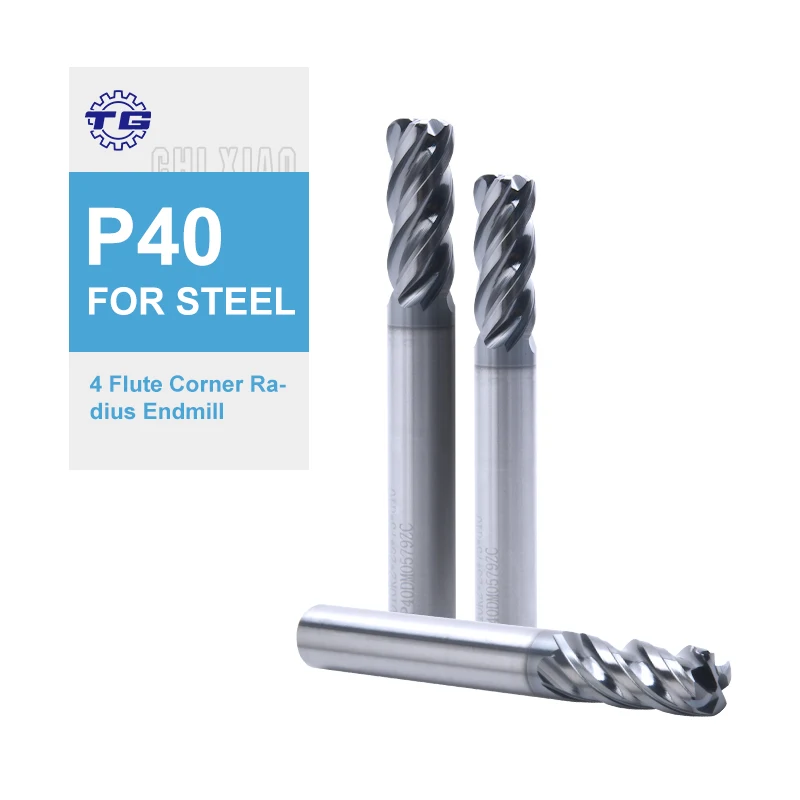
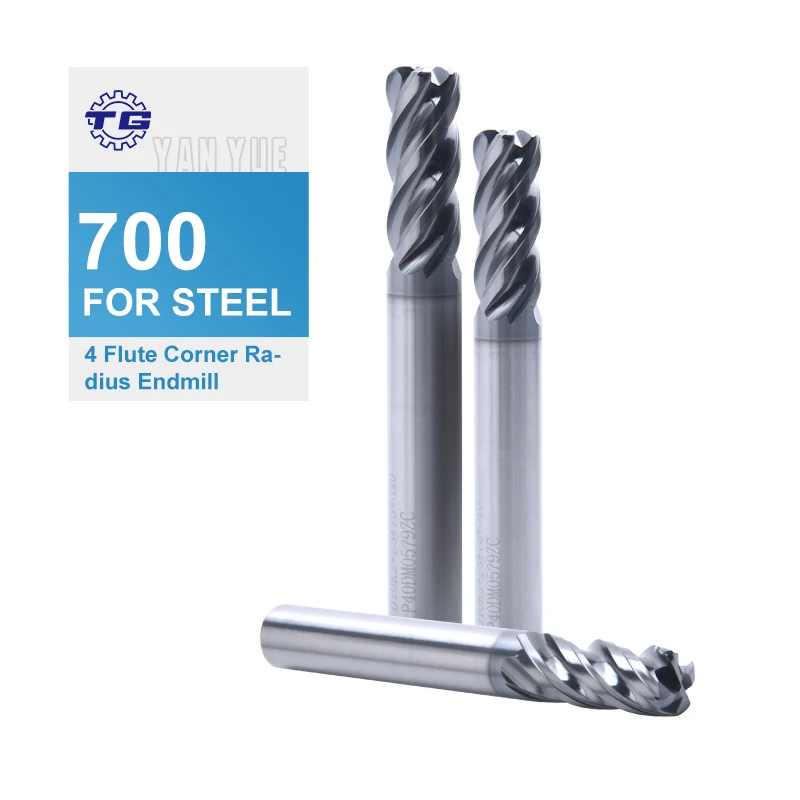
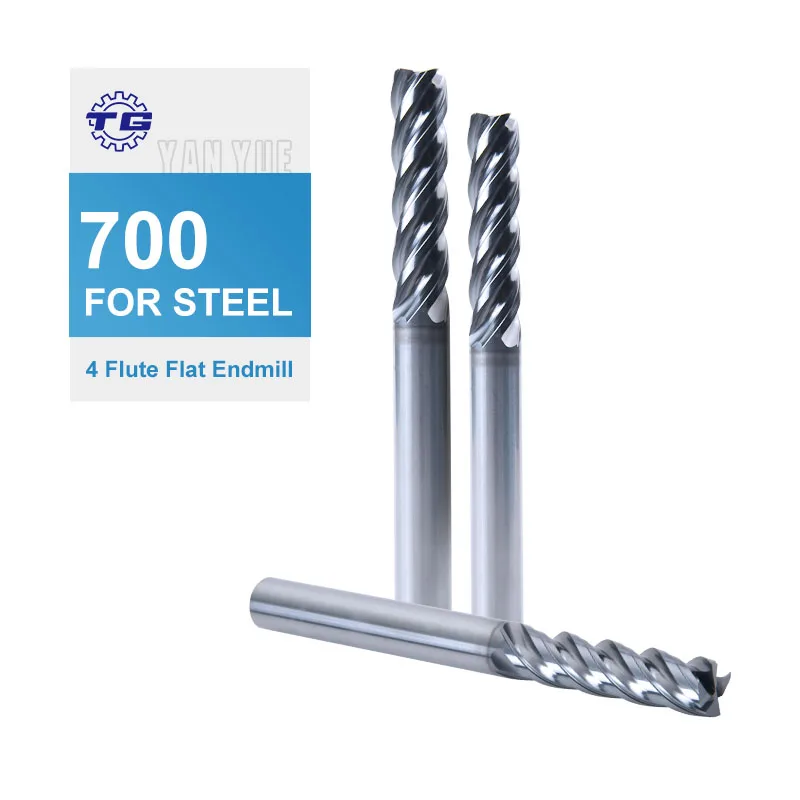
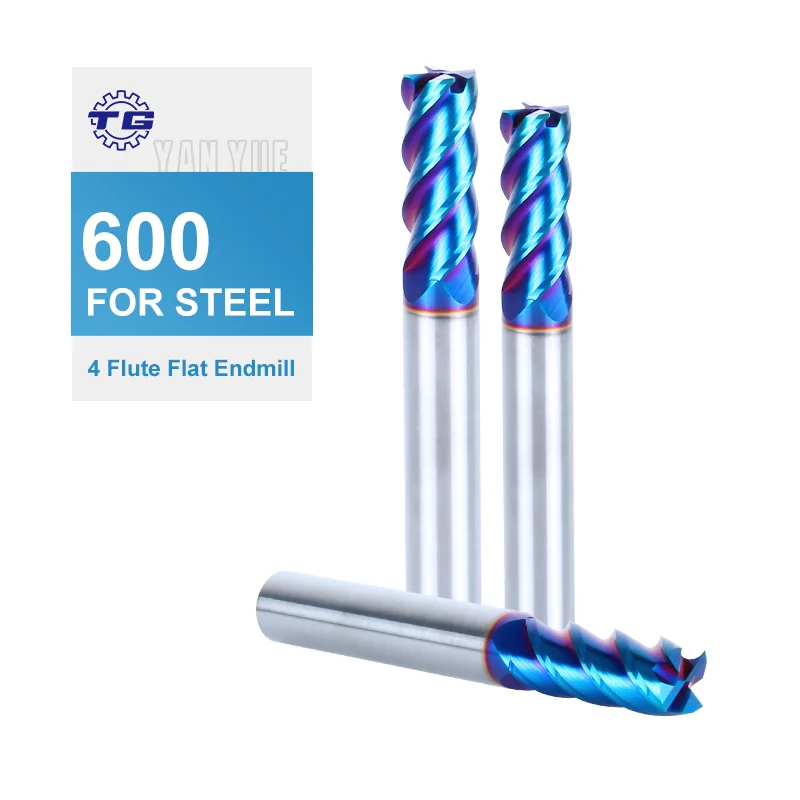
round milling inserts
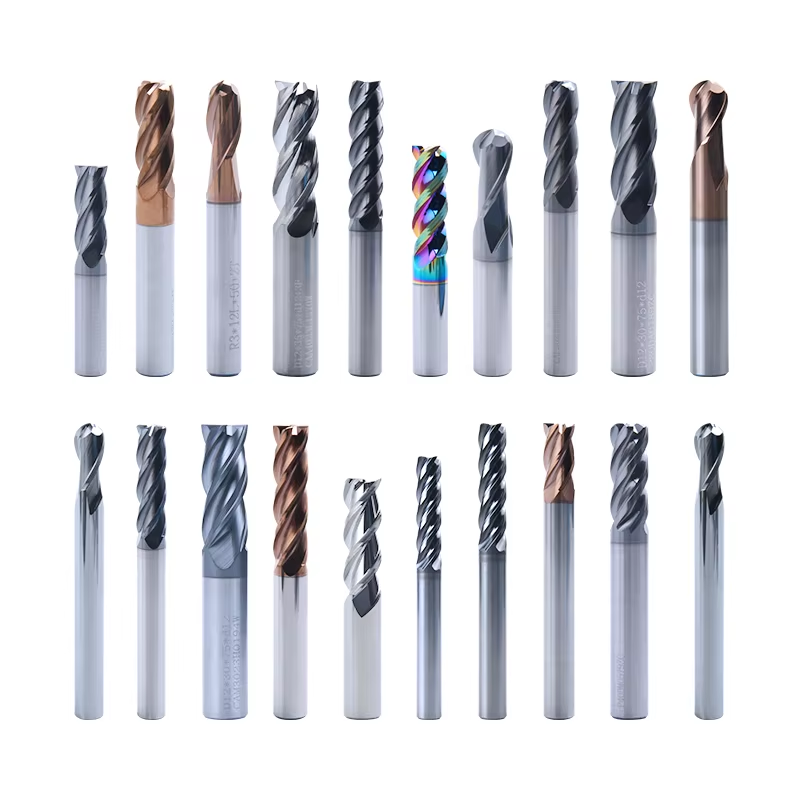
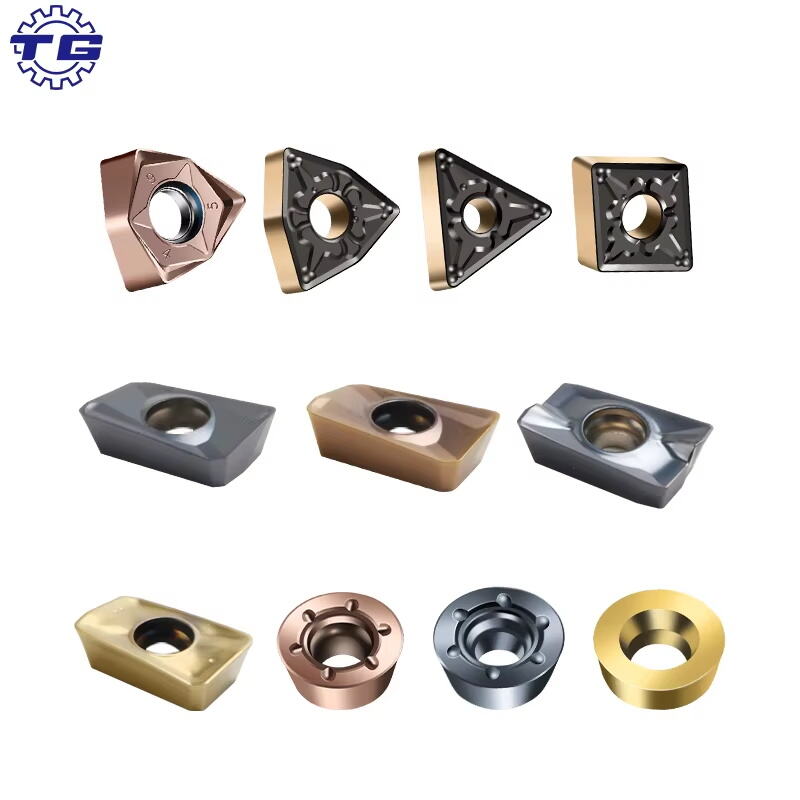
Round milling inserts represent a specialized category of cutting tools designed for machining operations that require versatility and precision. These circular-shaped inserts feature a continuous cutting edge without corners, making them ideal for complex milling tasks across various industries. The fundamental design of round milling inserts allows for multiple cutting positions, extending tool life and reducing operational costs. Manufacturers produce these inserts from high-grade carbide materials, ceramic compounds, or cermet compositions, each offering distinct performance characteristics suited to different workpiece materials and cutting conditions. The primary function of round milling inserts involves removing material from workpieces through rotary cutting motions, creating smooth surface finishes and accurate dimensional specifications. Their circular geometry enables operators to perform both roughing and finishing operations with the same tool, eliminating the need for frequent tool changes. The technological features incorporated into modern round milling inserts include advanced coating systems such as titanium aluminum nitride, aluminum oxide, and diamond-like carbon, which enhance wear resistance and thermal stability during high-speed machining. These inserts accommodate various chip breaker geometries that control chip formation and evacuation, preventing chip accumulation that could damage the workpiece or compromise surface quality. Applications for round milling inserts span numerous manufacturing sectors, including aerospace component production, automotive part fabrication, medical device manufacturing, and general engineering workshops. They excel in milling operations involving curved surfaces, contour machining, ramping movements, and plunge milling applications. The versatility of round milling inserts makes them particularly valuable for shops handling diverse workpiece geometries and materials, from soft aluminum alloys to hardened steels and exotic superalloys. Their ability to maintain consistent performance across different cutting parameters ensures reliable production outcomes and predictable tool life, contributing to improved manufacturing efficiency and cost-effectiveness in modern machining environments.

 EN
EN