
 EN
EN
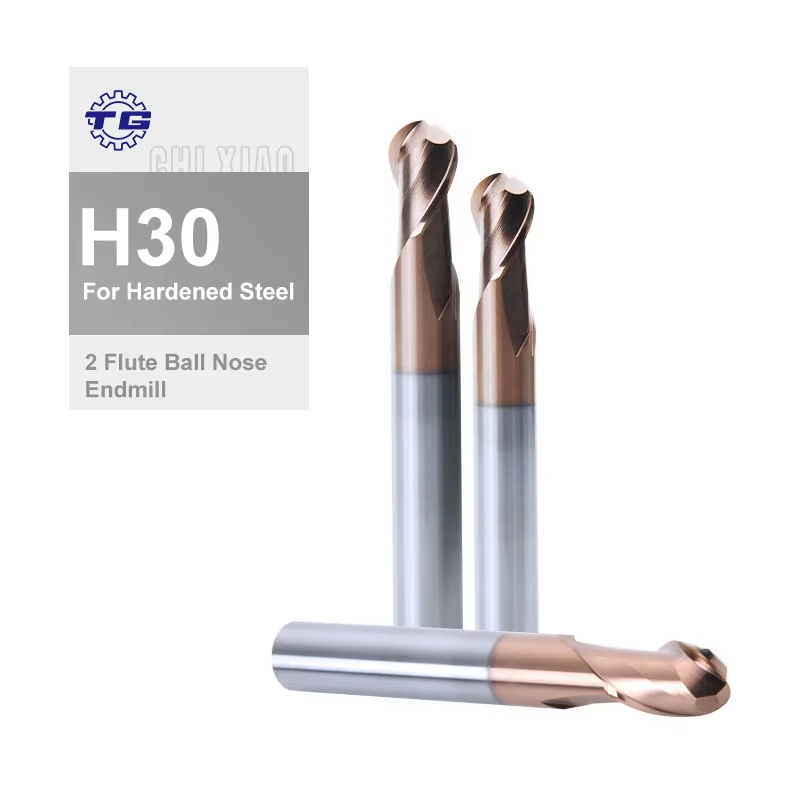
Manufacturing precision directly correlates with product quality, and nowhere is this relationship more evident than in holemaking operations. Advanced holemaking methods represent a significant evolution from traditional drilling techniques, offering manufacturers unprecedented control over dimensional accuracy, surface finish, and operational efficiency. These sophisticated approaches address the growing demands of modern manufacturing where tolerances continue to tighten and material challenges become increasingly complex.
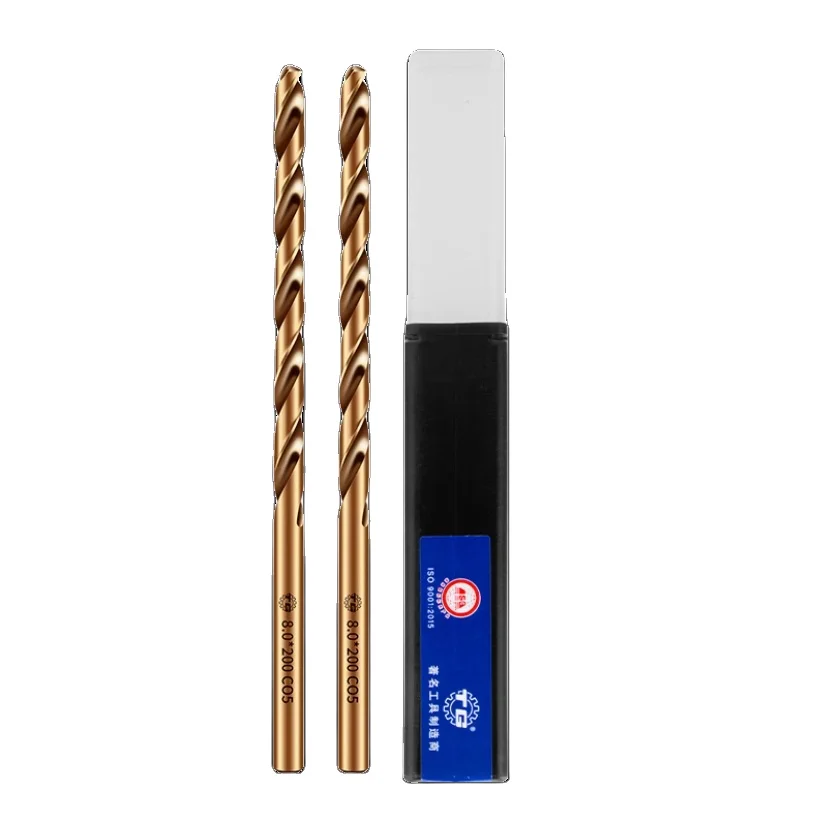
The integration of advanced holemaking methods into manufacturing processes fundamentally transforms how companies approach quality control and production efficiency. By understanding the specific mechanisms through which these methods enhance product quality, manufacturers can make informed decisions about tooling investments and process optimization strategies that directly impact their competitive positioning in demanding markets.
Enhanced Precision and Dimensional Control
Geometric Accuracy Improvements
Advanced holemaking methods deliver superior geometric accuracy through precise tool guidance systems and optimized cutting geometries. These techniques minimize radial forces that typically cause hole wandering in conventional drilling operations, resulting in holes that maintain their intended centerline position throughout the depth of cut. The improved straightness directly translates to better assembly fits and reduced rejection rates in quality control inspections.
Modern holemaking approaches incorporate specialized drill point designs and flute geometries that distribute cutting forces more evenly around the tool periphery. This balanced force distribution prevents the elastic deformation of workpieces that commonly occurs with standard drilling methods, particularly in thin-walled components where structural integrity depends on precise hole placement and roundness.
The repeatability achieved through advanced holemaking methods enables manufacturers to maintain consistent quality across large production runs, reducing variability that often necessitates secondary operations or component rejection. This consistency becomes particularly critical in automated assembly processes where dimensional variations can cascade into significant quality issues downstream.
Surface Finish Optimization
Surface finish quality represents a crucial factor in hole functionality, affecting everything from bearing performance to sealing effectiveness. Advanced holemaking methods incorporate cutting parameters and tool designs specifically optimized for surface quality, utilizing controlled feed rates and spindle speeds that minimize chatter marks and tool wear patterns that degrade surface integrity.
The improved chip evacuation characteristics of advanced holemaking methods prevent the buildup of cutting debris that can scratch or gouge hole surfaces during the drilling process. Enhanced coolant delivery systems ensure consistent lubrication throughout the cutting zone, reducing friction-induced surface defects while maintaining thermal stability that preserves material properties in the heat-affected zone.
These surface quality improvements eliminate the need for secondary finishing operations in many applications, reducing manufacturing cycle times while ensuring that holes meet functional requirements for wear resistance, corrosion protection, and assembly tolerance maintenance over the product lifecycle.
Material-Specific Process Optimization
Difficult Material Processing Capabilities
Advanced holemaking methods excel in processing challenging materials that pose significant difficulties for conventional drilling approaches. High-strength alloys, work-hardening stainless steels, and composite materials require specialized cutting strategies that account for their unique metallurgical and mechanical properties. These methods incorporate variable helix angles, modified rake geometries, and specialized coatings that address the specific challenges presented by each material class.
The thermal management capabilities inherent in advanced holemaking methods become particularly important when processing materials sensitive to heat generation during cutting. Controlled cutting parameters prevent the formation of white layers, thermal cracks, and other heat-related defects that compromise component integrity and service life performance.
Advanced holemaking methods adapt cutting forces and chip formation patterns to prevent work hardening in materials prone to this phenomenon, maintaining consistent cutting conditions throughout the drilling operation and ensuring predictable tool life and hole quality across production runs.
Multi-Material Component Processing
Modern manufacturing frequently involves components that combine multiple materials with different machining characteristics, creating challenges for conventional holemaking approaches. Advanced holemaking methods address these challenges through adaptive cutting strategies that adjust parameters as the tool transitions between material layers, maintaining optimal cutting conditions for each material while preventing delamination or interface damage.
The versatility of advanced holemaking methods enables single-operation processing of complex material combinations, eliminating the need for multiple tooling setups and reducing the potential for positional errors that can occur when repositioning components between operations. This capability proves particularly valuable in aerospace and automotive applications where weight reduction drives the use of hybrid material structures.
These processing capabilities extend to coated materials and pre-treated surfaces where conventional drilling might damage protective layers or compromise surface treatments. Advanced holemaking methods preserve coating integrity while achieving required dimensional accuracy, maintaining both functional performance and corrosion resistance characteristics.
Operational Efficiency and Cost Benefits
Reduced Secondary Operations
The precision achieved through advanced holemaking methods frequently eliminates the need for secondary operations such as reaming, countersinking, or deburring that add cost and complexity to manufacturing processes. By achieving final dimensions and surface finish requirements in a single operation, these methods reduce handling time, fixture requirements, and the potential for dimensional errors introduced during part transfers between operations.
Advanced holemaking methods produce holes with controlled edge conditions that minimize burr formation, reducing or eliminating deburring requirements that consume significant labor time in high-volume production environments. This improvement in edge quality also prevents assembly issues caused by burr interference and reduces the risk of cutting injuries during handling operations.
The elimination of secondary operations through advanced holemaking methods reduces work-in-process inventory and manufacturing lead times, enabling more responsive production scheduling and reduced capital investment in work-holding fixtures and secondary processing equipment.
Extended Tool Life Performance
Advanced holemaking methods incorporate design features and operating strategies that significantly extend tool life compared to conventional drilling approaches. Optimized cutting geometries reduce cutting forces and distribute wear patterns more evenly across the tool cutting edges, while improved chip evacuation prevents the buildup of cutting debris that accelerates tool wear through abrasion and heat generation.
The predictable tool wear characteristics of advanced holemaking methods enable more accurate tool life monitoring and replacement scheduling, reducing unexpected tool failures that can damage workpieces and disrupt production schedules. This predictability supports lean manufacturing principles by minimizing inventory requirements for cutting tools while ensuring consistent production capability.
Enhanced tool life performance translates directly into reduced per-piece tooling costs, making advanced holemaking methods economically attractive even in cost-sensitive applications where initial tooling investment may be higher than conventional alternatives.
Quality Control and Process Monitoring
In-Process Quality Assessment
Advanced holemaking methods enable real-time monitoring of cutting conditions and hole quality parameters that support immediate process adjustments and quality verification. Integrated sensor systems monitor cutting forces, vibration patterns, and thermal conditions that correlate with hole quality characteristics, allowing operators to detect and correct process variations before they result in defective components.
The stable cutting conditions maintained by advanced holemaking methods provide consistent baseline measurements that simplify the detection of process variations and tool wear conditions. This stability enables the use of statistical process control techniques that provide early warning of quality trends and support predictive maintenance strategies.
Process monitoring capabilities integrated with advanced holemaking methods support automated quality documentation and traceability requirements increasingly common in regulated industries, reducing manual inspection time while ensuring compliance with quality system requirements.
Dimensional Verification and Documentation
The dimensional consistency achieved through advanced holemaking methods simplifies quality verification procedures and reduces the sampling requirements necessary to ensure conformance with engineering specifications. Reduced process variation enables the use of skip-lot inspection strategies that maintain quality assurance while reducing inspection costs and cycle times.
Advanced holemaking methods support the implementation of automated dimensional verification systems that integrate with production equipment to provide immediate feedback on hole quality parameters. This integration enables real-time process adjustments that maintain quality while minimizing scrap and rework costs.
The documentation capabilities associated with advanced holemaking methods support quality system requirements for traceability and process validation, providing the detailed process records necessary for continuous improvement initiatives and customer quality audits.
FAQ
How do advanced holemaking methods differ from conventional drilling in terms of quality outcomes?
Advanced holemaking methods achieve superior quality outcomes through enhanced geometric control, improved surface finish, and reduced process variation. These methods incorporate specialized tool geometries, optimized cutting parameters, and integrated process monitoring that collectively deliver dimensional accuracy and surface quality levels difficult to achieve with conventional drilling approaches.
What types of materials benefit most from advanced holemaking methods?
Advanced holemaking methods provide the greatest quality improvements when processing difficult-to-machine materials such as high-strength alloys, work-hardening stainless steels, titanium alloys, and composite materials. These materials respond particularly well to the controlled cutting conditions and specialized tool geometries that characterize advanced holemaking approaches.
Can advanced holemaking methods reduce overall manufacturing costs despite higher initial tooling investment?
Advanced holemaking methods frequently reduce total manufacturing costs through elimination of secondary operations, extended tool life, reduced scrap rates, and improved production throughput. While initial tooling costs may be higher, the operational savings and quality improvements typically provide positive return on investment within reasonable payback periods.
How do advanced holemaking methods support automated manufacturing and Industry 4.0 initiatives?
Advanced holemaking methods integrate well with automated manufacturing systems through their process stability, monitoring capabilities, and predictable performance characteristics. These methods support real-time process control, automated quality verification, and predictive maintenance strategies that align with Industry 4.0 objectives for smart manufacturing and data-driven process optimization.
Table of Contents
- Enhanced Precision and Dimensional Control
- Material-Specific Process Optimization
- Operational Efficiency and Cost Benefits
- Quality Control and Process Monitoring
-
FAQ
- How do advanced holemaking methods differ from conventional drilling in terms of quality outcomes?
- What types of materials benefit most from advanced holemaking methods?
- Can advanced holemaking methods reduce overall manufacturing costs despite higher initial tooling investment?
- How do advanced holemaking methods support automated manufacturing and Industry 4.0 initiatives?