Contact me immediately if you encounter problems!

All Categories

milling inserts

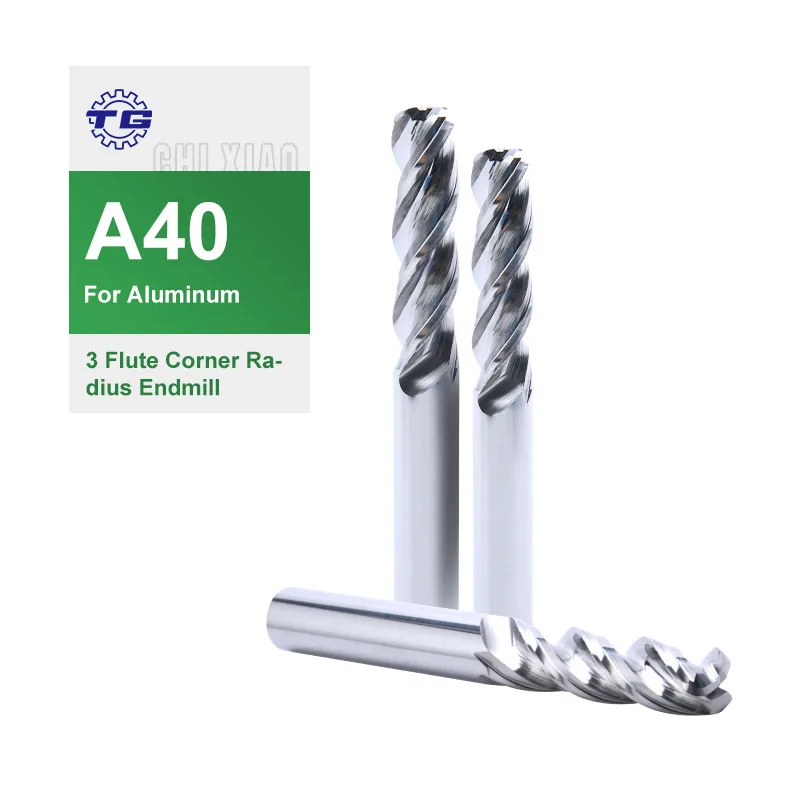
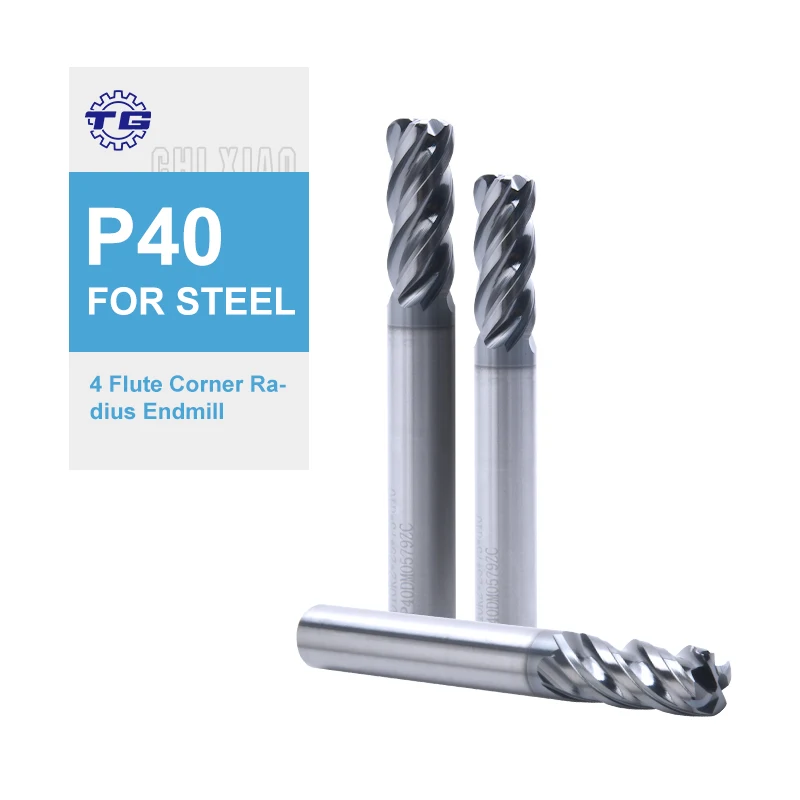
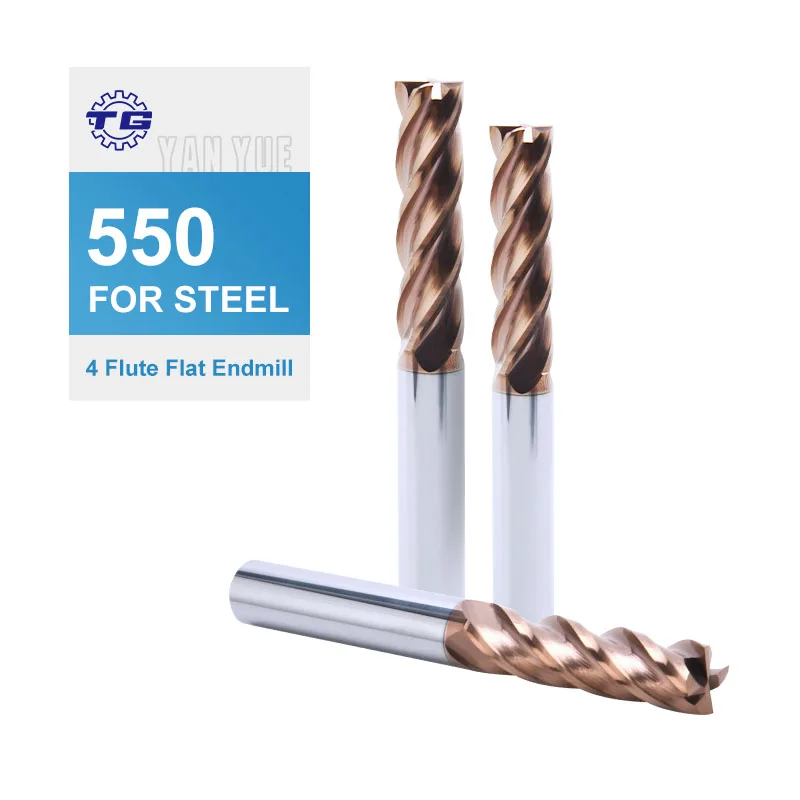
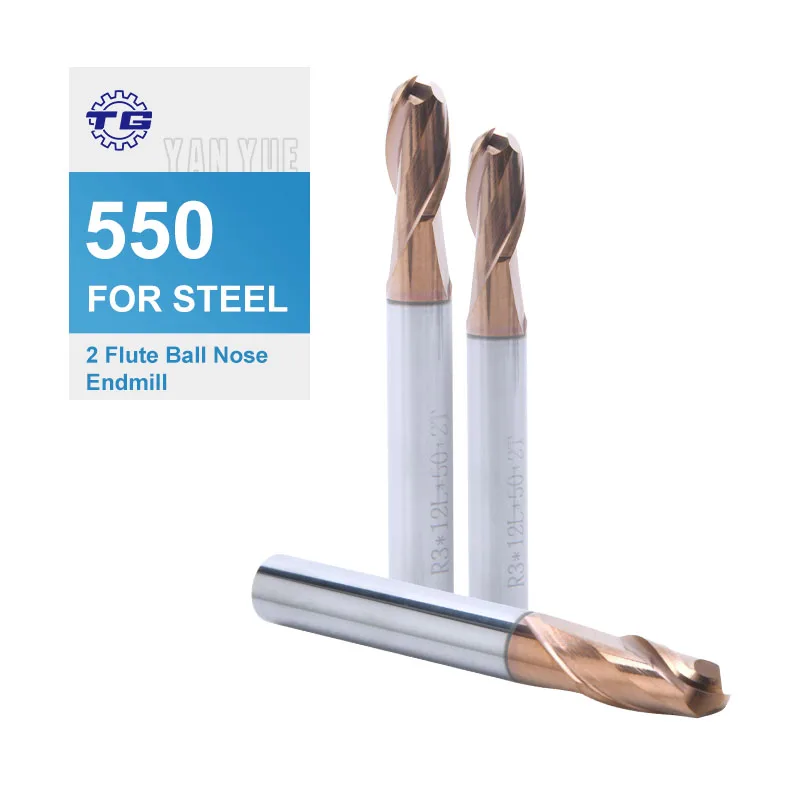
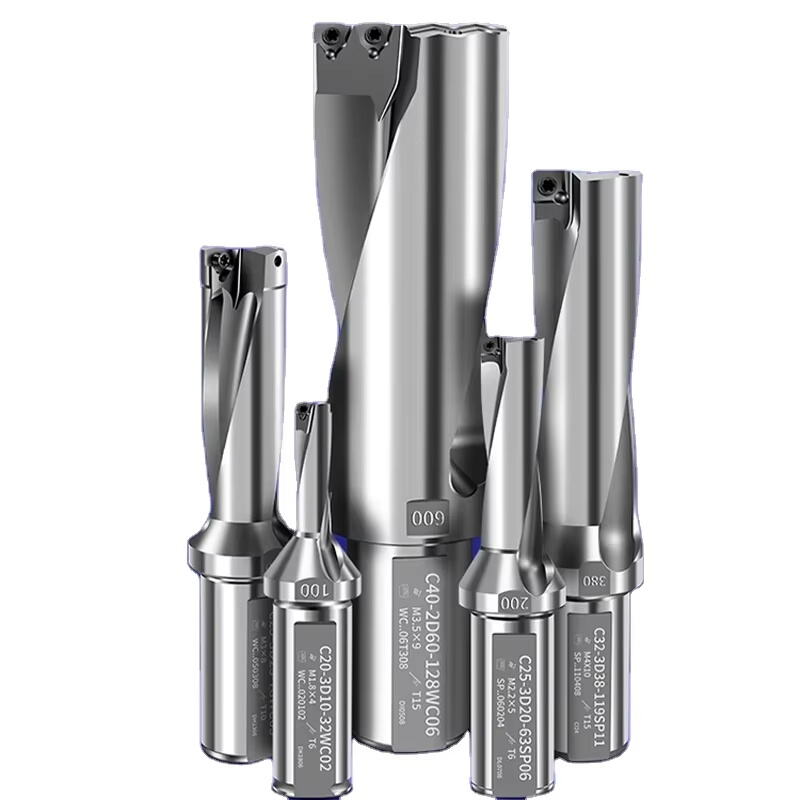
Milling inserts represent essential cutting tools in modern manufacturing operations, designed to remove material from workpieces through rotary cutting motions. These replaceable cutting edges attach to milling cutters and machine tools, enabling precision machining across various industrial applications. The primary function of milling inserts involves creating flat surfaces, slots, pockets, and complex contours on metal components with exceptional accuracy and consistency. These cutting tools feature geometrically designed edges manufactured from advanced materials that withstand extreme cutting forces and elevated temperatures generated during machining processes. The technological features of milling inserts include specialized coating technologies, precise edge geometries, and chip-breaking designs that enhance cutting performance. Modern milling inserts incorporate multiple cutting edges, allowing operators to index the insert to a fresh edge when one becomes worn, maximizing tool life and reducing operational costs. The geometric configuration of these inserts varies widely, including square, round, triangular, and custom shapes, each optimized for specific milling operations. Advanced manufacturing techniques produce milling inserts with micron-level tolerances, ensuring consistent performance and superior surface finishes on machined components. The application range spans automotive manufacturing, aerospace component production, general engineering workshops, die and mold making, and heavy equipment fabrication. These inserts excel in face milling operations, shoulder milling, profile milling, and slot cutting across materials ranging from soft aluminum alloys to hardened steels and exotic superalloys. The substrate materials typically include carbide grades, ceramic compositions, cermet blends, and polycrystalline diamond, each selected based on workpiece material properties and cutting conditions. Surface coatings such as titanium nitride, titanium carbonitride, and aluminum oxide layers significantly extend tool life by reducing friction and preventing premature wear. The indexable design philosophy underlying milling inserts delivers substantial economic benefits by eliminating tool regrinding requirements and minimizing machine downtime during tool changes, making them indispensable in high-volume production environments where efficiency and cost-effectiveness determine competitive advantage.


New Product Releases

The practical benefits of milling inserts begin with their remarkable cost efficiency, as operators can quickly rotate the insert to expose a fresh cutting edge rather than replacing the entire cutting tool. This indexable feature translates directly into lower tooling expenses and reduced inventory requirements, since one insert body accommodates multiple cutting edges. Production managers appreciate how milling inserts minimize machine downtime because changing an insert takes mere seconds compared to the lengthy process of removing, regrinding, and reinstalling solid cutting tools. The consistency these inserts deliver ensures every machined component meets strict dimensional tolerances, reducing scrap rates and improving overall product quality. Manufacturers benefit from enhanced cutting speeds that milling inserts enable, allowing faster production cycles without sacrificing surface finish quality or dimensional accuracy. The superior heat resistance of modern insert materials means cutting tools maintain their sharp edges even under demanding conditions that would quickly dull conventional tools. Workers find milling inserts safer to handle since the quick-change mechanism eliminates the need for manual tool grinding, reducing exposure to potential hazards associated with tool preparation. The versatility these inserts offer allows manufacturers to tackle diverse materials and machining operations using a single tool holder with different insert grades and geometries. Companies reduce their environmental footprint because the replaceable insert design generates less waste compared to discarding entire worn cutting tools. The predictable tool life of milling inserts enables better production planning, as operators can schedule insert changes during planned maintenance windows rather than dealing with unexpected tool failures. Small and medium enterprises particularly value how milling inserts eliminate the need for expensive grinding equipment and specialized tool room personnel. The standardized insert mounting systems ensure compatibility across different machine tools and manufacturers, providing flexibility in tool selection and reducing vendor lock-in concerns. Enhanced chip evacuation designs built into modern milling inserts prevent chip accumulation that could damage workpiece surfaces or cause tool breakage. Production efficiency increases substantially because operators spend less time on tool management and more time on productive machining operations. The wide selection of insert grades available allows manufacturers to optimize cutting parameters for specific materials, from soft plastics to hardened tool steels. Quality improvements become evident through better surface finishes that may eliminate secondary finishing operations, reducing production steps and associated costs. The technical support provided by insert manufacturers helps operations teams select optimal cutting parameters, further enhancing productivity and extending tool life beyond standard expectations.

Latest News

When should you use carbide vs HSS end mill cutters?

10

Feb

When should you use carbide vs HSS end mill cutters?

Selecting the right cutting tool for machining operations is crucial for achieving optimal performance, surface finish, and tool longevity. The choice between carbide and high-speed steel (HSS) end mill cutters significantly impacts manufacturing eff...
View More
How CNC Tools Improve Accuracy in Precision Manufacturing

28

Feb

How CNC Tools Improve Accuracy in Precision Manufacturing

Precision manufacturing has revolutionized modern industry by delivering components with unprecedented accuracy and consistency. At the heart of this technological advancement lies the sophisticated world of CNC tools, which have transformed how manu...
View More
Why Endmills Are Crucial in CNC Milling Operations

28

Feb

Why Endmills Are Crucial in CNC Milling Operations

CNC milling operations form the backbone of modern manufacturing, transforming raw materials into precision components that power industries worldwide. At the heart of these sophisticated machining processes lie endmills, cutting tools that define th...
View More
What are the differences between high-speed steel and carbide tools?

31

Mar

What are the differences between high-speed steel and carbide tools?

Manufacturing professionals constantly face critical decisions about cutting tool selection, with material choice being perhaps the most fundamental consideration. The choice between high-speed steel and carbide tools directly impacts machining perfo...
View More

Get a Free Quote

Our representative will contact you soon.
Email
Mobile
Name
Company Name
Message
0/1000

milling inserts

Advanced Coating Technology Maximizes Tool Performance and Longevity

Advanced Coating Technology Maximizes Tool Performance and Longevity

The sophisticated coating systems applied to milling inserts represent a critical technological advancement that dramatically extends tool life while improving cutting performance across challenging applications. These multi-layer coating structures typically combine different materials, each contributing specific properties that address distinct wear mechanisms encountered during metal cutting operations. The base layer often consists of titanium nitride, providing excellent adhesion to the carbide substrate while offering good wear resistance and reduced friction between the insert and workpiece material. Subsequent layers may include titanium carbonitride for enhanced hardness and titanium aluminum nitride for superior heat resistance, creating a protective barrier that withstands temperatures exceeding one thousand degrees Celsius. The outermost aluminum oxide layer delivers chemical stability, preventing diffusion wear when machining ferrous materials at elevated cutting speeds. This engineered coating architecture allows milling inserts to operate at significantly higher cutting parameters compared to uncoated tools, directly translating into faster production rates and improved manufacturing economics. The reduced friction coefficient provided by these coatings decreases cutting forces, which minimizes power consumption and reduces mechanical stress on machine tool spindles and components. Lower cutting forces also enable machining of thin-walled components and delicate features without deflection or distortion, expanding the range of parts that can be manufactured efficiently. The smooth coating surfaces facilitate superior chip evacuation, preventing built-up edge formation that compromises surface finish quality and dimensional accuracy. Manufacturers benefit from the extended tool life these coatings provide, as inserts maintain sharp cutting edges through significantly more cutting passes before requiring indexing or replacement. The color-coded coating systems assist operators in quickly identifying different insert grades, reducing selection errors and ensuring optimal tool choice for specific applications. Advanced physical vapor deposition and chemical vapor deposition processes create uniform coating thickness across complex insert geometries, ensuring consistent performance regardless of which cutting edge is engaged. The environmental advantages include reduced cutting fluid consumption because the superior lubricity of coated milling inserts often permits dry or minimum quantity lubrication machining strategies, decreasing coolant disposal costs and workplace exposure to cutting fluids.
Precision Edge Geometry Delivers Superior Surface Finish and Dimensional Control

Precision Edge Geometry Delivers Superior Surface Finish and Dimensional Control

The meticulously engineered edge geometry of milling inserts directly influences machining outcomes, with specialized designs optimized for specific materials, cutting depths, and surface finish requirements that manufacturers demand in competitive production environments. Sharp edge designs with minimal edge preparation suit machining non-ferrous materials like aluminum, brass, and plastics, where low cutting forces and fine surface finishes are priorities, enabling mirror-like finishes straight from the milling operation. Conversely, robust edge preparations including chamfers, hones, and rounded edges provide the mechanical strength necessary when machining difficult materials such as stainless steel, titanium alloys, and heat-resistant superalloys where cutting edge integrity under extreme stress determines tool life. The positive rake angles incorporated into many milling inserts reduce cutting forces and power requirements, making them ideal for machining on less rigid machines or when working with workpieces prone to deflection under cutting pressure. Chip-breaking features molded into the insert rake face control chip formation, curling, and evacuation, preventing long stringy chips that tangle around the cutter, create safety hazards, and potentially damage finished surfaces. These carefully designed chip breakers segment chips into manageable sizes that evacuate cleanly from the cutting zone, maintaining clear visibility of the cutting operation and preventing chip recutting that accelerates insert wear. Variable pitch insert arrangements available in modern milling cutter bodies further enhance performance by reducing harmonic vibration during cutting, producing superior surface finishes and extending tool life through more even wear distribution across cutting edges. The corner radius selection significantly impacts both surface finish and insert strength, with larger radii providing stronger cutting edges capable of heavy roughing operations, while smaller radii enable sharper corners and finer detail work in finishing applications. Wiper edge technology incorporated into some milling inserts extends one cutting edge slightly beyond others, creating a wiping action that smooths the machined surface and potentially doubles the feed rate while maintaining equivalent surface finish quality. This innovation directly increases productivity without additional investment in machine tools or cutting parameters optimization. The geometric precision achieved through modern grinding and pressing technologies ensures each cutting edge performs identically, delivering predictable, repeatable results that quality-conscious manufacturers require for maintaining tight tolerances across production runs.
Versatile Material Grades Address Diverse Machining Challenges Across Industries

Versatile Material Grades Address Diverse Machining Challenges Across Industries

The comprehensive range of substrate materials and grade compositions available in milling inserts enables manufacturers to precisely match tool properties with specific workpiece materials and cutting conditions, optimizing performance and economics across vastly different applications. Uncoated carbide grades offer excellent toughness for interrupted cutting operations and machining cast iron, where thermal cycling and mechanical shock would cause coated inserts to fail prematurely through coating delamination or substrate cracking. Fine-grain carbide compositions provide sharp cutting edges and wear resistance required for finishing operations on hardened steels and demanding aerospace materials, maintaining dimensional tolerances measured in microns throughout extended production runs. Coarse-grain carbide grades sacrifice some wear resistance for enhanced toughness, making them suitable for rough milling operations with heavy depths of cut and high feed rates where cutting edge strength prevents catastrophic failure. Cermet inserts combining ceramic and metallic phases deliver exceptional crater wear resistance when machining steels at high speeds, maintaining sharp edges that produce superior surface finishes even after extended cutting time. Ceramic insert grades enable extremely high cutting speeds when machining cast iron and heat-resistant alloys, dramatically reducing cycle times in high-volume production environments, though their brittleness requires rigid machine setups and stable cutting conditions. Polycrystalline diamond inserts represent the ultimate solution for machining abrasive non-ferrous materials including aluminum-silicon alloys, carbon fiber composites, and graphite, where conventional carbide tools wear rapidly, making the higher initial investment economically justified through extended tool life. Cubic boron nitride inserts tackle hardened steels exceeding sixty Rockwell C hardness, replacing grinding operations with faster, more flexible milling processes that reduce production costs and lead times. The metallurgical science underlying these diverse grades considers factors including hardness, toughness, thermal conductivity, and chemical stability, balancing competing properties to achieve optimal performance within specific application windows. Manufacturers provide detailed grade selection guides correlating workpiece materials, cutting speeds, feed rates, and depths of cut with recommended insert grades, simplifying the selection process for production engineers and machine operators. The continuous development of new grade compositions addresses emerging challenges such as machining advanced titanium alloys for medical implants or processing exotic superalloys used in jet engine components, ensuring milling insert technology keeps pace with evolving manufacturing requirements across industries.
milling inserts-0
milling inserts-1

Get a Free Quote

Our representative will contact you soon.
Email
Mobile
Name
Company Name
Message
0/1000