Superior Versatility Across Diverse Machining Applications
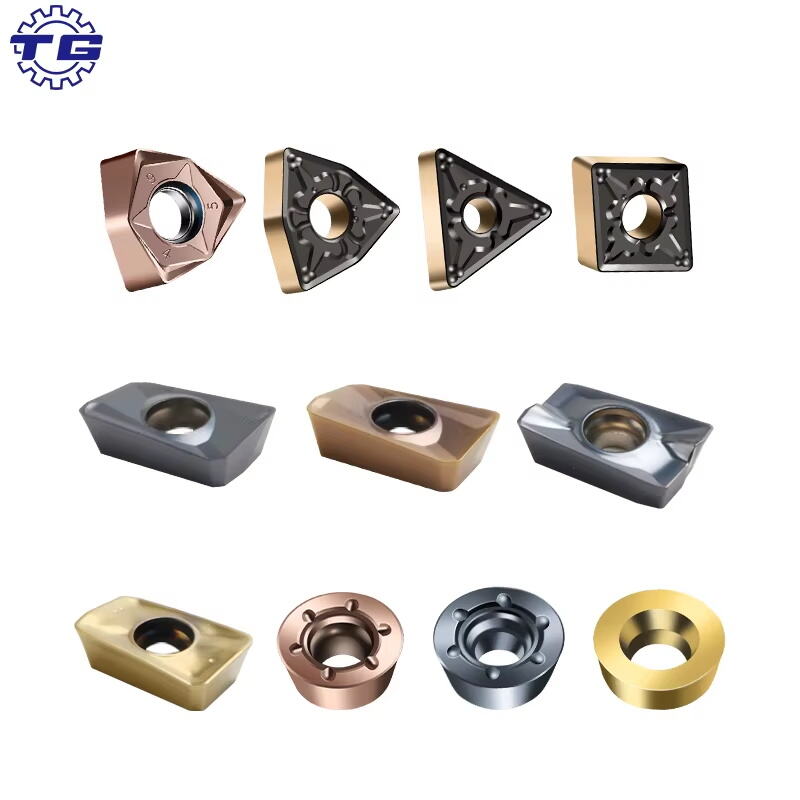
The insert mill stands out in modern manufacturing for its remarkable adaptability to handle an extensive range of machining operations, materials, and production requirements within a single tool platform. This versatility stems from the fundamental design principle that separates the durable tool body from the consumable cutting inserts, allowing manufacturers to optimize cutting performance for specific applications by selecting appropriate insert configurations. A single insert mill body can accommodate inserts made from various cutting materials including uncoated carbide, coated carbide with different coating technologies, cermet, ceramic, and polycrystalline diamond or cubic boron nitride, each offering distinct performance characteristics suited to particular workpiece materials and cutting conditions. Manufacturers working with soft aluminum alloys can install sharp-edged, polished inserts designed for high-speed machining and superior surface finish, then quickly switch to tough, coated carbide inserts when production shifts to hardened steel components, all without changing the tool body or machine setup. The insert mill accommodates different insert geometries ranging from aggressive chip-breaker designs for heavy roughing operations to precise, flat-faced inserts for finishing applications requiring minimal surface roughness. This geometric flexibility enables operators to optimize chip formation, cutting forces, and surface quality according to specific process requirements. Application versatility extends across various milling operations including face milling for creating flat surfaces, shoulder milling for machining perpendicular faces, slotting for creating channels and keyways, profiling for complex contours, and ramping for helical interpolation movements. The insert mill performs effectively across different machine tool types from conventional milling machines to modern CNC machining centers, adapting to available spindle speeds, power capabilities, and rigidity characteristics. Size scalability represents another dimension of insert mill versatility, with available diameters ranging from compact tools suitable for small components to large face mills spanning several hundred millimeters for heavy-duty applications. Material compatibility spans virtually all machinable engineering materials including carbon steels, stainless steels, cast irons, aluminum alloys, titanium alloys, nickel-based superalloys, and even non-metallic materials like composites and plastics when appropriate inserts are selected. This comprehensive versatility makes the insert mill an indispensable tool for job shops handling diverse customer requirements and production facilities seeking to consolidate their tooling systems.

 EN
EN