
 EN
EN
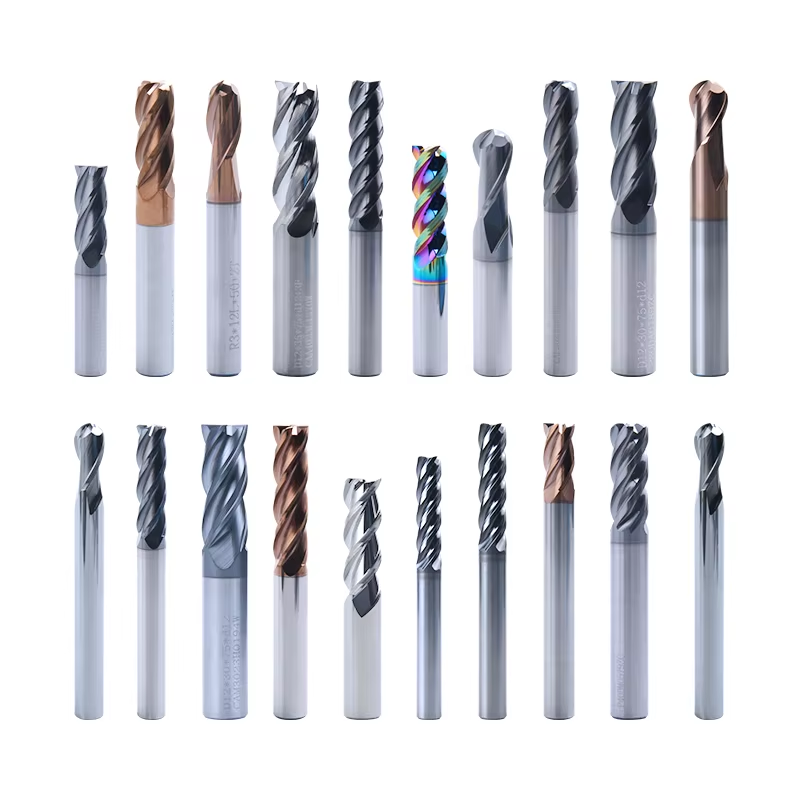
Understanding the relationship between drill bit materials and their performance characteristics is crucial for professionals working in manufacturing, construction, and metalworking industries. The material composition of a drill bit directly influences its durability, cutting efficiency, heat resistance, and overall lifespan. Different materials are specifically engineered to excel in particular applications, making material selection a critical factor in achieving optimal results. When selecting the appropriate drill bit for a project, engineers and technicians must consider factors such as the workpiece material, drilling depth, speed requirements, and environmental conditions.
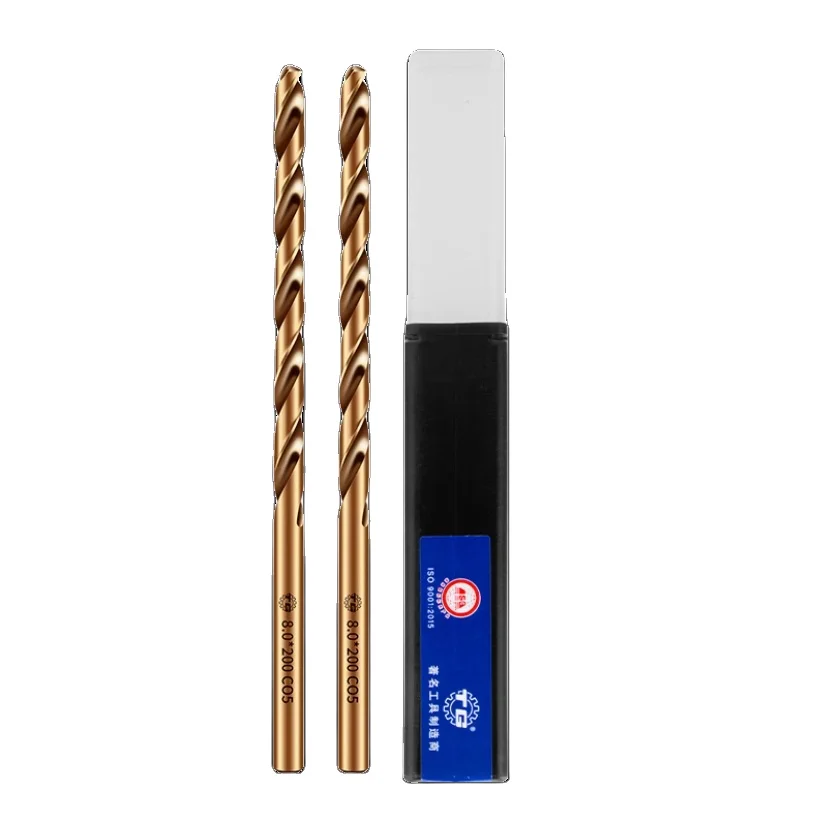
The performance of any drilling operation depends heavily on matching the correct drill bit material to the specific application requirements. Modern manufacturing processes have developed various alloy compositions and coating technologies that enhance the fundamental properties of base materials. These advancements have revolutionized drilling capabilities across industries, enabling more precise operations and extended tool life. Understanding these material properties allows professionals to make informed decisions that optimize productivity while minimizing costs associated with tool replacement and downtime.
High-Speed Steel Drill Bits
Composition and Properties
High-speed steel represents one of the most versatile and widely used materials for drill bit manufacturing. This alloy typically contains tungsten, molybdenum, chromium, and vanadium in addition to iron and carbon, creating a material that maintains its hardness even at elevated temperatures. The unique composition allows HSS drill bits to withstand the heat generated during high-speed drilling operations without losing their cutting edge. This temperature resistance makes HSS drill bits particularly effective for continuous drilling applications where heat buildup is a concern.
The microstructure of high-speed steel provides excellent toughness while maintaining sharp cutting edges. This balance between hardness and toughness prevents the drill bit from becoming brittle under stress, reducing the likelihood of breakage during operation. HSS drill bits demonstrate superior performance when drilling through various materials including mild steel, aluminum, and plastic composites. The material's ability to maintain its properties under thermal stress makes it an ideal choice for production environments where consistent performance is essential.
Applications and Performance Characteristics
High-speed steel drill bits excel in applications requiring moderate to high cutting speeds combined with good surface finish requirements. These tools are particularly effective when drilling holes in materials with hardness levels up to approximately 32 HRC. The versatility of HSS makes it suitable for both manual and automated drilling operations, providing consistent results across different operating conditions. Manufacturing facilities often rely on HSS drill bits for general-purpose drilling tasks due to their predictable performance characteristics and cost-effectiveness.
The cutting geometry possible with HSS allows for precise hole dimensions and smooth surface finishes. This material enables manufacturers to create drill bits with sharp cutting edges and efficient chip evacuation channels. When properly maintained and operated within recommended parameters, HSS drill bits provide excellent value through extended tool life and consistent hole quality. The material's forgiving nature makes it suitable for operators with varying skill levels while still delivering professional results.
Carbide Drill Bits
Material Characteristics
Carbide drill bits are manufactured from tungsten carbide, a material known for exceptional hardness and wear resistance. The carbide particles are typically bonded with cobalt to create a composite material that combines extreme hardness with sufficient toughness for drilling applications. This combination results in a drill bit material that can maintain sharp cutting edges much longer than conventional steel alternatives. The hardness of carbide approaches that of diamond, making it capable of cutting through materials that would quickly dull other drill bit types.
The manufacturing process for carbide drill bits involves powder metallurgy techniques that ensure uniform material distribution and optimal grain structure. This controlled manufacturing approach results in consistent material properties throughout the drill bit, eliminating weak points that could lead to premature failure. Carbide drill bits demonstrate superior performance in high-production environments where tool changes must be minimized to maintain efficiency. The material's resistance to abrasive wear makes it particularly valuable when drilling through materials containing hard particles or abrasive elements.
Performance Advantages
The exceptional hardness of carbide enables these drill bits to operate at significantly higher cutting speeds than steel alternatives while maintaining dimensional accuracy. This speed capability translates directly into improved productivity in manufacturing operations where cycle time reduction is critical. Carbide drill bits maintain their cutting geometry longer, resulting in consistent hole quality throughout extended production runs. The material's thermal conductivity helps dissipate heat generated during drilling, reducing the risk of thermal damage to both the drill bit and the workpiece.
Precision drilling applications benefit greatly from carbide's dimensional stability under operating conditions. The material's low coefficient of thermal expansion ensures that hole dimensions remain consistent even as temperatures fluctuate during operation. This stability is particularly important in industries such as aerospace and automotive manufacturing where tight tolerances must be maintained. Carbide drill bits also demonstrate excellent performance when drilling composite materials and other advanced engineering materials that pose challenges for conventional drill bit materials.
Cobalt Steel Drill Bits
Enhanced Heat Resistance
Cobalt steel drill bits incorporate cobalt content typically ranging from 5% to 8%, significantly enhancing the material's heat resistance and hardness compared to standard high-speed steel. This cobalt addition creates a drill bit that can withstand higher operating temperatures while maintaining its cutting effectiveness. The enhanced thermal properties make cobalt steel particularly suitable for drilling hard materials such as stainless steel, titanium alloys, and other heat-resistant materials that generate significant thermal stress during machining operations.
The microstructural changes induced by cobalt addition result in improved red hardness, meaning the material retains its hardness even when heated to temperatures that would soften conventional steel. This characteristic is crucial when drilling materials that work-harden during machining or when operating conditions prevent adequate cooling. Cobalt steel drill bits maintain their cutting edge geometry under these challenging conditions, ensuring consistent performance throughout the drilling operation. The material's enhanced properties justify its higher cost in applications where standard HSS drill bits would fail prematurely.
Specialized Applications
Industries working with exotic alloys and superalloys rely heavily on cobalt steel drill bits for their superior performance characteristics. Aerospace manufacturing, in particular, benefits from these tools when drilling titanium components, Inconel parts, and other high-temperature alloys. The enhanced hardness of cobalt steel allows for effective cutting action even in materials that rapidly dull conventional drill bits. This capability reduces production delays and maintains quality standards in critical applications where hole precision is paramount.
The durability of cobalt steel drill bits makes them cost-effective for high-volume production despite their higher initial cost. These tools maintain their cutting performance through extended use, reducing the frequency of tool changes and associated downtime. Manufacturing operations processing stainless steel components benefit significantly from cobalt steel's ability to cut through work-hardened surfaces that develop during forming operations. The material's toughness prevents chipping and breakage even under the high cutting forces required for difficult-to-machine materials.
Diamond-Coated Drill Bits
Surface Enhancement Technology
Diamond-coated drill bits represent the pinnacle of cutting tool technology, combining the toughness of a steel or carbide substrate with the extreme hardness of synthetic diamond coatings. The diamond coating is applied through chemical vapor deposition processes that create a uniform layer of polycrystalline diamond on the cutting surfaces. This coating provides unmatched abrasion resistance and cutting edge retention, making these drill bits capable of machining materials that would destroy conventional tools within minutes of operation.
The diamond coating thickness is precisely controlled to optimize both cutting performance and coating adhesion to the substrate. Advanced coating technologies ensure excellent bonding between the diamond layer and the underlying material, preventing coating delamination during operation. The result is a drill bit that combines the shock resistance of the base material with the cutting capabilities of diamond. These tools demonstrate exceptional performance when drilling highly abrasive materials such as carbon fiber composites, ceramics, and glass-filled plastics that rapidly wear conventional cutting tools.
Advanced Material Processing
The aerospace and automotive industries increasingly rely on diamond-coated drill bits for processing advanced composite materials. These materials, while offering superior strength-to-weight ratios, present significant challenges for conventional drilling tools due to their abrasive fiber content. Diamond-coated tools maintain sharp cutting edges throughout extended drilling operations, ensuring consistent hole quality and preventing delamination damage that can occur with dull tools. The precision achievable with these drill bits is essential for applications requiring tight tolerances and smooth surface finishes.
Electronics manufacturing also benefits from diamond-coated drill bit technology when drilling printed circuit boards containing glass fibers and ceramic particles. The extreme wear resistance of diamond coatings enables these tools to drill thousands of holes while maintaining dimensional accuracy and preventing burr formation. This capability is crucial for high-density circuit board production where hole quality directly affects electrical performance. The longevity of diamond-coated drill bits reduces production costs by minimizing tool replacement frequency and maintaining consistent quality throughout production runs.
Titanium Nitride Coated Tools
Coating Benefits
Titanium nitride coatings provide significant performance improvements for drill bits by creating a hard, wear-resistant surface layer that extends tool life and improves cutting efficiency. The characteristic gold color of TiN coatings serves as both a visual identifier and an indicator of the coating's integrity throughout the tool's service life. This coating reduces friction between the drill bit and the workpiece material, resulting in lower cutting forces and reduced heat generation during drilling operations. The improved thermal properties help maintain cutting edge sharpness longer while reducing the risk of thermal damage to heat-sensitive materials.
The application of titanium nitride coatings through physical vapor deposition creates a uniform layer that follows the contours of the drill bit geometry precisely. This conformity ensures that all cutting surfaces benefit from the coating's properties without compromising the tool's dimensional accuracy. TiN-coated drill bits demonstrate improved performance across a wide range of materials, from soft aluminum alloys to medium-hardness steels. The coating's chemical inertness prevents reactions with cutting fluids and workpiece materials that could lead to premature tool degradation.
Performance Enhancement
Manufacturing operations benefit from the extended tool life provided by titanium nitride coatings, which can increase drill bit longevity by 200-300% compared to uncoated tools. This improvement translates directly into reduced tooling costs and decreased production downtime associated with tool changes. The coating's low friction coefficient enables higher cutting speeds while maintaining surface finish quality, improving overall productivity in machining operations. TiN-coated drill bits are particularly effective in applications involving aluminum machining, where built-up edge formation can be problematic with uncoated tools.
The versatility of titanium nitride coated drill bits makes them suitable for both wet and dry machining operations. The coating provides adequate lubrication properties to enable dry drilling in many applications, eliminating the need for cutting fluids and simplifying chip management. This capability is valuable in environments where cutting fluid use is restricted or where cleanup requirements make dry machining preferable. The consistent performance of TiN-coated tools across different operating conditions makes them popular choices for general-purpose drilling applications in production environments.
FAQ
What determines the best drill bit material for specific applications
The selection of optimal drill bit material depends on several key factors including the workpiece material hardness, required surface finish, drilling speed, and production volume. Softer materials like aluminum and plastics work well with HSS drill bits, while harder materials such as stainless steel and titanium alloys require cobalt steel or carbide options. Production volume considerations also influence material choice, as higher-cost materials like carbide become cost-effective in high-volume applications due to their extended tool life. Environmental factors such as available cooling methods and required precision levels further refine the material selection process.
How does drill bit material affect hole quality and surface finish
Different drill bit materials produce varying levels of surface finish quality based on their ability to maintain sharp cutting edges and resist wear during operation. Carbide and diamond-coated drill bits typically produce the smoothest surface finishes due to their superior edge retention properties. HSS and cobalt steel drill bits provide good surface finishes when operated within their recommended parameters and properly maintained. The material's thermal properties also influence hole quality, as materials with better heat dissipation characteristics reduce the risk of thermal damage and work hardening that can degrade surface finish.
Can drill bit material choice impact drilling speed and productivity
Yes, drill bit material directly impacts achievable drilling speeds and overall productivity through its effect on cutting performance and tool longevity. Carbide drill bits can operate at significantly higher speeds than HSS alternatives while maintaining accuracy, leading to reduced cycle times. Coated drill bits often enable dry machining operations, eliminating time spent managing cutting fluids. The extended tool life of premium materials reduces production interruptions for tool changes, maintaining consistent productivity levels. However, the optimal material choice balances initial cost against productivity gains and total cost per hole drilled.
How do environmental conditions affect drill bit material performance
Environmental factors such as temperature, humidity, and available cooling significantly influence drill bit material performance and selection. High-temperature environments favor materials with superior hot hardness properties like cobalt steel and carbide. Corrosive environments may require coated drill bits or materials with enhanced chemical resistance. Limited cooling availability necessitates materials with better thermal conductivity and heat dissipation properties. Contaminated environments containing abrasive particles benefit from harder materials like carbide or diamond-coated options that resist abrasive wear. Understanding these environmental impacts ensures optimal material selection for specific operating conditions.