
 EN
EN
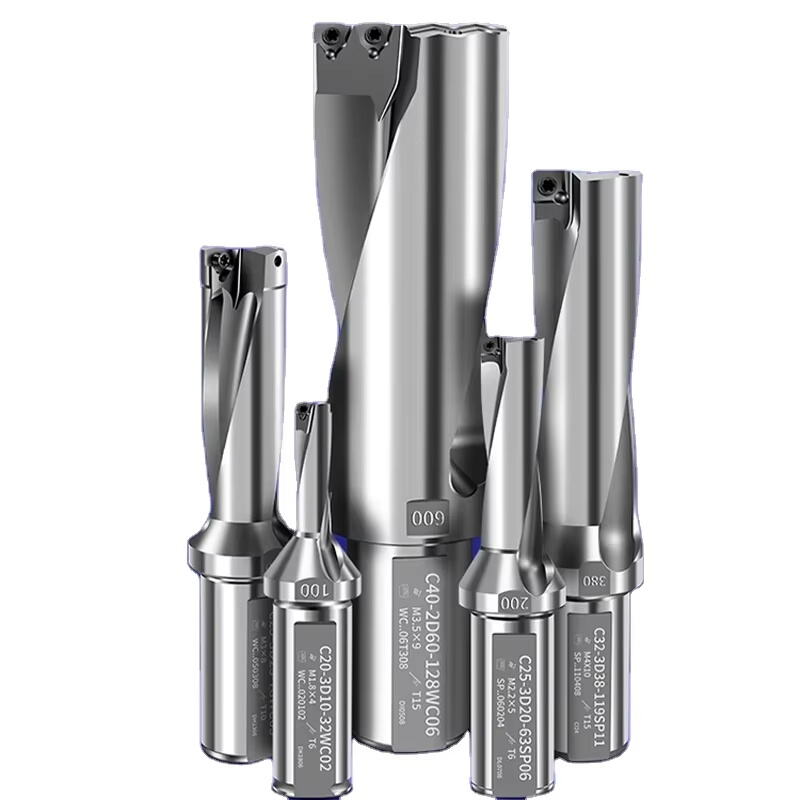
Manufacturing professionals constantly face critical decisions about cutting tool selection, with material choice being perhaps the most fundamental consideration. The choice between high-speed steel and carbide tools directly impacts machining performance, production costs, and overall manufacturing efficiency, making it essential for engineers and machinists to understand the distinct characteristics of each material type.
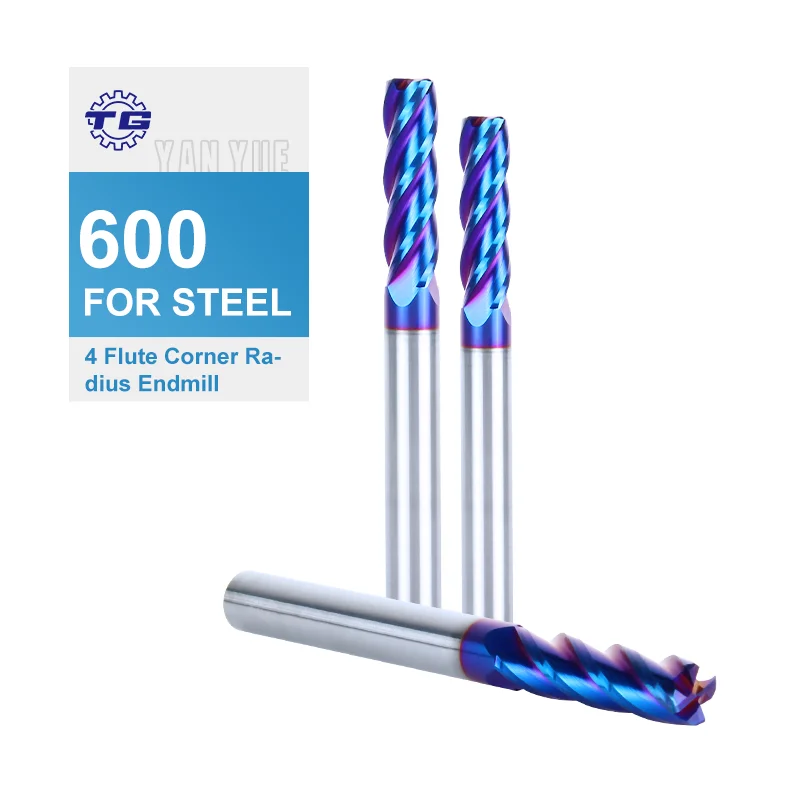
The fundamental differences between high-speed steel and carbide tools extend far beyond simple material composition, encompassing performance characteristics, application suitability, cost considerations, and operational requirements. These differences determine which tool material will deliver optimal results for specific machining operations, workpiece materials, and production environments.
Material Composition and Structure
High-Speed Steel Composition
High-speed steel represents a sophisticated alloy system built around iron as the primary base metal, enhanced with carefully balanced additions of tungsten, molybdenum, vanadium, and chromium. The typical composition includes tungsten content ranging from 6% to 18%, molybdenum from 0% to 10%, vanadium from 1% to 5%, and chromium from 3% to 5%. This complex metallurgy creates a material structure capable of maintaining hardness at elevated temperatures, which is crucial for cutting tool applications.
The manufacturing process for high-speed steel involves powder metallurgy or conventional melting and forging techniques, followed by precise heat treatment cycles that develop the desired microstructure. The resulting material exhibits a fine carbide distribution within a martensitic matrix, providing the toughness and wear resistance characteristics that define high-speed steel performance.
Modern high-speed steel grades often incorporate advanced powder metallurgy processing, which eliminates the segregation issues common in conventionally produced materials. This processing method creates more uniform carbide distribution and improved mechanical properties, making powder metallurgy high-speed steel particularly suitable for demanding applications.
Carbide Tool Construction
Carbide cutting tools utilize tungsten carbide as the primary cutting material, combined with cobalt binder in percentages typically ranging from 6% to 12%. The tungsten carbide particles, extremely hard ceramic compounds, are held together by the cobalt matrix through powder metallurgy sintering processes at temperatures exceeding 1400°C.
The grain size of tungsten carbide particles significantly influences tool performance characteristics. Fine-grain carbides provide superior wear resistance and edge sharpness, while coarser grains offer enhanced toughness for interrupted cutting operations. Modern carbide grades often feature gradient structures or specialized coatings to optimize performance for specific applications.
Advanced carbide formulations may include additional carbides such as titanium carbide or tantalum carbide, creating complex compositions tailored for specific workpiece materials and cutting conditions. These sophisticated alloy systems represent the cutting edge of carbide tool technology.
Performance Characteristics and Capabilities
Hardness and Temperature Resistance
The hardness differential between high-speed steel and carbide tools represents one of the most significant performance distinctions. High-speed steel typically achieves hardness levels between 62-67 HRC, while carbide tools reach 88-95 HRA, equivalent to approximately 72-76 HRC. This substantial hardness advantage allows carbide tools to maintain sharp cutting edges under more demanding conditions.
Temperature resistance capabilities differ dramatically between these materials. High-speed steel maintains its hardness up to approximately 600°C, making it suitable for moderate-speed operations. Carbide tools retain their cutting properties at temperatures exceeding 1000°C, enabling significantly higher cutting speeds and more aggressive machining parameters.
The red hardness characteristic of high-speed steel, while impressive compared to carbon tool steels, cannot match the thermal stability of carbide materials. This fundamental difference explains why high-speed steel and carbide tools are selected for different machining scenarios based on speed and temperature requirements.
Toughness and Impact Resistance
High-speed steel demonstrates superior toughness compared to carbide materials, making it more resistant to shock loading and vibration conditions. The metallic matrix structure of high-speed steel provides inherent ductility that helps prevent catastrophic failure during interrupted cutting or when encountering unexpected workpiece variations.
Carbide tools, while extremely hard, exhibit brittleness that can lead to chipping or fracture under impact loading conditions. However, modern carbide grades with optimized binder content and grain structure have significantly improved toughness characteristics while maintaining the hardness advantages that define carbide performance.
The toughness differential becomes particularly important in applications involving interrupted cuts, rough machining operations, or workpiece materials with varying hardness zones. Understanding these characteristics helps determine appropriate tool selection for specific operating conditions.
Application Suitability and Operational Context
Speed and Feed Capabilities
The operating parameters for high-speed steel and carbide tools differ substantially, reflecting their distinct material properties and thermal capabilities. High-speed steel tools typically operate at surface speeds ranging from 50-200 feet per minute, depending on workpiece material and application requirements.
Carbide tools enable dramatically higher cutting speeds, often operating at 300-2000 feet per minute or higher in appropriate applications. This speed advantage translates directly into improved productivity and reduced cycle times, making carbide tools particularly attractive for high-volume production environments.
Feed rate capabilities also favor carbide tools in most applications, with their superior hardness and wear resistance enabling more aggressive material removal rates. However, the increased brittleness of carbide requires careful consideration of feed engagement and cutting parameters to prevent tool damage.
Workpiece Material Compatibility
High-speed steel tools excel in applications involving softer materials, including aluminum alloys, mild steels, and many plastics and composites. Their toughness characteristics make them particularly suitable for materials that tend to grab or stick to cutting edges, where the risk of tool breakage from sudden loading is significant.
Carbide tools demonstrate superior performance in harder materials, including tool steels, hardened alloys, cast irons, and exotic aerospace materials. Their extreme hardness enables effective cutting of materials that would quickly dull high-speed steel tools, making carbide the preferred choice for challenging workpiece materials.
The abrasiveness of workpiece materials significantly influences tool selection between high-speed steel and carbide options. Highly abrasive materials quickly wear high-speed steel cutting edges, while carbide tools maintain performance over extended periods in these demanding applications.
Economic Considerations and Cost Analysis
Initial Investment and Tool Costs
The initial cost differential between high-speed steel and carbide tools represents a significant consideration in tool selection decisions. High-speed steel tools typically cost 20-50% less than equivalent carbide tools, making them attractive for shops with limited tooling budgets or occasional-use applications.
Carbide tools require higher initial investment but often provide superior cost-per-part economics in production environments. The extended tool life and higher productivity capabilities of carbide tools can justify their increased cost through reduced tool changes, improved throughput, and enhanced dimensional consistency.
Tool replacement and inventory considerations also influence the economic equation. High-speed steel tools may require more frequent replacement but cost less per tool, while carbide tools last longer but represent higher individual replacement costs when damage occurs.
Production Efficiency and Total Cost Impact
The productivity advantages of carbide tools often outweigh their higher initial costs in production environments. Faster cutting speeds, longer tool life, and improved surface finish capabilities contribute to reduced manufacturing costs per part, particularly in high-volume applications.
Machine time utilization improves significantly with carbide tools due to their higher speed capabilities and extended tool life. Reduced tool changes translate into more productive spindle time and lower labor costs associated with tool management and setup operations.
Quality considerations also impact total cost analysis, as carbide tools typically maintain dimensional accuracy longer than high-speed steel alternatives. This consistency reduces scrap rates and quality-related costs, contributing to overall economic advantages in precision manufacturing applications.
Selection Criteria and Decision Factors
Application-Specific Requirements
Selecting between high-speed steel and carbide tools requires careful evaluation of specific application requirements, including production volume, precision requirements, workpiece material characteristics, and available machining equipment capabilities. High-volume production environments typically favor carbide tools, while prototype work or low-volume applications may benefit from high-speed steel options.
Machine tool capabilities significantly influence tool material selection. Older machines with limited rigidity or speed capabilities may not fully utilize carbide tool advantages, making high-speed steel tools more appropriate. Modern high-speed machining centers can exploit carbide tool capabilities to achieve maximum productivity benefits.
Operator skill levels and shop practices also influence tool selection decisions. High-speed steel tools offer more forgiving characteristics for less experienced operators, while carbide tools require more precise setup and parameter control to achieve optimal performance and prevent damage.
Environmental and Operational Factors
Coolant availability and machining environment conditions affect the performance differential between high-speed steel and carbide tools. Carbide tools often require adequate coolant systems to manage heat generation at higher cutting speeds, while high-speed steel tools may perform adequately in dry machining applications.
Vibration and machine stability considerations favor high-speed steel tools in less rigid setups, where their superior toughness helps prevent tool failure from dynamic loading conditions. Carbide tools perform best in stable, rigid machining environments that minimize vibration and chatter.
Workholding limitations and part geometry constraints may dictate tool material selection. Complex geometries or difficult workholding situations that increase vibration risk may require the toughness characteristics of high-speed steel tools to prevent premature failure.
FAQ
Which tool material lasts longer in typical machining applications?
Carbide tools generally provide significantly longer tool life than high-speed steel tools, particularly in production machining applications. The superior hardness and wear resistance of carbide materials enable them to maintain sharp cutting edges for extended periods, often lasting 5-10 times longer than high-speed steel tools in comparable applications. However, tool life depends heavily on application parameters, workpiece materials, and operating conditions.
Can high-speed steel tools be resharpened more easily than carbide tools?
Yes, high-speed steel tools are generally easier and more cost-effective to resharpen compared to carbide tools. High-speed steel can be sharpened using conventional grinding equipment and techniques, while carbide tools require specialized grinding wheels and more precise control due to their extreme hardness. Many shops find it economical to resharpen high-speed steel tools multiple times, while carbide tools are often replaced rather than resharpened, especially for smaller tools.
Do carbide tools always provide better performance than high-speed steel tools?
No, carbide tools do not universally outperform high-speed steel tools in all applications. While carbide tools excel in high-speed, high-production environments and when machining harder materials, high-speed steel tools may perform better in low-speed applications, interrupted cutting operations, or when machining materials that tend to grab or create shock loading. The optimal choice depends on specific application requirements, machine capabilities, and economic considerations.
What factors should determine whether to choose high-speed steel or carbide tools for a new project?
Key factors include production volume, workpiece material hardness, required surface finish, available machine speed and rigidity, coolant systems, operator experience, and budget constraints. High-volume production of harder materials typically favors carbide tools, while prototype work, softer materials, or limited machine capabilities may indicate high-speed steel as the better choice. Economic analysis should consider both initial tool costs and total cost per part including productivity factors.
Table of Contents
- Material Composition and Structure
- Performance Characteristics and Capabilities
- Application Suitability and Operational Context
- Economic Considerations and Cost Analysis
- Selection Criteria and Decision Factors
-
FAQ
- Which tool material lasts longer in typical machining applications?
- Can high-speed steel tools be resharpened more easily than carbide tools?
- Do carbide tools always provide better performance than high-speed steel tools?
- What factors should determine whether to choose high-speed steel or carbide tools for a new project?