Contact me immediately if you encounter problems!

All Categories

lathe cutting inserts

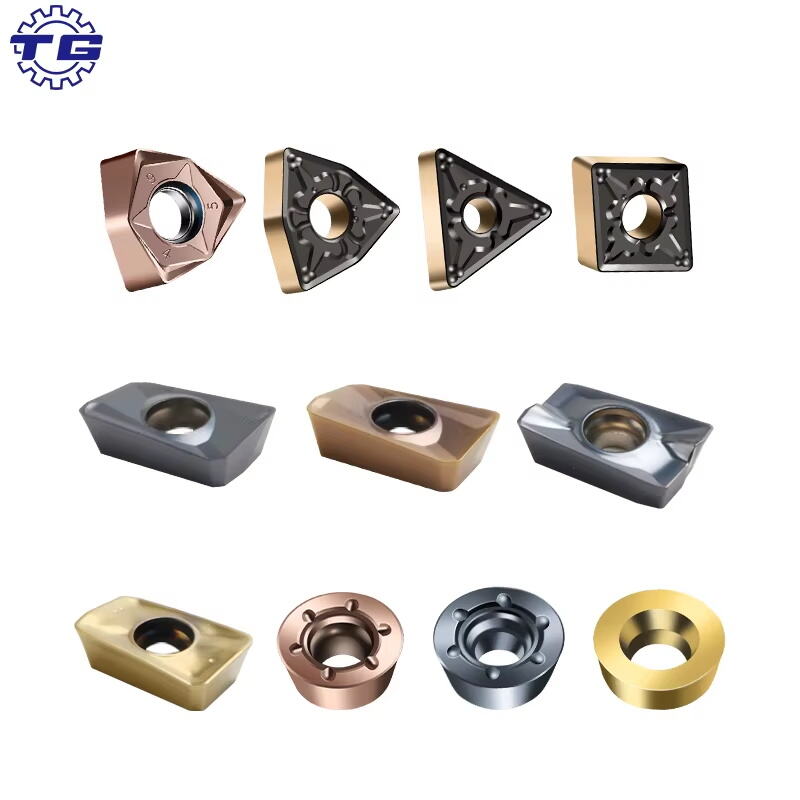
Lathe cutting inserts represent essential components in modern metalworking operations, serving as replaceable cutting edges that attach to toolholders for precision machining tasks. These inserts are engineered from advanced materials such as carbide, ceramic, cermet, and cubic boron nitride, each formulated to withstand extreme temperatures and pressures during metal removal processes. The primary function of lathe cutting inserts involves removing material from rotating workpieces to create desired shapes, dimensions, and surface finishes across various turning operations. Technological features include multiple cutting edges on a single insert, geometric designs optimized for chip control, and coating technologies that enhance wear resistance and reduce friction. Modern inserts incorporate sophisticated geometries including chip breakers, rake angles, and clearance angles that collectively determine cutting performance and tool life. Applications span diverse industries from automotive manufacturing to aerospace engineering, medical device production to general fabrication shops. These inserts handle operations such as external turning, facing, grooving, threading, boring, and profiling across materials ranging from soft aluminum alloys to hardened steels and exotic superalloys. The indexable nature of lathe cutting inserts enables operators to quickly rotate to a fresh cutting edge when one becomes worn, minimizing machine downtime and maintaining consistent production quality. Manufacturing standards such as ISO classifications ensure compatibility across different tooling systems, while advanced coating technologies like titanium nitride, titanium carbonitride, and aluminum oxide layers significantly extend tool life. The versatility of these cutting tools allows machinists to achieve tolerances within microns while maintaining production efficiency, making them indispensable in both high-volume production environments and precision job shops where quality and repeatability remain paramount.


New Product Recommendations

Lathe cutting inserts deliver substantial cost savings compared to traditional solid cutting tools because you can use multiple cutting edges before replacement becomes necessary. When one edge dulls, you simply rotate the insert to expose a fresh edge, maximizing your investment and reducing tooling expenses significantly. This economical approach means you purchase fewer tools overall while maintaining consistent machining quality throughout production runs. The quick-change capability transforms your workflow efficiency because swapping inserts takes only seconds, eliminating lengthy tool grinding sessions that pull skilled operators away from productive machining. Your production floor benefits from reduced downtime, allowing machines to spend more time cutting and less time sitting idle during tool changes. The consistent geometry of manufactured inserts ensures predictable performance, removing the variables associated with tool grinding and delivering uniform results across multiple setups and operators. You gain superior cutting performance through advanced substrate materials and coating technologies that withstand higher cutting speeds and feeds than conventional tools. This performance advantage translates directly into faster cycle times, increased throughput, and improved profitability for your operation. The heat resistance of modern insert materials allows aggressive machining parameters that would destroy traditional tools, enabling you to remove material faster while maintaining dimensional accuracy. Environmental benefits emerge because inserts generate less waste than solid tools that require disposal after complete wear, and the replaceable design supports sustainable manufacturing practices. Your operators work more safely because insert changes eliminate exposure to grinding wheels and reduce handling of sharp tools, creating a more secure working environment. The standardized mounting systems mean you maintain smaller tool inventories because one toolholder accommodates multiple insert types for different operations. This versatility simplifies inventory management and reduces capital tied up in tooling. You achieve better surface finishes because precision-manufactured inserts deliver consistent edge quality that hand-ground tools cannot match. The specialized geometries available address specific machining challenges, whether you need aggressive material removal, fine finishing, or chip control in difficult materials. Your quality control improves because consistent tooling produces repeatable results, reducing scrap and rework while building customer confidence. The technical support available from insert manufacturers provides access to cutting data, troubleshooting assistance, and application engineering that helps you optimize processes and solve machining challenges efficiently.

Tips And Tricks

How to Choose the Right Milling Cutter for Your Project?

10

Feb

How to Choose the Right Milling Cutter for Your Project?

Selecting the appropriate milling cutter for your machining project is a critical decision that directly impacts production efficiency, surface finish quality, and overall manufacturing costs. Whether you're working with aluminum, steel, or exotic al...
View More
When should you use carbide vs HSS end mill cutters?

10

Feb

When should you use carbide vs HSS end mill cutters?

Selecting the right cutting tool for machining operations is crucial for achieving optimal performance, surface finish, and tool longevity. The choice between carbide and high-speed steel (HSS) end mill cutters significantly impacts manufacturing eff...
View More
What Types of Milling Cutter Tools Are Best for Different Materials?

28

Feb

What Types of Milling Cutter Tools Are Best for Different Materials?

Modern manufacturing relies heavily on precision machining to create complex components across various industries. The selection of appropriate milling cutter tools forms the cornerstone of successful CNC operations, directly impacting surface finish...
View More
What are the differences between high-speed steel and carbide tools?

31

Mar

What are the differences between high-speed steel and carbide tools?

Manufacturing professionals constantly face critical decisions about cutting tool selection, with material choice being perhaps the most fundamental consideration. The choice between high-speed steel and carbide tools directly impacts machining perfo...
View More

Get a Free Quote

Our representative will contact you soon.
Email
Mobile
Name
Company Name
Message
0/1000

lathe cutting inserts

Extended Tool Life Through Advanced Material Technology

Extended Tool Life Through Advanced Material Technology

Lathe cutting inserts manufactured from cutting-edge substrate materials and enhanced with sophisticated coating systems deliver exceptional tool life that dramatically reduces your operating costs and improves production efficiency. The foundation begins with carbide substrates engineered at the molecular level, combining tungsten carbide particles with cobalt binders in precise ratios that balance hardness and toughness for specific applications. Fine-grain carbides provide superior wear resistance for finishing operations, while coarser grain structures offer the toughness needed for interrupted cuts and challenging conditions. Multilayer coating systems applied through physical vapor deposition processes create barriers that protect the substrate from heat, abrasion, and chemical reactions that cause premature failure. Titanium aluminum nitride coatings excel in high-temperature applications, maintaining hardness at temperatures exceeding 800 degrees Celsius where conventional coatings break down. These thermal barriers allow you to increase cutting speeds substantially, reducing cycle times without sacrificing tool life. The chemical stability of modern coatings prevents crater wear on rake faces and flank wear on clearance surfaces, the two primary failure modes that limit insert performance. When you select lathe cutting inserts with appropriate coating technologies for your specific materials and cutting conditions, you routinely achieve tool life improvements of 200 to 400 percent compared to uncoated alternatives. This extended life means fewer tool changes during production runs, reducing the risk of dimensional variations between tool changes and improving overall part quality. The consistency of coated inserts maintains sharp cutting edges longer, preserving surface finish quality throughout the tool life cycle. Your production planning becomes more predictable because you can accurately estimate tool consumption and schedule changes during natural production breaks rather than responding to unexpected failures. The economic impact extends beyond the insert cost itself, encompassing labor savings from reduced change frequency, lower inventory requirements, and decreased scrap from tool-related quality issues. Advanced insert materials also enable dry machining and minimum quantity lubrication strategies that eliminate or reduce cutting fluid costs and environmental disposal concerns while maintaining excellent tool performance and workpiece quality.
Precision Geometry For Superior Chip Control And Surface Quality

Precision Geometry For Superior Chip Control And Surface Quality

The sophisticated geometric design of lathe cutting inserts directly influences machining success by controlling chip formation, directing heat away from cutting zones, and producing superior surface finishes that meet demanding quality standards. Chip breaker geometries molded into insert surfaces transform continuous chips into manageable segments that evacuate efficiently from the cutting zone, preventing the tangling and nesting that causes surface damage, dimensional errors, and safety hazards. Engineers design these chip control features using advanced finite element analysis and extensive cutting trials to optimize performance across specific material types and cutting parameter ranges. Positive rake angles reduce cutting forces by creating a more acute cutting edge that slices through material with less resistance, benefiting operations on less rigid machines or when machining thin-walled components prone to deflection. Negative rake angles provide stronger cutting edges that withstand interrupted cuts and rough machining conditions where edge chipping might compromise positive geometry inserts. The nose radius selection influences both surface finish and strength characteristics, with larger radii producing smoother finishes and stronger edges while smaller radii enable tighter corner access and reduced cutting forces. Clearance angles prevent rubbing between the insert and freshly machined surfaces, eliminating heat generation and work hardening that deteriorate surface quality and accelerate tool wear. Modern lathe cutting inserts incorporate multiple geometric features working synergistically to optimize performance, including wiper flats that burnish surfaces for exceptional finishes, and edge preparations that strengthen cutting edges through honing or chamfering processes. These preparations prevent microchipping that creates rough surfaces and initiates premature failure. The precision manufacturing tolerances maintained during insert production ensure consistent geometry from piece to piece, delivering predictable performance that supports lights-out manufacturing and automated operations. Your finished components exhibit improved surface integrity with reduced subsurface damage, work hardening, and residual stresses that compromise fatigue life and performance in demanding applications. The controlled chip formation prevents built-up edge formation, a phenomenon where workpiece material welds to the cutting edge and causes surface tearing and dimensional inaccuracies. By selecting inserts with appropriate geometries matched to your materials, operations, and quality requirements, you achieve optimal results while extending tool life and maintaining process stability throughout production runs.
Versatile Application Range Across Materials And Operations

Versatile Application Range Across Materials And Operations

Lathe cutting inserts demonstrate remarkable versatility by accommodating an extensive range of workpiece materials, machining operations, and production requirements through specialized grades, geometries, and coating combinations tailored to specific applications. The comprehensive selection available enables you to optimize tooling for everything from free-machining aluminum alloys to hardened tool steels, from ductile cast irons to temperature-resistant superalloys used in aerospace applications. Material-specific insert grades feature substrate compositions and coating systems engineered to address the unique challenges each material presents during machining. Aluminum grades incorporate sharp cutting edges and polished surfaces that prevent material adhesion while achieving mirror finishes, while steel-cutting grades balance wear resistance with toughness to handle varied cutting conditions. Stainless steel inserts combat work hardening and built-up edge tendencies through specialized geometries and coating chemistries that reduce friction and heat generation. For hardened materials exceeding 45 HRC, ceramic and cubic boron nitride inserts provide the hot hardness necessary to maintain cutting edges at the extreme temperatures generated during machining. The operational versatility extends across turning processes including external cylindrical turning, facing operations, grooving and parting, threading for various thread forms, boring internal diameters, and contour profiling for complex shapes. Each operation benefits from dedicated insert designs optimized for specific cutting actions and chip flow patterns. Threading inserts feature precise tooth forms matching international standards for metric, unified, and specialty thread profiles, delivering accurate pitch and form tolerances essential for proper assembly function. Grooving inserts in various widths enable efficient slot creation and parting operations with minimal tool deflection. Your production flexibility increases because standardized toolholding systems accept numerous insert styles, allowing rapid changeover between operations without extensive setup procedures. Small job shops benefit from this versatility by maintaining modest insert inventories that cover diverse customer requirements, while high-volume manufacturers optimize specific insert selections for dedicated production cells. The ability to machine both rough and finish operations with appropriate insert selection eliminates secondary processes, reducing handling, setup time, and production costs while improving delivery performance and customer satisfaction through your enhanced capabilities and responsiveness to varied requirements.
lathe cutting inserts-0
lathe cutting inserts-1

Get a Free Quote

Our representative will contact you soon.
Email
Mobile
Name
Company Name
Message
0/1000