Contact me immediately if you encounter problems!

All Categories

thread cutting inserts

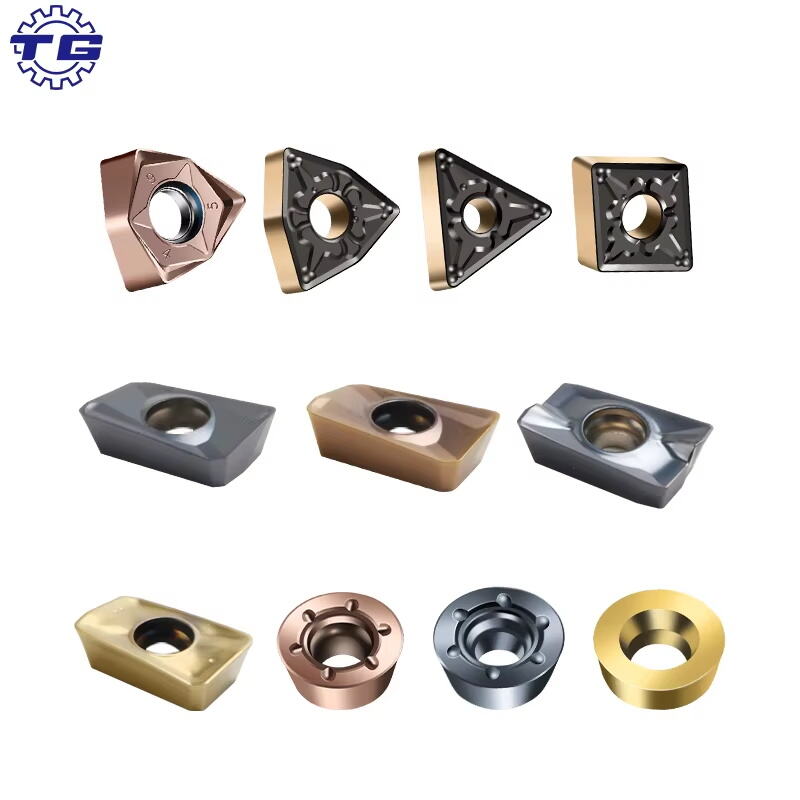
Thread cutting inserts represent a revolutionary advancement in precision machining technology, designed specifically for creating accurate internal and external threads on various workpieces. These specialized cutting tools are engineered with geometrically precise profiles that replicate the exact thread form required, whether metric, imperial, or specialized thread standards. Thread cutting inserts are manufactured from high-performance materials such as carbide, cermet, or coated carbide compositions, providing exceptional hardness and wear resistance during the cutting process. The primary function of thread cutting inserts is to generate threads through a single-point cutting operation, where the insert follows a helical path while the workpiece rotates, gradually forming the thread profile with each pass. These inserts are designed to fit into specialized toolholders that provide rigid support and precise positioning during the threading operation. The technological features of thread cutting inserts include multiple cutting edges that can be indexed when one edge becomes worn, significantly extending tool life and reducing operational costs. Modern thread cutting inserts incorporate advanced chip-breaking geometries that facilitate efficient chip evacuation, preventing chip congestion that could damage the thread profile or the insert itself. The application range for thread cutting inserts is remarkably diverse, spanning automotive component manufacturing, aerospace precision parts production, oil and gas equipment fabrication, medical device manufacturing, and general engineering applications. These inserts excel in producing threads in materials ranging from soft aluminum alloys to hardened steels, stainless steels, titanium alloys, and exotic superalloys. Thread cutting inserts are particularly valuable in CNC machining environments where repeatability, precision, and efficiency are paramount requirements for maintaining competitive manufacturing operations.


New Product Releases

Thread cutting inserts deliver substantial practical benefits that directly impact your manufacturing efficiency and bottom line. First and foremost, these inserts dramatically reduce production time compared to traditional threading methods like taps or dies. Where conventional tapping might require multiple passes and tool changes, thread cutting inserts can complete threading operations in fewer cycles, allowing you to increase throughput without sacrificing quality. The economic advantage becomes immediately apparent when you consider tool longevity. Because thread cutting inserts feature multiple usable cutting edges, typically three to five depending on the design, you can simply rotate the insert to a fresh edge when wear occurs rather than replacing the entire tool. This indexability translates to lower tooling costs per part and reduces machine downtime for tool changes. Another significant benefit is the superior thread quality these inserts produce. The precision-ground profiles ensure consistent thread dimensions across thousands of parts, meeting tight tolerance requirements that quality control demands. This consistency eliminates the variation often seen with worn taps or improperly sized dies, reducing scrap rates and rework costs. Thread cutting inserts also provide exceptional versatility in your machining operations. A single insert style can often produce multiple thread pitches by simply adjusting feed rates and programming, reducing the inventory of specialized tools you need to maintain. This flexibility proves invaluable when dealing with varied production requirements or custom orders. The predictability of tool life is another practical advantage that helps production planning. Unlike taps that can break unexpectedly, causing costly machine damage and downtime, thread cutting inserts wear gradually and predictably. You can monitor insert condition and schedule replacements during planned maintenance windows rather than dealing with emergency tool failures. Thread cutting inserts also excel in challenging materials where traditional threading tools struggle or fail quickly. Hard materials, abrasive alloys, and high-temperature metals that would destroy conventional taps can be threaded successfully with carbide inserts designed for these applications. This capability expands your manufacturing possibilities and allows you to accept jobs that competitors might decline. Furthermore, thread cutting inserts generate less cutting force than tapping operations, which means reduced stress on your machine tools and extended spindle life, protecting your capital equipment investment while maintaining precision over time.

Practical Tips

What is high speed steel and how does it work?

30

Dec

What is high speed steel and how does it work?

High speed steel represents one of the most significant innovations in metallurgy and machining technology. This specialized alloy has revolutionized manufacturing processes across countless industries, enabling precision cutting operations at speeds...
View More
How to extend the lifespan of high-speed steel cutting tools?

20

Jan

How to extend the lifespan of high-speed steel cutting tools?

Modern manufacturing industries demand exceptional accuracy and efficiency in their machining operations, making steel precision cutting tools an indispensable component of successful production processes. These specialized instruments represent the ...
View More
How CNC Tools Improve Accuracy in Precision Manufacturing

28

Feb

How CNC Tools Improve Accuracy in Precision Manufacturing

Precision manufacturing has revolutionized modern industry by delivering components with unprecedented accuracy and consistency. At the heart of this technological advancement lies the sophisticated world of CNC tools, which have transformed how manu...
View More
When should you use high speed steel cutting tools?

31

Mar

When should you use high speed steel cutting tools?

High speed steel cutting tools have revolutionized modern machining operations since their introduction in the early 1900s. These specialized alloys offer exceptional hardness, wear resistance, and heat tolerance that make them indispensable in vario...
View More

Get a Free Quote

Our representative will contact you soon.
Email
Mobile
Name
Company Name
Message
0/1000

thread cutting inserts

Precision Engineering for Consistent Thread Quality

Precision Engineering for Consistent Thread Quality

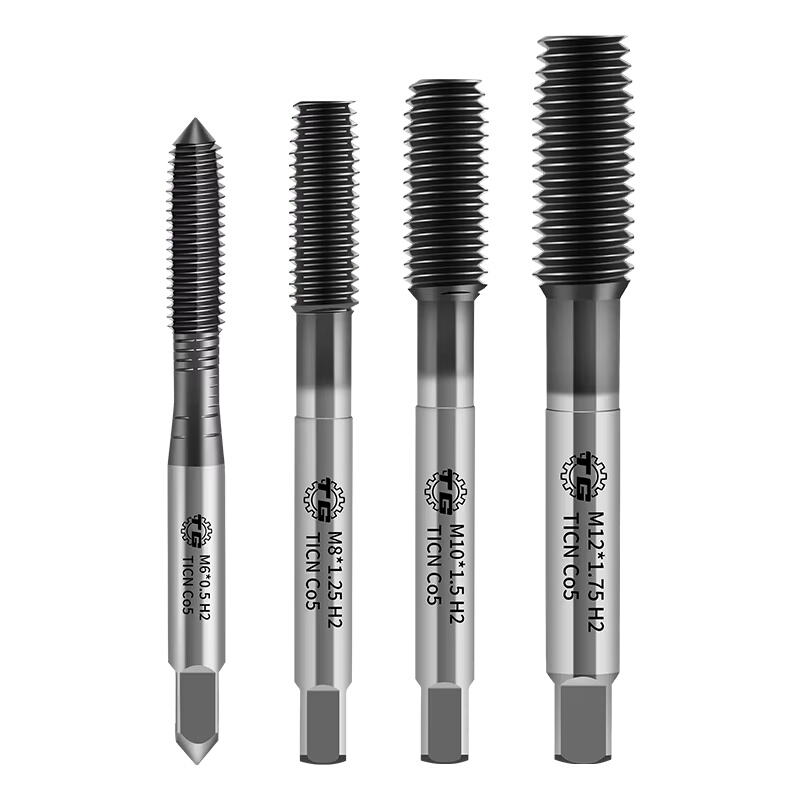
The engineering excellence embedded in thread cutting inserts represents a quantum leap in threading technology that directly benefits manufacturers seeking uncompromising quality standards. Each thread cutting insert undergoes precision grinding processes that create thread profiles accurate to within microns, ensuring that every thread produced matches exacting specifications. This level of precision manufacturing means that when you install a thread cutting insert in your toolholder, you are essentially mounting a miniature template of the perfect thread form, which the cutting process faithfully replicates onto your workpiece. The consistency this provides across production runs is invaluable for maintaining quality control standards and meeting customer specifications without variation. Modern thread cutting inserts incorporate sophisticated coating technologies that enhance their precision capabilities even further. Advanced coatings like TiAlN, TiCN, or multilayer compositions reduce friction between the insert and workpiece material, resulting in cleaner cuts and superior surface finishes on the thread flanks. These coatings also prevent built-up edge formation, a common problem in threading operations where material adheres to the cutting edge and subsequently transfers to the workpiece, creating dimensional inaccuracies. By eliminating this issue, coated thread cutting inserts maintain their precise geometry throughout their operational life. The geometric design of thread cutting inserts also contributes significantly to thread quality. Engineers design these inserts with optimal rake angles, clearance angles, and edge preparations that minimize cutting forces while maximizing material removal efficiency. This careful balance ensures that threads are formed through clean shearing action rather than tearing or deforming the material, which is critical when working with materials that are prone to work hardening or have poor machinability ratings. The result is threads with smooth flanks, accurate pitch diameters, and proper thread forms that meet or exceed inspection standards. Additionally, the rigidity provided by carbide construction prevents deflection during cutting, a common problem with traditional threading tools that can lead to thread runout or taper. This rigidity ensures that threads maintain consistent dimensions from the first engaged thread to the last, which is essential for applications requiring full thread engagement and maximum holding strength.
Economic Efficiency Through Extended Tool Life

Economic Efficiency Through Extended Tool Life

The financial advantages of thread cutting inserts extend far beyond their initial purchase price, creating a compelling return on investment that smart manufacturers recognize and capitalize upon. The fundamental economic principle behind these inserts revolves around their indexable design, which fundamentally changes the economics of threading operations. Traditional threading tools like taps are consumable items that must be completely replaced when worn, but thread cutting inserts offer multiple cutting edges on a single insert body. When one edge dulls from normal wear, you simply loosen the insert clamp, rotate the insert to present a fresh edge, and resume production. This simple operation takes mere seconds compared to the minutes required for complete tool changes, and the cumulative time savings across thousands of threading operations translates to significant productivity gains. The cost per threaded hole drops dramatically because you are amortizing the insert cost across three, four, or five times as many operations. Beyond the indexability factor, thread cutting inserts demonstrate remarkable wear resistance that extends operational intervals between edge changes. The carbide substrates and advanced coatings used in modern inserts can withstand the high temperatures and abrasive conditions of threading operations far better than high-speed steel taps. This durability means each cutting edge can produce hundreds or thousands of threads before requiring indexing, depending on material conditions and cutting parameters. The predictability of this wear pattern allows production planners to schedule insert changes during natural production breaks rather than experiencing unexpected tool failures that halt production unexpectedly. The inventory management advantages also contribute to economic efficiency. Instead of stocking numerous tap sizes and styles to cover your threading requirements, you can maintain a smaller inventory of thread cutting inserts and toolholders that cover the same range of thread sizes. This reduces capital tied up in tooling inventory and simplifies tool room management. Furthermore, the elimination of broken tap removal procedures represents substantial cost savings. Anyone who has experienced a broken tap stuck in a valuable workpiece understands the frustration and expense involved in removal attempts, which often result in scrapped parts. Thread cutting inserts virtually eliminate this risk because they cut rather than form threads, generating lower cutting forces that make tool breakage extremely rare even in challenging materials.
Versatile Performance Across Diverse Materials and Applications

Versatile Performance Across Diverse Materials and Applications

The adaptability of thread cutting inserts to handle an extraordinarily wide range of materials and threading applications makes them indispensable tools in modern manufacturing environments where flexibility equals competitiveness. Unlike specialized threading tools designed for narrow application ranges, thread cutting inserts can be optimized through grade selection and geometry choices to perform effectively across the entire spectrum of engineering materials. When threading soft materials like aluminum alloys or brass, sharp-edged inserts with polished rake faces prevent material adhesion and produce excellent surface finishes. For moderate-strength steels commonly found in general engineering applications, general-purpose grades with balanced wear resistance and toughness deliver reliable performance and economical tool life. When your production schedule demands threading in difficult materials like stainless steels, titanium alloys, or heat-resistant superalloys, specialized insert grades formulated for these challenging conditions ensure successful operations where conventional tools would fail rapidly. The geometric flexibility of thread cutting inserts further enhances their versatility. Full-profile inserts cut the complete thread form in a single pass, maximizing productivity for standard threading applications. Partial-profile inserts allow thread cutting in restricted spaces or up to a shoulder where full-profile inserts cannot reach. V-style inserts can generate multiple thread pitches by varying the feed rate, providing remarkable flexibility from a single insert geometry. This adaptability proves invaluable when dealing with custom thread forms, non-standard pitches, or prototype work where dedicated tooling would be prohibitively expensive. Thread cutting inserts also excel in both internal and external threading applications, with insert styles optimized for each operation. Internal threading inserts mount in boring bars sized appropriately for the hole diameter, while external threading inserts fit toolholders designed for turning operations. This comprehensive capability means you can standardize on thread cutting insert technology throughout your facility, simplifying training, tooling management, and process optimization. The compatibility of thread cutting inserts with CNC machine tools unlocks additional versatility through programmable control. Complex thread forms, tapered threads, multi-start threads, and interrupted threads that challenge or exceed the capabilities of conventional threading tools become straightforward programming exercises with thread cutting inserts. This programmability allows rapid changeovers between different threading requirements without physical tool changes, supporting flexible manufacturing strategies and small-batch production economics that characterize modern competitive manufacturing.
thread cutting inserts-0
thread cutting inserts-1

Get a Free Quote

Our representative will contact you soon.
Email
Mobile
Name
Company Name
Message
0/1000