Precision Geometry and Coating Technology for Superior Results
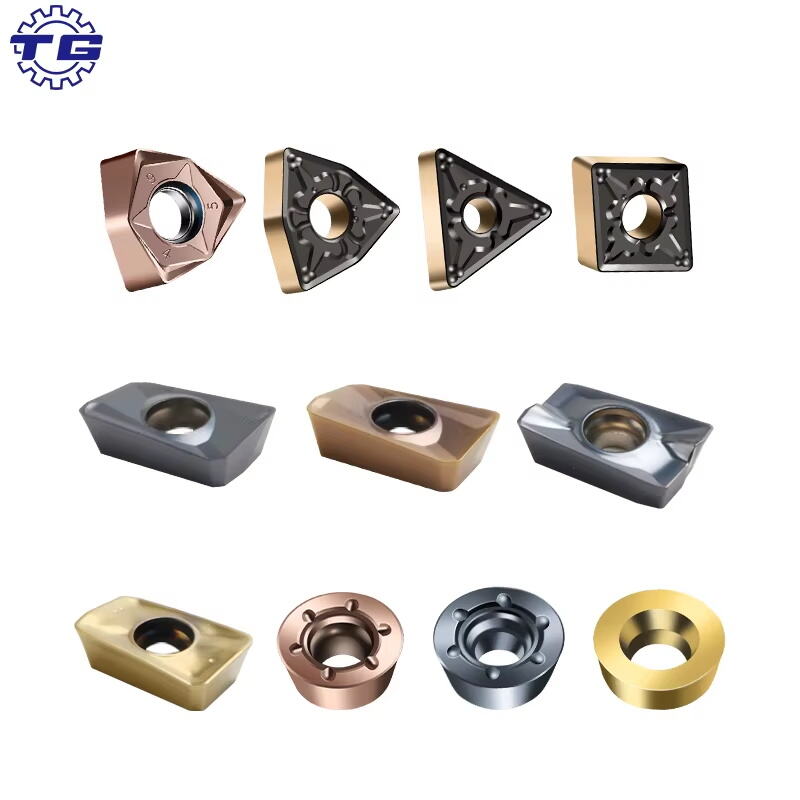
The sophisticated geometry engineering and advanced coating technologies incorporated into modern lathe carbide inserts deliver precision machining results that directly translate to improved part quality, reduced scrap rates, and enhanced competitive positioning for manufacturing operations. Every aspect of insert geometry is carefully calculated and manufactured to exacting tolerances, including rake angles that control cutting forces and chip formation, clearance angles that prevent rubbing and heat buildup, cutting edge radii that balance sharpness with strength, and chip breaker designs that control chip formation and evacuation. These geometric features work in concert to optimize the cutting process for specific materials and operations, whether you need aggressive material removal in roughing applications or precise dimension control in finishing work. The availability of numerous standardized geometries means you can select inserts specifically engineered for your application requirements rather than compromising with general-purpose tooling. Modern manufacturers offer geometries optimized for aluminum, cast iron, steel, stainless materials, and exotic alloys, with variations tailored for light cuts, heavy cuts, interrupted cuts, and continuous cutting conditions. This specialization allows you to maximize productivity and tool life simultaneously rather than sacrificing one for the other. The coating technologies applied to carbide inserts represent another dimension of precision engineering that dramatically enhances performance. Multi-layer coating systems, often applied through physical vapor deposition processes, create barriers that resist wear, reduce friction, and provide thermal insulation for the carbide substrate beneath. These coatings typically measure only a few microns in thickness yet deliver substantial performance improvements, extending tool life by two to five times compared to uncoated inserts while enabling higher cutting parameters. Different coating formulations target specific performance characteristics, with titanium nitride providing excellent general-purpose performance, titanium carbonitride offering enhanced wear resistance, and aluminum oxide delivering superior heat resistance for high-speed applications. Some advanced inserts feature gradient coatings or nano-layered structures that combine multiple materials to leverage the advantages of each. The manufacturing precision required to produce these inserts ensures remarkable consistency from piece to piece, which translates to predictable machining results and simplified process control in your operations. When you install a new carbide insert, you can confidently expect it to perform identically to the previous one, maintaining part dimensions and surface finishes without adjustment.

 EN
EN