Contact me immediately if you encounter problems!

All Categories

carbide insert lathe

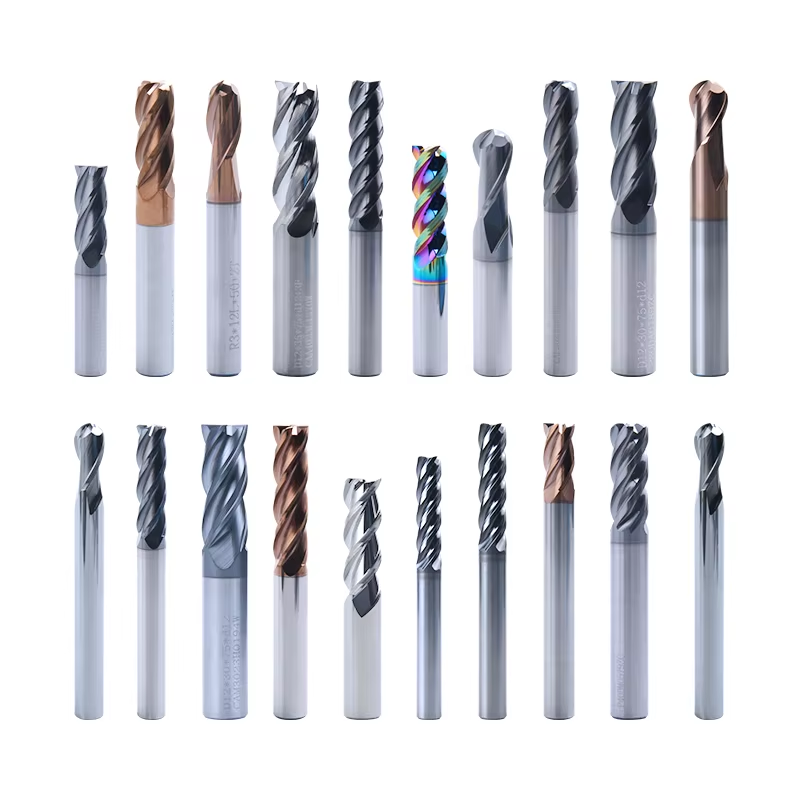
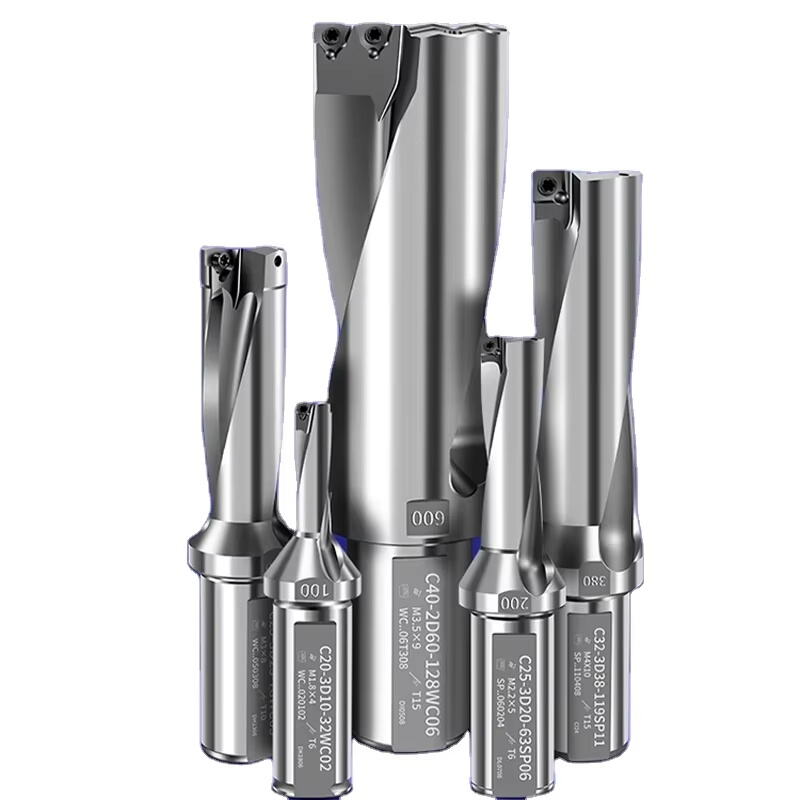
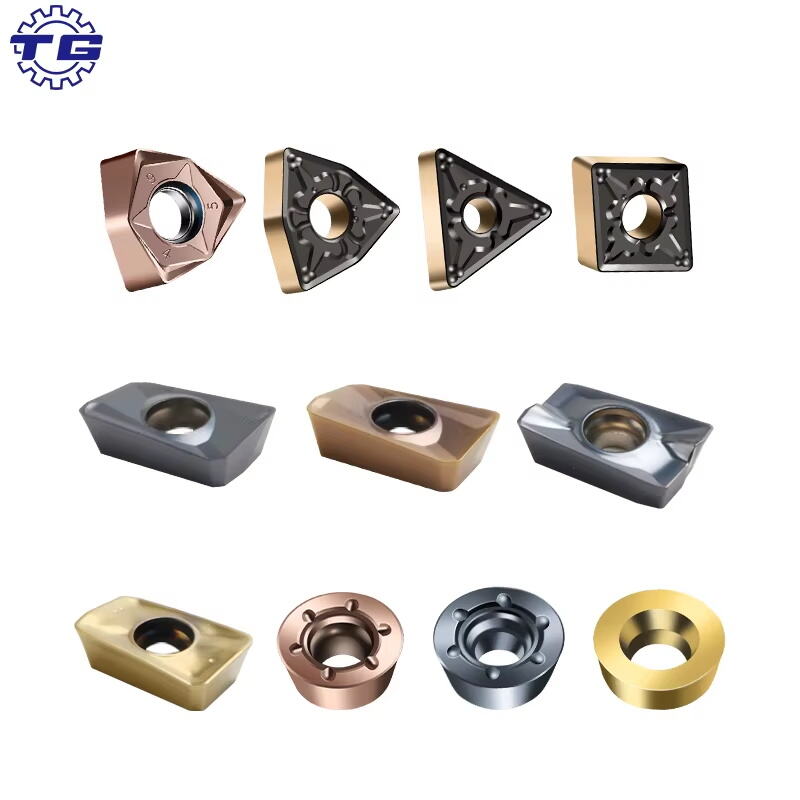
The carbide insert lathe represents a revolutionary advancement in metalworking technology, combining precision engineering with practical efficiency to deliver exceptional machining results. This sophisticated machine tool utilizes replaceable carbide cutting inserts that are securely mounted on tool holders, enabling operators to perform a wide range of turning operations with remarkable accuracy and consistency. The carbide insert lathe has become an indispensable asset in modern manufacturing facilities, serving industries from automotive production to aerospace component fabrication. The primary function of this equipment centers on removing material from rotating workpieces to create cylindrical shapes, threads, tapers, and complex contours with tight tolerances. What distinguishes this lathe from traditional cutting tools is its innovative insert system, where individual cutting edges can be quickly replaced or rotated without removing the entire tool holder from the machine. This design philosophy dramatically reduces downtime and maintains consistent quality throughout production runs. Technological features include rigid construction that minimizes vibration during high-speed operations, precise spindle systems that ensure concentricity, and versatile tooling configurations that accommodate various insert geometries. The machine supports multiple cutting operations including facing, turning, grooving, threading, and boring, making it a comprehensive solution for diverse manufacturing requirements. Applications span numerous sectors where metal components require precise dimensions and superior surface finishes. Automotive manufacturers rely on these lathes for producing engine components, transmission parts, and suspension elements. Aerospace companies utilize them for creating critical structural components and landing gear assemblies. Medical device manufacturers depend on their precision for surgical instruments and implant components. The versatility of the carbide insert lathe extends to small job shops and large-scale production facilities alike, offering scalability that matches business growth while maintaining quality standards that meet international specifications and customer expectations.


New Product Recommendations

Choosing a carbide insert lathe brings numerous practical benefits that directly impact your bottom line and operational efficiency. First and foremost, this equipment significantly reduces your tooling costs compared to traditional solid tool systems. When a cutting edge becomes worn, you simply rotate the insert to a fresh edge or replace just the small insert rather than discarding an entire expensive cutting tool. This economical approach means your business saves money on consumables while maintaining peak performance throughout every production shift. The time savings are equally impressive because changing inserts takes mere seconds, allowing your operators to spend more time actually making parts rather than adjusting or replacing tools. This quick-change capability keeps your production schedule on track and maximizes machine utilization rates that directly translate to increased profitability. The carbide material itself delivers superior performance by maintaining sharp cutting edges even when working with challenging materials like hardened steel, stainless alloys, and cast iron. Your parts will exhibit better surface finishes that often eliminate secondary finishing operations, reducing handling time and labor costs while accelerating delivery schedules. The consistent quality achieved with these lathes means fewer rejected parts and less material waste, protecting your profit margins and enhancing your reputation for reliability. Operators appreciate the user-friendly design that simplifies setup procedures and reduces the learning curve for new team members. Safety features integrated into modern carbide insert lathes protect your workforce while maintaining productivity, reducing workplace incidents that cause costly downtime and insurance claims. The versatility of these machines allows you to consolidate multiple operations on a single platform, reducing floor space requirements and simplifying workflow planning. Energy efficiency built into contemporary models lowers your utility expenses while supporting environmental sustainability goals that resonate with customers and regulatory agencies. Maintenance requirements are straightforward and manageable, with readily available replacement parts and technical support that keeps your equipment running reliably year after year. The precision capabilities enable you to bid on higher-value contracts that demand tight tolerances and superior quality, opening new market opportunities that expand your business potential. Long-term durability means your investment continues delivering returns for many years, making the carbide insert lathe a financially sound decision that strengthens your competitive position in an increasingly demanding marketplace.

Latest News

How do different drill bit materials affect performance?

30

Dec

How do different drill bit materials affect performance?

Understanding the relationship between drill bit materials and their performance characteristics is crucial for professionals working in manufacturing, construction, and metalworking industries. The material composition of a drill bit directly influe...
View More
How does high speed steel differ from carbon steel?

30

Dec

How does high speed steel differ from carbon steel?

Manufacturing and machining industries rely heavily on selecting the right steel type for specific applications, with high speed steel and carbon steel representing two of the most significant categories in industrial tooling. Understanding the funda...
View More
How to choose the right drill bit size for your needs?

10

Feb

How to choose the right drill bit size for your needs?

Selecting the appropriate drill bit size is crucial for achieving precise holes, maintaining material integrity, and ensuring project success across various applications. Whether you're working with wood, metal, plastic, or composite materials, under...
View More
Why Do Milling Cutters Break and How to Prevent It?

10

Feb

Why Do Milling Cutters Break and How to Prevent It?

Manufacturing precision relies heavily on the performance and reliability of cutting tools, with the milling cutter serving as one of the most critical components in modern machining operations. Despite their robust design and engineering excellence,...
View More

Get a Free Quote

Our representative will contact you soon.
Email
Mobile
Name
Company Name
Message
0/1000

carbide insert lathe

Exceptional Cost Efficiency Through Advanced Insert Technology

Exceptional Cost Efficiency Through Advanced Insert Technology

The carbide insert lathe delivers unmatched cost efficiency through its innovative replaceable insert system that fundamentally changes how businesses approach tooling expenses and operational budgets. Unlike conventional lathes that require complete tool replacement when cutting edges dull, this advanced system uses small, indexable inserts with multiple cutting edges. Each insert typically features four to eight usable edges, meaning you extract maximum value from every piece before replacement becomes necessary. This multiplication of cutting edges translates directly into reduced per-part tooling costs that accumulate into substantial savings over monthly and annual production cycles. The financial advantages extend beyond just the insert costs themselves. Traditional tool grinding and reconditioning services become unnecessary, eliminating both the expense of grinding operations and the downtime associated with sending tools out for refurbishment. Your business maintains a lean inventory of insert styles that cover diverse applications rather than stocking numerous specialized solid tools for different operations. This inventory reduction frees up working capital while simplifying procurement and storage logistics. The standardized tooling interface means insert manufacturers compete on quality and price, giving you leverage to negotiate favorable terms and select optimal suppliers for your specific requirements. Production managers appreciate how the predictable tool life enables accurate cost estimation during job quoting, ensuring competitive bids that still protect profit margins. The rapid insert replacement capability means your skilled machinists spend their valuable time producing parts rather than performing lengthy tool changes or adjustments. This labor efficiency multiplies across all shifts and machines, generating productivity gains that compound throughout your facility. Furthermore, the consistent performance of fresh carbide cutting edges reduces cycle times by enabling higher cutting speeds and feed rates that traditional tools cannot sustain. Faster cycle times mean more parts per shift, better equipment utilization, and improved return on your machinery investment. The quality consistency achieved with sharp carbide inserts minimizes scrap and rework expenses that erode profitability in manufacturing operations. When you calculate the total cost of ownership including initial investment, consumables, maintenance, and productivity factors, the carbide insert lathe emerges as a financially superior choice that strengthens your competitive position while supporting business growth objectives.
Superior Machining Performance Across Diverse Materials

Superior Machining Performance Across Diverse Materials

The carbide insert lathe excels in delivering superior machining performance across an exceptionally wide range of materials, from soft aluminum alloys to exotic superalloys that challenge conventional cutting technologies. This versatility stems from the advanced metallurgy of carbide inserts, which combine tungsten carbide particles with cobalt binders to create cutting tools with remarkable hardness and heat resistance. These properties enable the inserts to maintain sharp cutting edges even when facing the intense temperatures and pressures generated during high-speed metal removal operations. When working with common materials like mild steel and aluminum, the carbide insert lathe produces excellent surface finishes that often meet final specifications without secondary operations, reducing production steps and associated costs. The ability to machine stainless steel alloys, which tend to work-harden and create challenges for traditional tools, becomes straightforward with properly selected carbide grades and geometries. Manufacturers producing components from hardened steels benefit from carbide's capability to cut materials up to 65 HRC, opening possibilities for hard turning operations that replace grinding processes with faster, more economical turning methods. Cast iron machining, common in automotive and industrial applications, proceeds smoothly because carbide's toughness withstands the abrasive silicon particles embedded in the material structure. The insert selection flexibility allows operators to optimize cutting parameters for specific materials by choosing substrate grades and coating technologies matched to application requirements. Coated inserts featuring titanium nitride, titanium carbonitride, or aluminum oxide layers extend tool life and enable higher cutting speeds that boost productivity. Chip control geometries engineered into insert designs manage chip formation and evacuation, preventing built-up edge formation and ensuring consistent performance throughout the tool life. This reliable chip control proves especially valuable in automated production environments where unattended operation demands predictable, trouble-free machining. The thermal stability of carbide materials means cutting edges resist deformation even during interrupted cuts common in milling operations or when machining castings with surface irregularities. Temperature resistance also permits dry or minimum quantity lubrication machining strategies that reduce coolant costs and support environmental compliance initiatives. Material removal rates achievable with carbide inserts significantly exceed those possible with high-speed steel or cobalt tools, compressing production schedules and improving delivery performance. The combination of speed, versatility, and reliability makes the carbide insert lathe an essential tool for manufacturers serving multiple industries with varying material requirements and quality specifications.
Enhanced Precision and Quality Consistency for Demanding Applications

Enhanced Precision and Quality Consistency for Demanding Applications

The carbide insert lathe provides enhanced precision and quality consistency that meets the demanding requirements of industries where dimensional accuracy and surface finish specifications directly impact component performance and safety. This exceptional precision capability originates from multiple engineering factors working in concert to deliver reliable, repeatable results across production runs. The rigid machine construction incorporates heavy castings and reinforced structures that resist deflection under cutting forces, maintaining geometric accuracy even during aggressive material removal operations. Precision-ground guideways ensure linear motion accuracy, while high-quality spindle bearings minimize runout that would otherwise compromise part concentricity and roundness. The carbide insert mounting system itself contributes to precision by providing secure, repeatable positioning of cutting edges relative to the workpiece. Modern tool holder designs incorporate precision pockets and clamping mechanisms that eliminate movement during cutting, ensuring the cutting edge remains exactly where process planning requires. This stability proves crucial when holding tight tolerances measured in thousandths or even ten-thousandths of an inch, common in aerospace, medical, and precision instrument manufacturing. The sharp, well-defined cutting edges of carbide inserts produce superior surface finishes by shearing material cleanly rather than tearing or deforming it. This clean cutting action reduces surface roughness values and creates finishes that meet or exceed Ra specifications without additional polishing or grinding operations. Dimensional consistency across production batches results from the predictable wear characteristics of carbide tooling, where cutting edges maintain geometry throughout their useful life before requiring rotation or replacement. Statistical process control becomes more effective because tool wear progresses gradually and predictably, enabling operators to anticipate when adjustments become necessary. The thermal stability of carbide materials prevents dimensional changes caused by temperature fluctuations during extended production runs, maintaining size accuracy from the first part to the last. Quality assurance personnel appreciate the reduced inspection requirements when working with equipment that consistently produces parts within specification limits. The precision capabilities enable manufacturers to reduce safety margins and design tolerances, optimizing material usage and component weight without compromising functionality or reliability. Thread cutting operations achieve proper pitch and form accuracy essential for reliable assembly and sealing performance in hydraulic and pneumatic systems. Bore finishing operations produce the straightness and surface finish required for hydraulic cylinders and bearing installations where improper geometry causes premature wear and failure. The combination of machine rigidity, quality tooling, and carbide performance creates a manufacturing system capable of meeting international standards including ISO, AS9100, and medical device regulations that govern critical industries worldwide.
carbide insert lathe-0
carbide insert lathe-1

Get a Free Quote

Our representative will contact you soon.
Email
Mobile
Name
Company Name
Message
0/1000