Versatile Application Range Across Manufacturing Industries
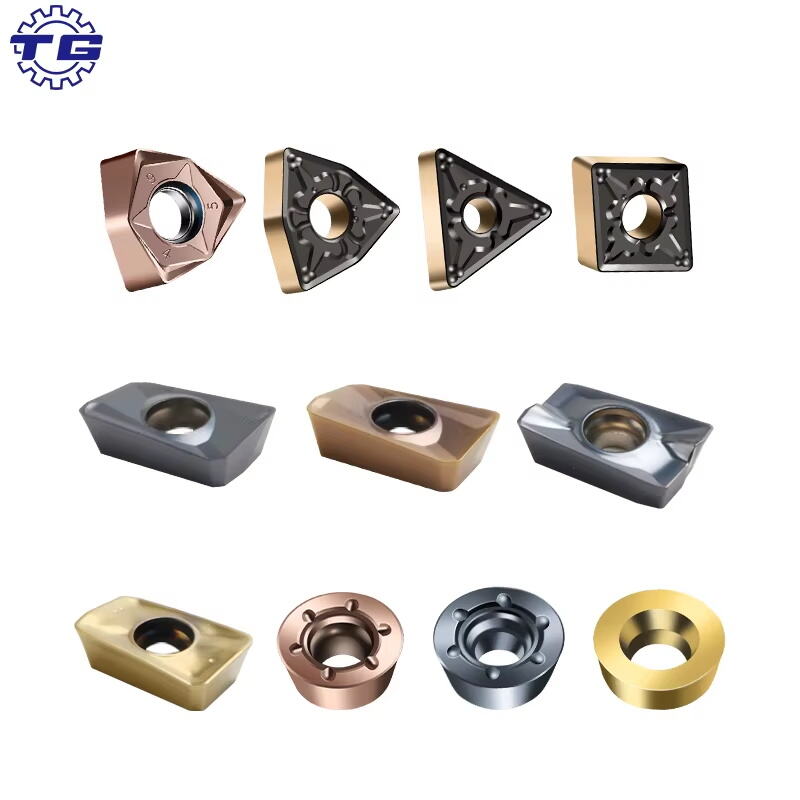
Triangle carbide inserts demonstrate exceptional versatility that makes them valuable cutting tools across diverse manufacturing sectors and machining applications. The automotive industry relies extensively on these inserts for producing engine components, transmission parts, suspension elements, and braking system components where precision tolerances and consistent quality are non-negotiable requirements. Aerospace manufacturers utilize triangle carbide inserts when machining titanium alloys, nickel-based superalloys, and aluminum aerospace grades that demand specialized cutting tool capabilities to achieve required surface integrity and dimensional accuracy. The energy sector depends on these reliable cutting tools for fabricating turbine components, valve bodies, pump housings, and pipeline fittings from challenging materials that resist machining with conventional tooling. Medical device manufacturers appreciate the fine surface finishes and precision capabilities of triangle carbide inserts when producing surgical instruments, implantable devices, and diagnostic equipment components where biocompatibility and exacting specifications are paramount. General manufacturing facilities processing steel, cast iron, and non-ferrous materials find triangle carbide inserts deliver consistent performance across varied production requirements from prototype quantities to high-volume manufacturing runs. The adaptability extends to different machine tool platforms including CNC lathes, turning centers, machining centers, and multi-tasking machines that represent the spectrum of metalworking equipment in modern production facilities. Triangle carbide inserts perform effectively across wide speed and feed ranges, accommodating different production strategies from roughing operations that prioritize material removal rates to finishing operations emphasizing surface quality and dimensional precision. The thermal stability of carbide materials enables effective dry machining in many applications, eliminating cutting fluid costs and environmental concerns while maintaining acceptable tool life and part quality. When fluid application is beneficial, triangle carbide inserts function effectively with flood coolant, mist application, or high-pressure coolant delivery systems that enhance chip evacuation and thermal management. The material versatility encompasses ferrous and non-ferrous metals, including difficult-to-machine materials like hardened steels, precipitation-hardened stainless alloys, and age-hardened non-ferrous alloys that challenge cutting tool capabilities. Specialized grade selections within the triangle carbide insert family address specific material combinations and cutting conditions, with manufacturers offering comprehensive grade recommendations based on workpiece material, cutting parameters, and desired performance outcomes. This application flexibility means manufacturing facilities can standardize on triangle carbide inserts for numerous operations, simplifying tooling management and leveraging volume purchasing advantages through consolidated procurement strategies.

 EN
EN