
 EN
EN
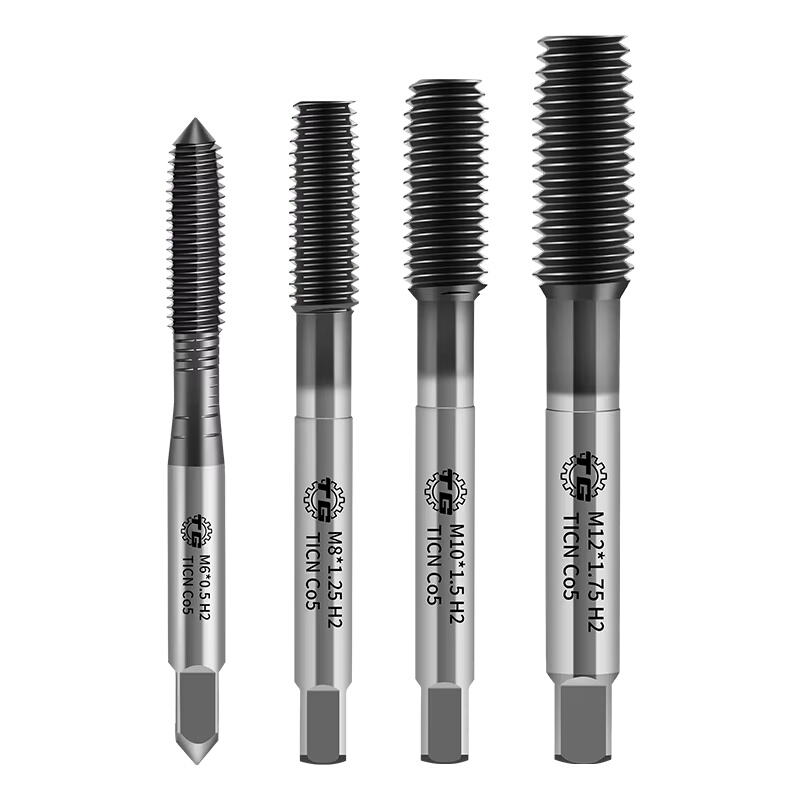
Precision manufacturing has revolutionized modern industry by delivering components with unprecedented accuracy and consistency. At the heart of this technological advancement lies the sophisticated world of CNC tools, which have transformed how manufacturers approach complex machining operations. These cutting-edge instruments enable manufacturers to achieve tolerances that were once considered impossible, making them indispensable in sectors ranging from aerospace to medical device production. The evolution of CNC tools continues to drive innovation in precision manufacturing, offering enhanced capabilities that directly impact product quality and production efficiency.
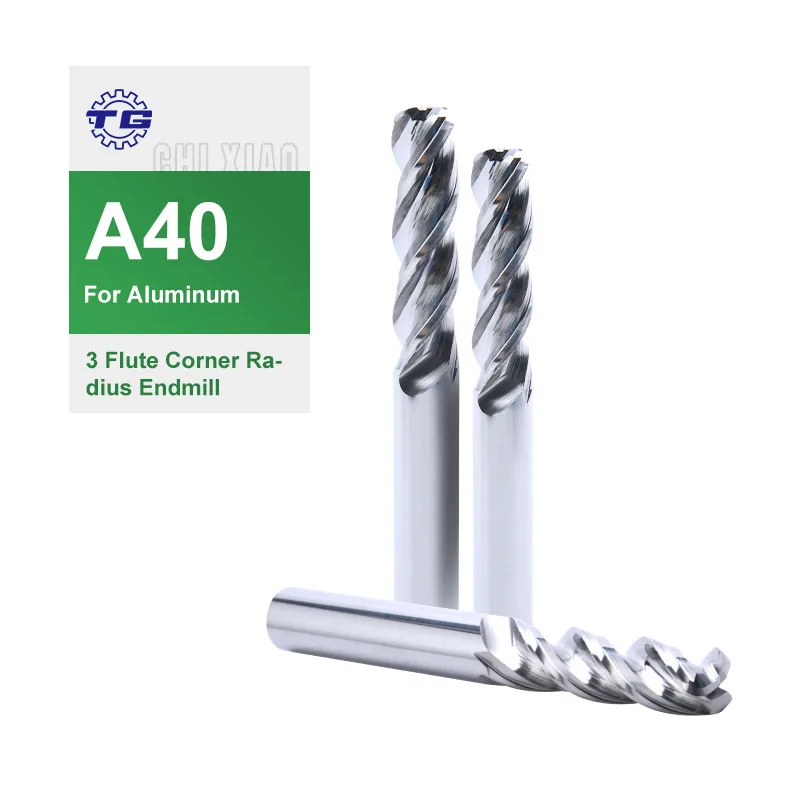
Modern manufacturing environments demand exceptional precision, and CNC tools have emerged as the cornerstone technology that enables companies to meet these stringent requirements. The integration of advanced materials, sophisticated geometries, and precision engineering in these tools has created opportunities for manufacturers to push the boundaries of what is achievable in terms of dimensional accuracy and surface finish quality.
Advanced Material Science in Modern CNC Tools
Carbide Tool Technology Evolution
The development of carbide-based CNC tools has significantly enhanced precision manufacturing capabilities across multiple industries. These advanced cutting instruments utilize tungsten carbide compositions that provide superior hardness and wear resistance compared to traditional high-speed steel alternatives. Modern carbide CNC tools incorporate specialized coatings that further extend tool life while maintaining consistent cutting performance throughout extended machining operations.
Manufacturing engineers have observed substantial improvements in dimensional accuracy when utilizing premium carbide CNC tools in their production processes. The enhanced rigidity of carbide materials reduces tool deflection during high-precision machining operations, resulting in tighter tolerances and improved surface finishes. This technological advancement has enabled manufacturers to achieve repeatability standards that were previously unattainable with conventional tooling solutions.
Coating Technologies and Performance Enhancement
Advanced coating technologies have transformed the performance characteristics of CNC tools, enabling unprecedented precision in manufacturing applications. Titanium aluminum nitride, diamond-like carbon, and multilayer coating systems provide enhanced wear resistance while reducing friction between the tool and workpiece material. These sophisticated coatings allow CNC tools to maintain sharp cutting edges for extended periods, ensuring consistent dimensional accuracy throughout production runs.
The application of specialized coatings to CNC tools has also improved thermal management during high-speed machining operations. Enhanced heat dissipation properties prevent tool degradation and maintain dimensional stability in precision components. Modern coating technologies enable manufacturers to achieve superior surface finishes while extending tool life, ultimately reducing production costs and improving manufacturing efficiency.
Precision Engineering Applications
Aerospace Component Manufacturing
Aerospace manufacturing demands exceptional precision, and CNC tools have become essential for producing critical flight components that meet stringent safety and performance standards. Advanced end mills and specialized cutting tools enable manufacturers to machine complex geometries in aerospace-grade materials while maintaining tolerances measured in micrometers. The precision capabilities of modern CNC tools allow aerospace manufacturers to produce lightweight components with intricate internal channels and complex surface profiles.
The integration of sophisticated CNC tools in aerospace manufacturing has enabled the production of turbine blades, engine housings, and structural components that meet increasingly demanding performance requirements. These precision instruments facilitate the machining of exotic alloys and composite materials that are essential for next-generation aircraft design. Manufacturing processes utilizing advanced CNC tools have significantly reduced production times while improving component quality and reliability.
Medical Device Precision Requirements
Medical device manufacturing requires exceptional precision standards, and CNC tools play a crucial role in producing components that directly impact patient safety and treatment efficacy. Surgical instruments, implantable devices, and diagnostic equipment components must meet biocompatibility requirements while maintaining dimensional accuracy that ensures proper function. Advanced CNC tools enable manufacturers to achieve the surface finishes and geometric precision necessary for medical applications.
The production of orthopedic implants and surgical instruments demonstrates the critical importance of precision CNC tools in medical manufacturing. These specialized cutting instruments allow manufacturers to machine biocompatible materials such as titanium and cobalt-chromium alloys while maintaining the dimensional accuracy required for proper fit and function. Modern CNC tools have enabled the development of minimally invasive surgical instruments and complex implant designs that improve patient outcomes.
Technology Integration and Automation
Smart Manufacturing Systems
The integration of CNC tools with smart manufacturing systems has revolutionized precision production capabilities across multiple industries. Advanced sensor technologies embedded within modern CNC tools provide real-time feedback on cutting conditions, tool wear, and dimensional accuracy. This integration enables manufacturers to implement predictive maintenance strategies and optimize machining parameters for maximum precision and efficiency.
Manufacturing execution systems now incorporate sophisticated algorithms that monitor CNC tool performance and automatically adjust cutting parameters to maintain optimal precision throughout production runs. These intelligent systems can detect minor variations in tool performance and make real-time corrections to ensure consistent dimensional accuracy. The combination of advanced CNC tools and smart manufacturing technologies has enabled lights-out manufacturing operations that maintain precision standards without human intervention.
Quality Control and Metrology Integration
Modern manufacturing facilities integrate CNC tools with advanced metrology systems to ensure continuous quality monitoring and control. In-process measurement capabilities allow manufacturers to verify dimensional accuracy during machining operations, enabling immediate corrections when deviations are detected. This integration of precision CNC tools with quality control systems has significantly reduced scrap rates and improved overall manufacturing efficiency.
The implementation of closed-loop quality control systems utilizing CNC tools has enabled manufacturers to achieve statistical process control standards that were previously unattainable. Real-time dimensional feedback allows for automatic tool path adjustments and cutting parameter optimization, ensuring consistent precision throughout production runs. These integrated systems have transformed manufacturing operations by providing unprecedented control over dimensional accuracy and surface quality.
Future Developments and Industry Trends
Additive Manufacturing Integration
The convergence of additive manufacturing and precision CNC tools is creating new opportunities for hybrid manufacturing processes that combine the benefits of both technologies. Advanced CNC tools are being utilized to finish-machine additively manufactured components, enabling the production of complex geometries with precision features that cannot be achieved through additive processes alone. This integration expands manufacturing capabilities while maintaining the dimensional accuracy required for critical applications.
Hybrid manufacturing systems utilizing CNC tools for post-processing additive components have demonstrated significant advantages in reducing production times while improving component quality. The precision capabilities of modern CNC tools enable manufacturers to achieve tight tolerances on additive components that would otherwise require extensive secondary operations. This technological convergence is driving innovation in industries requiring complex geometries with precision features.
Artificial Intelligence and Machine Learning
The integration of artificial intelligence with CNC tools is advancing precision manufacturing capabilities through predictive analytics and adaptive control systems. Machine learning algorithms analyze vast amounts of machining data to optimize tool paths, cutting parameters, and tool selection for specific applications. These intelligent systems continuously improve precision manufacturing processes by learning from historical performance data and adapting to changing conditions.
Predictive maintenance systems utilizing AI algorithms monitor CNC tools performance patterns to anticipate tool wear and schedule replacements before dimensional accuracy is compromised. This proactive approach to tool management ensures consistent precision throughout production runs while minimizing unexpected downtime. The implementation of AI-driven CNC tools management systems has resulted in significant improvements in manufacturing efficiency and quality consistency.
FAQ
What factors determine the precision capabilities of CNC tools
The precision capabilities of CNC tools are determined by several critical factors including material composition, geometric design, manufacturing quality, and coating technologies. Tool rigidity plays a crucial role in minimizing deflection during machining operations, while cutting edge geometry affects surface finish quality and dimensional accuracy. Advanced materials such as carbide and ceramic composites provide enhanced wear resistance and thermal stability, contributing to consistent precision performance. Additionally, specialized coatings reduce friction and heat generation, enabling CNC tools to maintain sharp cutting edges throughout extended production runs.
How do coating technologies enhance CNC tool precision
Coating technologies significantly enhance CNC tool precision by reducing friction, improving wear resistance, and providing better thermal management during machining operations. Advanced coatings such as titanium aluminum nitride and diamond-like carbon create protective barriers that maintain cutting edge sharpness while preventing tool degradation. These specialized surface treatments enable CNC tools to operate at higher speeds and feeds while maintaining dimensional accuracy. The improved heat dissipation properties of modern coatings prevent thermal-induced tool expansion and distortion, ensuring consistent precision throughout machining cycles.
What role do CNC tools play in achieving tight manufacturing tolerances
CNC tools are fundamental to achieving tight manufacturing tolerances through their ability to maintain consistent cutting performance and dimensional stability during machining operations. High-quality CNC tools minimize tool deflection and vibration, which are primary sources of dimensional variation in precision manufacturing. The combination of advanced materials, precise geometry, and sophisticated coatings enables these tools to produce components with tolerances measured in micrometers. Modern CNC tools integrate with closed-loop control systems that monitor cutting conditions and make real-time adjustments to maintain optimal precision throughout production runs.
How has CNC tool technology evolved to support modern manufacturing requirements
CNC tool technology has evolved dramatically to support modern manufacturing requirements through advances in materials science, coating technologies, and geometric design optimization. Contemporary CNC tools incorporate sophisticated carbide substrates with engineered grain structures that provide superior hardness and toughness compared to traditional materials. Multi-layer coating systems protect cutting edges while reducing friction and heat generation during high-speed operations. Additionally, computer-aided design and manufacturing techniques enable the production of CNC tools with complex geometries optimized for specific applications, resulting in improved precision and extended tool life in demanding manufacturing environments.