turning inserts
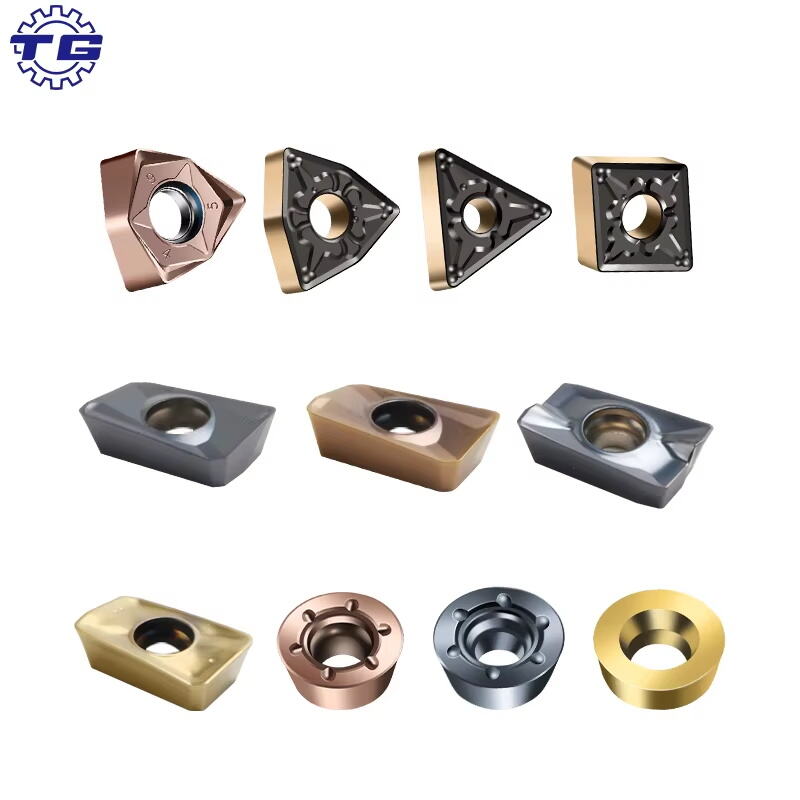
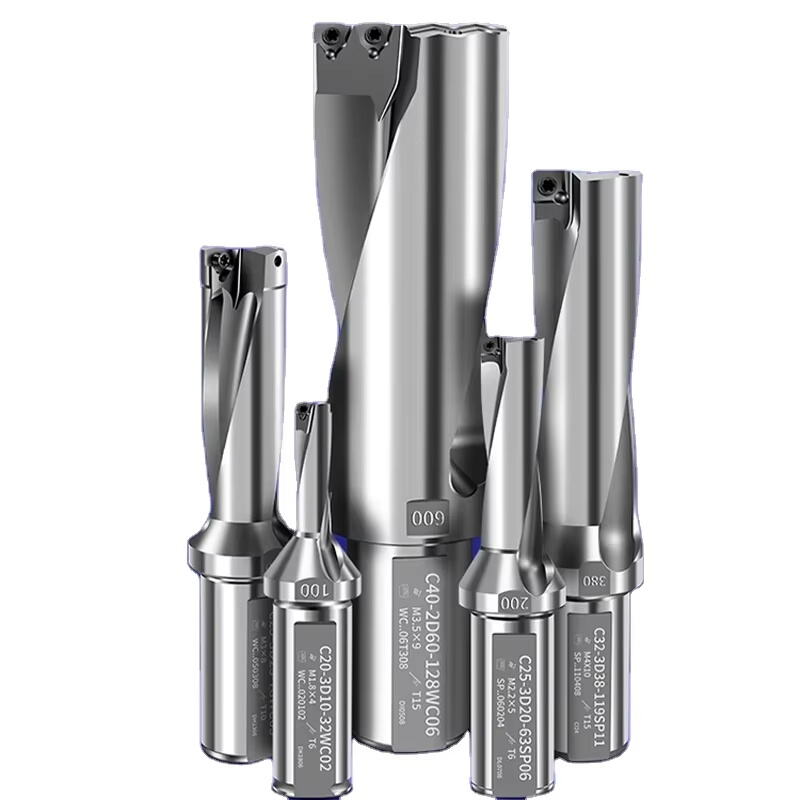
Turning inserts represent essential cutting tools used in metal machining operations, specifically designed for lathe work and precision turning processes. These replaceable cutting tips attach securely to tool holders, enabling manufacturers to perform various cutting, shaping, and finishing operations on workpieces with exceptional accuracy. The primary function of turning inserts involves removing material from rotating cylindrical parts, creating precise dimensions and surface finishes according to engineering specifications. Modern turning inserts incorporate advanced carbide compositions, ceramic materials, and specialized coatings that significantly enhance their performance capabilities. The technological features of these cutting tools include precisely ground cutting edges, chip breaker geometries, and optimized rake angles that facilitate efficient material removal. Manufacturing facilities utilize turning inserts across diverse applications, from automotive component production to aerospace parts fabrication, medical device manufacturing, and general engineering operations. The geometric design of turning inserts varies considerably, with options including triangular, square, diamond, and round configurations, each suited for specific machining tasks. The insert mounting system ensures rigid fixation within tool holders, preventing movement during high-speed cutting operations. Coating technologies applied to turning inserts, such as titanium nitride, titanium carbonitride, and aluminum oxide layers, provide enhanced wear resistance and extended tool life. Temperature management during cutting operations remains crucial, and turning inserts feature designs that effectively dissipate heat generated during material removal. The applications of turning inserts extend to both roughing operations, where large amounts of material require removal, and finishing processes that demand superior surface quality. Industries worldwide depend on turning inserts for producing components with tight tolerances, complex profiles, and consistent quality standards, making these tools indispensable in modern manufacturing environments.
 EN
EN