Contact me immediately if you encounter problems!

All Categories

carbide insert milling cutters

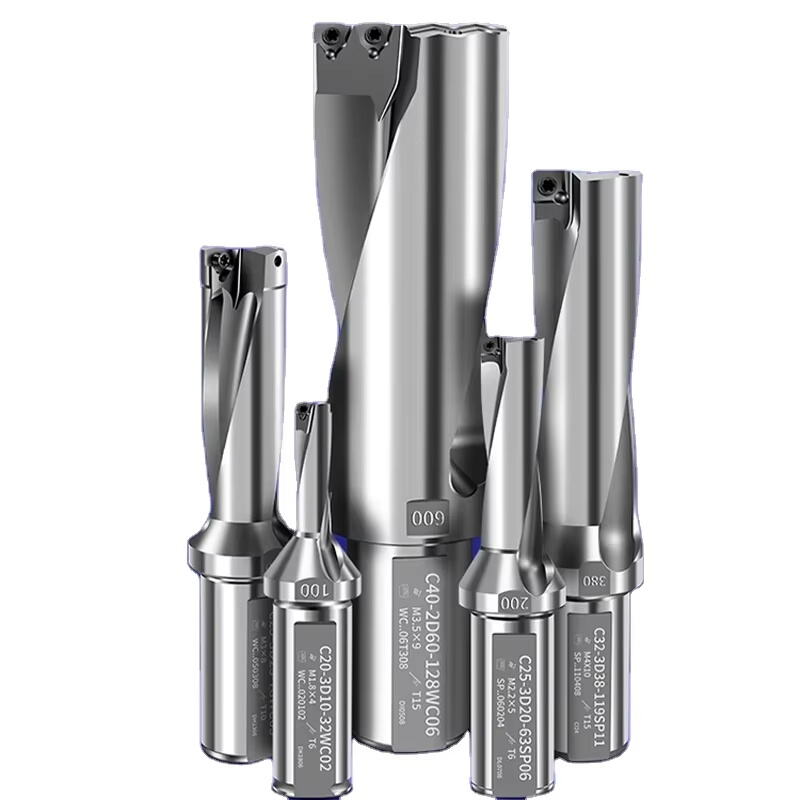
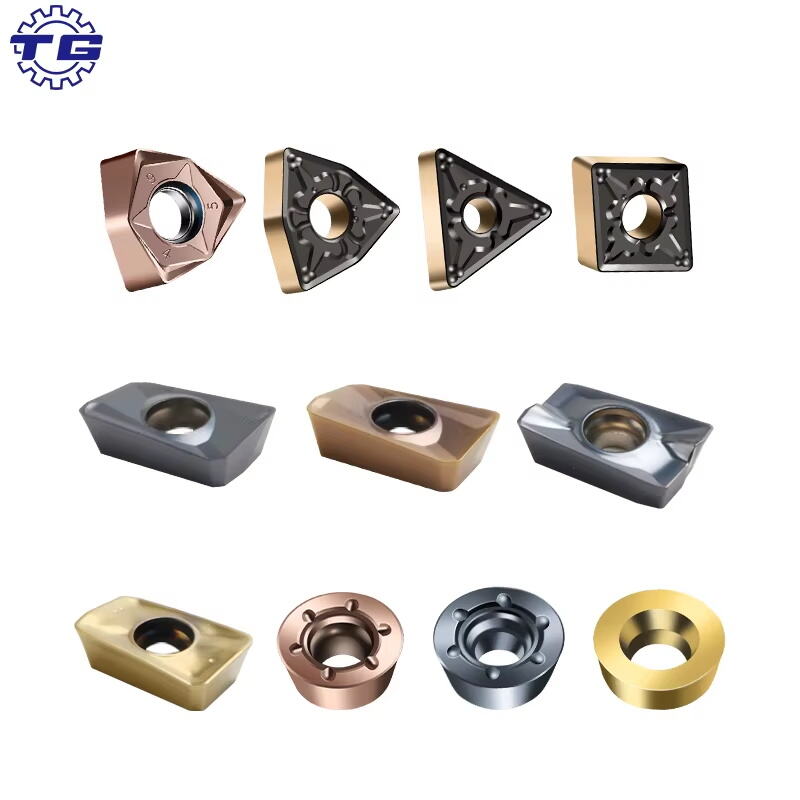
Carbide insert milling cutters represent a revolutionary advancement in modern machining technology, offering exceptional performance for metalworking operations across diverse manufacturing sectors. These cutting tools feature replaceable carbide inserts that attach securely to a steel body, creating a cost-effective and efficient solution for material removal processes. The main function of carbide insert milling cutters involves removing material from workpieces through rotational cutting action, producing precise shapes, surfaces, and dimensions according to engineering specifications. These versatile tools excel in face milling, shoulder milling, slotting, and profiling operations on materials ranging from soft aluminum alloys to hardened steel and exotic superalloys. The technological features of carbide insert milling cutters include advanced geometries optimized for chip formation and evacuation, multiple cutting edges per insert for extended tool life, and secure clamping mechanisms that ensure insert stability during high-speed operations. Modern carbide insert milling cutters incorporate sophisticated coatings such as titanium nitride, titanium carbonitride, and aluminum oxide layers that enhance wear resistance and reduce friction at the cutting interface. The indexable insert design allows operators to rotate or flip inserts to fresh cutting edges without removing the cutter from the machine spindle, minimizing downtime and maximizing productivity. Applications for carbide insert milling cutters span automotive component manufacturing, aerospace structural parts production, mold and die making, general engineering workshops, and heavy equipment fabrication. These tools handle roughing operations that remove large amounts of material quickly and finishing operations that achieve tight tolerances and superior surface quality. The adaptability of carbide insert milling cutters makes them indispensable in both high-volume production environments and job shops requiring flexibility. Their ability to maintain consistent performance across extended production runs while offering quick insert changes positions carbide insert milling cutters as the preferred choice for manufacturers seeking to optimize machining operations and reduce per-part costs.

Popular Products

Choosing carbide insert milling cutters for your machining operations delivers substantial practical benefits that directly impact your bottom line and production efficiency. The primary advantage lies in significant cost savings achieved through the replaceable insert design, which eliminates the need to purchase entirely new tools when cutting edges become worn. Instead of discarding expensive cutting tools, you simply replace the small carbide inserts, reducing tooling expenses by up to seventy percent compared to solid carbide or high-speed steel alternatives. This economical approach proves especially valuable in high-volume manufacturing where tool consumption represents a major operating cost. Carbide insert milling cutters also dramatically reduce machine downtime because changing inserts takes only seconds compared to the lengthy process of removing, resharpening, and reinstalling solid tools. Your operators can quickly index to a fresh cutting edge without complex adjustments or precise tool length compensation, keeping production lines running smoothly and meeting tight delivery schedules. The superior material properties of carbide allow these tools to operate at cutting speeds three to five times faster than traditional tooling materials, enabling you to complete jobs more quickly and increase machine utilization. Faster cutting speeds translate directly into higher productivity, allowing you to process more parts per shift and improve your manufacturing capacity without capital equipment investments. The exceptional wear resistance of carbide inserts means they maintain sharp cutting edges much longer than conventional materials, delivering consistent part quality throughout extended production runs and reducing quality variation that leads to scrap and rework. You will notice improved surface finishes on machined parts, tighter dimensional tolerances, and fewer rejected components when using carbide insert milling cutters. The versatility of these tools provides another practical advantage, as one cutter body accommodates different insert grades and geometries to handle various materials and cutting conditions. This flexibility reduces your tool inventory requirements and simplifies tool management while ensuring you always have the right cutting solution available. Carbide insert milling cutters generate less heat during cutting operations due to efficient chip formation and advanced coatings, which protects workpiece integrity and extends tool life further. The predictable tool life of inserts allows you to implement systematic tool change programs that prevent unexpected failures during production and eliminate costly emergency interruptions. Environmental benefits also factor into the advantages, as the recyclable nature of carbide inserts supports sustainability initiatives while the reduced coolant consumption associated with modern insert designs lowers disposal costs and environmental impact.

Tips And Tricks

Which drill bit type works best for concrete projects?

30

Dec

Which drill bit type works best for concrete projects?

Selecting the right drill bit for concrete projects can make the difference between a successful installation and a frustrating experience filled with broken tools and damaged materials. Concrete drilling requires specialized equipment designed to ha...
View More
How to choose the right drill bit size for your needs?

10

Feb

How to choose the right drill bit size for your needs?

Selecting the appropriate drill bit size is crucial for achieving precise holes, maintaining material integrity, and ensuring project success across various applications. Whether you're working with wood, metal, plastic, or composite materials, under...
View More
Which Shapes of Carbide Inserts Are Best for Steel?

28

Feb

Which Shapes of Carbide Inserts Are Best for Steel?

When machining steel components, selecting the appropriate carbide inserts for steel becomes critical for achieving optimal performance, tool life, and surface finish quality. The geometry and shape of these cutting tools directly influence chip form...
View More
What Safety Measures Are Essential in Holemaking Operations?

31

Mar

What Safety Measures Are Essential in Holemaking Operations?

Holemaking operations represent one of the most fundamental yet potentially hazardous processes in manufacturing environments. These operations involve creating precise holes in various materials using drilling, reaming, boring, and related machining...
View More

Get a Free Quote

Our representative will contact you soon.
Email
Mobile
Name
Company Name
Message
0/1000

carbide insert milling cutters

Extended Tool Life and Reduced Operating Costs

Extended Tool Life and Reduced Operating Costs

The extended tool life characteristic of carbide insert milling cutters represents one of their most compelling economic advantages for manufacturers across all industry sectors. Carbide material exhibits extraordinary hardness and wear resistance properties that enable cutting edges to withstand the extreme temperatures, pressures, and abrasive forces encountered during metal removal operations. This exceptional durability means each cutting edge on carbide insert milling cutters can machine significantly more parts before requiring replacement compared to traditional tooling materials. The multiple cutting edges available on each insert multiply this advantage, as operators can rotate or flip inserts to utilize fresh edges without discarding partially worn inserts. A typical square insert provides four usable cutting edges, while triangular inserts offer three edges, effectively multiplying your tool investment and reducing the frequency of tool changes. Advanced coating technologies applied to modern carbide inserts further extend tool life by creating protective barriers that reduce friction, resist chemical wear, and prevent built-up edge formation. These coatings allow carbide insert milling cutters to maintain sharp cutting edges even when machining difficult materials like stainless steel, titanium alloys, and heat-resistant superalloys that quickly destroy conventional tools. The predictable and consistent wear patterns of carbide inserts enable manufacturers to implement planned tool change schedules rather than reacting to unexpected tool failures that disrupt production flow. This predictability reduces the safety stock of replacement tools needed and minimizes emergency purchases at premium prices. The cost reduction extends beyond insert prices to encompass labor savings, as tool changes require minimal skill and only seconds to complete, freeing skilled machinists for more value-added activities. Reduced tooling costs directly improve your cost per part calculations, enhancing profit margins on every component produced. The long tool life of carbide insert milling cutters also contributes to more sustainable manufacturing practices by reducing material consumption and waste generation, supporting corporate environmental responsibility goals while delivering financial benefits. Organizations adopting carbide insert milling cutters typically report tooling cost reductions between thirty and fifty percent while simultaneously achieving productivity improvements, creating a powerful combination that strengthens competitive positioning in demanding markets.
Superior Cutting Performance and Productivity Enhancement

Superior Cutting Performance and Productivity Enhancement

Carbide insert milling cutters deliver superior cutting performance that transforms manufacturing productivity by enabling faster material removal rates, improved surface finishes, and enhanced dimensional accuracy across diverse applications. The fundamental material properties of tungsten carbide, including its exceptional hardness that approaches diamond on the Mohs scale, allow these tools to maintain sharp cutting edges at elevated temperatures where conventional materials soften and fail. This thermal stability permits carbide insert milling cutters to operate at cutting speeds that would destroy high-speed steel tools within seconds, dramatically accelerating cycle times and increasing throughput without additional capital investment. Higher cutting speeds mean your machines complete parts faster, allowing more components to be produced during each shift and improving overall equipment effectiveness. The advanced geometries engineered into modern carbide inserts optimize chip formation and evacuation, reducing cutting forces that can cause deflection, vibration, and poor surface finish. Lower cutting forces also enable the machining of thin-walled components and delicate features that would distort under the pressures generated by less efficient tooling. Carbide insert milling cutters maintain dimensional stability throughout their cutting life, producing consistent part dimensions from the first component to the last before insert replacement becomes necessary. This consistency eliminates the gradual size drift common with tools that wear rapidly, reducing the frequency of in-process measurements and tool offset adjustments that interrupt production flow. The superior surface finishes achievable with carbide insert milling cutters often eliminate secondary finishing operations, reducing handling, setup time, and processing costs while shortening lead times. Manufacturers report surface roughness improvements of thirty to fifty percent when transitioning from conventional tooling to quality carbide insert milling cutters, with some applications achieving mirror-like finishes directly from the milling operation. The broad application range of these tools means a single cutter body with appropriate insert selection can handle roughing operations that remove material rapidly and finishing operations requiring precision, reducing tool changes and setup time. Enhanced productivity from carbide insert milling cutters allows manufacturers to accept additional work without expanding facilities or purchasing additional machines, maximizing return on existing assets and improving competitiveness in price-sensitive markets where efficient production determines profitability.
Operational Flexibility and Simplified Tool Management

Operational Flexibility and Simplified Tool Management

The operational flexibility inherent in carbide insert milling cutters provides manufacturers with strategic advantages that extend far beyond basic cutting performance, fundamentally simplifying tool management while expanding machining capabilities. The modular design philosophy separating the cutter body from replaceable inserts creates a versatile system where one precision-manufactured tool holder accommodates numerous insert grades, geometries, and coating specifications tailored to specific workpiece materials and cutting conditions. This interchangeability means your tool crib can stock a modest selection of cutter bodies combined with a strategic insert inventory that addresses virtually any machining requirement encountered in daily production. The simplified inventory reduces capital tied up in tooling while ensuring the right cutting solution remains available when needed, eliminating production delays caused by tool shortages. Carbide insert milling cutters accommodate rapid adaptation to changing production requirements, as operators can switch from machining aluminum components to steel parts simply by changing inserts rather than completely different cutting tools. This flexibility proves invaluable in job shop environments where product mix varies daily and setup time directly impacts profitability. The standardized insert mounting systems used across the industry mean manufacturers can source inserts from multiple suppliers, avoiding sole-source dependencies that create supply chain vulnerabilities and limiting negotiating leverage for favorable pricing. Quick-change insert designs enable tool changes at the machine in seconds without removing the cutter body from the spindle, preserving precise tool length settings and eliminating time-consuming tool preset operations. This convenience encourages operators to change inserts proactively at optimal intervals rather than extending tool life beyond recommended limits where quality degradation and catastrophic failure risks increase. The robust construction of quality carbide insert milling cutters provides long service life for the cutter body itself, often spanning many years and thousands of insert changes before replacement becomes necessary. This durability means your initial investment in precision cutter bodies pays dividends over extended periods while only the inexpensive consumable inserts require regular replenishment. Modern carbide insert milling cutters also integrate seamlessly with digital manufacturing initiatives, as insert specifications and performance data can be tracked through tool management software that optimizes change schedules, manages inventory levels, and provides analytics for continuous improvement programs. The combination of technical performance, economic benefits, and operational simplicity positions carbide insert milling cutters as essential components of competitive manufacturing operations.
carbide insert milling cutters-0
carbide insert milling cutters-1

Get a Free Quote

Our representative will contact you soon.
Email
Mobile
Name
Company Name
Message
0/1000