Contact me immediately if you encounter problems!

All Categories

custom endmills

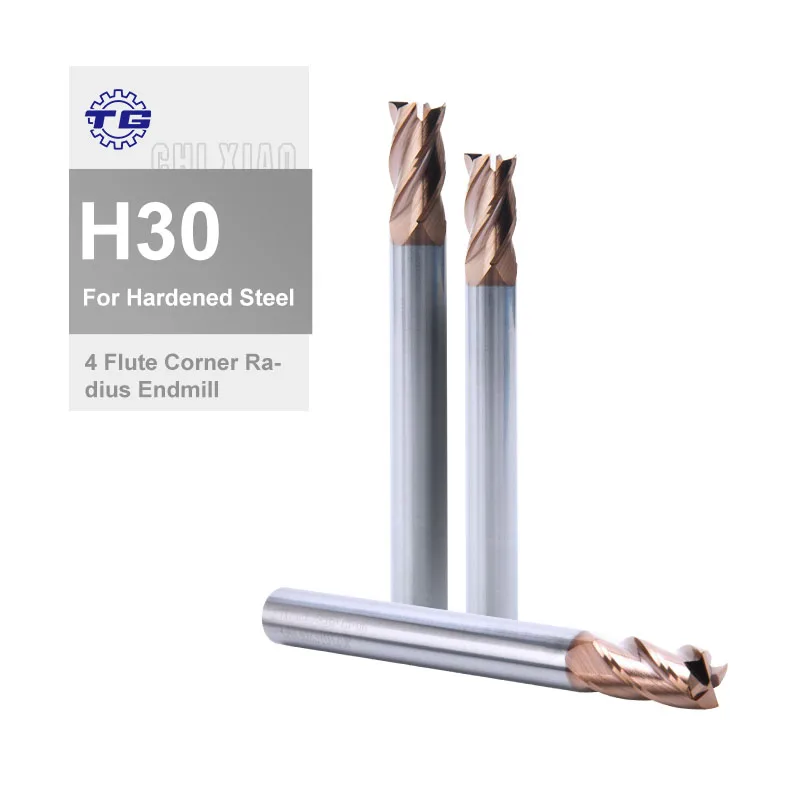
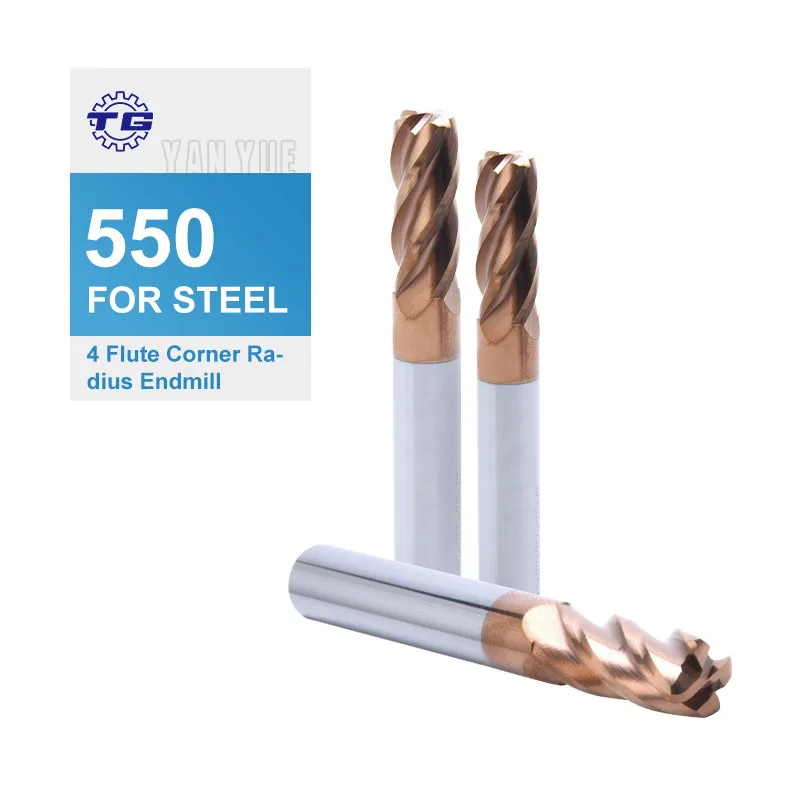
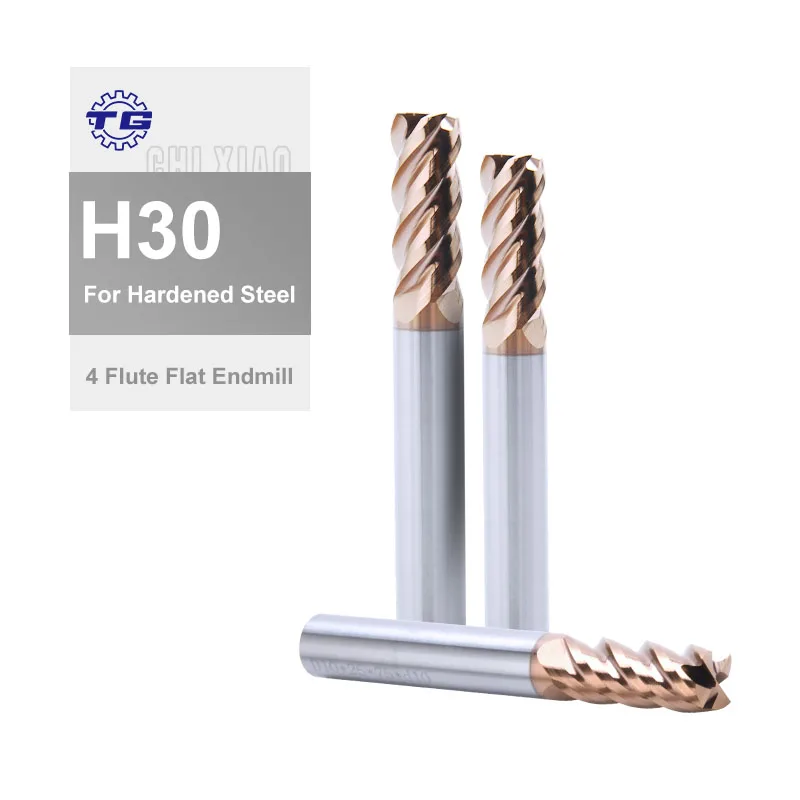
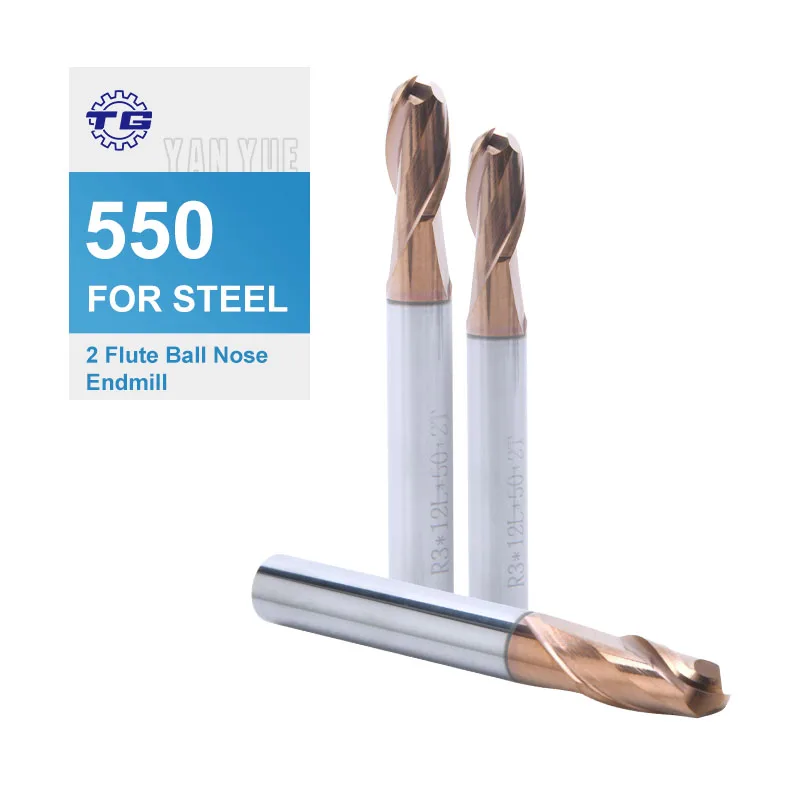
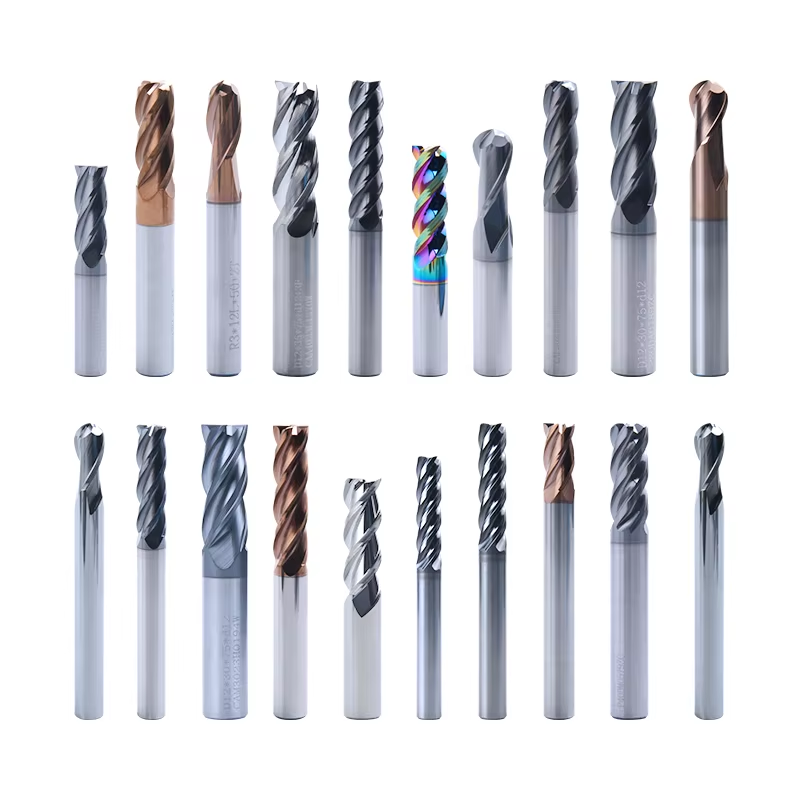
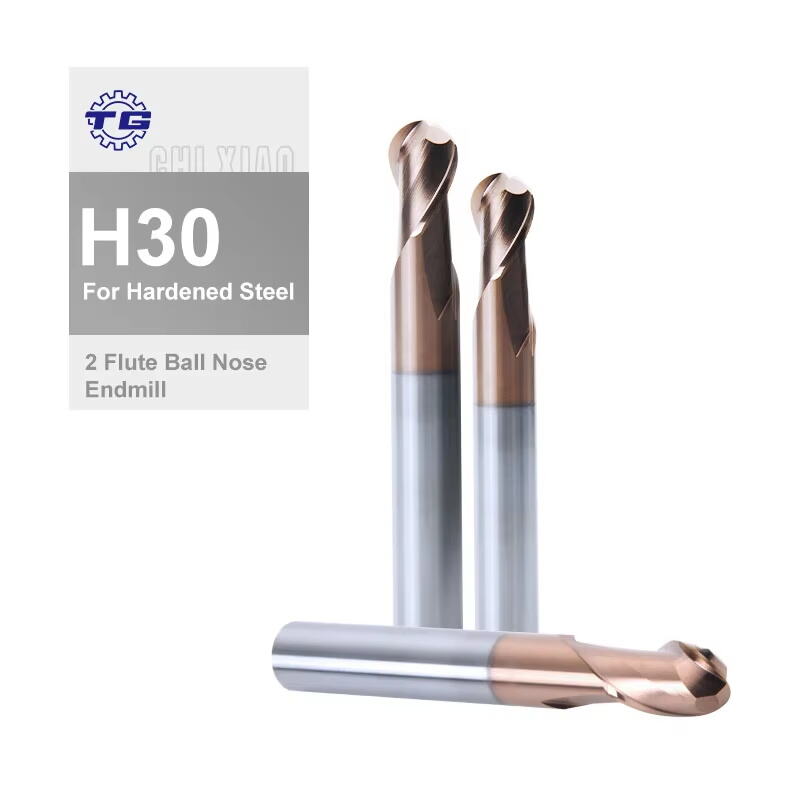
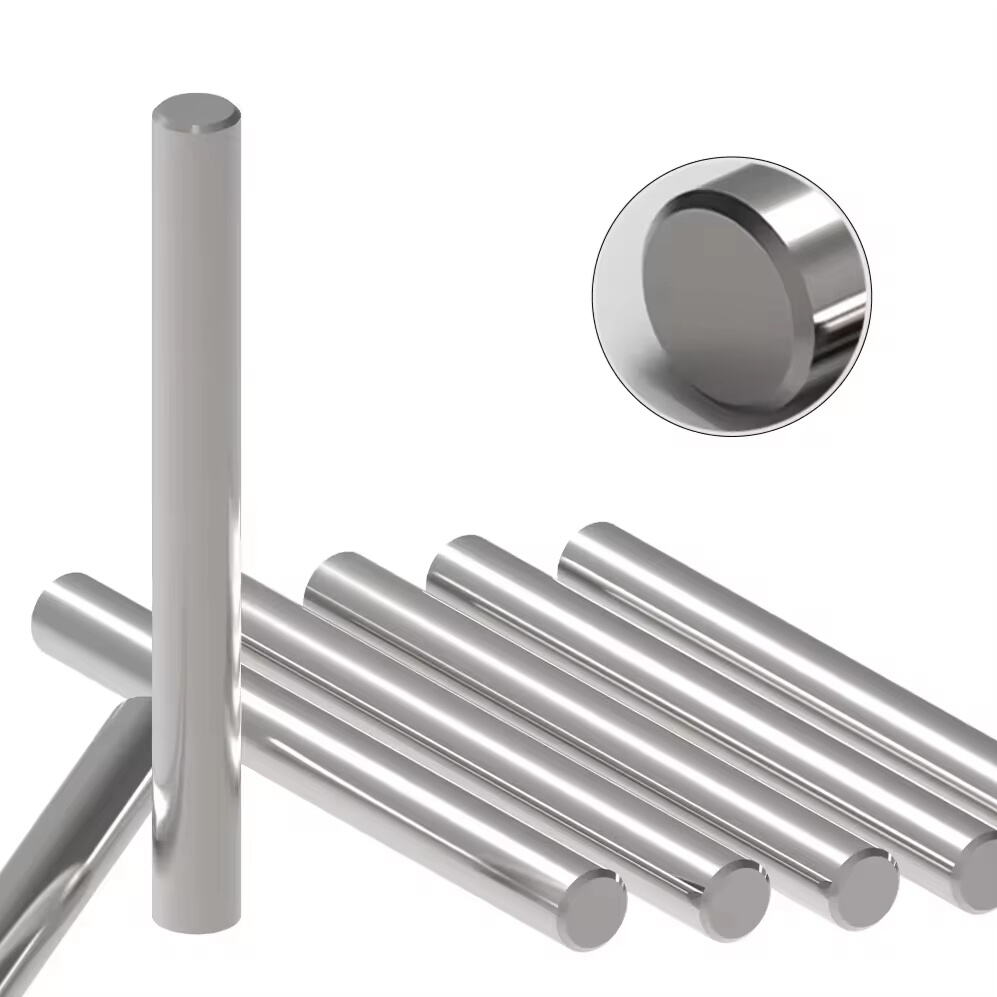
Custom endmills represent a specialized category of cutting tools engineered to meet specific machining requirements that standard off-the-shelf solutions cannot adequately address. These precision-manufactured tools are designed with unique geometries, coatings, and material compositions tailored to individual customer applications and manufacturing challenges. The primary function of custom endmills is to deliver optimized cutting performance for specialized materials, complex part geometries, or unique production constraints that demand extraordinary precision and efficiency. Technological features of custom endmills encompass advanced substrate materials such as solid carbide, high-speed steel, or cobalt alloys, each selected based on the intended application and workpiece material. The geometric design parameters include customizable flute counts, helix angles, cutting edge configurations, and overall tool dimensions that can be precisely specified to match particular machining operations. Surface treatments and coatings like titanium nitride, titanium carbonitride, aluminum titanium nitride, or diamond-like carbon layers enhance wear resistance, reduce friction, and extend tool longevity. Custom endmills find extensive applications across numerous industries including aerospace manufacturing, automotive component production, medical device fabrication, mold and die making, energy sector equipment manufacturing, and precision engineering operations. These tools excel in machining challenging materials such as titanium alloys, hardened steels, inconel, aluminum composites, plastics, and exotic materials that require specific cutting approaches. The customization process allows manufacturers to address unique challenges like restricted access areas, specific surface finish requirements, tight tolerance demands, or production volume considerations that necessitate tool designs optimized for maximum efficiency and cost-effectiveness. By collaborating with experienced tool engineers, customers can develop custom endmills that precisely match their operational parameters, resulting in improved productivity, enhanced part quality, reduced cycle times, and lower overall manufacturing costs.

New Products

The advantages of custom endmills extend far beyond what standard cutting tools can provide, offering manufacturers tangible benefits that directly impact their bottom line and operational efficiency. First and foremost, these specialized tools deliver superior performance tailored specifically to your unique machining requirements, eliminating the compromises inherent in using generic solutions. When you invest in custom endmills, you receive tools designed with your exact material specifications, part geometries, and production goals in mind, resulting in faster cutting speeds, improved surface finishes, and extended tool life compared to conventional alternatives. The precision engineering behind custom endmills translates into reduced production costs over time, as these tools maintain their cutting effectiveness longer and require fewer replacements during manufacturing runs. This extended durability means less downtime for tool changes, fewer interruptions to production schedules, and greater overall equipment effectiveness. Another significant advantage involves the ability to machine complex features in a single setup, as custom endmills can be designed with specialized profiles that eliminate multiple operations, thereby reducing handling time, minimizing positioning errors, and accelerating throughput. The customization process also addresses specific challenges such as vibration reduction, chip evacuation optimization, and heat dissipation management, all factors that contribute to cleaner cuts, better dimensional accuracy, and improved part consistency. For manufacturers working with difficult-to-machine materials, custom endmills provide cutting geometries and coating combinations specifically engineered to handle the unique properties of these substances, whether dealing with work hardening tendencies, abrasive characteristics, or thermal sensitivities. The collaboration with tool design specialists ensures that every aspect of the custom endmills aligns with your machining environment, from spindle capabilities and machine rigidity to coolant delivery systems and workholding configurations. This holistic approach results in tools that perform optimally within your specific operational context rather than requiring you to adapt your processes to accommodate tool limitations. Furthermore, custom endmills enable you to maintain competitive advantages by developing proprietary tooling solutions that competitors cannot easily replicate, providing unique capabilities that differentiate your manufacturing operations. The investment in custom endmills pays dividends through improved first-pass yield rates, reduced scrap and rework, enhanced productivity metrics, and the ability to take on more challenging projects that standard tooling simply cannot accomplish effectively.

Practical Tips

How do different drill bit materials affect performance?

30

Dec

How do different drill bit materials affect performance?

Understanding the relationship between drill bit materials and their performance characteristics is crucial for professionals working in manufacturing, construction, and metalworking industries. The material composition of a drill bit directly influe...
View More
Why Do Milling Cutters Break and How to Prevent It?

10

Feb

Why Do Milling Cutters Break and How to Prevent It?

Manufacturing precision relies heavily on the performance and reliability of cutting tools, with the milling cutter serving as one of the most critical components in modern machining operations. Despite their robust design and engineering excellence,...
View More
What industries rely most on high-speed steel tools?

31

Mar

What industries rely most on high-speed steel tools?

High-speed steel tools have become indispensable across numerous industrial sectors due to their exceptional hardness, heat resistance, and cutting performance. These specialized cutting implements maintain their sharpness and structural integrity ev...
View More
Why Are Carbide End Mills Better for Metal Cutting?

31

Mar

Why Are Carbide End Mills Better for Metal Cutting?

When it comes to precision metal cutting operations, the choice of cutting tool directly impacts productivity, surface finish quality, and overall manufacturing costs. Carbide end mills have emerged as the preferred solution for demanding metal cutti...
View More

Get a Free Quote

Our representative will contact you soon.
Email
Mobile
Name
Company Name
Message
0/1000

custom endmills

Precision-Engineered Geometries for Maximum Machining Efficiency

Precision-Engineered Geometries for Maximum Machining Efficiency

The geometric design of custom endmills represents perhaps the most critical factor determining machining performance and operational success. Unlike standard tools with fixed configurations, custom endmills feature geometries meticulously calculated and engineered to address your specific cutting challenges and material characteristics. The flute design, including the number of flutes, their spacing, and profile configuration, can be optimized to balance chip evacuation efficiency with cutting edge strength based on your particular application requirements. For instance, when machining aluminum or other soft materials that produce long, stringy chips, custom endmills can incorporate wider flute spacing and polished gullets that facilitate rapid chip removal and prevent chip packing that leads to tool breakage or poor surface quality. Conversely, when working with harder materials like tool steels or titanium alloys, the flute count and core diameter can be adjusted to provide maximum rigidity while maintaining adequate chip clearance. The helix angle, another crucial geometric parameter, significantly influences cutting forces, surface finish quality, and tool life. Custom endmills allow you to specify helix angles ranging from low angles for maximum strength when machining hard materials to high angles that provide shearing action for improved finishes on softer substances. The cutting edge geometry itself can be tailored with specific rake angles, clearance angles, and edge preparations that optimize cutting mechanics for your workpiece material, whether you need sharp edges for clean cuts in non-ferrous materials or reinforced edges for the demanding conditions of interrupted cuts in hardened steels. Additionally, custom endmills can incorporate specialized features like variable pitch designs that reduce harmonic vibrations during cutting, corner radius configurations that strengthen the tool while providing desired edge blends on parts, or tapered profiles that enable access to restricted areas while maintaining necessary cutting capabilities. This level of geometric customization ensures that every aspect of the tool contributes to efficient material removal, extended tool longevity, and superior part quality tailored precisely to your manufacturing objectives.
Advanced Coating Technologies for Enhanced Performance and Durability

Advanced Coating Technologies for Enhanced Performance and Durability

The surface coatings applied to custom endmills represent a sophisticated technology that dramatically influences tool performance, longevity, and the range of materials that can be effectively machined. These advanced coating systems provide multiple benefits including reduced friction between the tool and workpiece, enhanced wear resistance that extends cutting edge life, improved heat resistance that maintains tool integrity under demanding conditions, and chemical stability that prevents unwanted reactions with certain workpiece materials. When specifying custom endmills, you can select from an extensive range of coating options, each engineered to excel in particular applications and material combinations. Titanium nitride coatings offer excellent general-purpose performance with good hardness and heat resistance, making them suitable for a wide variety of materials including steels and cast irons. Titanium carbonitride coatings provide enhanced hardness and wear resistance compared to titanium nitride, offering improved performance in more demanding applications. Titanium aluminum nitride coatings excel in high-temperature applications, maintaining their protective properties at elevated temperatures encountered when machining heat-resistant alloys or operating at high cutting speeds. For even more demanding situations, aluminum titanium nitride coatings with their superior oxidation resistance and hot hardness enable aggressive machining parameters that maximize productivity. Diamond-like carbon coatings prove particularly effective when machining non-ferrous materials like aluminum, copper, or plastics, as their low coefficient of friction prevents material adhesion and built-up edge formation that compromises surface quality. Some custom endmills feature multi-layer coating architectures that combine different coating materials in strategic sequences, leveraging the specific advantages of each layer to create synergistic performance characteristics superior to single-layer coatings. The coating application process itself can be customized, with options for coating the entire tool or selectively coating only critical areas, depending on the application requirements and cost considerations. Furthermore, coating thickness can be precisely controlled to balance wear protection with maintaining sharp cutting edges, particularly important for applications requiring fine surface finishes or tight dimensional tolerances where edge sharpness critically impacts results.
Material Selection Tailored to Application Demands and Performance Requirements

Material Selection Tailored to Application Demands and Performance Requirements

The substrate material from which custom endmills are manufactured fundamentally determines the tool's mechanical properties, thermal characteristics, and suitability for specific machining applications. This critical decision involves selecting materials that provide the optimal combination of hardness, toughness, wear resistance, and thermal stability required for your particular manufacturing operations. Solid carbide represents the most popular substrate material for custom endmills due to its exceptional hardness, excellent wear resistance, and ability to maintain cutting edge integrity at elevated temperatures. The specific carbide grade can be customized based on application requirements, with finer grain structures providing increased hardness and wear resistance ideal for finishing operations and abrasive materials, while coarser grain structures offer enhanced toughness that resists chipping and breakage in interrupted cutting or rough machining conditions. Carbide compositions can also be adjusted by varying the cobalt binder content, with higher cobalt percentages increasing toughness at the expense of some hardness, making such grades preferable for demanding applications with high mechanical shock loads. For applications requiring extreme toughness or where cost considerations make carbide prohibitive, high-speed steel substrates provide excellent performance in many machining situations. Modern high-speed steel grades incorporate alloying elements like molybdenum, tungsten, vanadium, and cobalt that enhance hot hardness, wear resistance, and cutting performance beyond conventional steel capabilities. Cobalt high-speed steels offer superior red hardness, maintaining their cutting ability at higher temperatures than standard high-speed steel grades, making them particularly suitable for difficult-to-machine materials or situations where cooling is limited. Some custom endmills utilize powder metallurgy high-speed steels that provide more uniform carbide distribution and refined microstructures compared to conventional manufacturing methods, resulting in improved toughness and grind-ability. For the most demanding applications involving extremely hard or abrasive materials, polycrystalline diamond or cubic boron nitride cutting edges can be specified, offering unmatched hardness and wear resistance that enable extended production runs between tool changes. The material selection process for custom endmills also considers factors like machining environment, available spindle power, machine rigidity, and economic considerations to ensure the chosen substrate delivers optimal performance within your operational parameters while providing acceptable tool life economics that justify the investment in custom tooling solutions.
custom endmills-0
custom endmills-1

Get a Free Quote

Our representative will contact you soon.
Email
Mobile
Name
Company Name
Message
0/1000