Contact me immediately if you encounter problems!

All Categories

milling cutter carbide

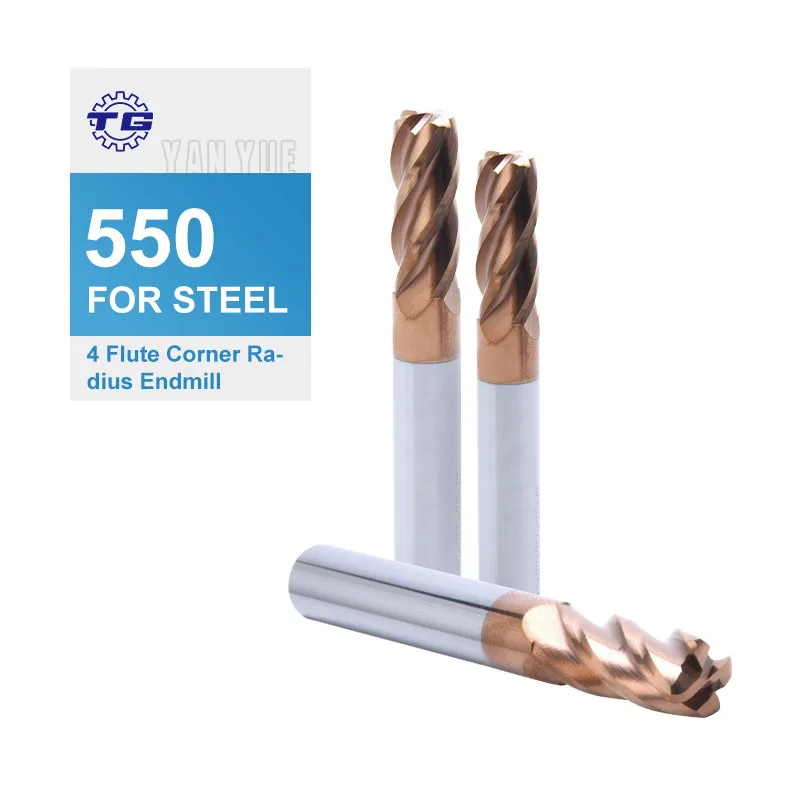
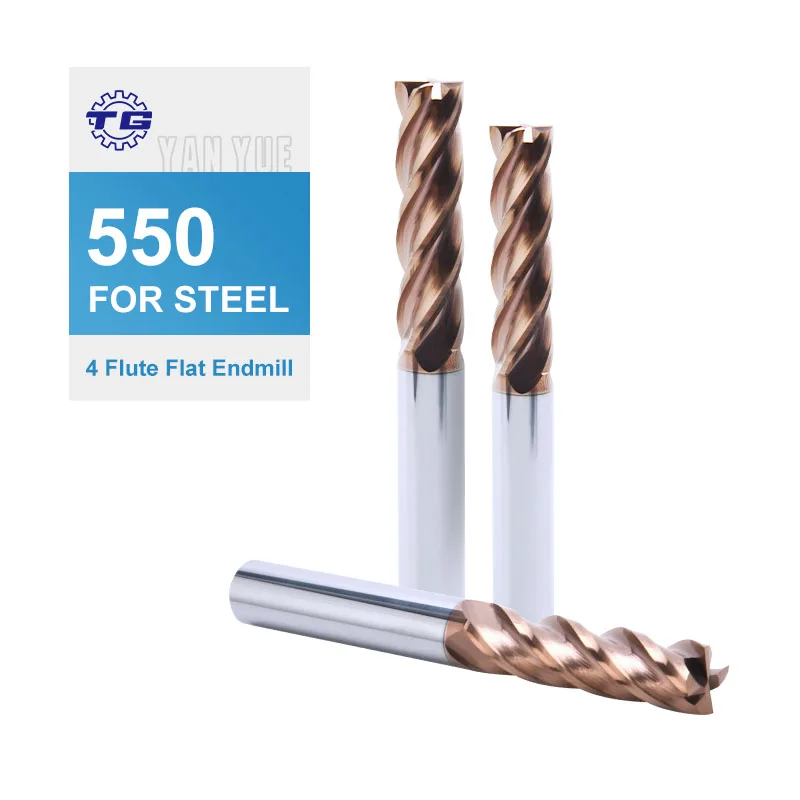
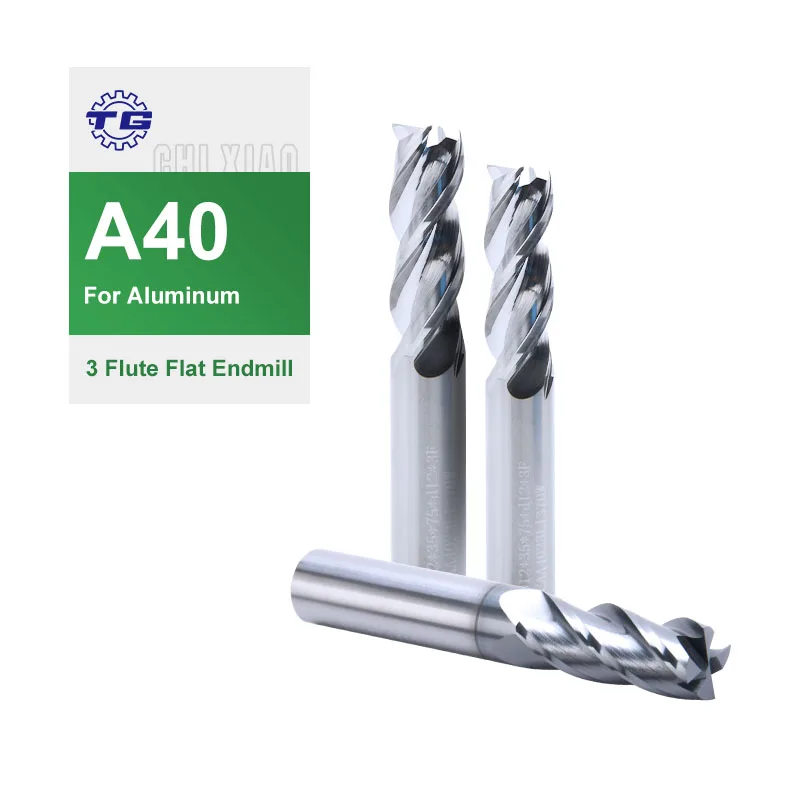
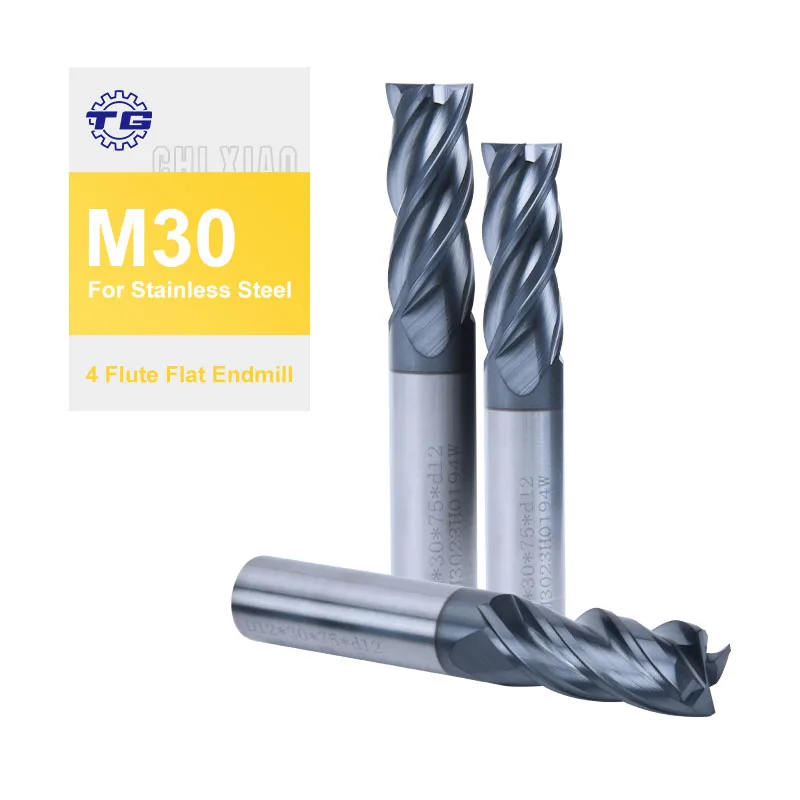
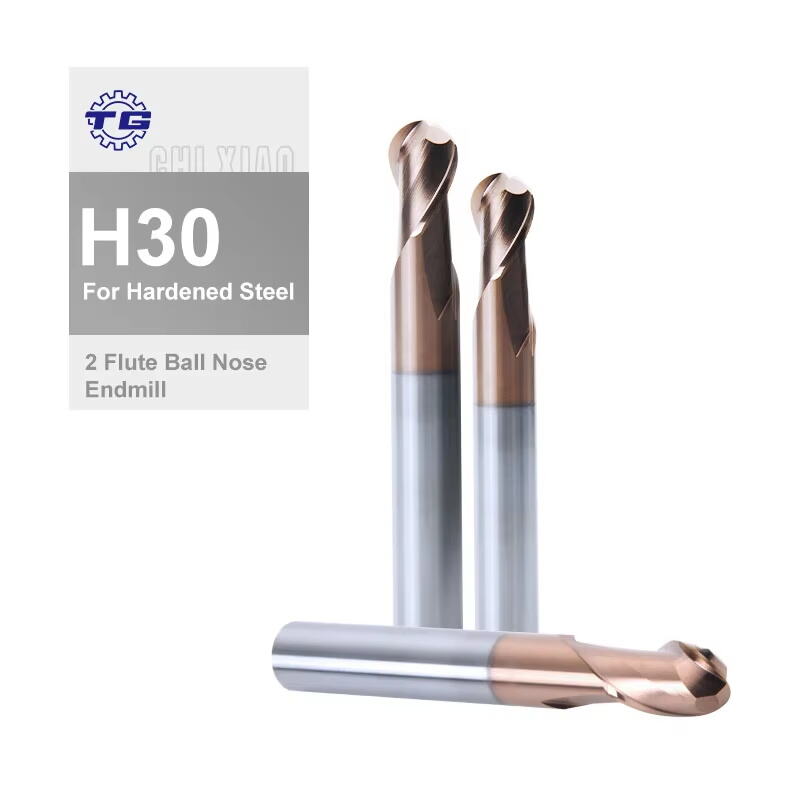
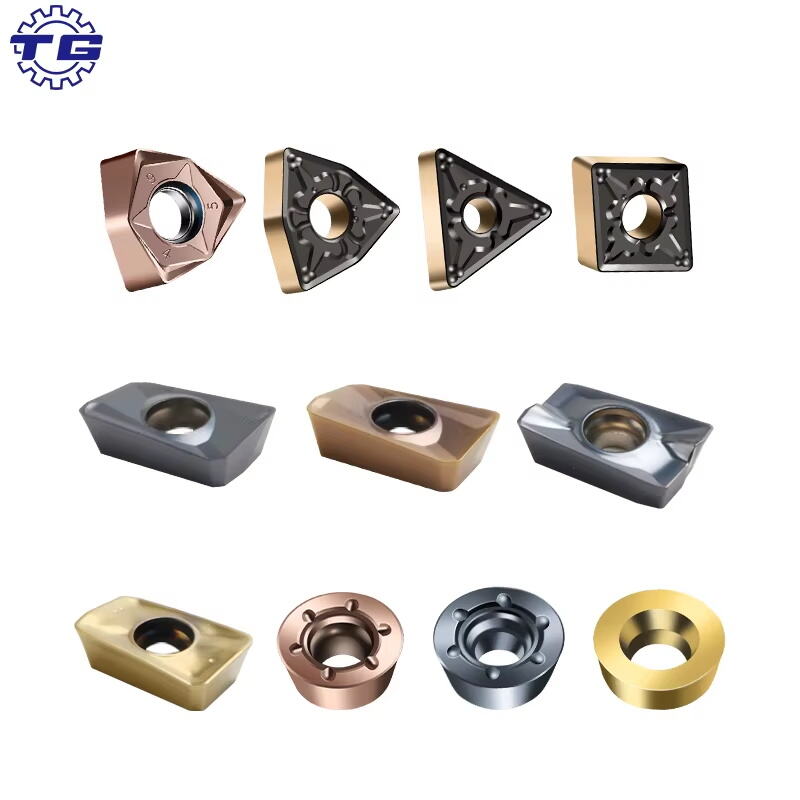
Milling cutter carbide represents a revolutionary advancement in precision machining technology, combining exceptional hardness with remarkable durability to deliver outstanding cutting performance across diverse manufacturing applications. These specialized cutting tools feature carbide inserts or solid carbide construction, enabling them to withstand extreme temperatures and pressures encountered during high-speed milling operations. The milling cutter carbide serves as an essential component in modern manufacturing facilities, where efficiency and precision determine competitive advantage. Its primary function involves removing material from workpieces through rotary cutting motion, creating precise shapes, slots, profiles, and surface finishes that meet exacting specifications. The technological features of milling cutter carbide include advanced substrate compositions that incorporate tungsten carbide particles bonded with cobalt or other metallic binders, creating a material that maintains sharp cutting edges significantly longer than traditional high-speed steel alternatives. Modern milling cutter carbide designs incorporate sophisticated geometries, including variable helix angles, optimized rake angles, and specialized chip breaker configurations that enhance chip evacuation while reducing cutting forces. These tools excel in machining hardened steels, stainless alloys, cast iron, non-ferrous metals, and exotic materials that would rapidly destroy conventional cutting tools. Applications span automotive component manufacturing, aerospace part production, mold and die fabrication, medical device creation, and general engineering operations where dimensional accuracy and surface quality remain paramount. The milling cutter carbide demonstrates particular effectiveness in high-volume production environments where tool life directly impacts operational costs and manufacturing throughput. Whether performing roughing operations that remove large amounts of material quickly or finishing cuts that achieve mirror-like surface qualities, milling cutter carbide delivers consistent results that manufacturers depend upon. Its versatility extends from small diameter end mills measuring mere millimeters to large face mills spanning several inches, accommodating both intricate detail work and substantial material removal tasks with equal proficiency.


New Product Releases

Investing in milling cutter carbide provides manufacturers with tangible benefits that directly improve production efficiency and reduce operational expenses. The extended tool life represents perhaps the most immediately noticeable advantage, with carbide cutters lasting five to twenty times longer than high-speed steel alternatives depending on application specifics. This longevity translates into fewer tool changes, reduced machine downtime, and lower tooling costs over time, allowing production schedules to maintain consistency without interruption. The superior heat resistance of milling cutter carbide enables significantly higher cutting speeds, often two to three times faster than traditional materials can withstand, which accelerates production cycles and increases manufacturing capacity without requiring additional equipment investment. This speed advantage becomes particularly valuable when fulfilling tight deadlines or managing high-volume orders that challenge production capabilities. The exceptional hardness of milling cutter carbide maintains sharp cutting edges throughout extended use, ensuring consistent part quality from the first component to the last before replacement becomes necessary. This reliability eliminates the quality variations that plague softer cutting materials as they gradually dull, reducing scrap rates and rework requirements that consume profit margins. The improved surface finishes achieved with milling cutter carbide often eliminate secondary finishing operations entirely, streamlining manufacturing processes and reducing handling time between workstations. When machining difficult materials like hardened tool steels, titanium alloys, or heat-resistant superalloys, milling cutter carbide frequently represents the only viable option capable of achieving acceptable tool life and productivity levels. The rigidity of carbide construction resists deflection under cutting loads better than flexible tool materials, enabling tighter tolerances and more aggressive machining parameters that boost productivity. Modern coating technologies applied to milling cutter carbide surfaces further enhance performance by reducing friction, preventing material adhesion, and extending tool life beyond even uncoated carbide capabilities. These coatings, including titanium nitride, titanium aluminum nitride, and diamond-like carbon formulations, add minimal cost while delivering substantial performance improvements. The predictable wear patterns of milling cutter carbide allow manufacturers to implement planned tool replacement schedules rather than reacting to unexpected failures that disrupt production flow. This predictability facilitates better inventory management and purchasing strategies that optimize capital allocation. Environmental benefits emerge from reduced tooling consumption, as longer-lasting milling cutter carbide generates less waste material requiring disposal compared to frequently replaced conventional tools, supporting sustainability initiatives while improving bottom-line results.

Practical Tips

How to choose the right drill bit size for your needs?

10

Feb

How to choose the right drill bit size for your needs?

Selecting the appropriate drill bit size is crucial for achieving precise holes, maintaining material integrity, and ensuring project success across various applications. Whether you're working with wood, metal, plastic, or composite materials, under...
View More
Why Do Milling Cutters Break and How to Prevent It?

10

Feb

Why Do Milling Cutters Break and How to Prevent It?

Manufacturing precision relies heavily on the performance and reliability of cutting tools, with the milling cutter serving as one of the most critical components in modern machining operations. Despite their robust design and engineering excellence,...
View More
When should you use carbide vs HSS end mill cutters?

10

Feb

When should you use carbide vs HSS end mill cutters?

Selecting the right cutting tool for machining operations is crucial for achieving optimal performance, surface finish, and tool longevity. The choice between carbide and high-speed steel (HSS) end mill cutters significantly impacts manufacturing eff...
View More
Which Shapes of Carbide Inserts Are Best for Steel?

28

Feb

Which Shapes of Carbide Inserts Are Best for Steel?

When machining steel components, selecting the appropriate carbide inserts for steel becomes critical for achieving optimal performance, tool life, and surface finish quality. The geometry and shape of these cutting tools directly influence chip form...
View More

Get a Free Quote

Our representative will contact you soon.
Email
Mobile
Name
Company Name
Message
0/1000

milling cutter carbide

Unmatched Durability for Extended Production Runs

Unmatched Durability for Extended Production Runs

The exceptional durability of milling cutter carbide fundamentally transforms manufacturing economics by delivering tool life spans that dramatically exceed conventional cutting materials. This remarkable longevity stems from the unique material properties inherent in tungsten carbide, which ranks among the hardest substances available for industrial applications, approaching diamond on the Mohs hardness scale. When manufacturers deploy milling cutter carbide in their operations, they experience immediate reductions in tool replacement frequency, which cascades into multiple operational benefits throughout the production environment. The extended service life means machine operators spend less time changing tools and more time producing parts, directly increasing effective machine utilization rates that represent the true measure of manufacturing efficiency. In high-volume production scenarios where machines run continuously across multiple shifts, the difference between changing tools every few hours versus every few days creates substantial productivity advantages that compound over weeks and months. The financial implications prove equally compelling, as purchasing costs spread across dramatically higher part counts reduce the per-piece tooling expense to fractions of what traditional materials require. Beyond simple cost calculations, the durability of milling cutter carbide provides production schedulers with greater certainty when planning complex manufacturing sequences involving multiple operations and tight deadlines. Knowing that cutting tools will maintain performance throughout planned production runs eliminates the anxiety and contingency planning required when working with less reliable tooling options. Quality assurance teams particularly appreciate how milling cutter carbide maintains consistent cutting geometry throughout its service life, producing parts with uniform dimensional accuracy and surface characteristics from beginning to end of the tool's working period. This consistency eliminates the gradual quality degradation that occurs with softer cutting materials as they progressively dull, reducing inspection requirements and scrap rates that erode profitability. The durability advantage becomes even more pronounced when machining abrasive materials or performing interrupted cuts that subject tools to repetitive impact loading, conditions that rapidly destroy lesser materials but which milling cutter carbide handles with minimal wear accumulation.
Superior Heat Resistance Enabling Faster Production

Superior Heat Resistance Enabling Faster Production

The outstanding thermal properties of milling cutter carbide enable dramatically increased cutting speeds that revolutionize production capabilities without requiring expensive equipment upgrades or facility expansions. Unlike traditional tool materials that soften and fail when subjected to the intense heat generated during high-speed machining, milling cutter carbide maintains its hardness and cutting edge integrity at temperatures exceeding one thousand degrees Celsius. This thermal stability allows manufacturers to push cutting parameters into ranges previously considered impossible, removing material at rates that transform production economics and competitive positioning. When production planners can increase cutting speeds by two hundred or three hundred percent compared to conventional tooling, the same machines suddenly possess capacity equivalent to multiple additional installations, representing enormous virtual capital investment savings. The heat resistance of milling cutter carbide becomes particularly crucial when machining materials with poor thermal conductivity that trap heat in the cutting zone rather than dissipating it into the workpiece or chips. Stainless steels, titanium alloys, and nickel-based superalloys present exactly these challenging characteristics, yet milling cutter carbide handles them effectively where other materials fail almost immediately. The ability to operate at elevated temperatures without degradation also enables dry or minimum quantity lubrication machining strategies that reduce coolant costs, eliminate coolant disposal expenses, and improve workplace environmental conditions by minimizing mist and vapor exposure. Modern manufacturers increasingly pursue these sustainable machining approaches, and milling cutter carbide makes them practically achievable rather than theoretical possibilities. The combination of speed capability and heat resistance allows aggressive material removal rates during roughing operations, clearing away excess stock rapidly to minimize cycle times for each component. This speed advantage applies equally to finishing operations where surface quality requirements demand specific cutting conditions that generate significant thermal energy, yet milling cutter carbide maintains the sharp edges necessary for superior finishes despite these demanding circumstances. Production managers recognize that faster cutting speeds translate directly into increased throughput, enabling existing equipment to meet growing demand without capital expenditure delays or facility expansion complications.
Precision Performance Across Diverse Materials

Precision Performance Across Diverse Materials

The versatility of milling cutter carbide across an extraordinarily wide range of workpiece materials provides manufacturers with singular tooling solutions that simplify inventory management while ensuring optimal performance regardless of production requirements. This material flexibility stems from the fundamental properties of carbide combined with advanced coating technologies and geometric optimizations that tailor performance characteristics to specific application demands. When machining soft aluminum alloys, milling cutter carbide delivers excellent chip evacuation and prevents material buildup on cutting edges that plagues many tool materials, producing clean cuts with minimal burr formation. Transitioning to hardened tool steels or case-hardened components, the same milling cutter carbide technology maintains cutting ability where conventional tools simply cannot penetrate the work material effectively. This cross-material capability eliminates the need for extensive tool inventories segregated by workpiece material type, reducing capital tied up in tooling stock while simplifying tool selection processes for operators and programmers. The precision achievable with milling cutter carbide meets the demanding tolerances required in aerospace component manufacturing, medical device production, and precision mold fabrication where dimensional variations of mere microns determine acceptance or rejection. This accuracy results from the rigidity of carbide construction, which resists deflection forces that cause dimensional errors with more flexible tool materials, particularly when working with extended tool lengths or small diameter cutters subject to bending loads. Surface finish quality represents another dimension of precision where milling cutter carbide excels, producing remarkably smooth surfaces that often eliminate subsequent grinding or polishing operations entirely. The economic value of eliminating secondary operations extends beyond direct cost savings to include reduced work-in-process inventory, simplified material handling, and shortened manufacturing lead times that improve customer responsiveness. Manufacturers serving diverse industries with varying material requirements particularly value how milling cutter carbide adapts across their entire production range, from prototype quantities in exotic materials to high-volume runs in common alloys. The consistent performance across this material spectrum reduces process development time since established cutting parameters translate reliably across similar operations in different materials with only minor adjustments rather than complete process redesign.
milling cutter carbide-0
milling cutter carbide-1

Get a Free Quote

Our representative will contact you soon.
Email
Mobile
Name
Company Name
Message
0/1000